Booking an Outfitter Before You’ve Drawn a Tag
It’s a tale as old as time for any dedicated hunter eyeing those coveted North Dakota tags: you’re dreaming of a big mule deer in the Badlands or a monster whitetail from the Missouri River bottoms, you’ve applied for the lottery, but you’re stuck in limbo. You desperately want to plan your hunt – figure out dates, book time off work, arrange travel, maybe even secure a spot with a highly reputable outfitter – but without a tag in hand, it feels like building a castle on sand. This guide is here to help you navigate the tricky waters of booking a North Dakota outfitter before you've officially drawn your tag, giving you strategies to get ahead of the game without losing your shirt.
The Catch-22 of Drawing a North Dakota Tag
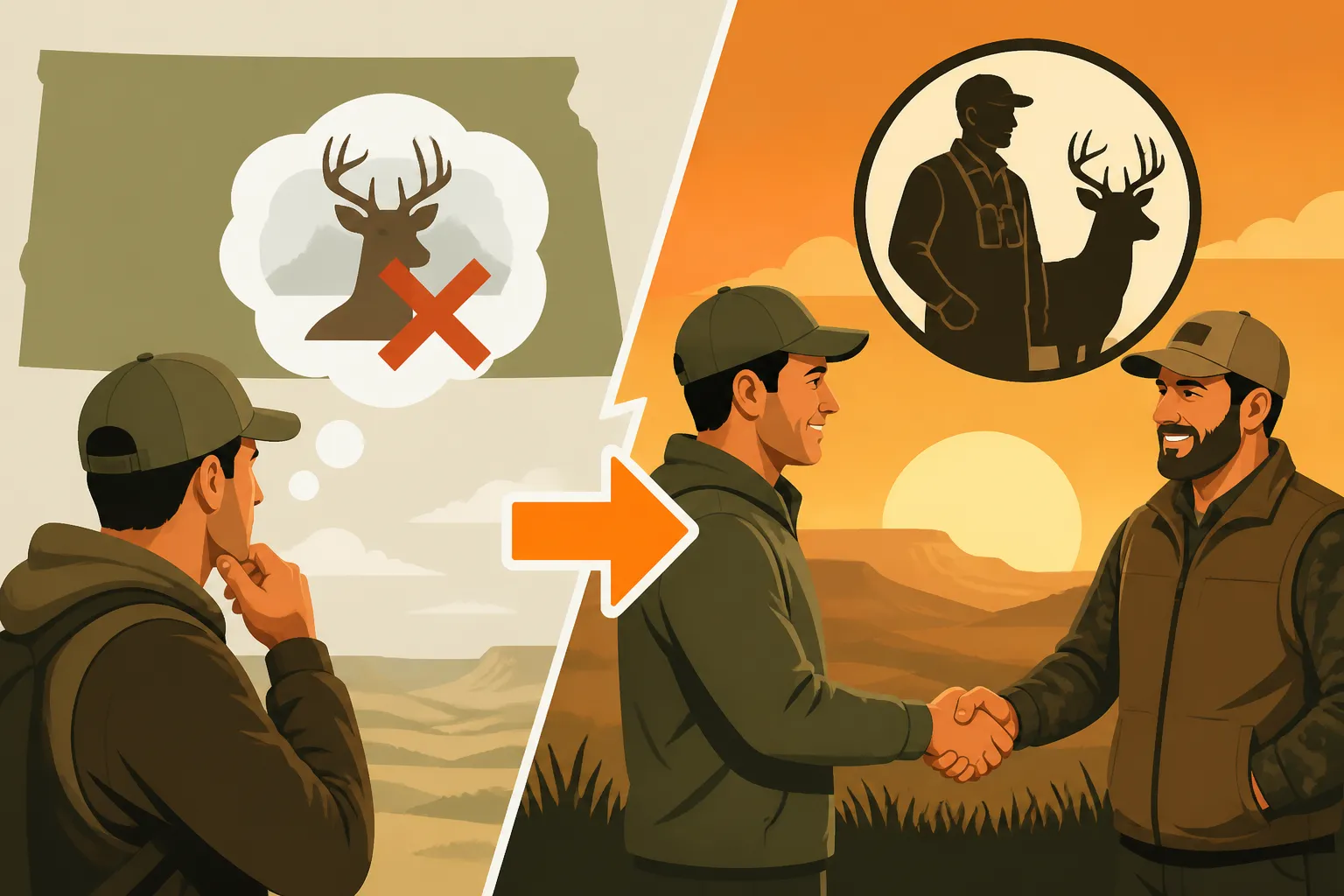
The anxiety of waiting for lottery results can be excruciating, especially when you know the best outfitters and prime hunting dates fill up incredibly fast. It creates this frustrating catch-22: do you wait, risk losing your preferred guide, or do you take a gamble and book something, hoping the tag comes through? It’s a real dilemma, and understanding why it exists is the first step.
Understanding North Dakota's Lottery System for Big Game
North Dakota, like many states, employs a lottery system for its most sought-after big game species. This isn't just for non-residents; many resident opportunities are also tied to a draw. Deer, especially bucks in certain popular units, often require a lottery tag. Elk, moose, and bighorn sheep are almost exclusively lottery-based, with incredibly high demand and limited tags, making them North Dakota's Once-in-a-Lifetime Big Game Licenses.
Think about the timeline: you apply in the spring, often by early June for deer. You might not find out if you've drawn a tag until late June or even July. That’s precious planning time lost. For highly anticipated hunts like North Dakota's Lottery-Based Deer Gun Season, this waiting period can feel like an eternity, especially when you’re trying to coordinate schedules with hunting buddies or nail down travel logistics. You want to make sure your ducks are in a row, but the state holds all the cards. This uncertainty is precisely what makes pre-booking an outfitter such a complex decision.
Why Outfitters Book Up So Fast
The simple truth is, good hunting outfitters are in high demand, and there are only so many prime hunting days in a season. The best guides, those with a proven track record, access to private land, or intimate knowledge of specific public land honey holes, often have their calendars booked a year or more in advance. They have returning clients, established relationships, and a reputation that precedes them.
If you wait until you have your North Dakota deer tag in hand in July, you might find that the outfitter you’ve been eyeing since last season has no availability for the dates you want. Or, perhaps they have openings, but only for less desirable periods or units. This pressure to "get in" with a quality outfitter drives many hunters to consider booking conditionally, even without a confirmed tag. It’s a matter of supply and demand, and the demand for a quality hunting experience in North Dakota is consistently high, particularly for species like deer and specific waterfowl hunts.
Strategies for Booking Ahead: Risks and Rewards
Deciding to book an outfitter before you've drawn your tag is a calculated risk. It's not for everyone, and it requires careful consideration of the outfitter's policies and your own financial comfort level. However, for some, the reward of securing a prime spot outweighs the potential downsides.
Conditional Bookings and Deposit Policies
This is arguably the safest route if you're determined to get a jump on booking. Many reputable North Dakota outfitters understand the lottery system and the hunter's dilemma. They might offer a "conditional booking" where you place a deposit, but it comes with specific stipulations regarding your tag status.
Here’s how it typically works:
- Refundable Deposit: The most hunter-friendly option. You pay a deposit, and if you don't draw your desired North Dakota tag, the deposit is fully refunded. This takes most of the financial risk off your shoulders, but outfitters offering this might require a higher deposit or have more limited availability for conditional bookings.
- Transferable Deposit: Some outfitters might offer to transfer your deposit to another hunt, either for a different species, a different year, or even a different hunter (with their approval). This is a good middle-ground, as you don't lose your money entirely, but you might still be committed to a hunt with that particular outfitter. This gives you flexibility if your plans shift, or if you decide to try for a different tag next year.
- Credit for Future Hunt: Similar to transferable, but the deposit becomes a credit with that outfitter. If you don't draw, you can use that credit for a future hunt, perhaps for upland birds or waterfowl that don't require a lottery tag.
It is absolutely crucial to get all of these terms in writing. Don't rely on a verbal agreement. Read the fine print carefully before you commit. You want to know exactly what happens if you don't draw. Does the money come back immediately? Is there a waiting period? Is there a small administrative fee for the refund? Understanding these nuances, especially regarding North Dakota Deer Hunt Deposit Requirements and Getting a Refund From a North Dakota Outfitter, will save you headaches later.
Some online hunting booking platforms, like BookYourHunt, sometimes provide filtering options or specific language in their listings that highlight outfitters offering flexible booking options for lottery hunts. It’s worth checking such resources to see if they can connect you with guides who explicitly cater to this scenario.
Non-Refundable Deposits: A Calculated Gamble
On the other end of the spectrum are outfitters who require a non-refundable deposit to secure your booking, regardless of whether you draw a North Dakota tag. This is a higher-risk strategy and one that requires a serious personal assessment of your financial situation and risk tolerance.
Why would an outfitter do this? From their perspective, they are reserving a spot on their calendar that could have gone to a hunter with a guaranteed tag. That date represents potential income, and they might have to turn away other clients once your spot is "taken." A non-refundable deposit helps mitigate their financial risk.
If you go this route, you are essentially gambling that you will draw your tag. This might be a viable option if:
- You are applying for a tag with very high draw odds (e.g., a bonus antlerless tag in a less popular unit).
- You have accumulated many preference points for a specific species like elk or moose, and your draw odds are statistically very good.
- The non-refundable deposit is a small, manageable amount you're willing to lose if the lottery doesn't go your way.
Before even considering a non-refundable deposit, ensure you have a fallback plan. Is there another hunt you'd pursue if you don't draw? Is the money truly something you can afford to part with? This strategy can be incredibly rewarding if you draw and get your dream hunt, but it can also lead to significant disappointment (and a lighter wallet) if you don't. Some hunters even look into trip insurance options that specifically cover hunting license failure, but it's important to research what such policies truly cover and if they apply to your specific situation.
Leveraging Outfitters for Specific Species or Tags
Sometimes, it’s not just if you draw, but what you draw. North Dakota has diverse hunting opportunities, and some outfitters specialize in very specific hunts. For example, you might have applied for a limited-draw unit for a trophy mule deer in the Badlands, but you're also open to a general whitetail archery hunt if the mule deer doesn't pan out.
Communicating these possibilities to an outfitter upfront can be beneficial. They might have options for alternative hunts if your primary tag doesn't come through. For instance, if you're trying for an North Dakota Elk Lottery Application Process tag in the Badlands and don't draw, that same outfitter might offer a late-season Fall Turkey Hunting in North Dakota hunt in a different area.
Using resources like GoHunt (or similar platforms) can help you research draw odds by unit and species. While I can't guarantee their current features, such platforms often provide data that informs hunters on their chances. If you know your odds are decent for a particular unit, you can approach outfitters who specifically cater to that unit or species. This focused approach can help an outfitter understand your intent and offer more tailored pre-booking options, even if the tag is still up in the air.
Here's a quick comparison of conditional vs. non-refundable deposits:
| Feature | Conditional Booking | Non-Refundable Deposit |
|---|---|---|
| Risk to Hunter | Low (deposit is refundable/transferable) | High (deposit is lost if tag not drawn) |
| Deposit Type | Refundable, transferable, or credit for future hunt | Typically 100% forfeited |
| Outfitter Availability | Potentially more limited or higher deposit required | May secure prime dates more easily |
| Peace of Mind | High | Low (stress until tag results) |
| Best For | Hunters with uncertain draw odds, budget-conscious | Hunters with high draw odds, willing to gamble |
| Key Action | Get all terms in writing, confirm refund/transfer policy | Understand total potential loss, consider trip insurance |
Navigating North Dakota Specifics with an Outfitter in Mind
North Dakota has its own unique hunting regulations and scenarios that can influence your decision to book an outfitter before drawing a tag. Being aware of these specific rules is crucial for making an informed choice.
The 'Once-in-a-Lifetime' Tag Dilemma
North Dakota issues "once-in-a-lifetime" tags for incredibly rare opportunities like bighorn sheep and moose. Drawing one of these tags is truly a monumental achievement for most hunters. When you apply for a North Dakota Bighorn Sheep Lottery Application Process or North Dakota Moose Lottery Application Process tag, the stakes are incredibly high. These aren't just hunts; they're experiences that many hunters dream of for decades.
For these "unicorn" tags, the desire to make the most of the hunt is paramount. If you've been putting in for decades and finally draw one, securing a top-tier outfitter often becomes a priority. In this scenario, some hunters might be more willing to take a calculated risk with a non-refundable deposit, or they'll seek out outfitters who specialize in these species and offer robust conditional booking policies. The logic is that after waiting so long, you want every advantage to make that hunt successful. Discussing your specific draw history and dedication to these rare species with an outfitter can sometimes sway them toward offering more flexible terms. They understand the significance of that tag.
Nonresident Considerations: Bow Restrictions and Public Land
Nonresident hunters face an additional layer of complexity in North Dakota. There are specific rules regarding How Many Days Nonresidents Wait for Public Land Bow Access for deer. Generally, nonresidents cannot hunt deer on public land with a bow until a certain date, typically in mid-September. This restriction effectively pushes many nonresident archers toward private land.
If you're a nonresident applying for an archery deer tag, booking an outfitter on private land before you draw can be a strategic move. An outfitter with exclusive access to private acreage immediately bypasses the nonresident public land restriction. This means you could potentially hunt earlier in the season than if you were relying solely on public land access after the restriction lifts. This also makes Booking a Nonresident Bow Hunt Around the Access Restriction a much smoother process, as the outfitter handles the private land permissions.
When speaking with potential outfitters, especially if you're a nonresident, make sure to clarify their property access. Do they hunt private land, or do they guide on public land after the nonresident restrictions are lifted? This distinction is critical to understanding your hunting dates and potential success.
Researching Outfitter Success Rates and Availability
Regardless of whether you book before or after drawing your tag, thoroughly Vetting a North Dakota Hunting Outfitter is non-negotiable. This means doing your homework beyond just asking about prices. Look into their track record for the specific species and units you're interested in. Ask for references from past clients, and actually call those references.
When considering booking without a tag, specifically ask outfitters:
- What are your policies if I don't draw my tag? (Get this in writing!)
- What are your typical draw odds for clients in the units I'm applying for?
- What dates do you have available that align with the tag notification timeline?
- Do you have alternative hunt options (e.g., upland birds, waterfowl) if my big game tag doesn't come through, and can my deposit be applied there?
Reading Comparing North Dakota Outfitter Reviews on independent forums, social media groups, and review sites can provide invaluable insights into how an outfitter handles these situations. Are they known for being fair with deposits? Do they communicate clearly? These are critical questions to answer before you commit any money. An outfitter's transparency and flexibility in addressing the "no tag" scenario can be a huge indicator of their professionalism and commitment to their clients.
Booking an outfitter before you've drawn your North Dakota tag is a deeply personal decision, influenced by your risk tolerance, financial flexibility, and the specific tag you're chasing. It’s a gamble, yes, but one that can pay off big time by securing your dream hunt with a top-notch guide. By understanding the North Dakota lottery system, carefully scrutinizing outfitter policies, and doing your due diligence, you can navigate this complex situation with confidence. Always prioritize clear communication and get all agreements in writing. That way, you’re either heading into an incredible hunt, or you're protected if the draw doesn't go your way.
Disclaimer
This article is for general informational purposes only and does not constitute professional advice. Laws, prices and regulations vary by location and change over time. Consult a qualified professional for guidance on your specific situation.