North Dakota Elk Lottery Application Process
It’s a dream many of us share: drawing that coveted North Dakota elk tag. The reality, however, is that applying for an elk license in North Dakota can feel like playing the lottery with incredibly long odds, leaving many hunters frustrated year after year. This comprehensive guide will walk you through every step of the North Dakota elk lottery application process, from understanding the unique challenges to strategizing your choices and navigating the online portal, so you can maximize your chances and stay informed.
Understanding North Dakota's Elk Landscape
North Dakota isn't exactly known as an elk hunting mecca, and that's precisely why drawing a tag here is such a monumental challenge. Unlike many western states with expansive elk populations, North Dakota's herds are small, localized, and meticulously managed. This scarcity directly impacts every aspect of the application process.
The Rarity of an Elk Tag
Let's be brutally honest: getting an elk tag in North Dakota is tough. We're talking about one of the most difficult big game draws in the entire country. The North Dakota Game and Fish Department (NDGFD) issues a very limited number of tags each year, often just a few hundred across the state, primarily concentrated in the western Badlands. This isn't just a tough draw; for most hunters, it's a multi-year, often multi-decade, endeavor. The sheer scarcity of these tags means that every single application counts, and understanding the odds is paramount to managing expectations. It's truly a once-in-a-lifetime opportunity if you manage to beat those astronomical odds. For more on the numbers, check out the article on North Dakota's 1,062-License Elk Season, which provides perspective on how few tags are actually available.
Many hunters express frustration, feeling like they're just throwing their application fee into a black hole. It's a valid sentiment when you consider that thousands of resident hunters apply for a handful of tags. This isn't about skill in the field; it's about pure statistical luck, combined with a strategic accumulation of preference points over many years. The dream of harvesting a majestic animal in the unique Badlands terrain keeps many coming back, year after year, hoping this will finally be their turn.
Elk Management Units and Herd Health
North Dakota's elk are managed within specific units, primarily in the rugged Little Missouri Badlands. These units are carefully defined by the NDGFD to control herd numbers, mitigate depredation issues on private lands, and provide limited hunting opportunities. The populations are relatively small and localized, requiring precise management. You won't find elk across the entire state; their range is quite specific, primarily in the rough, broken country of the western part of North Dakota.
The health and size of these small herds are constantly monitored. Factors like harsh winters, calf recruitment, and available forage all play a role in determining how many tags can be issued in any given year. For instance, a particularly severe winter can lead to reduced tag numbers in subsequent seasons as the department works to rebuild the herd. Conversely, successful management and good conditions might allow for a slight increase in tags, though never to the point of making it an "easy" draw. Understanding the general location of Elk in North Dakota's Little Missouri Badlands is crucial for anyone dreaming of this hunt.
Why the Draw is So Competitive
The competitiveness of the North Dakota elk draw boils down to simple supply and demand. You have a relatively small, stable elk population, combined with a strong demand from resident hunters who dream of an elk hunt in their home state. This isn't just any hunt; it’s for one of the largest and most sought-after big game animals on the continent. North Dakota hunters are passionate, and the lure of a Badlands bull is incredibly strong.
Adding to the competition is the "once-in-a-lifetime" rule, which we'll delve into more later. This means that if you draw an antlered elk tag, you can never draw another one in North Dakota. This rule ensures that as many different hunters as possible get a chance at an antlered bull over the years, but it doesn't reduce the annual competition for those precious few tags. Essentially, every applicant is vying for a chance that, for many, will come only once in their lifetime, if it comes at all. This creates an intense pool of applicants, all patiently building preference points and hoping for that one lucky break.
Navigating the Application Portal and Deadlines
Applying for a North Dakota elk tag requires meticulous attention to detail and, most importantly, adherence to strict deadlines. Miss a date, and you're out of luck for another year. The process is entirely online, and it's essential to understand each step.
The Online Application Step-by-Step
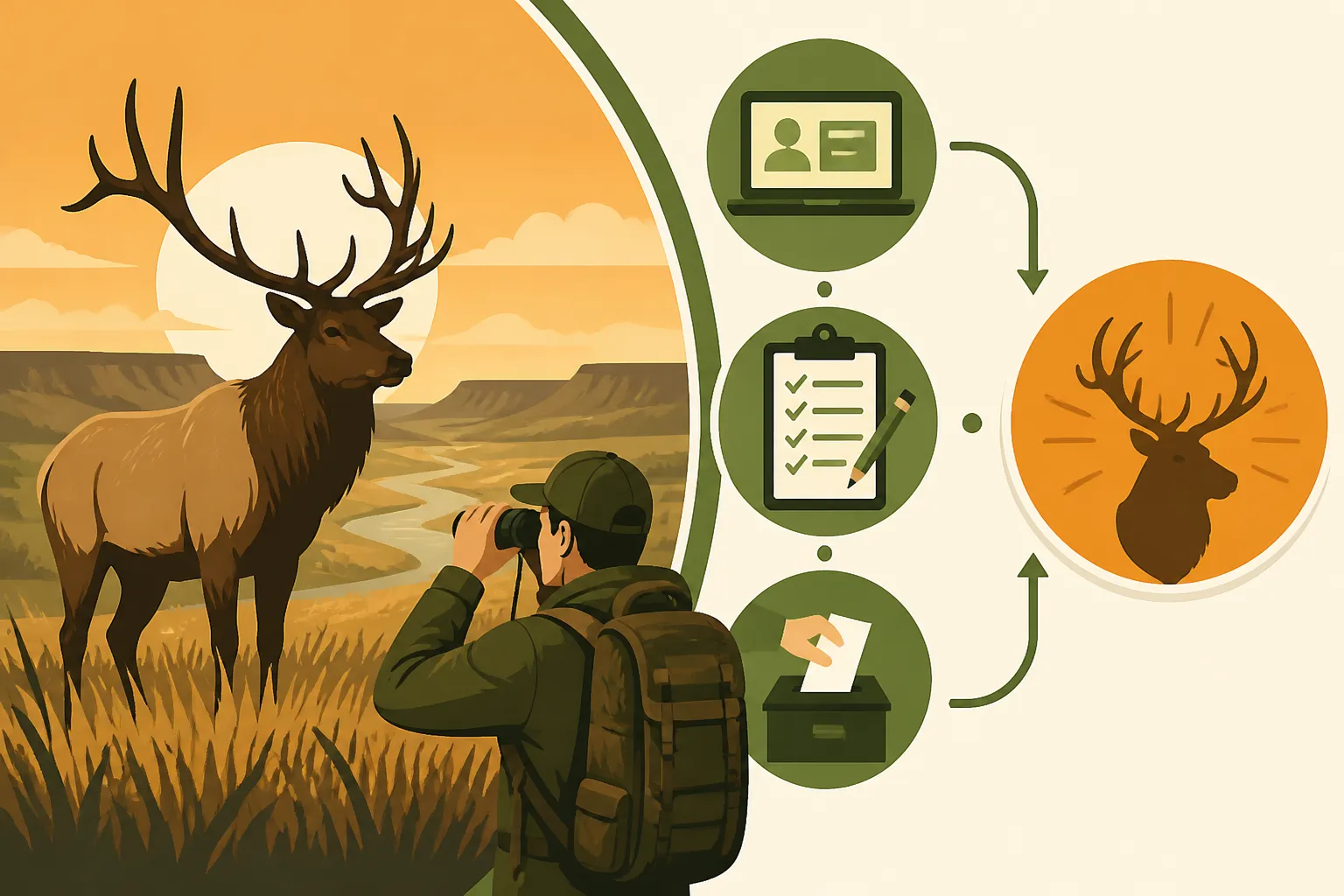
The North Dakota Game and Fish Department’s website is where all the magic (and sometimes heartbreak) happens. You’ll need to create an account or log in to your existing one. The application process itself is fairly straightforward once you're in. You'll typically navigate to the "Apply for Licenses" section, select the elk lottery, and begin filling out the required fields. This includes personal information, your choice of unit, and whether you're applying for an antlered or antlerless tag.
It's absolutely critical to double-check every piece of information before submitting. A simple typo in your ID number or an incorrect unit selection could invalidate your application or, worse, put you in a unit you didn't intend to hunt. Many hunters find it useful to go through a "dry run" a few days before the deadline, making sure they understand each prompt and have all necessary information at hand. Remember, applying for big game licenses, including elk, is typically done through the state's official portal.
Key Dates You Absolutely Cannot Miss
This is where many aspiring elk hunters run into trouble. The application period for North Dakota elk tags is usually quite specific and does not offer much flexibility. While the exact dates can shift slightly from year to year, the general window for applying for elk (and moose and bighorn sheep) usually opens in early May and closes in early June. For example, the North Dakota Elk Application Deadline is typically around the first Wednesday in June. This is a hard deadline – no late applications are accepted, no exceptions.
Mark your calendar, set multiple reminders, and even tell a hunting buddy to remind you. Many experienced hunters make it a point to apply well before the deadline to avoid any last-minute technical glitches or personal scheduling conflicts. Imagine waiting years, accumulating preference points, only to miss the application window by a day! It's a devastating, yet avoidable, mistake. Don't be that hunter.
Preference Points: What They Are and How They Work
North Dakota employs a preference point system for its elk (and moose and bighorn sheep) draws. This system is designed to reward hunters who have been unsuccessful in previous draws, theoretically increasing their chances over time. Here’s how it works: for every year you apply for an elk tag and are unsuccessful, you accrue one preference point. When you apply the following year, your application is essentially weighted by the number of points you have.
For example, if you have 5 preference points, your application effectively gets "5 chances" in the draw, while someone with 0 points gets "1 chance." This system means that newer applicants face even longer odds, as they are competing against a pool of hunters who may have been accruing points for a decade or more. It’s a marathon, not a sprint. You can also purchase a preference point without applying for a tag, which is a popular strategy for hunters who know they won't be able to hunt that year but still want to build points. Understanding the North Dakota Preference Point System Explained is critical to a long-term strategy for drawing a tag.
License Types and Eligibility for Elk
Before you even think about applying, it's crucial to understand who is eligible and what restrictions come with a North Dakota elk tag. These are not "over-the-counter" tags, and not everyone can even apply.
Resident-Only Opportunity
Let's get this straight right off the bat: North Dakota elk (along with moose and bighorn sheep) are strictly resident-only big game species. Non-residents cannot apply for these coveted tags, nor can they purchase them. This is a protection measure to ensure that the extremely limited hunting opportunities for these unique animals are reserved exclusively for the state's residents. If you're a nonresident dreaming of an elk hunt in North Dakota, your only option is to establish residency first, which typically involves living in the state for a specified period (usually 6 to 12 months) and meeting other legal criteria.
This policy reflects the state's commitment to its local hunting community, especially given the tiny population sizes of these animals. It can be a bummer for out-of-state hunters, but it's a reality that shapes the entire application and management process. This also means that the competition, while still fierce, is limited to a smaller pool of applicants than if nonresidents were also in the mix. The article Why Elk, Moose and Pronghorn Stay Resident-Only goes into further detail on this crucial point.
Once-in-a-Lifetime Considerations
Drawing an antlered elk tag in North Dakota is, as the name suggests, a once-in-a-lifetime event. If you are lucky enough to pull an antlered bull tag and successfully harvest an elk, you will never be eligible to apply for another antlered elk tag in North Dakota again. This rule is in place to give as many different resident hunters as possible a chance at this incredibly rare trophy. It's a system designed for equity, not for repeat success for a few lucky individuals.
This "once-in-a-lifetime" status applies specifically to antlered tags. You can, however, apply for and potentially draw an antlerless elk tag in subsequent years, even if you’ve harvested an antlered elk. This allows hunters who wish to fill their freezer or continue participating in population control efforts to do so. The distinction is important for your long-term hunting plans. Understanding What a Once-in-a-Lifetime Elk Tag Means is essential before you apply, as it shapes your expectations and long-term strategy.
Youth Hunter Opportunities and Rules
North Dakota is generally very supportive of introducing youth to hunting, and this extends to elk, albeit with the same extreme rarity. While the odds are still incredibly long, eligible youth hunters can apply for elk tags. The application process is the same as for adults, and youth hunters also accrue preference points. They must meet the state's general hunter education requirements, unless participating in the mentored youth hunting program.
For a youth hunter, drawing an elk tag would be an unforgettable experience, likely fostering a lifelong passion for conservation and hunting. It's a fantastic program that offers these unique opportunities to the next generation, though parents and mentors should still set realistic expectations about the draw odds. Ensuring your youth hunter has their hunter education squared away and is familiar with the application process is a great way to introduce them to the administrative side of big game hunting.
Strategizing Your Elk Application
With such tough odds, a well-thought-out strategy becomes even more critical. It’s not just about applying; it’s about applying smart. This involves research, understanding the units, and using available tools.
Analyzing Draw Odds by Unit
Not all elk units in North Dakota are created equal when it comes to draw odds. Some units might have slightly higher tag allocations, or historically, fewer applicants, leading to marginally better chances. However, "marginally better" still means incredibly difficult. This is where diligent research comes into play. The NDGFD typically publishes draw statistics from previous years, showing the number of applicants, tags issued, and the preference point levels of successful applicants for each unit.
By carefully studying these reports, you can identify trends. For example, some units might be highly sought after for their trophy potential, thus having lower draw odds, while others, perhaps with more challenging terrain or less public access, might see slightly less competition. It's a delicate balance: do you chase the dream of a monster bull in a low-odds unit, or do you increase your statistical chance (however small) by applying for an antlerless tag in a less popular unit? This is the kind of data crunching that helps you make an informed decision. The article on North Dakota Elk License Odds provides valuable insight into these statistics.
Applying for Antlered Versus Antlerless Tags
This is a significant strategic decision. Antlered elk tags (bull tags) are always the most difficult to draw, given the "once-in-a-lifetime" rule and the prestige associated with harvesting a bull. The demand for these tags far outstrips the supply, leading to thousands of applicants for only a handful of opportunities. If your primary goal is to harvest any elk in North Dakota, applying for an antlerless tag will significantly, though still not easily, increase your draw odds.
Antlerless tags are typically more numerous and do not carry the "once-in-a-lifetime" restriction, meaning you can draw one even if you’ve harvested an antlered elk in the past. This option is often pursued by hunters who are focused on filling their freezer with prime elk meat, or those who simply want the experience of an elk hunt, regardless of antler size. The NDGFD added antlerless periods for a reason, specifically to help manage population. More information on this can be found in Why the Elk Season Added an Antlerless Period. Consider your priorities carefully: trophy potential versus increased chance of drawing a tag.
Using Data Resources like GoHunt for Insights
In the modern hunting world, resources like GoHunt can be invaluable tools for strategizing your big game applications, even for a state like North Dakota where the odds are long. While North Dakota's elk draw is resident-only, the methodology of using data applies. Platforms like GoHunt compile historical draw data, applicant numbers, and success rates, often presenting it in user-friendly formats that can help you analyze trends. They might also offer unit profiles, showing public land access, habitat characteristics, and even hunter pressure.
While North Dakota’s elk data is limited due to the small herds, utilizing such resources can still provide a clearer picture than simply guessing. You can track preference point creep, see how many points successful applicants had in specific units, and get a better feel for which units might offer a slightly different statistical edge. This kind of detailed information helps you move beyond just applying blindly and gives you a more informed approach. Even for a tough draw like North Dakota elk, leveraging every bit of data available through platforms like GoHunt can only benefit your long-term strategy. They can help you understand the dynamics of a draw, providing a tactical edge even when luck is still the biggest factor.
What Happens After You Apply
Once you've submitted your application, the waiting game begins. This period can be filled with anticipation, hope, and often, a little bit of dread. Understanding the next steps can help alleviate some of the uncertainty.
Checking Your Application Status
After the application deadline closes, the NDGFD begins the lottery draw process. This isn't an instant affair; it takes time to process thousands of applications, tally preference points, and conduct the actual draw. You won't know the results immediately. However, you can typically check the status of your application through your online account on the NDGFD website. While it might not show you "successful" or "unsuccessful" right away, it can confirm that your application was received and is being processed.
Keeping an eye on the official NDGFD announcements is key. They will usually inform hunters when the draw results are expected to be released. Avoid calling the office repeatedly; they're working hard to get the results out! Patience is a virtue in this stage, just as it is throughout the entire elk hunting journey.
Notification Process and What Comes Next
When the draw is complete, the NDGFD typically notifies applicants via email or through an update to their online account. If you're one of the incredibly lucky few, you'll receive a notification that you've drawn an elk tag. This is the moment years of patience and preference points pay off. Along with the notification, you'll usually receive instructions on how to print your tag or any additional information you need to know before the season.
If you are unsuccessful, you'll also receive a notification, which can sting, especially after building up points for so long. However, this notification is also confirmation that you've accrued another preference point for next year's draw, keeping your dream alive. Many hunters immediately start planning their strategy for the following year, hoping their accumulated points will eventually lead to success.
Dealing with the Outcome: Success or Unsuccessful
Drawing an elk tag in North Dakota is cause for major celebration. It means years of planning, scouting, and potentially applying are finally coming to fruition. If you're successful, immediately dive into planning your hunt. This isn't a tag to take lightly. Consider things like where the best public land for elk is located, whether to use a guide (if applicable for residents), and how to prepare for the physical demands of hunting in the Badlands. For those fortunate enough to draw, researching North Dakota Elk Hunt Success Rates from previous years can give you an idea of what to expect in the field.
If, like most applicants, you're unsuccessful, it's easy to feel disheartened. But don't despair! This is part of the North Dakota elk hunting experience. Remember, you've earned another preference point, moving you one step closer to your goal. Use the disappointment as motivation to research further for next year, refine your unit choices, or simply commit to applying again. Many hunters use this time to reflect on their application strategy and consider if they want to continue chasing the antlered tag or switch to an antlerless option for potentially better odds down the line. It's a long game, and persistence is key.
North Dakota Elk Lottery Application Snapshot
Here’s a simplified overview of the typical application process for North Dakota Elk. Remember, specific dates and exact odds change yearly, so always consult the NDGFD website for the most current information.
| Feature | Antlered Tag (Bull) | Antlerless Tag (Cow/Calf) | Preference Point Strategy |
|---|---|---|---|
| Eligibility | North Dakota Residents Only | North Dakota Residents Only | North Dakota Residents Only |
| Application Window | Early May – Early June (Exact dates vary annually) | Early May – Early June (Exact dates vary annually) | Early May – Early June (Purchase or accrue with application) |
| Draw Odds | Extremely Low (Often < 1%) | Very Low (Better than antlered, but still tough) | Directly impacts draw success over time |
| "Once-in-a-Lifetime" | Yes (If you draw and harvest an antlered elk) | No (Can draw multiple antlerless tags) | Continues to accrue if unsuccessful applying for either |
| Common Frustrations | Decades of applications with no success | Still very tough to draw, despite slightly better odds | Slow accumulation, especially for new applicants |
| Recommended Action | Apply every year, accrue preference points | Consider if meat is primary goal, or as a stepping stone | Apply or purchase a point annually without fail |
Note: This table provides a general overview. Always confirm current rules, dates, and odds directly with the North Dakota Game and Fish Department.
Disclaimer
Please be aware that hunting regulations, license requirements, and season dates are subject to change. Always consult the official North Dakota Game and Fish Department website and current year's hunting guide for the most accurate and up-to-date information before planning any hunting activity.