North Dakota Prairie Dog Colonies and Hunting Access
North Dakota prairie dog colonies and hunting access locations explained through mapping tools, short-grass habitat scouting, and landowner permissions.
Know what you’re after.
Big game, small game, upland birds, and waterfowl — identification, behavior, rut and migration timing, and how each species moves through the season.
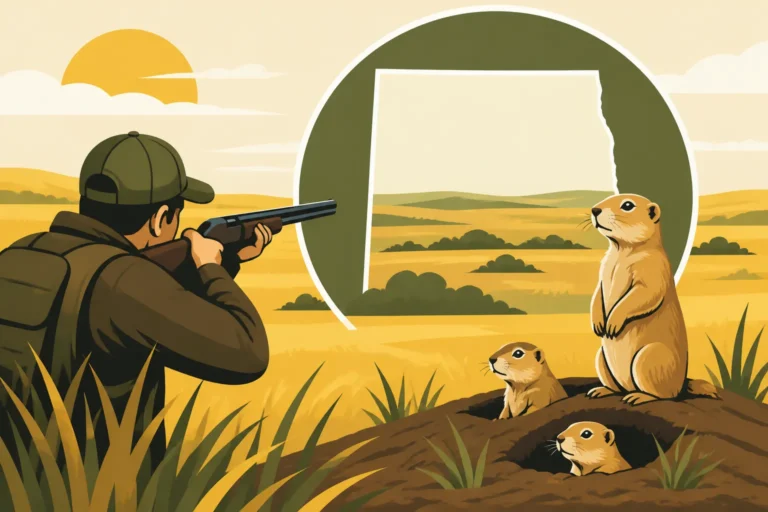
North Dakota prairie dog colonies and hunting access locations explained through mapping tools, short-grass habitat scouting, and landowner permissions.
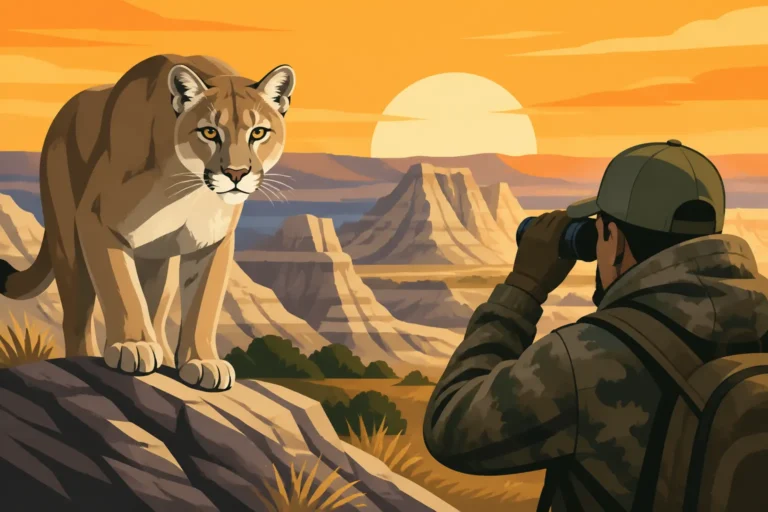
North Dakota mountain lion sightings in the Badlands reveal where elusive predators live and how hunters encounter them.
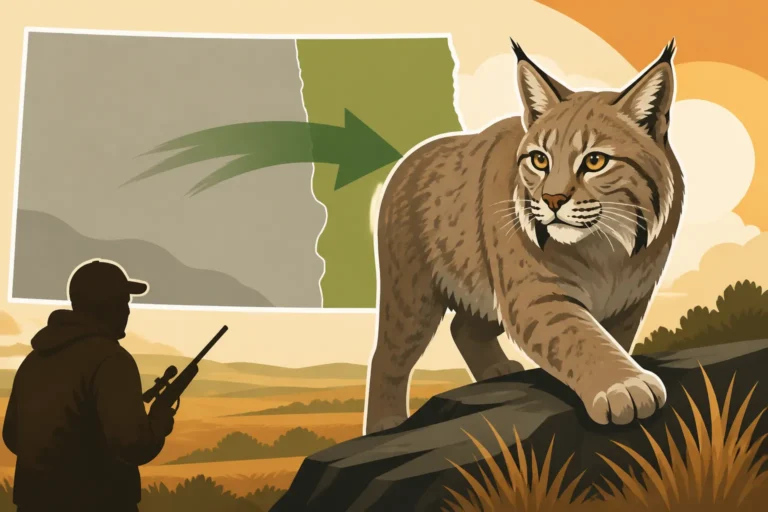
North Dakota bobcat range expansion explains why elusive felines now inhabit eastern river bottoms, shelterbelts, and prairie farmsteads.
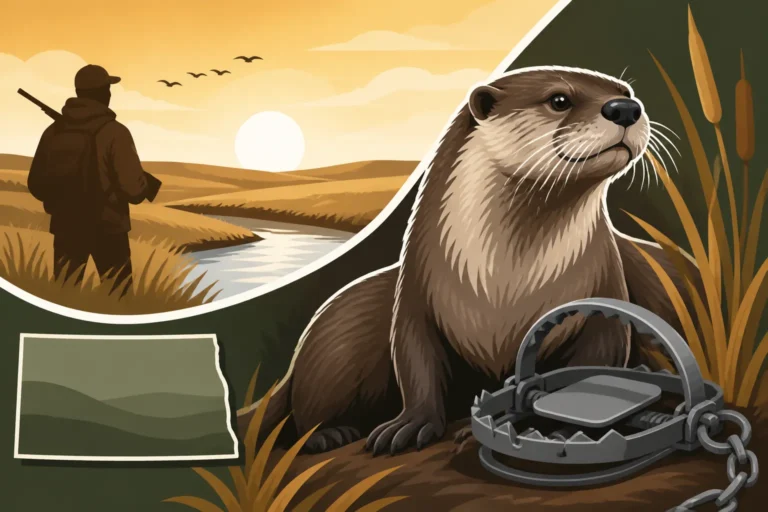
North Dakota river otter trapping season regulations, legal methods, bag limits, and population management rules explained.
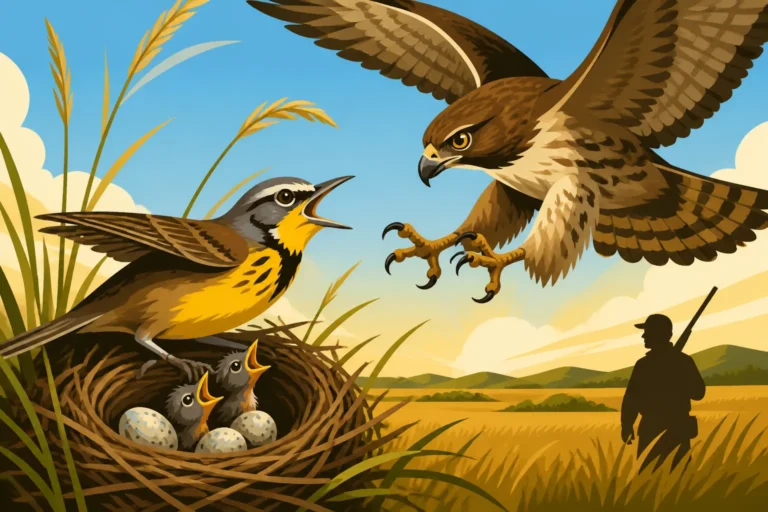
North Dakota prairie songbird nest predation threats and environmental factors impacting survival rates of ground nesting birds.
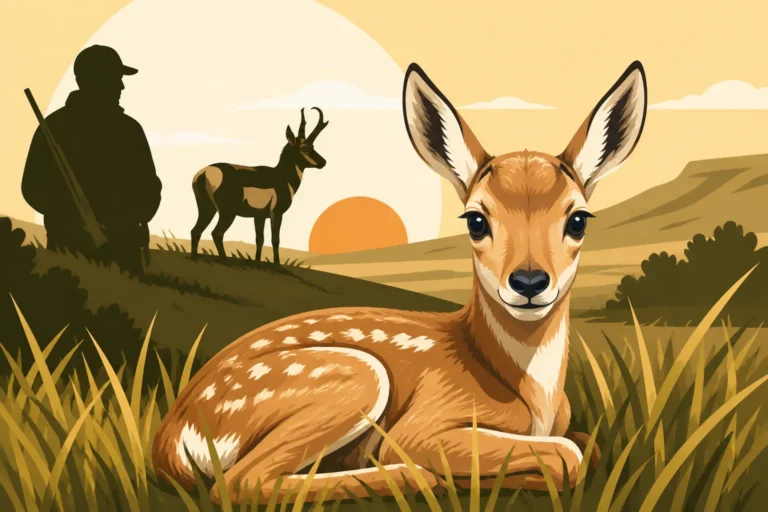
North Dakota pronghorn fawn survival depends on maternal hiding behavior, coyote predation, and forage quality during the critical first year.
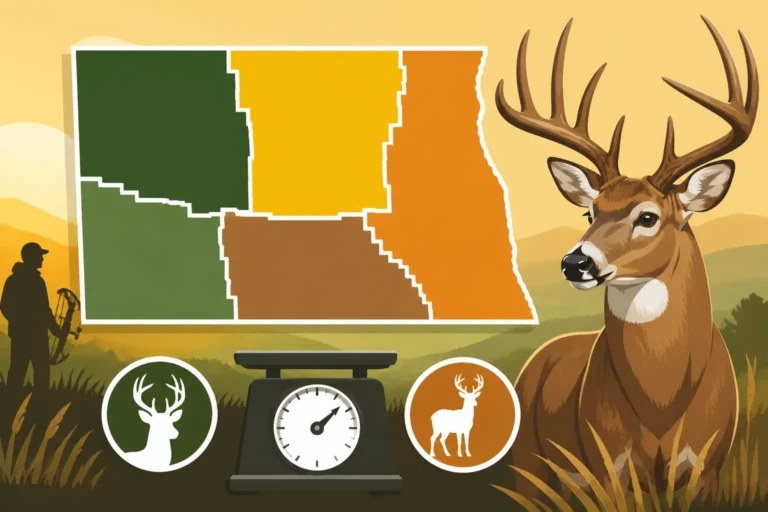
North Dakota deer weight averages and regional size differences driven by age, sex, habitat, climate, genetics, and herd health.
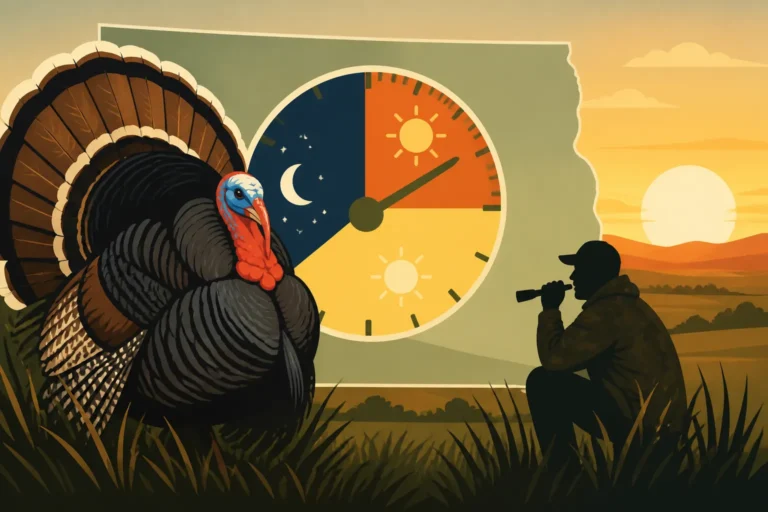
North Dakota spring turkey gobbling activity timings, seasonal vocalization patterns, and peak breeding periods explained for hunters.
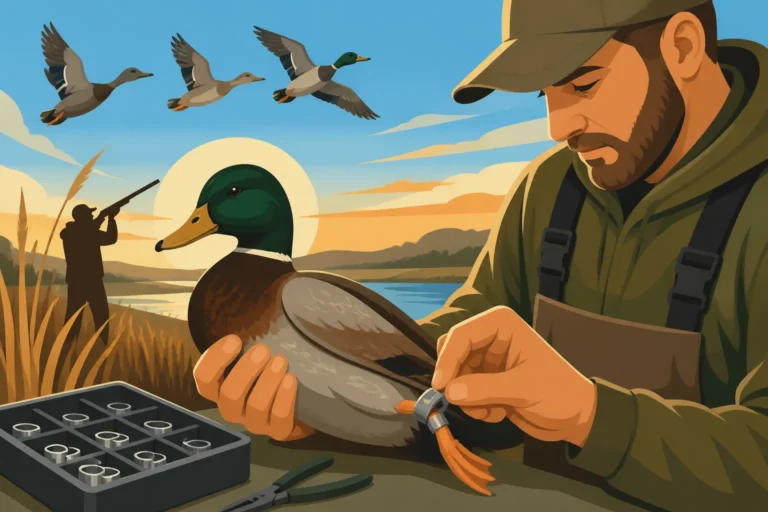
North Dakota waterfowl banding programs use metal leg bands and rocket nets to track migration routes and survival rates.
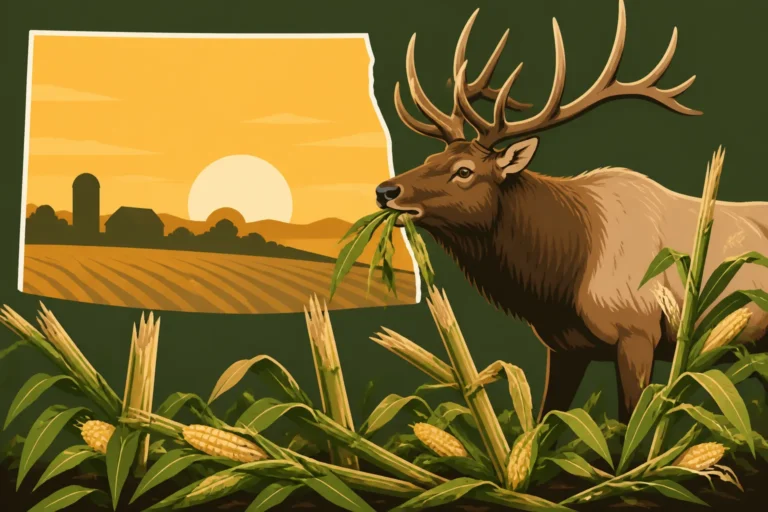
North Dakota elk damage to agricultural lands, including trampled crops, broken fences, and hay bales consumed by herds in McKenzie and Billings counties.