North Dakota Mountain Lion Sightings in the Badlands
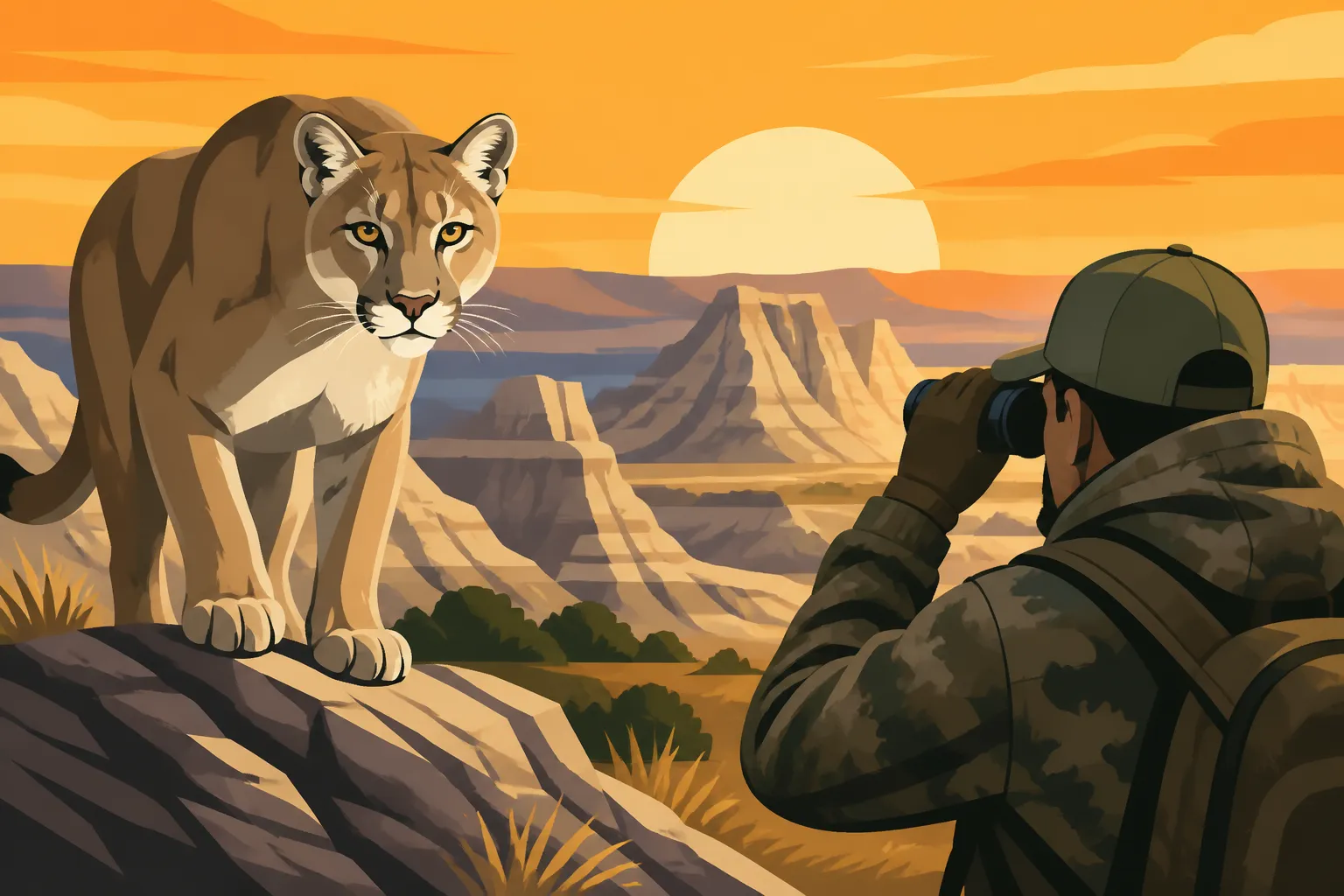
It’s a rare moment for any hunter, but the idea of catching a glimpse of a mountain lion in the rugged draws and breaks of North Dakota's Badlands is definitely a captivating one. While sightings are few and far between, they do happen, and understanding these elusive predators can add a whole new layer to your hunting experience in the western part of the state. This guide will walk you through what we know about mountain lions in the Badlands, where they might be, and what to do if you're lucky enough to encounter one.
The Elusive Mountain Lion in North Dakota's Badlands
For many years, the presence of mountain lions in North Dakota was largely anecdotal, confined to whispers around campfires and fleeting glimpses. However, in recent decades, these powerful predators have firmly re-established a foothold, particularly in the rugged, broken terrain of the Little Missouri Badlands. It's a natural fit for them, offering dense cover, plentiful prey, and the solitude they crave. They are truly the ghosts of the Badlands, rarely seen but always a possibility, adding to the wild mystique of the region.
The average hunter heading out for Mule Deer in North Dakota's Badlands or even Elk in North Dakota's Little Missouri Badlands might never lay eyes on a mountain lion, and that’s perfectly normal. These animals are masters of stealth, moving silently through the landscape, often active during the twilight hours or under the cloak of darkness. Their secretive nature means that while they exist, direct observations are exceptionally uncommon. This makes every track, every scrape, and every reported sighting a significant event, confirming their continued, albeit quiet, presence in the ecosystem. It's a testament to the wildness that still thrives in this corner of the state.
Where and When Mountain Lions Are Typically Seen
Mountain lion sightings, while rare, tend to concentrate in specific areas and during certain periods when their movements align more closely with human activity or prey availability. The Badlands, particularly the more remote and rugged sections, provide ideal habitat. Think deep, brushy coulees, steep rocky escarpments, and areas with dense cedar or juniper cover – places where a hunter might be Hunting a Badlands Draw for Mule Deer. These are the travel corridors and ambush points that lions utilize.
Geographically, the Little Missouri Badlands are the primary focus. This vast, broken landscape stretches through counties like McKenzie, Billings, and Golden Valley, providing endless opportunities for these cats to live largely unobserved. Hunters often report seeing signs or having brief encounters in areas adjacent to the Little Missouri River, or near the larger national grasslands that intersperse the private ranchland. Utilizing scouting tools like GoHunt, hunters can identify areas with dense cover and high deer densities, which are prime territories for mountain lions.
Seasonal movements can also influence sightings. As deer and elk move to different wintering or breeding grounds, mountain lions will follow their food source. During the deer rut in early-to-mid November, for instance, bucks are more active and vocal, potentially drawing in predators. Similarly, late-season hunts when snow cover forces deer into specific drainage areas might increase the chance of encountering tracks or other fresh sign. Wind and Thermals in Badlands Terrain also play a role; cats will use thermal currents just like deer to conserve energy and mask their approach.
Understanding Mountain Lion Behavior and Ecology in North Dakota
Mountain lions, also known as cougars or pumas, are apex predators. Their diet in North Dakota primarily consists of deer, both mule deer and white-tailed deer, but they will also prey on Pronghorn Antelope in Western North Dakota, small game, and even elk when available. They are solitary animals, with males maintaining large territories that can overlap with multiple females. This territorial behavior helps space them out across the landscape, which contributes to their low population density and elusive nature.
They are ambush hunters, relying on stealth and explosive power to take down prey. They often stalk their quarry from behind, using the terrain and cover to their advantage before launching a short, powerful charge. A common sign of their presence is a deer carcass that has been partially consumed and then covered with dirt, leaves, or grass for later feeding. This caching behavior is distinct from how coyotes or other predators might feed. Hunters exploring areas after a fresh kill might stumble upon these cached carcasses, which can be an unnerving but informative discovery.
Despite their power, mountain lions are generally wary of humans. Encounters are extremely rare, and when they do occur, the lion typically chooses to retreat. They prefer to avoid confrontation, and their secretive nature is their best defense. This is why educating yourself on their behavior, and knowing how to react in the unlikely event of an encounter, is important for anyone spending time in their habitat. Scouting tools like GoHunt can also help you identify dense game trails and bedding areas where a mountain lion might be lurking, allowing you to move with greater awareness.
Reporting a Mountain Lion Sighting and What to Do
Coming across a mountain lion in the wild is an incredible experience, but it’s crucial to know how to react for both your safety and the animal's. If you spot a mountain lion, the first and most important rule is to remain calm. Do not run. Running can trigger a chase response in predators. Instead, make yourself look as large as possible by waving your arms, opening your jacket, or standing on higher ground if available.
Make noise. Yell, clap, or use any loud sound to try and deter the animal. Maintain eye contact, but avoid staring directly into its eyes, which some animals perceive as a challenge. If you have children or pets with you, pick them up immediately. Back away slowly, giving the animal plenty of space to escape. The goal is to show the lion that you are not prey and that you are not a threat. Carrying bear spray or a similar deterrent is also a good idea when in remote areas where any large predator might be present.
After an encounter or if you find definitive evidence like tracks or a cached kill, it's incredibly valuable to report it to the North Dakota Game and Fish Department. These reports help wildlife biologists track mountain lion distribution, population trends, and overall health of the herd. When reporting, try to provide as much detail as possible: the exact location (GPS coordinates are ideal), the date and time, a description of the animal (size, color, behavior), and any photographic evidence you managed to capture. Even if it's just tracks, a good photo of the print next to a ruler or a familiar object can be very useful. This data helps state wildlife agencies manage the species and ensure they continue to thrive in their natural habitat. Reading Aerial Photos for Badlands Deer can help pinpoint exact locations for your report.
| Sign of Mountain Lion Presence | Description | Implications for Hunters |
|---|---|---|
| Tracks | Large, rounded, roughly 3-4 inches wide, typically without claw marks (claws retract like a house cat). | Fresh tracks indicate recent activity; differentiate from canine (dog/coyote) tracks by lack of claw marks and pad shape. |
| Scrapes | Small piles of dirt, leaves, or pine needles made by the hind feet, often covering urine or scat. | Territorial marking; indicates active use of an area by a lion. Often near travel routes or kills. |
| Cached Kills | Partially consumed carcass (often deer or elk) covered with debris (dirt, leaves, grass). | Lion is likely in the vicinity, returning to feed later; exercise extreme caution if found. |
| Scats | Large, rope-like droppings, often segmented, typically containing hair and bone fragments of prey. | Confirms presence; indicates diet. Can be mistaken for large dog scat but usually coarser due to undigested material. |
| Vocalizations | Rarely vocal, but can include purrs, growls, hisses, or even a scream-like sound, especially during mating. | Very rare to hear; confirms close proximity. Can be mistaken for other animals like foxes. |
Knowing these signs, and how to use resources like GoHunt to better understand the local ecosystem and animal movements, can greatly enhance your awareness while Hunting North Dakota's Badlands.
Disclaimer
This article is for general informational purposes only and does not constitute professional advice. Laws, prices and regulations vary by location and change over time. Consult a qualified professional for guidance on your specific situation.