Finding Access Near Dickinson
One of the biggest headaches for any hunter, especially when you're headed to an unfamiliar area, is figuring out where you can actually hunt. Dickinson, North Dakota, is a prime example of a region with incredible hunting potential, sitting right on the edge of the rugged Badlands and the expansive prairie, but navigating public and private access can feel like solving a complex puzzle. This guide is here to untangle that challenge, helping you confidently find and utilize hunting access points near Dickinson, so you can spend less time guessing and more time pursuing game.
Understanding the Unique Hunting Landscape Around Dickinson
Dickinson isn't just another dot on the map; it's a strategically located hub for hunters looking to experience some of North Dakota's most diverse opportunities. The unique geology and ecology of the region create a varied mosaic of habitats, each with its own draws and access considerations.
Badlands Topography and Its Challenges
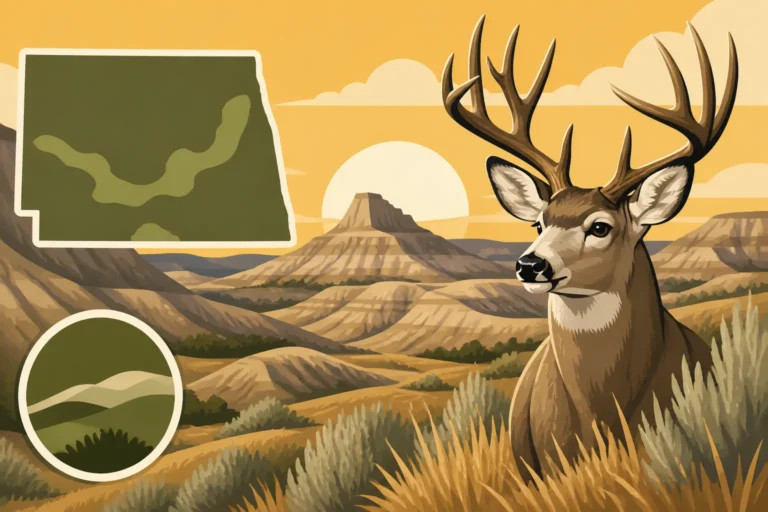
To the west and south of Dickinson, the world dramatically changes into the iconic North Dakota Badlands. This isn't your flat prairie; we're talking about deeply eroded buttes, steep coulees, rugged draws, and dense juniper breaks. This terrain is absolutely breathtaking, but it's also incredibly challenging to navigate, both on foot and when trying to understand land boundaries. The Badlands are primarily known for their mule deer, which thrive in this broken country, but you'll also find whitetails, scattered elk herds, and even the rare bighorn sheep in certain limited units.
Finding access here often means dealing with rough two-track roads, if they exist at all, and a lot of foot travel. The sheer scale can be daunting, and what looks like a small draw on a map can turn into a canyon when you're trying to cross it. Understanding the specific regulations for various land types within the Badlands, like national grasslands versus private parcels, becomes crucial. Plus, the limited road access in many areas means you might need to plan for longer hikes to get away from other hunters, or be prepared to haul out your game from some truly remote spots.
Prairie Pothole Region's Influence
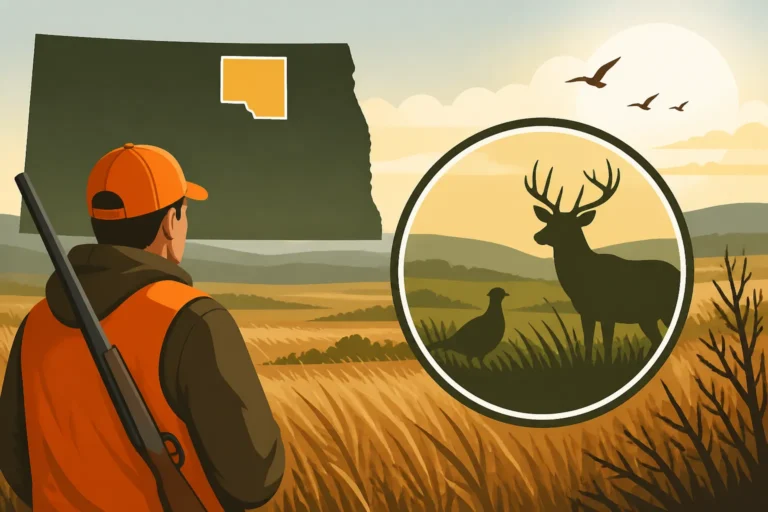
While the Badlands dominate the landscape immediately west of Dickinson, head east or even just slightly north and you start to see the tell-tale signs of the Prairie Pothole Region blending in. This transition zone is a fantastic convergence of habitat. You'll find rolling agricultural fields, interspersed with small wetlands (the "potholes"), and shelterbelts. This mix creates incredible habitat for ring-necked pheasants, especially in areas with good cover like cattail sloughs or dense CRP grass.
Whitetail deer also thrive in these areas, often sticking to the river bottoms, shelterbelts, and woody draws that cut through the agricultural land. And, of course, the potholes draw in a wide variety of waterfowl, from mallards to various species of geese, especially during migration. The access dynamics here are a bit different than the Badlands. While there's still public land, private agricultural land plays a much larger role, making landowner relations and understanding programs like PLOTS even more vital. This blend offers a "best of both worlds" scenario for hunters, but it demands a nuanced approach to finding your hunting grounds.
Navigating Public Land Opportunities Around Dickinson
North Dakota might not have the vast tracts of contiguous public land found in some western states, but don't let that discourage you. The state offers a surprising amount of accessible ground, particularly around Dickinson, if you know where to look and understand the various programs. The key is to be diligent in your scouting and mapping.
PLOTS Land: Your Go-To Resource
The Private Land Open To Sportsmen (PLOTS) program is an absolute game-changer for hunters in North Dakota, and especially beneficial near Dickinson where private land dominates much of the prime habitat. These are private lands where landowners have enrolled their property with the North Dakota Game and Fish Department, opening them up for public hunting and fishing access. You'll recognize them by the distinctive yellow triangular signs with the PLOTS logo.
The beauty of PLOTS is that it strategically places public access directly into prime hunting areas that would otherwise be private. Near Dickinson, you'll find PLOTS tracts that offer everything from excellent pheasant cover to crucial whitetail bedding areas along river breaks and even some mule deer habitat on the Badlands fringes. The challenge with PLOTS is that the acreage can change annually, and some tracts see more pressure than others. It's vital to Using the PLOTS Guide Booklet or the digital map resources (we'll get to those!) to confirm current boundaries and rules. Always be respectful of the specific regulations posted on PLOTS signs, which might include walk-in only access or restrictions on certain activities. Even with pressure, these areas often provide fantastic opportunities, and a willingness to walk a little further than the next guy can pay huge dividends. Using mapping apps to Scouting PLOTS Land With the ND Hunt App before you even leave home is highly recommended.
National Grasslands Access
For those who dream of vast, open spaces and truly wild hunting, the Little Missouri National Grassland is your answer, and it's practically in Dickinson's backyard. Covering immense acreage across western North Dakota, it offers incredible opportunities for mule deer, whitetail, elk (in limited units), and even some pronghorn and upland birds. Unlike PLOTS, these are federal lands, managed by the U.S. Forest Service, and generally open to hunting, with some specific rules.
The sheer size of the Little Missouri National Grassland means you can often get away from other hunters, especially if you're willing to hike into the more remote draws and coulees. However, this also means being self-sufficient; services are scarce. Understanding regulations regarding vehicle access is paramount, as many areas have specific rules about where you can drive or park. Dispersed camping is often allowed, which can be a huge bonus for multi-day hunts. It's critical to review the specific guidelines for Hunting North Dakota's Little Missouri National Grassland and be mindful of fire restrictions, especially during dry periods. For longer trips, knowing the Camping Rules on North Dakota National Grasslands is a must, as overnight stays can put you right in the heart of the action at first light.
Wildlife Management Areas and State School Lands
Beyond PLOTS and National Grasslands, North Dakota has a network of Wildlife Management Areas (WMAs) and State School Lands that provide additional public hunting access. WMAs are managed specifically for wildlife habitat and public recreation by the ND Game and Fish Department. Near Dickinson, you might find WMAs along river corridors or in areas with unique habitat, offering excellent bird hunting or whitetail opportunities. These areas often have specific rules regarding access, vehicle use, and permitted activities, so always check the signage or the NDGF website.
State School Lands, which are scattered throughout the state, are generally open for public hunting unless they are legally posted as closed. These parcels are typically identifiable through mapping apps (more on those later) and sometimes by small state land signs. While often smaller in acreage compared to grasslands, they can provide critical habitat corridors or overlooked pockets of game, especially for pheasants and whitetails. It's always a good idea to confirm their open status, as regulations can change. These smaller public parcels, when combined with PLOTS, create a surprisingly robust network for hunters willing to do their homework.
Leveraging Technology for Hunting Access
Gone are the days when you relied solely on paper maps and word-of-mouth. Today's hunter has an arsenal of digital tools that can transform the challenge of finding access into a much more manageable task. For hunting around Dickinson, where land ownership can be a checkerboard, these tools are not just helpful—they're essential.
Mapping Apps: Your Digital Scout
When you're trying to figure out if that promising-looking draw is public or private, or where a PLOTS boundary actually lies, nothing beats a robust mapping app. Brands like onX Hunt and GoHunt have become indispensable for North Dakota hunters. These apps overlay public and private land ownership boundaries directly onto satellite imagery or topographic maps, often color-coding different land types (e.g., federal, state, PLOTS, private).
Imagine sitting at home, scrolling through the satellite view of an area west of Dickinson. You spot a remote coulee system that looks like ideal mule deer habitat. With onX Hunt or GoHunt, you can instantly see if that coulee is on the Little Missouri National Grassland, a PLOTS tract, or private property. If it's private, the app might even provide landowner names, which is invaluable for seeking permission. These apps also typically include layers for various game units, contour lines for elevation changes, and the ability to drop waypoints for your vehicle, stand locations, or where you last saw sign. Critically, make sure to download offline maps for the area you'll be hunting, as cell service can be spotty or non-existent in the more remote Badlands country. Being able to navigate effectively and understand onX Layers for North Dakota Land Status can save you hours of wasted driving and potentially prevent accidental trespass. These tools also allow you to visualize Finding North Dakota Property Lines with precision, which is key in checkerboard areas.
Official NDGF Resources
While commercial mapping apps are fantastic, don't overlook the official resources provided by the North Dakota Game and Fish Department (NDGF). Their website and mobile app are treasure troves of information. The NDGF offers interactive PLOTS maps that are updated annually, detailing exactly which private lands are enrolled and their specific rules. This is your primary source for official PLOTS information.
Beyond PLOTS, the NDGF resources provide crucial details on season dates, bag limits, licensing requirements, and even harvest reports, which can give you an idea of game densities in particular units around Dickinson. Their app can also be used for electronic reporting of harvested deer, a mandatory step for hunters. By cross-referencing information from the official NDGF sources with your preferred mapping app, you ensure you have the most accurate and up-to-date information on hand. This combination empowers you to hunt legally and ethically while maximizing your chances of finding game.
The Art of Gaining Private Land Permission
While North Dakota boasts significant public hunting opportunities, especially around Dickinson, the reality is that much of the state's best hunting ground, particularly for whitetail deer and pheasants, lies on private land. Gaining permission to hunt these private parcels can unlock incredible experiences and significantly reduce hunting pressure.
Approaching Landowners Respectfully
The key to unlocking private land access is a good attitude and genuine respect. Farmers and ranchers are often busy people, and their land is their livelihood. Showing up at their door with muddy boots, just before sunset on opening day, isn't likely to earn you a warm welcome. Instead, try to approach landowners well in advance of the season, perhaps in late summer or early fall. Dress neatly, be polite, and be clear about what you're asking for.
Start with a simple introduction, explaining who you are and why you're interested in hunting their property. Ask if they allow hunting or if they'd consider it. Many landowners are concerned about safety, particularly if they have livestock or family nearby, so be prepared to discuss your hunting style, your commitment to safety, and your willingness to adhere to any rules they set. Offer to share some of your harvest, help with chores, or assist with nuisance wildlife control (like coyotes) if that's a problem they face. A positive, respectful interaction can go a long way. Remember, it's a privilege, not a right, to hunt private land. Checking out tips for Asking a North Dakota Farmer for Permission can help you refine your approach, and always clarify if Do You Need Written Permission in North Dakota? for their property, as some prefer it.
Lease vs. Knocking Doors
When it comes to private land, you'll generally encounter two scenarios: informal permission gained by knocking on doors, or more formal hunting leases. Around Dickinson, you'll find both. Many local hunters have established relationships with landowners over years, securing informal permission based on trust. As an out-of-towner or nonresident, this might be harder to establish immediately, but it's not impossible if you put in the time and effort.
Hunting leases, on the other hand, involve a formal agreement and payment to hunt specific private property. These can range from a season-long lease for exclusive access to a specific tract, to a day-fee arrangement. Leases typically offer guaranteed access, often on well-managed land, and can be a good option for groups or those seeking a more predictable hunting experience. However, they come at a cost, which can vary widely depending on the acreage, location, and perceived quality of hunting. If you're considering a lease, do your due diligence, verify what's included, and ensure the agreement is clear about access, game species, and any other expectations. Sometimes, striking up a conversation with a rancher might open doors to a simple permission grant, or it could lead to a paid opportunity if their land sees significant demand.
Specific Hunting Zones Near Dickinson
To make your access planning even more targeted, let's break down some of the key counties and their unique hunting characteristics in the immediate vicinity of Dickinson. Each area offers a slightly different experience and requires a tailored approach to finding your spot.
McKenzie County and Billings County
Head directly west of Dickinson, and you're quickly into McKenzie and Billings Counties, which are home to some of the most rugged and iconic Badlands terrain. These counties are synonymous with mule deer hunting, offering expansive stretches of the Little Missouri National Grassland. While whitetails are also present, often hugging the Little Missouri River bottom, the broken country here is where Badlands mule deer truly shine. You might also find yourself in an elk unit if you're one of the lucky few to draw a tag.
Finding access in these counties largely revolves around navigating the National Grassland, utilizing mapping apps to identify public sections, and being prepared for significant hikes. The sheer scale means that while finding public land isn't hard, finding unpressured public land often requires going where others won't. Look for deep coulees, remote buttes, and areas far from established roads. McKenzie County Public Hunting Access is often characterized by vastness, requiring solid navigation skills and physical stamina. Similarly, Billings County Public Land for Deer offers challenging but rewarding hunts in truly wild settings. Private land in these areas tends to be working cattle ranches, so respectful inquiries are key if you spot a promising pocket of private ground amidst the public.
Golden Valley and Slope Counties
Moving south and slightly southwest from Dickinson brings you into Golden Valley and Slope Counties. These areas still contain Badlands characteristics but often transition into more open, rolling prairie with distinct breaks and draws. This mix makes them prime habitat for pronghorn antelope, which thrive on the open grasslands. You'll also find solid populations of mule deer, particularly in the more broken country, and whitetails along the small creeks and river systems. Upland birds, especially sharptail grouse, are scattered throughout.
Public access here is a mix of National Grassland and PLOTS tracts. The flatter, more open terrain can make spotting game easier, but it also means being more cautious about your approach when stalking. For pronghorn, identifying isolated patches of public land or gaining permission on large private pastures is often the ticket. Golden Valley County Public Hunting Ground and Slope County Public Land Access are excellent places to begin your research, looking for areas where grassland breaks meet agricultural fields. These edges often concentrate game. When hunting antelope, long-range glassing and careful stalking are your best friends, regardless of whether you're on public or private ground.
Dunn and Stark Counties
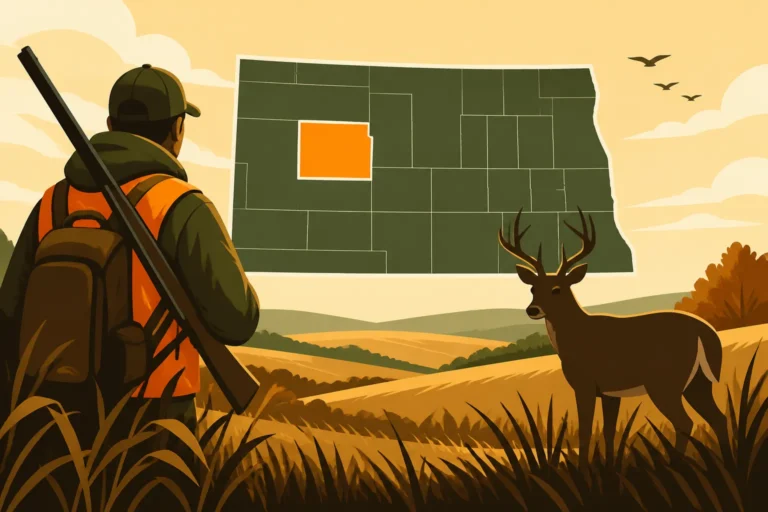
Stark County is where Dickinson itself is located, and Dunn County lies just to its north. These counties offer a fantastic blend of agricultural land, river bottom habitat (especially along the Heart and Little Missouri Rivers in Stark, and the Knife River in Dunn), and the eastern fringes of the Badlands. This diverse habitat translates into excellent hunting for whitetail deer, which are numerous in the wooded draws, shelterbelts, and river bottoms. Pheasants and waterfowl are also abundant, particularly in areas with good cover and water.
Access in Dunn and Stark Counties is often a blend of PLOTS tracts, smaller WMAs, and state school lands, but private agricultural land plays a much more significant role. This means that success here often hinges on diligent scouting of PLOTS maps and, crucially, gaining private land permission. Focus on areas where public land abuts private fields, creating natural travel corridors for deer and excellent feeding grounds for birds. River bottoms, even narrow ones, can hold impressive numbers of whitetails. Dunn County Public Land for Deer will likely include a patchwork of PLOTS and smaller public parcels. For pheasant hunting, concentrating your efforts on PLOTS tracts with good cattail sloughs, shelterbelts, and dense grass will often yield results. Always pay attention to crop rotations; a standing corn field might be a magnet for late-season geese and deer.
| Access Type | Typical Game Near Dickinson | Key Advantages | Key Challenges |
|---|---|---|---|
| PLOTS Land | Pheasant, Whitetail Deer, Waterfowl | Access to prime private land habitat, well-signed | Acreage can change, some tracts see high pressure |
| National Grasslands | Mule Deer, Elk, Pronghorn, Whitetail | Vast, remote opportunities, true wilderness feel | Extremely rugged, limited services, often requires long hikes |
| WMAs / State Land | Whitetail Deer, Pheasant, Waterfowl | Managed for wildlife, often good habitat | Smaller parcels, specific rules, can be pressured |
| Private (Permission) | Whitetail Deer, Pheasant, Waterfowl | Less pressure, potential for quality game | Requires effort to obtain permission, landowner relations |
Disclaimer
This article is for general informational purposes only and does not constitute professional advice. Laws, prices and regulations vary by location and change over time. Consult a qualified professional for guidance on your specific situation.