Golden Valley County Public Hunting Ground
Finding reliable public hunting land, especially in a specific corner of North Dakota like Golden Valley County, can feel like trying to find a needle in a haystack for many hunters. The vastness of the prairie, combined with checkerboard land ownership, often leaves folks scratching their heads about where they can legally and effectively pursue game. This guide is here to cut through that confusion, offering practical advice and insights into maximizing your hunting opportunities on public grounds within Golden Valley County.
Understanding Golden Valley County's Public Access Landscape
Golden Valley County, nestled in western North Dakota, offers a unique blend of rugged Badlands terrain and open prairie. For a hunter, this means diverse habitats and the potential for a variety of game, but also a challenge in knowing where public access truly lies. It's not like hunting vast national forests out west; here, public land often comes in smaller, more fragmented parcels, demanding a keen eye and strategic planning.
The Reality of Hunting Public Land in Western North Dakota
Let's be real, public land hunting in western North Dakota isn't always easy. You're not going to find endless stretches of timber like in some other states. Instead, you'll encounter a mosaic of privately owned agricultural land, interspersed with pockets of public access. This can be frustrating when you're driving down a gravel road, seeing great habitat, but not knowing if you can legally hunt it. The key here is understanding the types of public land available and how to identify them. We're talking about chunks of the Little Missouri National Grassland, numerous PLOTS (Private Land Open To Sportsmen) tracts, some State School Lands, and occasionally a small Wildlife Management Area (WMA). Each type comes with its own nuances and rules, so don't assume they're all the same. The notion that all public land is heavily pressured isn't always true here; many hunters stick to the most obvious access points, leaving quieter, more remote corners for those willing to do their homework and walk a little further.
Navigating the Little Missouri National Grassland in Golden Valley
One of the biggest draws for public land hunters in Golden Valley County is undoubtedly the Little Missouri National Grassland. This massive expanse isn't just a pretty backdrop; it's a living, breathing ecosystem that offers incredible hunting opportunities. When you venture into this area, expect rugged, broken country characterized by dramatic badlands formations, deep coulees, and windswept buttes. You'll find scattered pockets of juniper and Ponderosa pine, particularly in the draws, which provide crucial cover and bedding areas for game. The sheer scale of the Grassland can be intimidating, but it also means there's plenty of room to roam and find solitude.
You'll find species like mule deer traversing the rimrock and coulees, whitetail deer sticking to the creek bottoms and more vegetated draws, and even pronghorn grazing on the more open plateaus. If you're lucky enough to draw a coveted elk tag for a unit that includes parts of Golden Valley, this is where you'd be looking. The vastness demands a well-thought-out approach, good physical conditioning, and reliable navigation tools. It's easy to get turned around in the labyrinthine landscape of the Badlands, so preparation is paramount. For a deeper dive into hunting this incredible area, check out Hunting North Dakota's Little Missouri National Grassland.
Essential Tools and Tactics for Golden Valley Public Land
Hunting effectively in Golden Valley County's public areas isn't just about showing up; it's about being prepared, both with your gear and your knowledge. The terrain and land ownership patterns here demand a more strategic approach than in many other hunting locales.
Leveraging Digital Mapping for Success
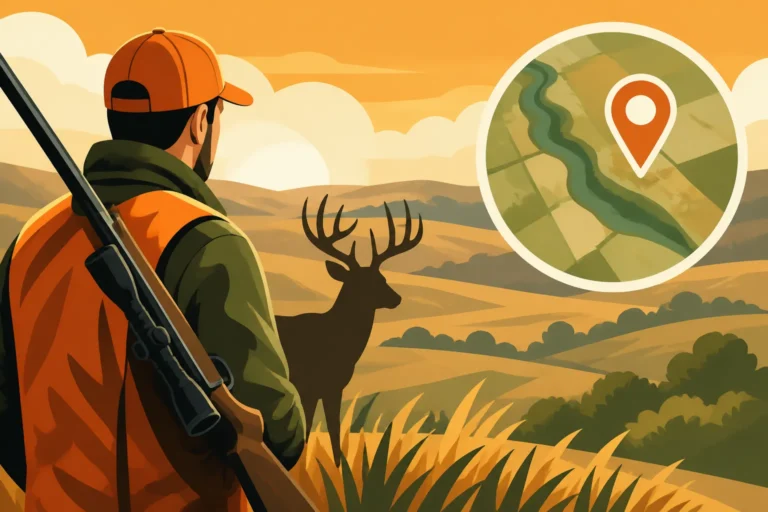
In today's hunting world, digital mapping applications are no longer just a luxury; they're an absolute necessity, especially when you're trying to dissect the checkerboard ownership found in Golden Valley County. Tools like onX Hunt are truly game-changers here. With onX Hunt on your phone, you can instantly see property boundaries, distinguishing between private, federal (like National Grassland), State School Trust, and PLOTS land. This saves countless hours of knocking on doors or, worse, inadvertently trespassing.
Before you even leave home, you can "desktop scout" for hours. Zoom in on areas of the Little Missouri National Grassland to identify key features like deep coulees, draws with thicker cover, isolated water sources, and potential bedding areas on north-facing slopes. You can drop pins, measure distances, and plan your approach routes, considering wind direction and sun angle. This pre-scouting is vital in such vast and rugged country. While GoHunt is often used by hunters looking at draw odds and specific unit strategies, especially for limited tags like elk or pronghorn, onX Hunt provides the immediate, on-the-ground mapping intelligence you need to navigate these public lands confidently. You'll use it to confirm you're on public ground, locate those hard-to-reach pockets, and even track your progress while you're out there. To improve your pre-season scouting, consider Reading Aerial Photos for Badlands Deer.
Scouting and Adaptability on the Ground
No amount of digital scouting can completely replace boots on the ground. Once you've identified potential public hunting areas in Golden Valley County using your mapping apps, it's time to hit the field. Preseason scouting allows you to confirm what you saw on the map, find fresh game sign like tracks, rubs, and scat, and understand how animals are actually using the landscape. Look for natural funnels, pinch points, and preferred crossings. Pay close attention to water sources, especially in dry years, as they often concentrate game.
The Badlands terrain, in particular, requires a certain level of physical fitness and adaptability. You'll be doing a lot of hiking up and down steep grades, often through thick brush or across loose shale. Being in shape, as discussed in Physical Prep for Badlands Elk Terrain, will make a huge difference in your ability to cover ground and stay in the hunt longer. Weather can also change rapidly in North Dakota, so being adaptable to conditions like sudden snow, high winds, or unexpected warm spells is crucial. What worked yesterday might not work today, so be ready to adjust your tactics. Understanding things like Wind and Thermals in Badlands Terrain becomes critical for still-hunting or stalking effectively.
Specific Public Land Opportunities in Golden Valley County
Beyond the sweeping vistas of the National Grassland, Golden Valley County offers other public hunting avenues that are equally valuable, especially for resident hunters or those targeting specific species. Knowing these options can broaden your horizons and increase your success.
Identifying and Utilizing PLOTS Tracts
The PLOTS (Private Land Open To Sportsmen) program is a cornerstone of public access in North Dakota, and Golden Valley County benefits from it significantly. These are privately owned lands where the landowner has signed an agreement with the North Dakota Game and Fish Department (NDGFD) to allow public hunting access. PLOTS tracts can vary wildly in size and habitat, from native prairie grasslands to cultivated field edges, restored wetlands, or shelterbelts. They often provide excellent habitat for upland birds like pheasants and sharptail grouse, as well as deer.
The beauty of PLOTS is that it expands your options beyond the federal lands. However, you need to be diligent in identifying them. The NDGFD publishes an annual PLOTS guide booklet, and more importantly, they offer the ND Hunt App, which allows you to view PLOTS maps directly on your phone. This is invaluable, letting you see exactly where the boundaries are and what types of habitat are available. Scouting PLOTS Land With the ND Hunt App can walk you through the process. Always respect the boundaries and any specific rules posted on PLOTS signs, as these agreements are vital to maintaining access. These tracts can be fantastic places to find game, especially if you're willing to walk a bit further than others, as many hunters stick to the perimeter.
State School Lands and Other Niche Access
In addition to the National Grassland and PLOTS, North Dakota also has a substantial amount of State School Land. These lands, often marked by specific yellow signs (though not always), are generally open to public hunting unless otherwise posted. They exist as scattered sections, typically one section per township, across the state. In Golden Valley County, you'll find these interspersed with private and federal holdings. While they might not be as vast as the National Grassland, they can offer valuable access, especially when strategically located adjacent to other public lands or prime private habitats.
Sometimes, you'll find smaller, less-advertised public areas like Bureau of Land Management (BLM) tracts or specific easements. These are truly the "hidden gems" that require detailed map study. These smaller parcels might not hold entire herds, but they can serve as critical travel corridors or isolated bedding areas, especially during hunting pressure. Always double-check the land status using your mapping app to ensure you're on legal hunting ground. While not directly in Golden Valley County, understanding how to utilize various state-managed lands can be beneficial, for example, Hunting a Waterfowl Production Area for Deer highlights how state-managed lands can offer surprising opportunities.
Game Species and Hunting Considerations
Golden Valley County offers a diverse range of hunting opportunities, primarily driven by its unique blend of Badlands and prairie ecosystems. Understanding the primary game species and tailoring your approach to their habitat and behavior is key to a successful hunt.
Target Species and Their Habitats
The varied landscape of Golden Valley County supports a healthy population of several highly sought-after game animals.
-
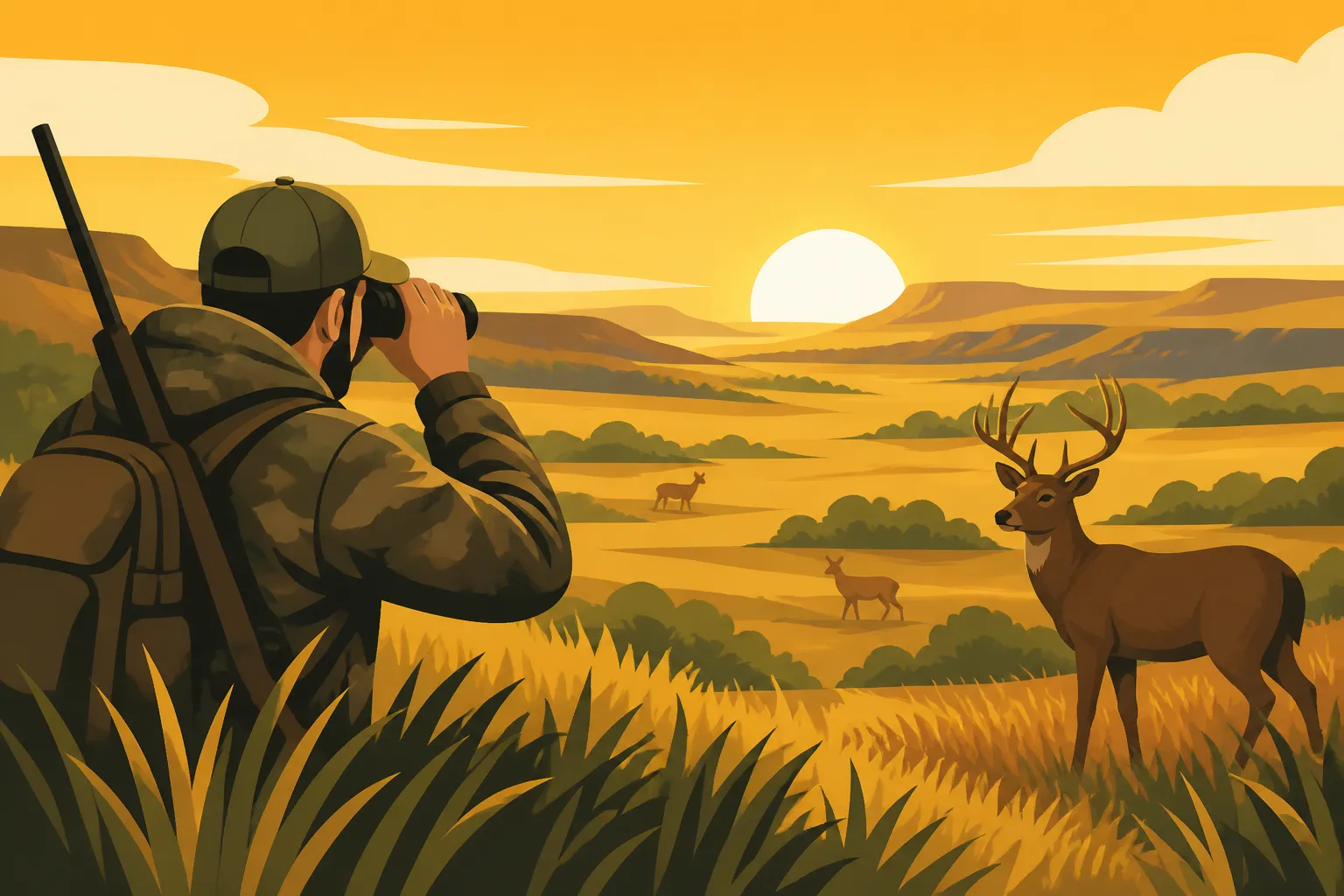
Mule Deer: Without a doubt, the mule deer is an iconic species of the Badlands. These big-eared deer thrive in the rugged, broken terrain of the Little Missouri National Grassland. Look for them concentrated in the deep coulees, along the rimrock ledges, and on the more open, grassy plateaus that break up the badlands formations. They often bed on south-facing slopes in winter to catch the sun, and seek shade and cover in dense juniper patches during warmer weather. For more detailed information on their habitat and behavior, consult Mule Deer in North Dakota's Badlands. Successfully hunting them often involves a lot of glassing and careful stalking through the intricate draws. Understanding how to approach these areas, as covered in Hunting a Badlands Draw for Mule Deer, is crucial.
-
White-Tailed Deer: While mule deer dominate the Badlands imagery, healthy populations of white-tailed deer are also prevalent in Golden Valley County. You'll typically find them in the more vegetated creek bottoms, larger drainages, river breaks, and any areas with denser woody cover, including shelterbelts and riparian zones often bordering private agricultural land. They are more likely to be found in the less rugged, gentler portions of the county, often where the Badlands transition to more typical prairie and farmland. These deer can be a bit more elusive, using thick cover to their advantage. To learn more about their distribution across the state, read White-Tailed Deer Across North Dakota.
-
Pronghorn: For those fortunate enough to draw a tag, pronghorn offer an exhilarating hunt on the open grasslands and expansive plateaus of Golden Valley County. These incredibly fast animals rely on their keen eyesight and speed to evade predators. Spot-and-stalk is the name of the game here, requiring long-distance glassing and careful, patient approaches. They prefer open country where they can see for miles, feeding on forbs and grasses. While they may seem to vanish into thin air, with good optics and persistence, you can get close. Getting a detailed understanding of the species can be found in Pronghorn Antelope in Western North Dakota, and practical tips for locating them in Spotting Pronghorn From a Section Road.
-
Upland Birds: Golden Valley County also provides opportunities for upland bird hunters. Sharptail grouse are found in the native prairie grasslands, especially where there's a mix of taller grasses and brush. Hungarian partridge, often called Huns, frequent the edges of agricultural fields and grassy cover, especially near shelterbelts. While not as abundant as in some other regions of the state, these birds can offer a fun challenge for those willing to walk.
Respecting the Land and Other Users
Hunting in Golden Valley County, particularly on public land, comes with a responsibility to respect the environment, wildlife, and fellow outdoor enthusiasts. Always practice ethical hunting principles, ensuring clean shots and quick recoveries. Leave no trace behind; pack out everything you pack in, and perhaps even a little more. Fire safety is paramount in the dry prairie and badlands environments, especially during drought conditions. Carry water, know fire restrictions, and be extremely careful with any open flames or hot vehicle components.
You'll likely encounter other hunters, especially during peak seasons. A friendly wave and mutual respect go a long way. Be mindful of others' space, and if you arrive at a spot that's already occupied, move on. Furthermore, staying informed about current regulations, including CWD (Chronic Wasting Disease) rules and mandatory testing requirements in certain units, is vital. While CWD is a concern across many areas, understanding North Dakota's Expanding CWD Hunting Units will help you comply with local mandates and do your part to manage this disease. Knowing where the boundaries are, respecting private property, and understanding the nuances of public land access are all part of being a responsible hunter in Golden Valley County.
| Public Land Type | Key Characteristics | Primary Game Species | Access Considerations |
|---|---|---|---|
| Little Missouri National Grassland | Vast, rugged Badlands terrain, coulees, draws, scattered timber | Mule Deer, White-tailed Deer, Pronghorn, Elk (draw tag) | Requires extensive hiking, good navigation, dispersed camping |
| PLOTS (Private Land Open To Sportsmen) | Varying habitats (grass, cropland edges, riparian), privately owned | Deer, Pheasant, Sharptail Grouse, Hungarian Partridge | Marked with specific signs, respect posted rules, check maps |
| State School Lands | Scattered 1-square-mile sections, often open prairie | Deer, Upland Birds, some Waterfowl (if wetland present) | Generally open unless posted, use mapping apps to locate |
| Wildlife Management Areas (WMAs) | State-managed, focus on habitat for specific species | Deer, Waterfowl, Upland Birds (varies by WMA) | Specific regulations may apply, less common in Golden Valley |
Disclaimer
This article is for general informational purposes only and does not constitute professional advice. Laws, prices and regulations vary by location and change over time. Consult a qualified professional for guidance on your specific situation.