Asking a North Dakota Farmer for Permission
Ah, the age-old hunter's dilemma: you've spent countless hours scouting public land, walking miles of PLOTS Land, only to find boot tracks everywhere you turn. There’s a certain frustration that comes with knowing quality game often resides where the general public doesn't tread – on private land. But how do you even begin to ask a North Dakota farmer, someone you've never met, for access to their property? It feels daunting, like you're imposing, or that you'll be instantly rejected. This guide is all about giving you the confidence and the practical steps to approach North Dakota landowners respectfully and increase your chances of securing that coveted private land hunting permission.
The Shifting Landscape of Private Land Access in North Dakota
Navigating the hunting landscape in North Dakota means understanding that a vast majority of the land is privately owned. While the state offers incredible public opportunities through programs like PLOTS and extensive tracts of national grasslands, the truth is, some of the most consistent and least pressured hunting grounds are behind a private fence line.
Why Private Land is Such a Hot Commodity
Let's be real: hunting pressure on public land, especially for popular species like deer and pheasant, can be intense. You scout a perfect shelterbelt on a WMA, only to pull up opening morning and see three other trucks. Or you finally find a good pheasant block, and by mid-morning, it's been walked over a dozen times. Private land, by its very nature, offers a refuge from this constant competition. Game animals, particularly mature deer, often learn to avoid areas with heavy human activity, retreating to the quiet sanctuaries found on farms and ranches.
Furthermore, private lands often boast superior habitat. Farmers and ranchers, through their agricultural practices, inadvertently create prime feeding and bedding areas. Think about vast cornfields offering late-season forage and cover, or thick CRP fields adjacent to a river bottom. These aren't always available on public land in the same quantity or quality. Gaining access to such parcels can truly transform your hunting experience, allowing you to focus on strategy rather than avoiding other hunters. It’s about more than just bagging an animal; it’s about the peace and solitude of the hunt, knowing you're in a less disturbed environment.
Understanding the North Dakota Landowner Perspective
Before you even think about pulling into a driveway, it's crucial to put yourself in the shoes of the North Dakota farmer or rancher. These folks work incredibly hard, often from sunup to sundown, to manage their land, raise crops, and care for livestock. Their property isn't just a place; it's their livelihood, their home, and often, their legacy. They face a myriad of challenges, from unpredictable weather to fluctuating markets.
When a hunter shows up, unannounced, at their doorstep, several concerns might immediately cross their mind. Liability is a big one – what if someone gets hurt on their property? Property damage is another – will gates be left open, fences cut, or crops driven over? There's also the fundamental issue of respect. Many landowners have dealt with hunters who've abused privileges, left trash, or simply acted entitled. These negative experiences can sour them on all future requests. Finally, with increasing awareness around issues like North Dakota's Expanding CWD Hunting Units, landowners might also be concerned about how hunting activity impacts the health of local game populations on their land. Approaching them with empathy and an understanding of their daily realities will go a long way in establishing a positive first impression. They're not just gatekeepers; they're stewards of the land.
Legalities of Trespassing and Permission
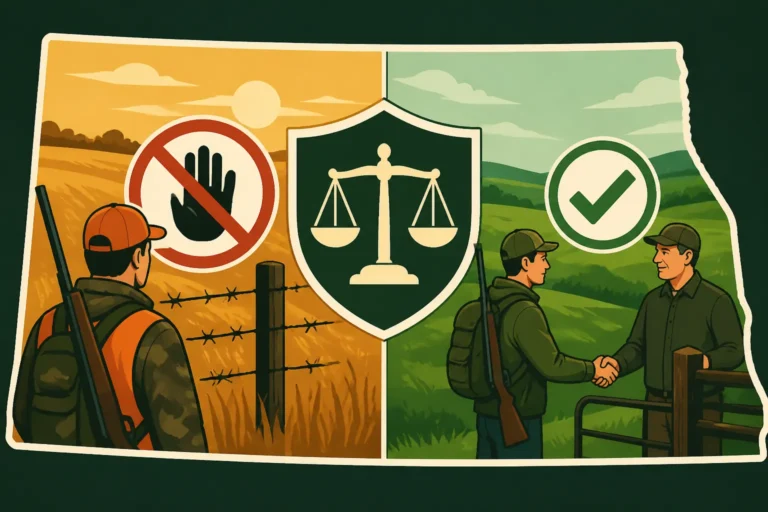
This is perhaps the most critical point to understand: in North Dakota, you absolutely must have permission to hunt on private land. This isn't just a courtesy; it's the law. North Dakota Trespass and Permission Law is quite clear on this. Even if a property isn't explicitly "posted" with no trespassing signs, you still cannot legally enter it for hunting without prior consent from the landowner or their agent. Many hunters mistakenly believe that if there are no signs, it's fair game. This is a dangerous assumption and can lead to serious legal trouble, not to mention burning a bridge with a local landowner forever.
"Posted" land simply means the landowner has taken steps to visibly mark their property boundaries as off-limits without permission. But the absence of those signs does not imply permission. Always, always, always assume private land is off-limits until you have spoken directly with the owner and received explicit permission. This often means driving up to the farmhouse, introducing yourself, and having a face-to-face conversation. Attempting to hunt without permission isn't just unethical; it's illegal and gives all hunters a bad name, making it even harder for others to gain access. When you're thinking about Hunting Small Private Tracts in North Dakota, this becomes even more paramount.
Preparing for the Ask: Doing Your Homework
You wouldn't show up for a job interview without a resume, right? The same principle applies to asking a North Dakota farmer for hunting permission. Preparation is key to making a good impression and showing that you're a responsible, thoughtful individual.
Pre-Scouting and Identifying Key Properties
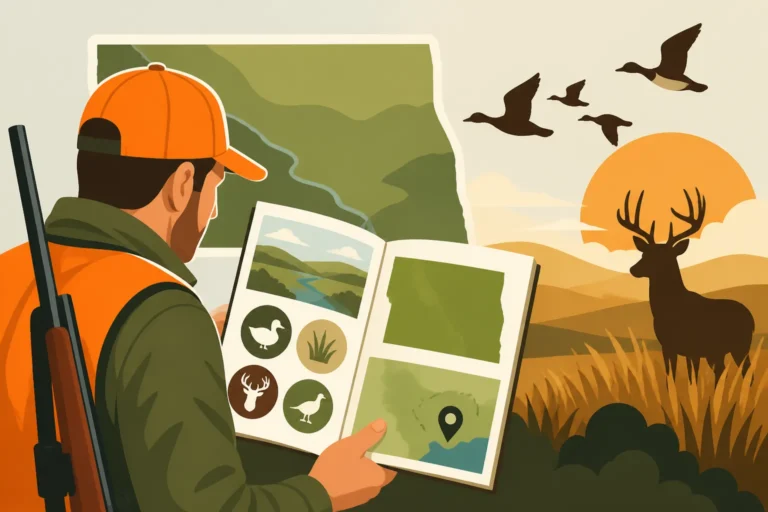
Before you even think about knocking on a door, you need to identify which doors are worth knocking on. This is where modern technology becomes your best friend. Tools like onX Hunt or GoHunt are invaluable for this process. These apps allow you to overlay property boundaries with satellite imagery, revealing landowner names and parcel information. You can zoom in and identify key habitat features from your couch.
Think about what you're hunting:
- Deer: Are there dense shelterbelts offering thermal cover? Hunting a Shelterbelt Edge for Deer is a classic North Dakota tactic. Do you see standing corn or bean fields that might hold late-season whitetails? What about creek bottoms or draws connecting larger blocks of cover? Reading a Missouri River Bottom for Deer on aerial photos can reveal travel corridors.
- Pheasant: Look for CRP (Conservation Reserve Program) fields, dense grass cover, standing cattails, or areas where Hunting a Standing Corn Field After a Snow might concentrate birds.
- Waterfowl: Are there unpressured sloughs, dugouts, or field edges that geese or ducks might be using? You might consider Setting Decoys on a Prairie Dugout Pond.
Once you've identified a few promising properties, jot down the landowner's name and the specific areas you're interested in. Knowing this information beforehand shows initiative and respect for their time. It also helps you articulate exactly what you're asking for, rather than just vaguely asking "to hunt." While you're scouting, keep an eye out for potential access points or areas of concern like sensitive livestock pastures. This kind of diligent research is what separates the prepared hunter from someone just looking for a handout.
Timing and Approach: When and How to Knock
Timing your approach can be just as important as what you say. Farmers and ranchers have incredibly demanding schedules, and showing up at the wrong time can lead to an automatic "no," regardless of your politeness.
Avoid peak busy times:
- Planting Season: Spring (April/May) is often frantic.
- Harvest Season: Fall (September/October) is critical, and they'll be working long hours.
- Early Mornings/Late Evenings: They're likely just waking up or winding down after a long day.
- Meal Times: Nobody appreciates an interruption during supper.
Generally, mid-morning to mid-afternoon on a weekday, or maybe a Saturday afternoon, tends to be best. They might be taking a short break or finishing up a less urgent task.
When you approach:
- Cleanliness Matters: Pull up in a clean vehicle. Don't drive across their lawn or block their driveway.
- Dress Respectfully: You don't need to be in a suit, but don't show up in muddy hunting clothes covered in burrs, looking like you just crawled out of a slough. Present yourself neatly and respectfully.
- Be Patient: If no one answers the door, don't just wander around the property. Leave a note with your name and number if you feel comfortable, or simply try again another time.
- Consider a Small Token (Optional): While not mandatory, some hunters find success bringing a small, thoughtful gift. This isn't about buying access, but about building goodwill. Things like a fruit basket, a gift certificate to a local cafe, or even a homemade pie can be a nice gesture, especially if you're trying to build a long-term relationship. It just shows you're thinking of them. However, if it feels disingenuous or forced, skip it. Authenticity is always best.
Crafting Your Pitch: What to Say
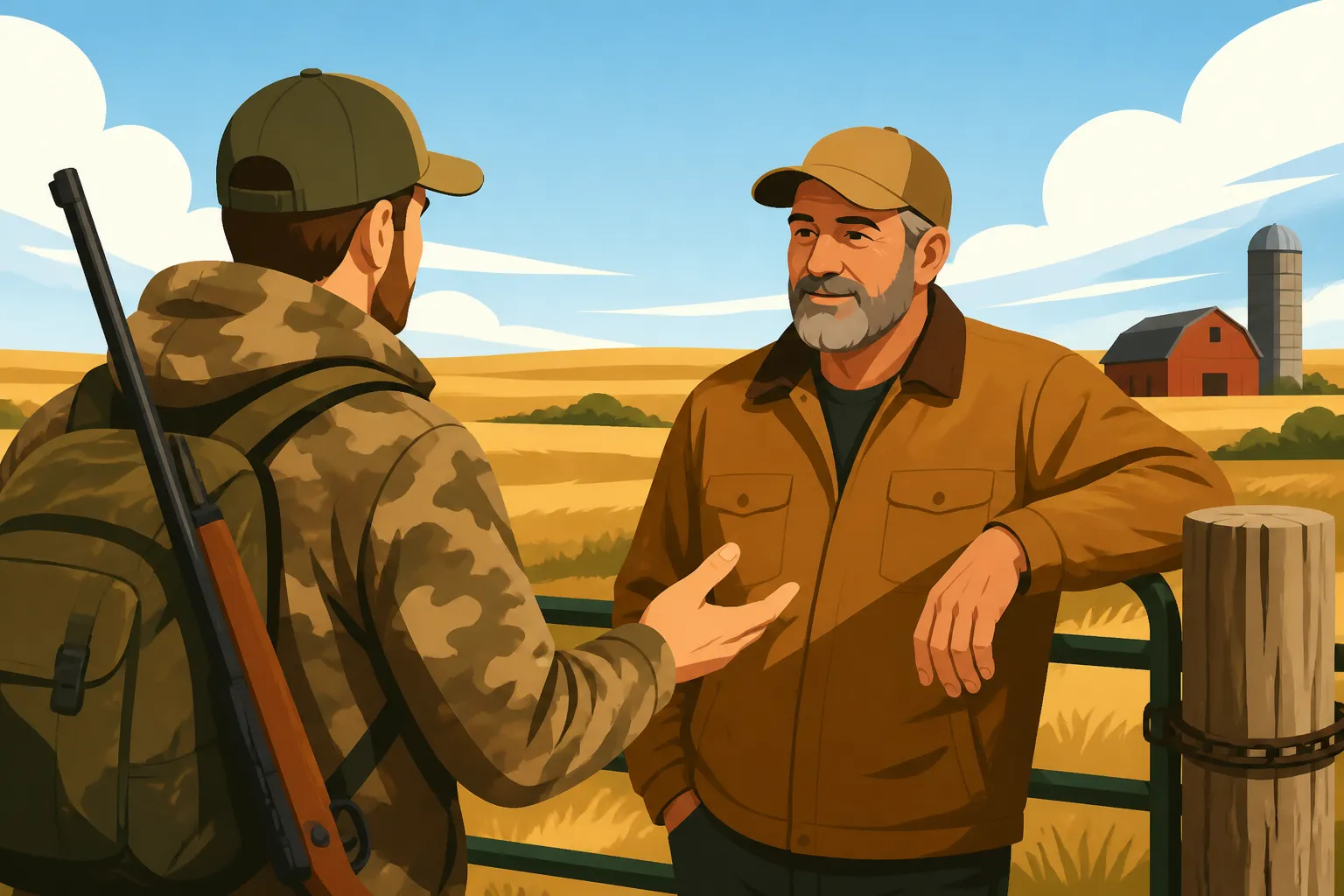
When the farmer answers the door, take a deep breath, offer a friendly smile, and be direct, honest, and respectful.
Here's a template for your conversation:
- Introduce Yourself: "Hello, my name is [Your Name], and I'm a hunter from [Your Town/City]."
- State Your Purpose Clearly: "I was driving by and noticed your beautiful property at [mention specific feature, like 'the shelterbelt along the north edge' or 'the cornfield next to County Road 7'], and I was wondering if you ever allow hunting for [specific species, e.g., 'pheasant' or 'whitetail deer'] on your land."
- Be Specific About Your Intent: "I'm primarily interested in [archery/gun] hunting, and I hunt very [quietly/responsibly/with my dog]. I'm not looking to bring a big group; it would just be myself, or perhaps myself and one hunting partner."
- Address Their Concerns Proactively: "I'm always very careful about closing gates, staying away from livestock, and not driving off established trails. I'm also happy to share any game I harvest, or even lend a hand with any chores you might have around the farm if I happen to be in the area." This last part about offering to help with chores can be a huge differentiator. Many landowners would appreciate an extra pair of hands, even for an hour or two.
- Be Prepared for "No": The most important part of the pitch is to be gracious if they say no. "I completely understand. Thank you so much for your time anyway, and I hope you have a great day." Don't argue, don't plead, and certainly don't act disappointed or angry.
An example might be: "Mr. Johnson, I was looking at your land on onX Hunt and saw that fantastic cattail slough bordering your back forty. I'm hoping to chase a few pheasants this fall, and I was wondering if you might consider letting me walk that area." Being specific shows you've done your homework and respect their property. Remember, you're asking for a privilege, not asserting a right.
Building and Maintaining a Positive Relationship
Getting permission is just the first step. The real art lies in maintaining that relationship, ensuring you're welcomed back year after year. Think of it as cultivating a friendship rather than a transactional agreement.
Respecting the Farmer's Property and Rules
Once you have permission, adhering to their wishes is paramount. This isn't just about common courtesy; it's about solidifying trust.
- Understand Boundaries: Be absolutely clear about the specific areas you are allowed to hunt and any areas that are off-limits (e.g., near the house, certain pastures, specific fields). Double-check with onX Hunt or GoHunt maps if needed to ensure you're on the right parcel.
- Follow Their Rules Explicitly: If they say "no ATVs," don't bring one. If they say "only hunt after harvest," respect that. If they ask you to call before you come, always call. Do not assume anything.
- Leave No Trace: Pack out everything you pack in. This includes spent shell casings, empty water bottles, and any other trash.
- Gates and Fences: Always close gates behind you, even if you found them open. This is critical for preventing livestock from escaping. If you notice a damaged fence or anything else out of place, report it to the landowner immediately.
- Vehicle Traffic: Stick to established trails and roads. Do not drive through fields or wet areas unless explicitly told it's okay. When you're retrieving a deer, ensure you know the rules about bringing your vehicle onto the field.
- Carcass Disposal: If you field dress an animal on their property, ensure you know where they prefer you dispose of the offal. Ideally, take it with you or bury it well away from any active areas or water sources. Proper handling is important, especially if you're in a North Dakota's Fourteen-Unit CWD Zone. When you’re considering Field Dressing a Deer in Cold Weather, remember to plan for how you’ll manage the remains responsibly.
Going above and beyond means you're not just a hunter; you're a responsible visitor.
Showing Gratitude and Follow-Up
The hunt itself might be over, but your interaction with the landowner shouldn't be. A simple "thank you" goes a long way.
- Post-Hunt Check-in: Even if you didn't harvest anything, stop by or call to thank them for the opportunity. Let them know if you saw anything interesting or if you noticed any issues on their property.
- Share the Harvest: Offering a cut of venison, pheasant breasts, or waterfowl is a fantastic gesture of appreciation. For many farmers, wild game is a welcome addition to the freezer. This is an excellent way to bridge the gap between hunting and their agricultural life.
- Handwritten Thank You: A handwritten card after the season is a personal touch that truly stands out. Reiterate your appreciation and perhaps mention something specific you enjoyed about hunting their land.
- Offer Continued Help: Follow up on any offers you made to help with chores. Even if they don't take you up on it, the offer itself shows your sincerity. Maybe offer to clear some brush, fix a fence, or assist during a branding.
These small acts of kindness and consideration cement your reputation as a respectful, trustworthy individual. It's how one-time permissions turn into multi-year friendships and guaranteed hunting access. When you're thinking about North Dakota Deer Camp Traditions, consider how fostering these landowner relationships can become part of your personal tradition.
Dealing with a "No" Graciously
Let's face it: you're going to hear "no" sometimes. Many landowners have already given permission to family or friends, or they simply aren't comfortable with hunters on their property for various reasons. This is perfectly within their right, and it's essential to accept it gracefully.
- Don't Take it Personally: A "no" is rarely about you as an individual. It's often about their past experiences, their family's policies, or general concerns.
- Thank Them Anyway: "I understand completely. Thank you so much for your time, and I really appreciate you even considering it." A polite departure leaves a positive impression, even without permission. You never know when circumstances might change.
- Leave the Door Open (Subtly): You can say something like, "If you ever change your mind, or if there's ever a situation where you need someone to help control a nuisance animal, please feel free to give me a call." Offer a card with your contact information, but don't push it.
- Move On: Don't linger, argue, or try to convince them. Respect their decision and continue your search. There are other opportunities out there, and you'll find them. Remember that even if this particular door closes, your polite and respectful demeanor might be noticed by a neighbor or another farmer down the road.
Building these relationships takes time and effort, but the rewards—access to prime hunting grounds, unique experiences, and often, genuine friendships—are immeasurable.
Here's a quick comparison of what it takes to access public versus private land:
| Feature | Public Land (e.g., PLOTS, WMAs) | Private Land (with permission) |
|---|---|---|
| Access Method | Check maps/apps, walk-in, follow posted rules | Direct contact with landowner, verbal/written consent |
| Competition | Often high, especially on popular parcels | Generally low, exclusive access |
| Effort to Gain Access | Research maps, drive/walk to location | Research ownership, personal approach, relationship-building |
| Rules & Restrictions | State/federal regulations, specific area rules | Landowner's specific rules, in addition to state regs |
| Required Tools | ND Hunt App, maps (digital/paper) | onX Hunt/GoHunt, respectful demeanor, communication skills |
| Potential Rewards | Good hunting, challenging, independent | Less pressure, prime habitat, potential friendships |
Ultimately, securing private land hunting permission in North Dakota is about more than just asking. It's about demonstrating respect, responsibility, and an understanding of the landowner's perspective. It's about being prepared, articulate, and trustworthy. By following these steps, you'll not only increase your chances of finding that special hunting spot but also uphold the positive image of hunters in the state, ensuring future generations can enjoy the same opportunities. You're not just a hunter; you're a land user, and how you act reflects on all of us.
Disclaimer
This article is for general informational purposes only and does not constitute professional advice. Laws, prices and regulations vary by location and change over time. Consult a qualified professional for guidance on your specific situation.