Williams County Public Hunting Access
Finding quality public hunting access in North Dakota, especially in counties like Williams where agricultural landscapes often dominate, can feel like navigating a complex maze for many hunters. It’s a common frustration to see promising areas only to discover they are privately owned or have restricted access. This guide aims to demystify public hunting opportunities specifically within Williams County, providing you with practical insights and strategies to confidently locate and utilize available land for your next hunt.
Understanding the Lay of the Land: Public Access Types in Williams County
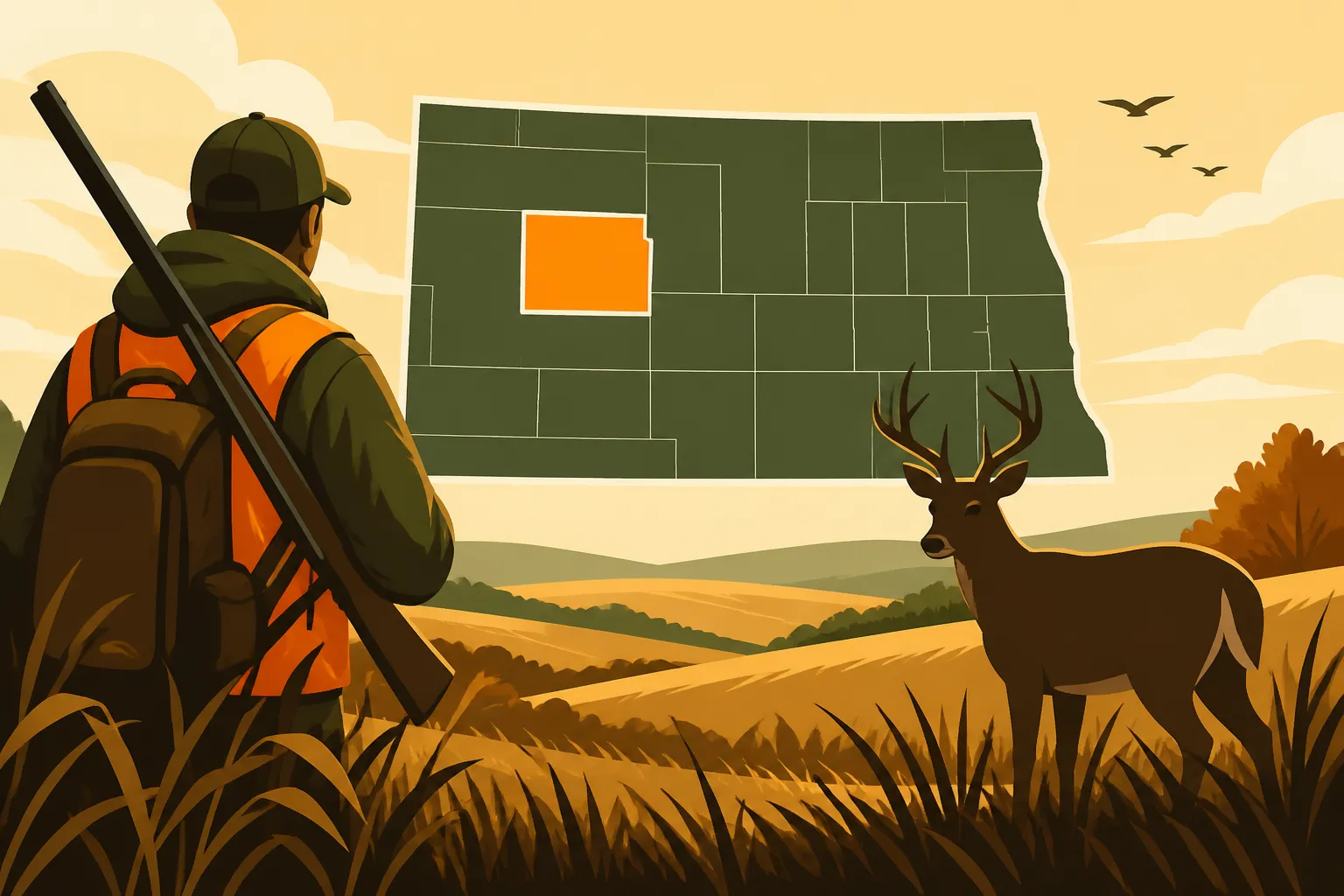
Williams County, located in the northwestern part of North Dakota, offers a variety of public land types, each with its own nuances and rules. It's not always as straightforward as a national forest with clear boundaries. Instead, you’ll find a patchwork of programs and designations designed to provide hunting access, often intertwined with private agricultural operations. Knowing the differences between these types of land is crucial for a successful and legal hunt.
PLOTS: North Dakota's Premier Public Access Program
The Private Land Open To Sportsmen (PLOTS) program is often the most accessible and widespread option for public hunting in Williams County, and indeed, across much of North Dakota. This innovative program pays private landowners to allow public hunting access on their property. The beauty of PLOTS is that it leverages private land, which makes up the vast majority of the state, for public benefit. However, the temporary nature of these agreements means that PLOTS tracts can change year to year, which is both a blessing and a curse. You might find a fantastic new parcel one season, only for it to be removed the next.
Hunters should always check the most current PLOTS guide, whether it's the physical booklet or the digital version available through the state's hunt app. These resources are indispensable for identifying available land, understanding specific rules for each tract (some might be walk-in only, others allow vehicles on designated trails), and getting an overview of the habitat. Many landowners enroll marginal land, shelterbelts, wetlands, or tracts of native prairie into the program, providing excellent habitat for deer, pheasants, and waterfowl. Understanding How PLOTS Access Works is fundamental to planning any hunt in the area.
Wildlife Management Areas: Dedicated Habitat for Game
Williams County is also home to several Wildlife Management Areas (WMAs), which are parcels of land owned and managed directly by the North Dakota Game and Fish Department. These areas are specifically designed to provide and enhance habitat for various wildlife species, making them prime locations for hunting. Unlike PLOTS, WMAs are permanent public lands, meaning their boundaries and general access rules are consistent from year to year, offering a reliable option for hunters.
WMAs often feature diverse habitats, from marshy wetlands ideal for duck and goose hunting to upland fields and wooded draws that hold deer, pheasants, and sharptail grouse. Because these areas are actively managed for wildlife, they often have higher game densities than surrounding landscapes. However, with higher densities sometimes comes higher hunting pressure, especially on opening weekends. It's smart to explore these areas thoroughly, venturing beyond easy access points to find less disturbed pockets. You can learn more about North Dakota Wildlife Management Areas in general to understand their overall purpose and management strategies.
State School Lands: A Less Obvious Public Opportunity
Another category of public land that many hunters overlook, or are simply unaware of, is State School Lands. These are parcels of land granted to the state to generate revenue for schools, and they are typically leased for agriculture. However, by law, the public is generally allowed to access these lands for recreational purposes, including hunting, unless they are legally posted against such entry. The challenge with State School Lands is identifying them, as they are not always clearly marked in the same way PLOTS or WMAs are.
These lands are often scattered throughout the county, sometimes in small, isolated sections. This can be both a benefit and a drawback. While a small section of State School Land might not offer extensive hunting ground, it could provide a strategic access point or a hidden gem for game if it's tucked away next to good cover. It’s crucial to use detailed land ownership maps, such as those provided by mapping apps, to identify these parcels. Always double-check current regulations, as rules for State School Lands can sometimes differ from other public access types.
Navigating and Scouting Your Williams County Public Hunt
Once you understand the different types of public land available, the next step is effectively navigating and scouting these areas. This is where modern technology and a good dose of boots-on-the-ground effort truly pay off. Successfully hunting public land, especially in a county like Williams with its mixed landscape, often comes down to who puts in the most homework.
Leveraging Digital Mapping Tools
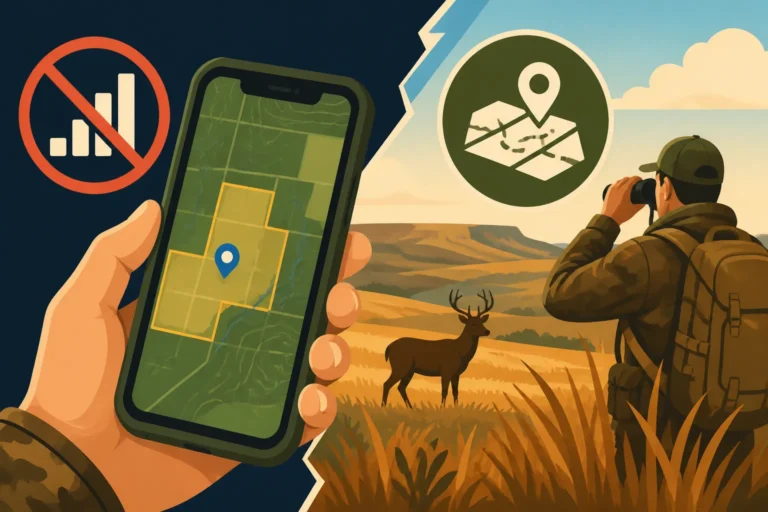
In today's hunting world, digital mapping applications are no longer a luxury; they are an absolute necessity for public land hunters. Tools like onX Hunt are game-changers for identifying public land boundaries, parcel ownership, and even topographical features. With these apps, you can layer land ownership information right onto your satellite imagery, immediately distinguishing between PLOTS, WMAs, State School Lands, and private property. This eliminates much of the guesswork and reduces the risk of accidental trespassing, which is critical in North Dakota.
Before you even leave your couch, you can utilize onX Hunt to virtually scout potential areas. Look for natural funnels, pinch points, dense cover adjacent to agricultural fields, and water sources. Save these waypoints and routes to your phone for offline use, as cell service can be spotty in some remote parts of Williams County. onX Layers for North Dakota Land Status goes into more detail about how these layers can aid your scouting efforts. For hunters who also use other platforms, remember that even if you're accustomed to planning trips with services like GoHunt for western states, it's essential to confirm your subscription covers North Dakota's specific mapping details.
Pre-Season Scouting and Ground Truthing
While digital maps are an incredible starting point, there’s no substitute for pre-season boots-on-the-ground scouting. Visiting your chosen public access areas before the season opens allows you to confirm what you saw on the map, identify fresh sign, and understand how animals are actually using the landscape. During scouting trips, pay attention to:
- Game Trails: Look for well-used paths, especially leading into or out of cover, and near water or food sources.
- Sign: Rubs, scrapes, droppings, and fresh tracks indicate current animal activity.
- Food Sources: Identify what crops are planted in adjacent private fields (corn, beans, wheat, sunflowers) or natural forage within the public land. Late-Season Food Sources for North Dakota Whitetails is a good read for understanding what deer are looking for when temperatures drop.
- Water Sources: Potholes, sloughs, creek bottoms, or dugouts are critical, especially during warmer parts of the season. Hunting a North Dakota Prairie Pothole Slough Edge can give you an idea of what to look for near water.
- Cover: Note thickets, shelterbelts, tall grass, cattails, or other areas where game might bed down or seek refuge from weather and pressure.
Even if you can't physically walk every acre, driving the perimeter roads and glassing with good binoculars can reveal a lot about potential holding areas for deer or concentrations of upland birds.
Hunting Opportunities and Species in Williams County Public Areas
Williams County, while often characterized by its oil activity and agricultural land, still holds significant hunting potential across its public access areas. The diverse habitats found within PLOTS, WMAs, and State School Lands support a variety of game species, offering something for almost every type of hunter.
Deer Hunting: Whitetails and the Occasional Muley
White-tailed deer are the most common deer species found throughout Williams County, thriving in the shelterbelts, river bottoms, and coulees that break up the prairie landscape. Public lands offering good cover, especially those adjacent to agricultural fields providing abundant food, can be prime spots. Look for tracts with mature trees, dense brush, or cattail sloughs where deer can bed undisturbed. White-Tailed Deer Across North Dakota provides a broader overview of their distribution.
While less common than in the Badlands proper, it’s not unheard of to encounter a mule deer, particularly in the more rugged, broken terrain closer to the Little Missouri River drainage if it extends into the western edge of the county, or in larger, remote tracts of public land. For deer hunting, strategies like still-hunting along shelterbelt edges or setting up ground blinds or treestands near travel corridors can be effective. Hunting a Shelterbelt Edge for Deer offers specific tactics for this common North Dakota habitat. Remember that North Dakota's Lottery-Based Deer Gun Season means drawing a tag is the first step for many deer hunters.
Upland Bird Hunting: Pheasants, Sharptails, and Huns
Williams County can offer excellent upland bird hunting, particularly for pheasants, sharptail grouse, and Hungarian partridge. PLOTS tracts and WMAs with a mix of dense grass, cattail sloughs, and grain fields are ideal pheasant habitat. For sharptails, focus on larger expanses of native prairie and mixed-grass habitats. Hungarian partridge often favor agricultural edges, shelterbelts, and areas with patchy cover near food sources.
Walking these public areas with a good bird dog is a classic and effective method. If hunting without a dog, systematically working cover, especially dense edges or large blocky fields, can flush birds. Remember that pheasant numbers can fluctuate year-to-year based on winter severity and spring nesting conditions, so checking recent population reports is always a good idea. Ring-Necked Pheasants in North Dakota and Sharptail Grouse Hunting Mixed Grass Prairie provide deeper insights into pursuing these popular game birds.
Waterfowl Hunting: Ducks and Geese on Prairie Potholes
Given its location within the Prairie Pothole Region, Williams County can be a phenomenal destination for waterfowl hunting. Numerous natural wetlands, stock ponds, and drainage sloughs dot the landscape, attracting migrating ducks and geese. Many WMAs and PLOTS tracts contain or border these critical water features.
Scouting is paramount for waterfowl. Identifying active feeding fields for geese or frequented loafing ponds for ducks before your hunt will significantly increase your success. Setting up decoys, whether on water or in cut grain fields, is a common and highly effective tactic. Be prepared for early morning setups and late evening retrieves, often in brisk North Dakota temperatures. Understanding Decoy Spreads for Prairie Pothole Mallards can help you refine your setup strategy. Keep in mind that North Dakota's Nine Resident-Priority Waterfowl Days mean nonresidents need to be aware of specific timing for public land access early in the season.
| Public Land Type | Common Game Species | Typical Habitat in Williams County | Access Considerations |
|---|---|---|---|
| PLOTS | Whitetail deer, Pheasant, Sharptail, Waterfowl, Hungarian Partridge | Crop field edges, shelterbelts, grassy fields, wetland fringes, wooded draws | Walk-in often, some allow vehicle on designated trails, check specific sign |
| WMAs | Whitetail deer, Pheasant, Sharptail, Waterfowl, Hungarian Partridge | Diverse (upland grass, dense cover, wetlands, food plots) | Permanent access, designated parking, often more developed for hunters |
| State School Land | Whitetail deer, Opportunistic small game | Scattered parcels, often leased for agriculture but can have unworked edges/draws | Requires detailed mapping to locate, check for "posted" status |
Important Regulations and Considerations for Public Land Hunting in Williams County
Hunting successfully and ethically on public land in Williams County requires more than just knowing where to go; it demands a thorough understanding of regulations and a commitment to responsible outdoor practices. These considerations ensure a safe hunt for you and preserve access for future generations.
Adhering to Blaze Orange Requirements
Safety is paramount, especially when hunting during any firearms season. North Dakota has specific requirements for wearing blaze orange (or blaze pink, which is also allowed) during certain hunting seasons. These rules are designed to increase hunter visibility and reduce the risk of accidents. For deer gun season, for instance, a visible amount of blaze orange is mandatory. While archery hunters might not always be required to wear it, it’s always a good idea to consider wearing some, especially when walking in and out of your hunting area, or if other seasons are open concurrently. Always consult the current hunting proclamation for precise North Dakota Blaze Orange Requirements for your specific hunt.
Respecting Boundaries and Posted Land
Even on public land, understanding and respecting property boundaries is critical. This means not only staying off private land that is clearly posted but also recognizing that public access itself might have specific limitations. For example, some PLOTS tracts are "walk-in only," meaning vehicle use is restricted. Using mapping apps like onX Hunt with boundary overlays is the best way to prevent accidental trespassing. If you're ever in doubt about a boundary, err on the side of caution and avoid the area. North Dakota's trespass laws are clear, and adhering to them is essential for maintaining good relationships with landowners and ensuring future public access. Familiarize yourself with North Dakota Trespass and Permission Law to understand your responsibilities.
CWD and Carcass Handling
Chronic Wasting Disease (CWD) is a persistent concern for deer herds in North Dakota, including units that encompass parts of Williams County. While specific units may have different regulations, it's vital for all deer hunters to be aware of CWD and its implications. This might include mandatory or voluntary CWD testing, special carcass transport rules, or restrictions on baiting. Proper carcass handling, including only bringing certain parts of the animal out of affected units, helps prevent the potential spread of the disease. Always check the North Dakota Game and Fish Department's current CWD information for the most up-to-date guidance, especially if you're hunting in or near any North Dakota's Expanding CWD Hunting Units.
Managing Hunting Pressure and Hunter Ethics
Public land, by its nature, attracts more hunters than private ground. This can lead to increased hunting pressure, particularly during peak seasons and on easily accessible tracts. To improve your chances of success and have a more enjoyable experience, consider:
- Hunting Mid-Week: If your schedule allows, hunting on weekdays often means fewer people in the woods or fields.
- Walking Further: Many hunters stop where the walking gets tough. Venturing deeper into public tracts, especially away from roads and parking areas, can yield less pressured game. Hunting Pressure on North Dakota Public Land delves into strategies for this.
- Early or Late Season: While the rut is exciting, hunting outside of peak pressure times can sometimes be more productive on public land.
- Leaving No Trace: Pack out everything you pack in, and perhaps even a little more. Leave the area cleaner than you found it. This respects the land and reinforces a positive image of hunters.
By combining detailed research with boots-on-the-ground scouting and adhering to all regulations and ethical practices, you can unlock fantastic public hunting opportunities in Williams County. It takes effort, but the rewards of a successful public land hunt in North Dakota are truly priceless.
Disclaimer
This article is for general informational purposes only and does not constitute professional advice. Laws, prices and regulations vary by location and change over time. Consult a qualified professional for guidance on your specific situation.