Nonresident Access to North Dakota Public Land
For many of us who hail from outside North Dakota, the thought of hunting its expansive public lands is incredibly appealing, conjuring images of endless prairie, diverse game, and wide-open spaces. But let's be honest, figuring out the specific rules and nuances for nonresident public land access can feel like deciphering ancient scrolls. It’s not always straightforward, and nobody wants to drive hundreds of miles only to realize they’ve misunderstood a critical regulation. This guide is dedicated to cutting through that confusion, providing clear, actionable information so nonresidents can confidently navigate and enjoy North Dakota's public hunting opportunities.
The Lay of the Land: Types of Public Access in North Dakota for Nonresidents
North Dakota offers a surprisingly varied patchwork of public land that nonresidents can and do hunt successfully, despite some understandable restrictions. It’s not just a free-for-all, but with a little understanding, you’ll see there are plenty of places to pursue your quarry. Understanding the different categories is your first step to unlocking these opportunities.
PLOTS: Private Land Open To Sportsmen
The PLOTS program is a true gem in North Dakota, and honestly, it’s often the first thing nonresidents hear about, and for good reason. It's an initiative where the North Dakota Game and Fish Department leases access from private landowners, clearly marking these areas with yellow triangular signs. This means land that would otherwise be private and inaccessible becomes open for hunting, often encompassing excellent habitat.
For nonresidents, PLOTS land is generally open, but there's a crucial restriction to be aware of: How Many Days Nonresidents Wait for Public Land Bow Access. During the first seven days of the deer archery season, nonresidents are restricted from hunting deer on any PLOTS tract. This is a significant point for early-season bowhunters to note. After those first seven days, however, PLOTS land becomes fair game for nonresidents pursuing deer with archery equipment. For upland birds, waterfowl, and other species, the general season rules apply. These tracts can range from sprawling grasslands perfect for pheasants to cattail sloughs holding ducks and geese, and even small woodlots that attract deer. The key is to always respect the signage and the landowner agreement. You might find some incredible opportunities on PLOTS land for species like Sharptail Grouse Hunting Mixed Grass Prairie or for deer when the restriction lifts.
Waterfowl Production Areas and National Wildlife Refuges
The Prairie Pothole Region in North Dakota is legendary for waterfowl, and much of that habitat falls under federal protection as Waterfowl Production Areas (WPAs) and National Wildlife Refuges (NWRs). These are generally open to public hunting, and for nonresidents, they represent fantastic opportunities, particularly for duck and goose hunting. WPAs are managed by the U.S. Fish and Wildlife Service and are acquired specifically for the breeding and nesting of migratory birds. They often consist of wetland-upland complexes, offering prime habitat not just for waterfowl but also for upland birds and even deer.
Nonresidents can hunt WPAs, but as always, there are federal regulations that supplement state laws. For instance, specific weapon restrictions or bag limits might apply, so it’s vital to check the WPA specific rules. National Wildlife Refuges can be a bit more complex, as each refuge often has its own unique hunting plan, opening certain areas for specific species during specific times. Some NWRs might require special permits or have different season dates than the statewide general season. Always consult the individual refuge’s website or contact them directly before planning your hunt. While the primary draw is waterfowl, some of these areas also offer chances for deer or upland birds. These federal lands are critical for North Dakota Waterfowl on the Prairie Pothole Flyway.
North Dakota Wildlife Management Areas
The North Dakota Game and Fish Department manages numerous Wildlife Management Areas (WMAs) across the state. These lands are purchased or leased specifically for wildlife habitat and public recreation, including hunting and trapping. WMAs often consist of diverse habitat types, from riparian woodlands along rivers to expansive grasslands and marshy areas. They are usually well-signed and offer a consistent public hunting experience.
For nonresidents, WMAs are generally open without additional fees beyond your standard hunting license, provided you comply with all state regulations. They are excellent places to target a variety of game. You might find deer in the timbered WMAs along the Missouri River, or pheasants in the dense cover of prairie WMAs. Hunting North Dakota Wildlife Management Areas offers more details on specific areas. Like PLOTS, these areas are invaluable, and it’s important to familiarize yourself with the specific rules for each WMA you intend to hunt, as some might have special regulations regarding vehicle access, camping, or even specific hunting methods.
National Grasslands and BLM Land
North Dakota is home to the Little Missouri National Grassland and the Sheyenne National Grassland, both managed by the U.S. Forest Service. In the western part of the state, you'll also find some Bureau of Land Management (BLM) acreage. These vast tracts of federal land offer incredible opportunities for hunters, especially for species like Mule Deer in North Dakota's Badlands, pronghorn, and even elk if you're lucky enough to draw a tag.
Nonresidents have full access to hunt these National Grasslands and BLM lands, abiding by statewide regulations. The sheer size of these areas allows for true backcountry hunting experiences, particularly in the Badlands portions of the Little Missouri Grassland. However, the open nature of these lands also means more potential for wind, exposure, and challenging terrain. Hunting North Dakota's Little Missouri National Grassland delves deeper into what to expect there. It’s crucial to understand the boundaries, as private inholdings are common within the checkerboard patterns of federal land. Using a reliable mapping application like onX Hunt is absolutely essential when hunting these expansive, mixed-ownership areas to ensure you stay on public ground.
Navigating the Nuances: Rules and Restrictions for Nonresident Hunters
While North Dakota is generally welcoming to nonresident hunters, there are some specific rules and restrictions that you simply must be aware of to ensure a smooth and legal hunt. Ignoring these can lead to a ruined trip or, worse, legal trouble.
License Requirements and Fees
First and foremost, you'll need the proper licenses. Nonresidents generally need a North Dakota Nonresident License Options which includes a general game and habitat license, and then specific tags for the species you intend to hunt. For deer, this often means applying for the lottery-based gun season or purchasing an archery license. For upland birds and waterfowl, you'll need the appropriate small game or migratory bird licenses, which also require HIP certification and a federal duck stamp for waterfowl.
It's really important to check the current costs and application deadlines well in advance. While I can't give you exact figures, know that nonresident fees are typically higher than resident fees, and some special tags like deer gun are allocated through a lottery system that has specific application windows. Make sure you understand the nuances, such as the North Dakota Nonresident Deer Gun Lottery Cost if you plan to go that route.
Archery Deer Restriction on Public Land
This is perhaps the most significant restriction for nonresident deer hunters. As mentioned, nonresidents are generally prohibited from hunting deer on public land, including PLOTS, WMAs, and federal lands, during the first seven days of the archery deer season. This rule is designed to give resident hunters priority access during that initial period. After those first seven days, however, nonresidents can hunt public land for deer with archery equipment.
This restriction doesn't apply to hunting upland birds, waterfowl, or other small game on public land. So, if you're planning an early September bowhunt, make sure you have private land access arranged for that first week, or plan your trip to start after the restriction lifts. This is a common point of confusion, so it's worth double-checking the current regulations before you finalize your hunt dates.
Zone-Restricted Waterfowl License
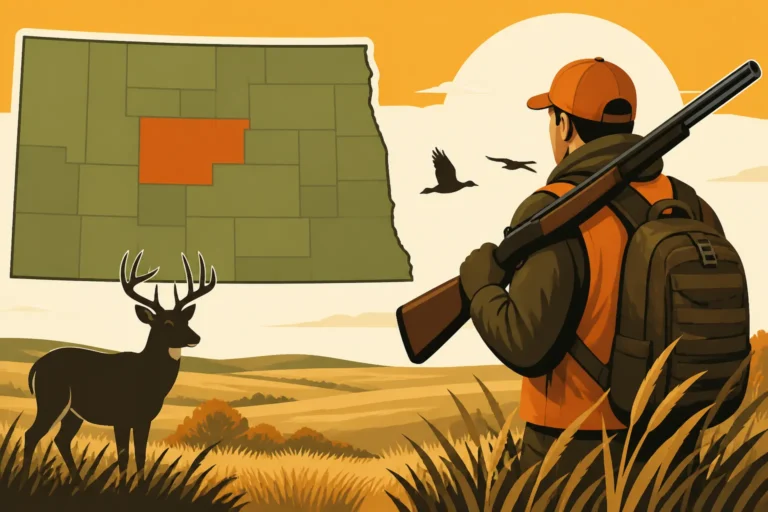
Another crucial consideration for nonresident waterfowl hunters is the What the Zone-Restricted License Requires. North Dakota implemented specific rules to manage nonresident waterfowl hunting pressure. Nonresidents purchasing a waterfowl license are often restricted to hunting in a specific zone or may have limitations on certain days. There are also North Dakota's Nine Resident-Priority Waterfowl Days that nonresidents cannot hunt, typically early in the season.
This means you can't just buy a nonresident waterfowl license and hunt anywhere, anytime. You'll need to understand which zone your license is valid for, and plan your hunt dates around those resident-priority days. This often requires careful planning, especially if you're booking with an outfitter or planning a DIY trip. Always refer to the most current proclamation for migratory bird hunting, as these rules can occasionally be adjusted to reflect population trends and harvest objectives. This is especially relevant since North Dakota's New Nonresident Waterfowl Rule has been in effect.
Essential Tools and Strategies for Finding Public Land Access
Finding public land in North Dakota, especially as a nonresident, can be a game of digital detective work and careful planning. You won't just stumble upon the best spots. Here’s how to set yourself up for success.
Mapping Applications: Your Digital Lifeline
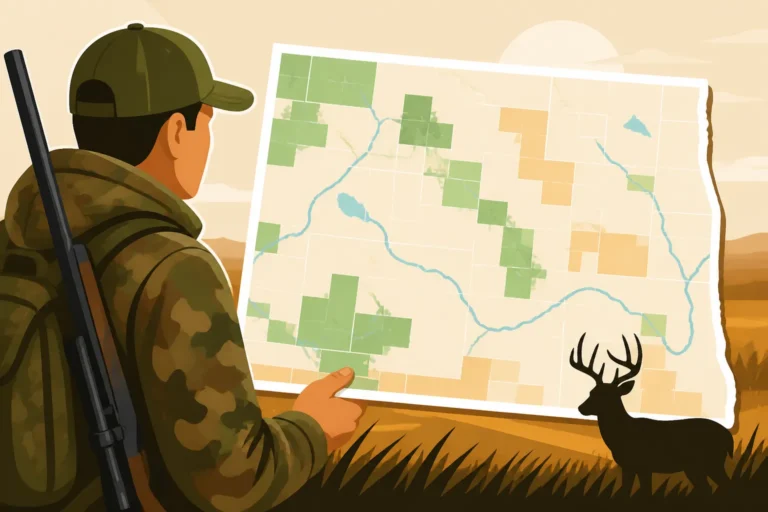
In today's hunting world, a robust mapping application is no longer a luxury; it's an absolute necessity, especially when navigating North Dakota's diverse land ownership. Brands like onX Hunt have revolutionized how hunters access and interpret land data. With an onX Hunt subscription, you can overlay public and private land boundaries directly onto your phone or GPS device, showing landowner names, PLOTS boundaries, and federal land designations. This is invaluable when you're glassing a section of prairie and need to know if that slough in the distance is public or private, or if that shelterbelt edge you're eyeing for deer is on accessible ground.
When I plan a nonresident trip, the first thing I do is spend hours poring over maps, identifying potential public land access points. I look for sections of WMA, WPA, National Grassland, or PLOTS that are adjacent to good habitat. The ability to see onX Layers for North Dakota Land Status instantly gives you confidence that you're hunting legally. Don't rely solely on paper maps; while useful, they can't always keep up with the dynamic nature of PLOTS agreements or unit boundaries. Always download offline maps before you head out, as cell service can be spotty in many prime hunting areas.
Scouting: Digital and On-the-Ground
Effective scouting is paramount for public land success, and as a nonresident, you'll likely start with digital scouting. Use your mapping app to identify potential bedding areas, food sources, water, and travel corridors within public tracts. Look for natural funnels, pinch points, and areas with diverse habitat that might hold game. Websites like GoHunt often offer valuable insights into unit conditions, draw odds, and even harvest data that can help narrow down your focus units before you even look at a map. This intelligence can complement your map study by giving you an idea of game populations and success rates in different areas.
If at all possible, an in-person scouting trip before the season can be a game-changer. Even driving the section lines and seeing the terrain first-hand can reveal details you'd miss on a map. Pay attention to fence lines, access roads, and signs of recent game activity. Are there fresh tracks? Is the cover as dense as it looks from above? If a dedicated scouting trip isn't feasible, maximize your first day or two of the hunt for scouting. Drive around, glass extensively, and walk some likely areas without carrying a weapon. This small investment of time can prevent you from wasting days hunting barren ground. The Scouting PLOTS Land With the ND Hunt App can also give you immediate, on-the-ground info.
Utilizing Online Resources and Local Knowledge
Beyond mapping apps, the North Dakota Game and Fish Department website is an invaluable resource. They publish yearly hunting proclamations, PLOTS guides, and maps that detail public land. Pay close attention to these official sources, as rules and available PLOTS tracts can change year to year.
Connecting with local knowledge, if possible, can also provide an edge. While locals might be hesitant to give up their honey holes, they can often provide general advice on game movement, preferred habitats, or areas to avoid due to pressure. Forums or social media groups dedicated to North Dakota hunting can sometimes offer insights, but always take information with a grain of salt and verify it with official sources. Don't be afraid to knock on doors if you see prime habitat next to public land; sometimes landowners are receptive to polite requests, but always respect their answer. Getting Private Land Permission in North Dakota is a whole art form in itself.
Maximizing Your Public Land Opportunities as a Nonresident Hunter
Hunting North Dakota's public lands as a nonresident is absolutely achievable and can be incredibly rewarding. It requires preparation, respect, and a willingness to adapt.
Planning Your Hunt Around Restrictions
The key to a successful nonresident hunt often lies in planning around the known restrictions. If you're coming for an early archery deer hunt, identify private land options for that first week, or plan your arrival for after the public land restriction lifts. If you're a waterfowl hunter, meticulously check the zone restrictions and resident-priority days to ensure you're hunting legally.
Consider diversifying your species targets. If deer season is slow, or you're limited by a restriction, having the option to chase pheasants or grouse on a WMA might save your trip. Being flexible with your species choice, and having the appropriate licenses for multiple options, can open up more public land opportunities. For example, during deer season, many WMAs also hold pheasants, offering a combo opportunity. North Dakota Pheasant and Upland Season Rules and North Dakota deer gun season dates often overlap.
Respecting the Land and Other Hunters
Public land in North Dakota, while vast, can still see pressure, especially on opening weekends or prime areas. Always practice ethical hunting, pack out everything you pack in, and leave no trace. Be mindful of other hunters, giving them space and avoiding conflicts. Courtesy goes a long way.
For PLOTS land specifically, remember that it's private land that has been opened temporarily. Respect any additional rules posted by the landowner or the Game and Fish Department on the yellow signs. Drive on established roads, close gates, and avoid disturbing livestock or farm operations. This ensures the program remains viable for future generations of hunters, residents and nonresidents alike. Understanding North Dakota Trespass and Permission Law is critical for all hunters, particularly when navigating mixed ownership landscapes.
Being Prepared for Prairie Conditions
North Dakota weather can be notoriously unpredictable, especially during hunting season. Be prepared for everything from warm, sunny days to bitter cold, snow, and strong winds. Pack layers, quality raingear, and plenty of water. A breakdown far from paved roads can turn an inconvenience into a serious problem in rural North Dakota.
Having a reliable vehicle, spare tire, and basic emergency supplies is non-negotiable. Many public land areas, especially the National Grasslands, are remote, and cell service can be nonexistent. Let someone know your hunting plans, including your general location and expected return time. This common-sense approach will make your hunt safer and more enjoyable, allowing you to focus on the pursuit of game rather than battling the elements or unforeseen complications.
Overview of North Dakota Public Land Access for Nonresidents
| Public Land Type | General Nonresident Access | Key Considerations for Nonresidents | Primary Species Opportunities |
|---|---|---|---|
| PLOTS (Private Land Open To Sportsmen) | Yes | Restricted for deer archery during the first 7 days of season. After that, open. Respect posted rules, signs, and landowner agreements. Acreage can change yearly. | Deer, Pheasant, Waterfowl, Grouse, Turkeys |
| Waterfowl Production Areas (WPAs) | Yes | Subject to federal regulations in addition to state laws. Primarily focused on migratory birds. Check individual WPA rules. | Waterfowl (Ducks, Geese), Pheasant, Grouse |
| National Wildlife Refuges (NWRs) | Varies | Access depends on specific refuge hunting plans; some areas may be closed or require special permits. Always check individual refuge websites. | Waterfowl, Deer, Upland Birds (highly variable by refuge) |
| Wildlife Management Areas (WMAs) | Yes | Generally open under state regulations; check for specific WMA rules on vehicle access, camping, or methods. | Deer, Pheasant, Waterfowl, Grouse, Turkeys, Small Game |
| National Grasslands (USFS) | Yes | Vast, remote areas, often with mixed private inholdings. Essential to use mapping apps to stay on public land. Subject to federal regulations (e.g., baiting bans). | Mule Deer, Pronghorn, Elk (by lottery), Coyotes, Small Game |
| Bureau of Land Management (BLM) | Yes | Generally similar to National Grasslands in western ND; often intermingled with private land. Use mapping apps to confirm boundaries. | Mule Deer, Pronghorn, Coyotes, Small Game |
| State School Land | Yes | Open for hunting unless posted closed. Marked by yellow/green signs. Respect any cultivation or ranching operations. | Deer, Upland Birds, Small Game |
Disclaimer
This article is for general informational purposes only and does not constitute professional advice. Laws, prices and regulations vary by location and change over time. Consult a qualified professional for guidance on your specific situation.