How North Dakota Waterfowl Production Areas Are Managed
It's easy to look at a map, see a patch of green labeled "Waterfowl Production Area," and imagine it's just a piece of wild land left to its own devices. But for hunters and conservationists alike, understanding what these vital areas are, and more importantly, how they're actively managed, is key to appreciating their role and knowing how to best utilize them. This guide will take you deep into the world of North Dakota's Waterfowl Production Areas (WPAs), explaining the intricate strategies and dedicated efforts that go into making them the incredible havens they are for migratory birds and other wildlife.
The Foundation of Waterfowl Production Areas
North Dakota is famous for its wetlands and the sheer volume of ducks and geese that funnel through during migration and, crucially, stop to breed. Waterfowl Production Areas are a cornerstone of this natural bounty, but their existence and ongoing health are far from accidental.
What Exactly Is a WPA and Why Do They Exist?
At its heart, a Waterfowl Production Area (WPA) is a piece of land, typically encompassing various wetlands and adjacent uplands, that is acquired and managed specifically for the benefit of migratory waterfowl. Think of them as dedicated nurseries and rest stops for ducks, geese, and a myriad of other birds. They exist primarily to provide crucial breeding, nesting, and brooding habitat in the critically important Prairie Pothole Region, often dubbed North America's "duck factory." Without these protected areas, the landscape would be far less hospitable for many species.
The vision behind WPAs was born from a recognition that agricultural expansion and other land-use changes were rapidly draining and converting wetlands, leading to a dramatic decline in waterfowl populations. These areas aren't just about ducks, though they are the primary focus; they also provide essential habitat for pheasants, grouse, deer, and countless non-game species. They're a vital part of the broader ecological tapestry of North Dakota, creating biodiversity hotspots in a largely agricultural landscape. You might be interested to learn more about North Dakota Waterfowl on the Prairie Pothole Flyway.
The Role of the U.S. Fish and Wildlife Service
Unlike state game lands or private conservation easements, Waterfowl Production Areas are federally managed. They fall under the purview of the U.S. Fish and Wildlife Service (USFWS), making them an integral part of the National Wildlife Refuge System. This means they operate under a distinct federal mandate to conserve, protect, and enhance fish, wildlife, and plants and their habitats for the continuing benefit of the American people.
The USFWS employs dedicated wildlife biologists, refuge managers, and habitat specialists who are stationed across North Dakota, often at Wetland Management Districts. These local teams are the boots on the ground, making daily decisions about how to best manage specific WPA tracts. Their work involves everything from monitoring bird populations to operating heavy equipment for habitat restoration. This federal oversight ensures a consistent, long-term conservation strategy across the entire WPA network, which is critical for species that migrate across state and international borders.
Habitat Management Strategies on North Dakota WPAs
Effective WPA management isn't a "set it and forget it" kind of deal. It's a dynamic, hands-on process that requires constant attention to water levels, vegetation, and invasive species to maintain optimal conditions for wildlife.
Water Level and Wetland Management
Water is life on the prairie, especially for waterfowl. The iconic "potholes" that give the region its name are incredibly productive, but they're also highly dynamic, fluctuating with rainfall, snowmelt, and evaporation. WPA managers actively work to maintain a diverse array of wetland types, from temporary sheet water that provides early-season invertebrate forage to semi-permanent wetlands that hold water throughout the breeding season.
This management often involves infrastructure like water control structures (dikes, culverts, gates) that allow staff to manipulate water levels when possible. During dry cycles, they might manage water to prevent complete desiccation and keep some areas viable; during wet periods, they might manage flow to prevent prolonged flooding that could destroy nesting habitat or impact upland areas. It's a delicate dance with nature, always aiming to maximize productivity in an often unpredictable environment. The health of these wetlands is directly linked to the success of nesting ducks, making this aspect of management absolutely critical. You can learn more about the broader context in North Dakota's Prairie Pothole Region Explained.
Upland Grassland Management for Nesting
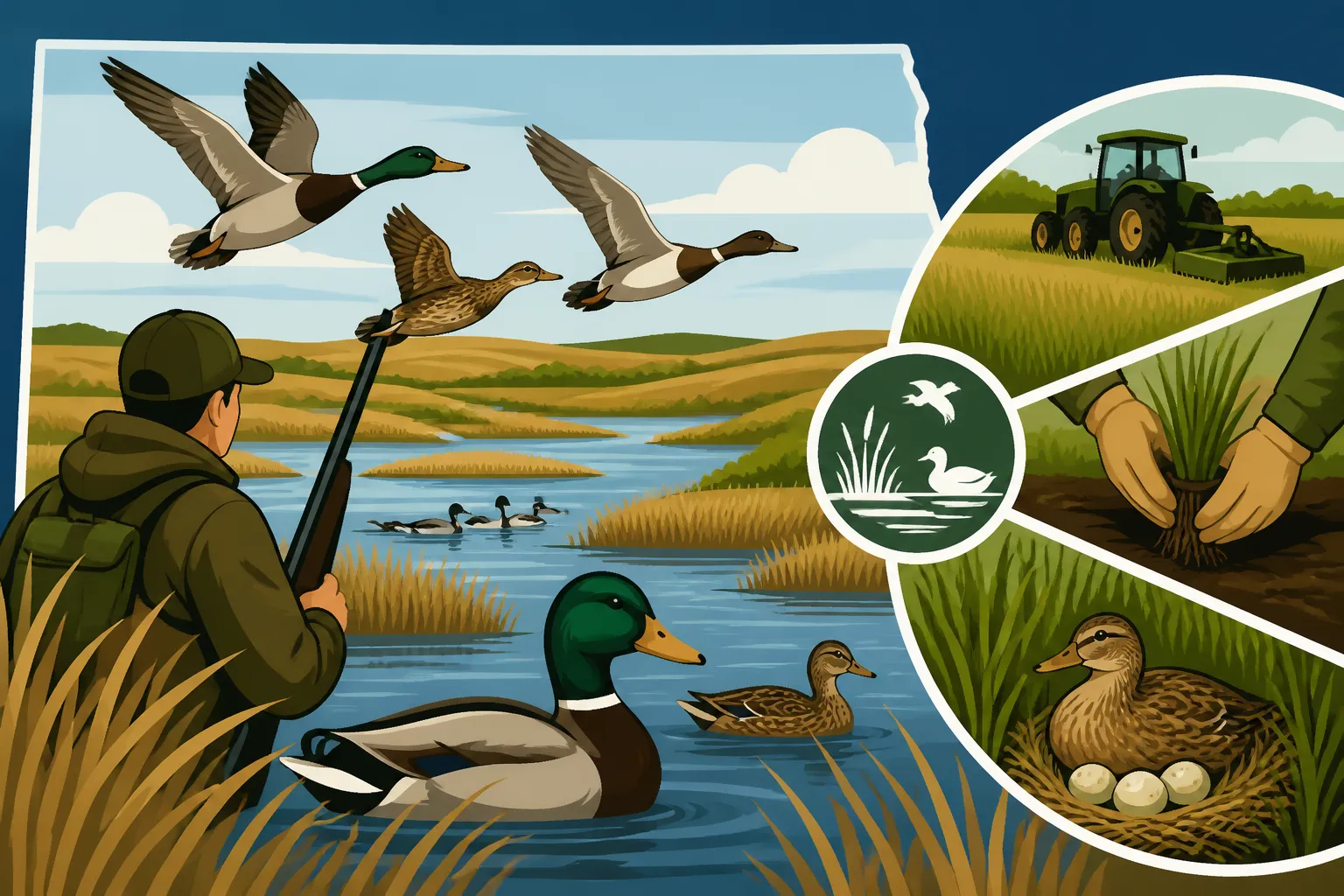
While the wetlands get all the glory, the grasslands surrounding them are equally, if not more, important for waterfowl production. Most ducks nest in upland cover, often hundreds of yards from water, relying on dense vegetation to hide their clutches from predators. WPAs are managed to provide this critical nesting cover, which means actively managing the grasslands.
Techniques include prescribed burns, which remove old, senescent vegetation and stimulate new growth, creating more palatable and nutritious forage for insects and nesting hens. Strategic grazing by cattle can also be used as a tool to control invasive plants and create a mosaic of grass heights, beneficial for various species. Haying might occur in specific areas to remove excess biomass, but it's carefully timed to avoid disrupting nesting birds. Native seed plantings are also common, replacing introduced cool-season grasses with diverse, resilient native prairie species that offer superior nesting cover and forage. This commitment to healthy uplands is why you'll often find dense cover, perfect for Running a Pointer Through CRP Grass, on WPA lands.
Invasive Species Control and Habitat Restoration
The prairie ecosystem is constantly under threat from invasive plant species like leafy spurge, Canada thistle, and smooth brome, which can outcompete native plants, degrade habitat quality, and reduce biodiversity. WPA managers are locked in a continuous battle to control these invaders. This effort involves a combination of methods, including targeted herbicide applications, biological controls (like specialized insects that feed on specific weeds), and mechanical removal through mowing or tilling.
Beyond just control, WPAs also focus on habitat restoration. This might involve converting previously farmed lands back into native prairie or restoring drained wetlands by plugging drainage tiles or breaking up old berms. These restoration projects are intensive, requiring significant planning, resources, and time, but they pay huge dividends in expanding viable habitat for waterfowl and other wildlife. The goal is always to return the landscape to its most productive, natural state.
Balancing Public Use with Conservation Goals
One of the unique aspects of WPAs, compared to some other federal lands, is their strong emphasis on public access for recreation, particularly hunting. However, this access is carefully balanced with the primary mission of conservation.
Hunting and Recreation on WPAs
Waterfowl Production Areas are largely open to public hunting, offering incredible opportunities for hunters to pursue ducks, geese, pheasants, and even deer. This public access is a core tenet of the WPA program, acknowledging the role hunters play in conservation funding through licenses and duck stamps. However, it's not a free-for-all. Specific regulations are in place to ensure hunting doesn't undermine the conservation goals.
For instance, many WPAs require the use of non-toxic shot for all hunting, not just waterfowl, to prevent lead contamination of wetlands and uplands. Vehicle access is often restricted to established roads, with walk-in access being the norm. Permanent blinds are typically prohibited, encouraging temporary, camouflaged setups. These rules can sometimes feel restrictive, but they are designed to minimize disturbance to wildlife and preserve the wild character of these important habitats. Hunters must always check local regulations for the specific WPA they plan to visit. You can have amazing success Hunting a Waterfowl Production Area for Upland Birds, but knowing the rules beforehand is essential.
Signage, Maps, and Understanding Boundaries
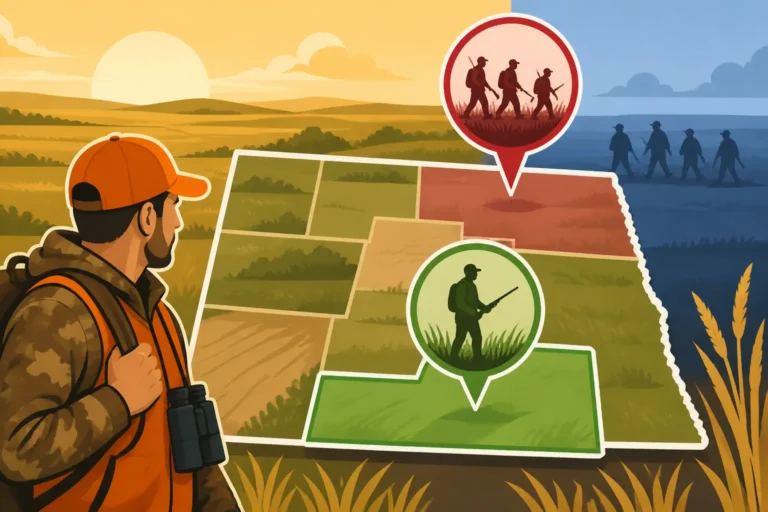
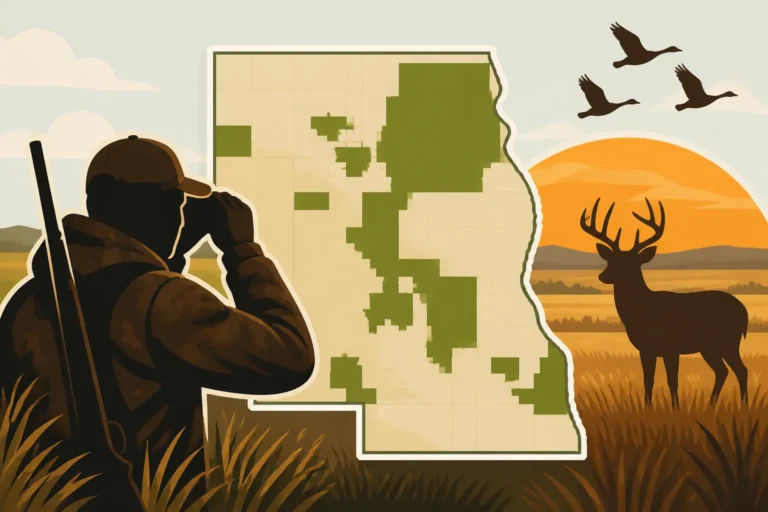
Navigating public lands can be a challenge, and WPAs are no exception. Often, they are patchwork parcels of various sizes scattered across the prairie. This can make identifying exact boundaries difficult for hunters eager to hit the field. The U.S. Fish and Wildlife Service marks WPA boundaries with distinctive brown signs that typically say "Waterfowl Production Area" and feature the USFWS emblem. However, these signs can be sparse in places or obscured by vegetation.
This is where modern mapping technology becomes an absolute game-changer. Tools like onX Hunt and GoHunt provide invaluable layers that clearly delineate WPA boundaries, public access points, and even underlying topography. I can't tell you how many times I've used onX Hunt on my phone to verify I was on public land, avoiding accidental trespass and making sure I was within legal hunting zones. It’s absolutely critical to pair good map research with physical reconnaissance. Checking the specific WPA's management plan or district office website for any unique rules or temporary closures is also a wise move.
Permitted vs. Prohibited Activities
To help clarify what hunters and other recreationists can and cannot do on these federal lands, here's a general overview. Always remember to verify specific rules for the WPA you intend to visit, as there can be regional variations.
| Activity | Generally Permitted | Generally Prohibited | Notes |
|---|---|---|---|
| Hunting | Yes | No | Specific seasons, bag limits, and methods apply. Non-toxic shot often required for ALL hunting. Check state and federal regulations. North Dakota Duck and Goose Bag Limits are important to know. |
| Trapping | Yes | No | State regulations apply, federal permit might be required for certain species or methods. |
| Fishing | Yes | No | Where suitable waters exist, state fishing regulations apply. |
| Hiking | Yes | No | Enjoy nature, but stay aware of hunting activity during open seasons. |
| Camping | No | Yes | Typically not allowed on WPAs. Primitive camping may be allowed on adjacent National Grasslands or other specific public lands. |
| Motorized Vehicles | No (off-road) | Yes (off-road) | Restricted to designated roads. Off-road travel, including ATVs/UTVs, is generally prohibited. |
| Permanent Blinds | No | Yes | Temporary, portable blinds are typically allowed and must be removed daily. No cutting of vegetation for blind material. |
| Baiting | No | Yes | Prohibited for migratory game birds. Check state rules for deer or other species, but generally not allowed on federal lands. |
| Dog Training | Yes | No | Often allowed but may be restricted during certain times (e.g., nesting season) or areas. Keep dogs under control. |
| Fires | No | Yes | Generally not permitted. Extreme fire danger on the prairie. |
The Science and Funding Behind WPA Management
The effective management of Waterfowl Production Areas isn't based on guesswork; it's a science-driven process supported by dedicated funding and extensive collaboration. This ensures that every management decision is informed by data and aimed at maximizing conservation outcomes.
Research, Monitoring, and Adaptive Management
At the core of WPA management is a commitment to scientific research and continuous monitoring. USFWS biologists regularly conduct surveys to track waterfowl populations, measure nest success rates, and monitor vegetation health. They band thousands of ducks and geese each year, providing crucial data on migration patterns, survival rates, and harvest impacts. This data is then analyzed to understand what's working, what's not, and where adjustments are needed.
This cycle of observation, analysis, and adjustment is known as adaptive management. It's a pragmatic approach that recognizes ecosystems are complex and constantly changing. For example, if nest success rates decline in an area, biologists might investigate potential causes—like increased predator activity or degraded nesting cover—and then implement new management strategies, such as enhanced grassland restoration or targeted predator control, to address the problem. This iterative process ensures that WPAs remain productive and resilient over time.
Funding Mechanisms: Duck Stamps and Partnerships
Managing thousands of acres of WPAs across North Dakota is an expensive undertaking, but it's largely funded by a unique and highly successful conservation program: the Federal Duck Stamp. Every waterfowl hunter 16 years of age or older is required to purchase and carry a North Dakota Federal Duck Stamp Requirement. What many people don't realize is that 98 cents of every dollar generated by Duck Stamp sales goes directly to acquire and protect wetland and grassland habitat for the National Wildlife Refuge System, including WPAs. This means hunters are directly funding the very places they love to hunt, making it one of the most successful conservation funding mechanisms in history.
Beyond Duck Stamps, WPAs also benefit from other funding sources, such as the Pittman-Robertson Act (which allocates excise taxes on firearms, ammunition, and archery equipment to state wildlife agencies, some of which may be used for WPA-related habitat work or through cooperative agreements). Crucial partnerships with non-governmental organizations like Ducks Unlimited, Pheasants Forever, and the Delta Waterfowl Foundation also provide significant financial support and volunteer labor for habitat projects on and adjacent to WPAs. Even state agencies, such as the North Dakota Game and Fish Department, often collaborate on projects or help manage specific tracts, sometimes even on North Dakota Wildlife Management Areas that border WPAs.
Challenges and Future Directions for WPAs
Even with robust management strategies and dedicated funding, North Dakota's Waterfowl Production Areas face significant challenges. Looking ahead, addressing these issues will be critical to ensuring these vital habitats continue to thrive.
Navigating Climate Change and Environmental Pressures
The prairie pothole region is on the front lines of climate change, experiencing increasingly unpredictable weather patterns. This means more frequent and severe droughts that dry up wetlands, followed by intense rain events that can cause devastating floods. These fluctuations make water management incredibly difficult and put immense stress on both wetland and upland ecosystems. Managers are working to build resilience into WPA landscapes, for example, by ensuring a diverse array of wetlands that respond differently to varying moisture levels, or by planting native grasses that are more tolerant of extreme conditions.
Beyond climate, ongoing environmental pressures such as habitat fragmentation from agricultural expansion and urban sprawl continue to chip away at surrounding natural areas. While WPAs protect specific parcels, they exist within a larger, often altered, landscape. This fragmentation can isolate wildlife populations, limit genetic exchange, and reduce the overall carrying capacity of the region for migratory birds. The ongoing challenge is to manage WPAs not just as isolated islands, but as interconnected parts of a broader conservation network.
The Ongoing Need for Acquisition and Expansion
Despite the incredible success of the WPA program, the need for continued habitat protection and restoration remains urgent. There are still vast areas of critical waterfowl habitat that are vulnerable to conversion. The USFWS, often in collaboration with partner organizations, continues to actively seek opportunities to acquire new lands to expand existing WPAs or establish new ones. This acquisition typically involves purchasing land from willing sellers, rather than through eminent domain, respecting private property rights while securing public conservation benefits.
The expansion of WPAs isn't just about adding more acres; it's about strategically connecting fragmented habitats, creating larger blocks of undisturbed prairie and wetland. These larger, more contiguous areas are more resilient to environmental pressures and provide more secure nesting and breeding grounds for waterfowl. The future of WPAs depends on continued public support, especially from hunters who fund their existence, and ongoing advocacy to ensure these vital lands remain a priority for conservation in North Dakota and beyond.
Disclaimer
This article is for general informational purposes only and does not constitute professional advice. Laws, prices and regulations vary by location and change over time. Consult a qualified professional for guidance on your specific situation.