Why 2026 Licenses Hit a Fifty-Year Low
It's tough news to swallow when we hear about dwindling participation in something we love so much. The announcement that North Dakota's hunting license sales hit a fifty-year low in 2026 has certainly caused a stir among seasoned hunters and wildlife enthusiasts alike. This comprehensive guide will peel back the layers on this concerning trend, exploring the complex reasons behind the drop and what it means for the future of hunting across our beloved prairie state.
Understanding the "Fifty-Year Low" Phenomenon
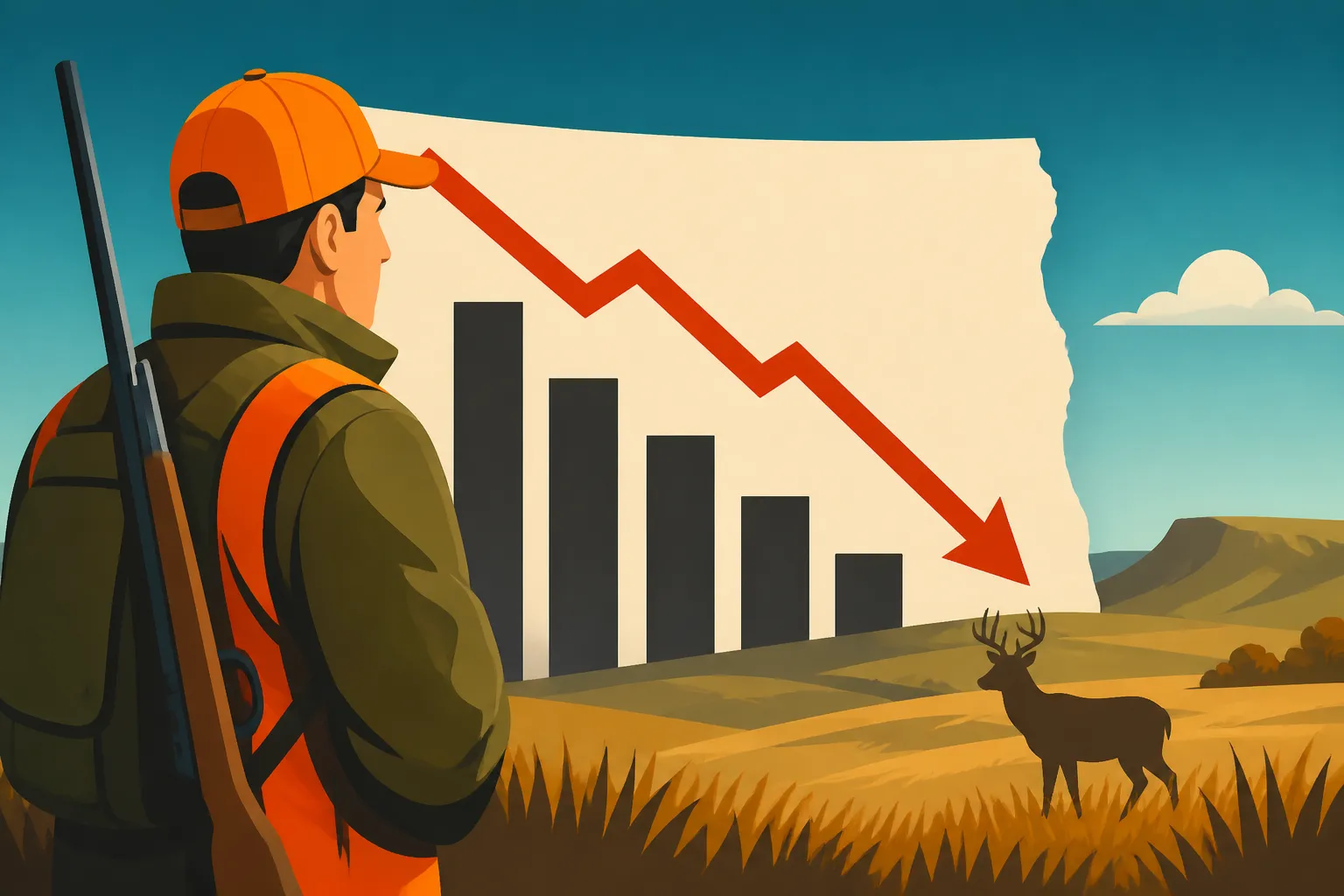
When we talk about a "fifty-year low" in hunting licenses, it's more than just a dry statistic. It signifies a tangible shift in who's out in the field, how many tags are available, and ultimately, the health of our hunting traditions and the vital conservation funding they provide. It’s a moment that makes you pause and reflect on the changing landscape of hunting here in North Dakota.
What the Numbers Really Mean for Hunters
A significant drop in license sales, like the one we saw in 2026, has widespread implications. Fewer licenses sold mean fewer hunters participating in the field. This can, on one hand, lead to less crowded public lands for those who do hunt, but it also reflects a decline in overall engagement with our outdoor heritage. Beyond the immediate experience of the hunt, this trend directly impacts the revenue streams that fund critical wildlife management and habitat restoration projects carried out by the North Dakota Game and Fish Department (NDGFD). Every license purchased contributes directly to these efforts, so a dip here is felt deeply in conservation circles. It's a reminder that hunting is much more than just a pastime; it's a pillar of our state's conservation model.
Historical Context of License Sales in North Dakota
North Dakota has always been a hunting state, with a rich history of residents and nonresidents alike venturing out for deer, pheasants, and waterfowl. Over the decades, license sales have naturally ebbed and flowed, influenced by everything from economic booms and busts to severe weather cycles affecting wildlife populations. There have been periods of high interest, fueled by robust deer herds or exceptional bird numbers, and times when economic downturns or tough winters caused a slight decline. However, the 2026 figure stands out because it represents a truly significant dip, far beyond the typical fluctuations. It signals that a confluence of factors, rather than just one or two, is likely at play, making it a critical juncture for North Dakota's hunting future.
The Data Behind the Dip in 2026
The specific data points for the 2026 season paint a detailed picture of where the declines hit hardest. While overall license sales were down, certain categories saw more pronounced decreases. We saw a notable reduction in total deer gun licenses issued, which makes sense given the lottery system and overall herd health. This directly correlates to North Dakota Deer Harvest Records which often show the outcome of these license allocations. Both resident and nonresident interest felt the pinch, though nonresident licenses, already tightly controlled, might have seen specific challenges given new regulations or perceptions of tag availability. The NDGFD's annual reports meticulously track these numbers, and for 2026, they highlighted a broad-based reduction across several key species, signaling a systemic issue rather than just a species-specific one.
Key Factors Contributing to Declining License Numbers
It’s never just one thing, is it? When we look at why license sales have fallen to such a low point, it’s a complex web of environmental, economic, and social changes that have been building for years. Understanding these threads helps us grasp the full scope of the challenge.
Wildlife Population Dynamics and Management Decisions
One of the most immediate and tangible reasons for fewer licenses is often tied directly to wildlife populations. North Dakota experiences its share of harsh winters, and successive tough seasons can decimate deer herds, especially in certain units. Episodes of Epizootic Hemorrhagic Disease (EHD) can also lead to significant localized deer mortality. When deer numbers are down, the NDGFD, in its role as steward, must reduce the number of available tags to ensure the herd has a chance to recover. This leads directly to fewer licenses being offered, especially for antlerless deer, which in turn reduces overall participation. For instance, some years, units that typically offer robust opportunities for White-Tailed Deer Across North Dakota might see reduced quotas, impacting hunter choices and success odds. This direct correlation between herd health and tag availability is a primary driver behind fluctuations in license sales.
Economic Pressures and Participation Barriers
Let's be honest, hunting isn't a cheap hobby. The cost of gas to scout and hunt, new gear, ammunition, and even basic necessities for an extended trip can really add up. Factor in inflation, and suddenly a hunting trip becomes a significant financial commitment for many families. For non-residents, the cost of licenses and permits can be substantial, and if the perception is that opportunities are fewer or harder to come by, that discretionary income might be spent elsewhere. These economic pressures act as significant barriers, particularly for new hunters or those with limited budgets. It’s not just the license cost itself, but the entire ecosystem of expenses that surrounds the pursuit.
Changing Demographics and Lifestyle Shifts
Our world is moving faster than ever, and lifestyle changes are definitely playing a role. Fewer young people are being introduced to hunting at an early age, often due to a lack of mentors, decreased access to rural land, or simply competing interests like organized sports and digital entertainment. The demographic of hunters is aging, and attracting new, younger participants is a constant challenge. This phenomenon isn't unique to North Dakota, but it's keenly felt here as our rural populations shift and fewer families maintain direct ties to agricultural or hunting traditions. Without that critical early exposure and mentorship, the pipeline of future hunters naturally shrinks. Addressing this requires robust North Dakota Hunter Education Requirements and strong community involvement.
Evolving Land Access Challenges
Securing a place to hunt has become increasingly difficult, even in a state with as much open land as North Dakota. While the PLOTS (Private Land Open To Sportsmen) program is an invaluable resource, offering public access to private land, the sheer number of hunters utilizing it, combined with the overall reduction in accessible private land (whether due to leasing, increased posting, or changing landowner attitudes), creates pressure. Hunters often face the dilemma of finding quality ground that isn’t already heavily pressured. For nonresidents, the rules for accessing public land during specific periods can also be a hurdle. Even with detailed mapping resources like those offered by GoHunt, which provides invaluable insights into public and private land boundaries, securing permission or finding unpressured public ground remains a significant challenge that deters some potential hunters. This difficulty in finding a "spot" can be a real frustration for hunters, contributing to the decline in those buying licenses.
Impact on Hunters and the State's Wildlife Management
The ripple effects of a fifty-year low in license sales extend far beyond just the number of hunters in the field. This trend profoundly impacts both the individual hunter's experience and the broader efforts of wildlife management throughout North Dakota.
Reduced Tag Opportunities for Hunters
For many of us, the annual draw for big game tags is a highlight of the year. When license sales hit a fifty-year low, it often means that the pool of available tags for popular species like deer has been reduced, particularly in desirable units. This directly affects the odds in the North Dakota's Lottery-Based Deer Gun Season, making it harder to draw an "any deer" tag and sometimes even limiting opportunities for antlerless-only tags. Hunters might find themselves applying for years with fewer successful draws, leading to disappointment and, for some, a decision to forgo applying altogether. This scarcity can shift focus towards other species, or even lead hunters to explore opportunities in other states, further impacting North Dakota's license numbers. It’s a frustrating cycle where lower populations lead to fewer tags, which in turn can lead to fewer hunters.
Financial Implications for Wildlife Agencies
This is where the rubber truly meets the road for conservation. The North Dakota Game and Fish Department operates largely on a "user-pays, user-benefits" model, with license sales and federal excise taxes on hunting equipment forming the backbone of their budget. A substantial drop in license revenue, like the one seen in 2026, means less money available for critical programs. This directly impacts efforts in habitat improvement, wildlife research, law enforcement, and public access initiatives like the PLOTS program. For instance, fewer funds could mean fewer acres enrolled in PLOTS, less rigorous monitoring of North Dakota Deer Population Estimate, or reduced capacity for enforcement against poaching. The long-term health of our wildlife populations and their habitats relies heavily on this funding, so a sustained decline in license sales poses a serious threat to the very resources we cherish.
Adapting Management Strategies to Current Trends
Faced with declining license revenue and shifting hunter demographics, the NDGFD must adapt its management strategies. This often involves a careful re-evaluation of harvest quotas, season structures, and species-specific management plans. For example, if mule deer populations in the Badlands are struggling, the department might implement more conservative tag allocations, as seen in efforts to manage Mule Deer in North Dakota's Badlands. They might also intensify efforts to understand the underlying causes of population declines, such as disease prevalence or habitat degradation. Furthermore, there's an increased focus on efficiency, prioritizing projects that yield the greatest conservation benefits with limited resources. This could mean increased reliance on technology for data collection and analysis, or strategic partnerships with private landowners and conservation groups to maximize impact.
Looking Ahead: Potential Solutions and Future Outlook
While the 2026 license low might feel disheartening, it's also a catalyst for change. The future of hunting in North Dakota hinges on proactive solutions that address the root causes of declining participation and foster a renewed appreciation for our outdoor traditions. It’s not about despair, but about thoughtful adaptation.
Recruitment, Retention, and Reactivation (R3) Initiatives
The NDGFD and various conservation organizations are keenly aware of the need to recruit new hunters, retain existing ones, and reactivate those who have stepped away. This often involves targeted R3 initiatives designed to make hunting more accessible and appealing. Programs aimed at mentoring youth, like the North Dakota Mentored Youth Hunting Rules, are vital, providing opportunities for young people to experience hunting with experienced guides. Events like "Learn to Hunt" workshops, which focus on specific species like Pheasant Hunting North Dakota's Prairie or Fall Turkey Hunting in North Dakota, aim to equip new hunters with the skills and confidence they need. The idea is to break down barriers to entry, whether they are a lack of knowledge, equipment, or mentorship, and foster a lifelong passion for the outdoors.
Habitat Improvement and Conservation Efforts
Ultimately, healthy wildlife populations are the bedrock of good hunting. Regardless of license sales, continued investment in habitat improvement and conservation remains paramount. This includes restoring wetlands for North Dakota Waterfowl on the Prairie Pothole Flyway, enhancing upland cover for Ring-Necked Pheasants in North Dakota, and improving forest and riparian areas for deer and other big game. Programs that incentivize landowners to create and maintain wildlife-friendly habitats play a crucial role. The NDGFD's focus on maintaining and expanding public access programs like PLOTS is also a key component, ensuring that even with fewer overall hunters, quality opportunities remain available. The goal is to build resilient ecosystems that can support robust wildlife populations, making North Dakota an attractive hunting destination for generations to come.
Technology's Role in Modern Hunting Access
In today's world, technology offers powerful tools to help hunters navigate the landscape, even when conditions are challenging. Mapping applications and digital scouting platforms, for example, have become indispensable. Tools like GoHunt provide detailed mapping layers showing public and private land boundaries, PLOTS land, and even topography, helping hunters maximize their time afield. This is particularly useful for hunters looking to Scouting PLOTS Land Before Season or trying to understand complex access rules. Data analytics provided by platforms like GoHunt can also offer insights into draw odds and harvest success rates, helping hunters make more informed decisions about where and what to apply for. While technology can't replace boots on the ground, it significantly enhances a hunter's ability to plan, scout, and execute a successful hunt, especially when traditional opportunities are scarcer.
Navigating North Dakota Hunting with Current Trends
The decline in license sales doesn't mean the end of hunting in North Dakota. It means we need to be smarter, more strategic, and perhaps even more adaptable in our approach. There are still incredible opportunities out there, but they might require a bit more planning and flexibility.
Strategic Application for Limited Tags
With fewer tags available for popular species, a strategic approach to the lottery system becomes crucial. Hunters need to research the draw odds for specific units and species carefully. For instance, understanding the nuances of the North Dakota Deer Gun Lottery Application Process is key. Resources like the NDGFD's annual harvest reports and information from platforms like GoHunt can provide valuable insights into which units historically have better draw odds or higher success rates for particular deer types. Sometimes, applying for antlerless-only tags can increase your chances of drawing, even if it's not the trophy buck you dreamed of. Being flexible with your unit choices and understanding the preference point system (if applicable) can significantly improve your odds over time.
Exploring Other Hunting Opportunities
While deer hunting often grabs the most headlines, North Dakota offers a wealth of other fantastic hunting experiences that might be less impacted by these specific license trends. The state is renowned for its incredible Pheasant Hunting North Dakota's Prairie and Duck and Goose Hunting North Dakota's Potholes. These species often have more generous bag limits and over-the-counter license options, providing abundant opportunities without the intense competition of big game draws. Don't overlook small game either, like rabbits and squirrels, or even predator calling for coyotes. Diversifying your hunting pursuits not only increases your time afield but also broadens your skillset and appreciation for the diverse wildlife North Dakota supports. Sometimes, stepping out of your comfort zone can lead to some of the most memorable hunts.
The Importance of Mentorship and Community
More than ever, the hunting community needs to come together. Seasoned hunters have a vital role to play in mentoring new generations, sharing knowledge, and fostering responsible hunting ethics. Introducing a friend, family member, or neighbor to the joys of hunting – whether it's Hunting North Dakota's Missouri River Corridor for deer or walking a field for upland birds – is perhaps the most powerful way to counter declining participation. Joining local conservation groups or hunting clubs can provide camaraderie, educational opportunities, and a collective voice for advocating for hunting and wildlife. Building a strong, supportive community ensures that the traditions, skills, and values of hunting are passed down, creating a vibrant future for North Dakota's outdoor heritage.
Here's a quick look at some of the contributing factors:
| Factor | Direct Impact on License Sales | Long-Term Implications for Hunting |
|---|---|---|
| Wildlife Population Declines | Fewer tags offered, lower draw odds, reduced hunter interest. | Decreased funding for conservation, habitat loss. |
| Economic Pressures | Increased cost of participation, deterrent for new hunters. | Reduced hunter diversity, financial strain on families. |
| Changing Demographics/Lifestyles | Fewer new hunters, aging hunter population, less mentorship. | Loss of traditional knowledge, declining participation. |
| Land Access Challenges | Difficulty finding hunting grounds, increased pressure on public land. | Frustration among hunters, potential increase in trespass issues. |
| Recruitment Efforts | Potential for growth, but slow to reverse trends. | Critical for future of hunting and conservation funding. |
Disclaimer
The information provided in this guide is for general informational purposes only and is not intended as legal advice or an official interpretation of hunting regulations. Always consult the most current North Dakota Game and Fish Department (NDGFD) regulations, official publications, and applicable state laws before planning any hunting activity. Seasons, tag availability, and rules are subject to change.