Transporting a Tagged Turkey in North Dakota
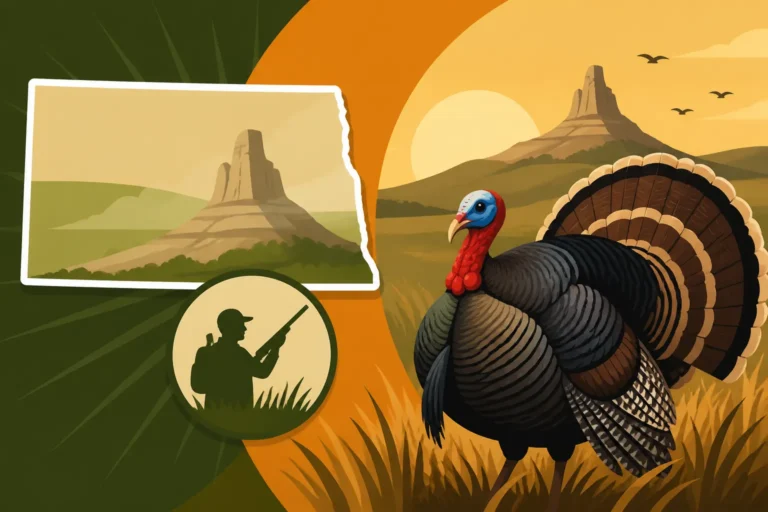
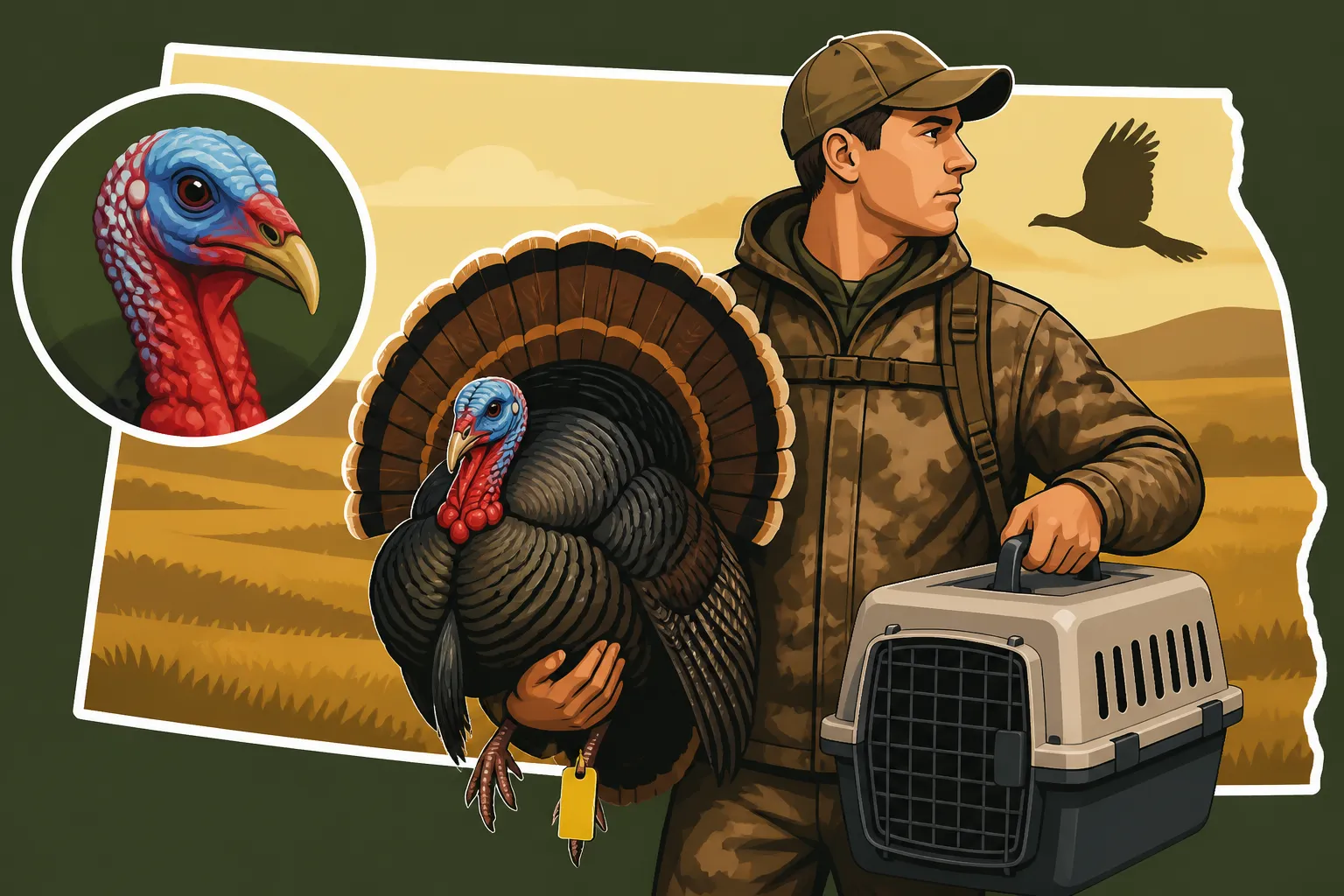
So, you’ve just tagged out on a magnificent North Dakota gobbler, maybe a late-season bird from the river bottom or a crafty one from a sprawling prairie tract. That adrenaline rush is fantastic, but then the practical questions hit: how do I legally get this bird home? Transporting your hard-earned turkey isn't as simple as just tossing it in the truck bed; there are specific rules and best practices in North Dakota that every hunter needs to understand to avoid a headache. This guide will walk you through everything you need to know about legally and safely transporting your tagged turkey across the Peace Garden State and beyond.
Understanding North Dakota's Immediate Tagging Requirements
Let's start at the very beginning, right after the shot. North Dakota has clear regulations about what you need to do immediately after harvesting a turkey. This isn't just about good sportsmanship; it's a legal requirement that sets the stage for everything that follows regarding transportation. Missing this crucial step can lead to serious issues, including fines and confiscation of your bird.
Attaching Your Tag Promptly After Harvest
The moment that beautiful turkey hits the ground and you confirm it's expired, your first priority (after soaking in the moment, of course!) is to properly tag it. North Dakota law is unambiguous: the tag must be attached to the carcass before it is moved from the kill site. This isn't a suggestion; it's a hard rule. Think of it like this: if a game warden walks up to you at the spot where the bird fell, that tag better be securely affixed.
Many hunters carry a permanent marker and a way to secure the tag, whether it's zip ties, string, or the tag itself having an adhesive backing. The key is to make sure the tag won't easily fall off or become unreadable during the rough and tumble of getting it back to your vehicle. I’ve seen tags that have been torn or smudged, making them nearly illegible, and that’s just asking for trouble. Always ensure your tag is filled out completely and clearly with the required information, such as date, time, and specific hunting unit. This immediate action is the foundation for all legal transportation. If you're wondering about specifics on acquiring your tag, remember to check into the process for North Dakota Fall Turkey License Availability well in advance of the season.
Required Information on Your Turkey Tag
Your North Dakota turkey tag isn't just a piece of paper; it's a legal document. When you fill it out, you're providing critical information that helps the North Dakota Game and Fish Department (NDGFD) manage wildlife populations and ensures fair chase. The tag usually requires your license number, the date of kill, the time of kill, and the specific hunting unit or county where the harvest occurred. Sometimes, it might also ask for the sex of the bird.
It’s easy to get excited and forget a detail, but that small oversight can turn a successful hunt into a regulatory nightmare. Double-check everything. I always recommend hunters keep a small notepad and pen or even use a hunting app like GoHunt on their phone to jot down the exact time and location as soon as the bird is down. This way, when you’re filling out the physical tag, you have all the precise details at hand. It takes just an extra minute or two, but it’s worth every second for peace of mind. Getting these details right is just as important as knowing your North Dakota Fall Turkey Season Rules before you even head out.
Legal Transportation of Your Harvested Turkey
Once your turkey is properly tagged at the kill site, the next step is getting it to its final destination, whether that's your home, a processor, or a taxidermist. North Dakota has specific regulations about how the turkey must be transported, especially concerning the retention of certain parts. This is primarily for identification purposes and to ensure compliance with bag limits.
Whole Bird Requirements for Identification
In North Dakota, the law states that you must transport your harvested turkey in such a way that its species, sex (if applicable to the tag), and legal status can be readily determined. For turkeys, this means keeping the bird whole until it reaches your final destination, which is typically your home or a meat processor. What does "whole" mean in this context? It means leaving the head and one leg with the spur (for toms) or unspurred leg (for hens) attached to the carcass. This allows game wardens to identify the species, confirm the sex, and verify that the correct tag was used for the bird harvested.
This rule can be a bit of a hassle, especially if you're dealing with a big tom on a warm day, but it’s there for a reason. Field dressing is perfectly fine to cool the bird down and lighten the load, but don't remove the head or the identifying leg until you're back home or at a processing facility. I've heard stories of hunters who, eager to get a jump on processing, removed these parts in the field only to encounter a warden later and face significant issues. It's an honest mistake, but one that can be easily avoided by simply following the rule. For those who enjoy sharing their hunting adventures, platforms like GoHunt sometimes feature tips on field care that align with these regulations.
Exceptions for Processing in the Field
While the general rule is to transport your turkey whole, there are practical considerations and limited exceptions. You can field dress your turkey at the kill site. In fact, it's highly recommended, especially if the weather is mild, to cool the carcass quickly and prevent spoilage. This involves removing the entrails, which significantly reduces the bird's internal temperature and overall weight, making it much easier to carry out of the field.
However, when field dressing, you absolutely must ensure that the head and one leg with the spur (if it's a tom) or unspurred leg remain attached to the carcass. You can remove the beard if you want to preserve it separately, but it's often easiest to leave it attached until you're ready for full processing at home. The purpose of this rule is simple: to allow law enforcement to identify the species and sex of the bird and ensure it matches the tag. If you process a turkey too extensively in the field, it becomes impossible to verify these details, and that's where you run into trouble. Understanding these nuances is part of being a responsible hunter, and programs like North Dakota Hunter Education Requirements cover such essential information.
Interstate Travel and Turkey Transport
For many North Dakota hunters, especially those traveling from out of state or planning to take their harvest across state lines, the rules don't stop at the North Dakota border. Transporting game meat, including turkeys, between states involves a whole new layer of regulations that you absolutely cannot ignore.
Knowing State-Specific Regulations Beyond North Dakota
This is where it gets tricky. While North Dakota has its rules for transporting a tagged turkey within its borders, other states have their own sets of regulations for importing game. What's perfectly legal in North Dakota might be a violation in South Dakota, Minnesota, or Montana. For example, some states require specific parts of the animal to remain attached for identification, while others might have different rules concerning CWD (Chronic Wasting Disease) zones, even for turkeys.
Before you even think about crossing state lines with your turkey, you must research the game importation laws of your destination state and any states you'll be traveling through. A quick call to their respective game and fish departments, or a deep dive into their online regulations, is mandatory. Don't assume anything. I've known hunters who've had their hard-earned game confiscated at state borders because they didn't do their homework. This is a common point of frustration for traveling hunters, and it’s why resources that aggregate state-specific regulations, like those sometimes offered by GoHunt, can be incredibly valuable. Always be proactive to avoid disappointment.
Documentation Beyond the Tag
Your North Dakota turkey tag is proof of legal harvest within North Dakota. While it's essential, it might not be the only document you need when crossing state lines. Some states require additional documentation, such as a permit or declaration form, for importing game. This is particularly true if you are transporting parts of a bird that could be linked to CWD concerns, even though turkeys aren't typically susceptible, some states have broad regulations.
Furthermore, ensure you have your hunting license readily available, along with any other permits or certifications required by North Dakota. Think of it as building a robust portfolio of legality for your bird. It’s always better to be over-prepared than under-prepared when dealing with interstate game transport. Having all your paperwork in order, neatly organized, and easily accessible can make a world of difference if you're stopped for a check. This diligence extends to understanding your North Dakota Migratory Bird Certification if you're also hunting other species.
Practical Tips for Smooth Turkey Transport
Beyond the legal requirements, there are plenty of practical considerations to ensure your turkey arrives home in the best possible condition. Nobody wants to waste good wild game meat due to improper handling, especially after all the effort you put into the hunt.
Keeping Your Turkey Cool and Clean
Proper field care and cooling are paramount for preserving the quality of your turkey meat. Turkeys are larger birds, and if harvested on a warm day, their meat can spoil quickly if not cooled. After field dressing (remembering to leave the head and one leg attached!), get the bird out of direct sunlight and into a cooler as soon as possible. If you're on a multi-day hunt, consider packing large ice packs or bags of ice in a separate cooler dedicated to game meat.
Avoid simply throwing the bird onto a pile of ice without protection; melted ice water can contaminate the meat. Instead, place the bird in large game bags or sturdy plastic bags before putting it on ice. This keeps the meat clean and prevents it from becoming waterlogged. When transporting in your vehicle, consider how the turkey is secured. You don't want it rolling around and getting bruised or damaged. A heavy-duty cooler strapped down in the truck bed or cargo area is often the best solution. Proper cooling also contributes to the quality of your meal, making all the effort worthwhile. If you're looking for more general hunting information, you might find our guide on North Dakota Hunting Licenses and What They Cost useful for future trips.
Utilizing Digital Tools for Regulations and Information
In today's digital age, hunters have access to an incredible array of tools that can simplify the complexities of hunting regulations and logistics. The North Dakota Game and Fish Department has its own app, but third-party platforms like GoHunt can be invaluable. Many hunting apps offer features that allow you to download maps, mark kill locations, and even access summaries of state regulations offline, which is a lifesaver when you're in an area with no cell service.
Before you head out, familiarize yourself with any relevant apps. Use them to double-check season dates, bag limits, and specific tagging and transportation rules for your unit. You can mark down your exact GPS coordinates when you tag your bird, making it easier to accurately record the kill location on your physical tag. These tools aren't just for finding new hunting spots; they are powerful resources for staying compliant and ensuring a smooth, legal, and enjoyable hunting experience from start to finish. They can also help you understand nuances like North Dakota Deer Reporting Requirements for other species you might pursue.
Here’s a quick reference table for North Dakota Turkey Transport Rules:
| Aspect | North Dakota Regulation | Notes |
|---|---|---|
| Tagging Location | At the kill site, before moving the carcass. | Fill out completely and legibly. |
| Information Required | License number, date, time, hunting unit/county, sex (if applicable). | Use a permanent marker; consider a backup note on your phone. |
| Carcass Condition | Whole bird (head and one leg with spur/unspurred leg attached). | Field dressing is allowed and encouraged for cooling; do not remove identifying parts. |
| Interstate Travel | Check all states' importation laws (destination & transit). | Your ND tag may not be enough; other states may require permits. |
| Cooling | Prompt field dressing, then cool immediately with ice/ice packs. | Protect meat from direct contact with melted ice water using game bags. |
| Verification | Keep all documents (license, tag, permits) easily accessible. | Digital tools like GoHunt can help organize info and regulations. |
Disclaimer
Please note that hunting regulations can change. While every effort has been made to provide accurate and up-to-date information, it is the hunter's responsibility to verify all current North Dakota Game and Fish Department regulations before heading afield. Always consult the official NDGFD proclamation or website for the most current rules.