Why the Gun Season Runs Just Seventeen Days
It’s a common question, and honestly, sometimes a bit of a head-scratcher for hunters, especially those new to the state or those used to longer seasons elsewhere: why does North Dakota’s deer gun season only run for seventeen days? You've got your tags, your rifle's sighted in, and you're ready to hit the prairie or river bottoms, only to realize your window of opportunity is incredibly brief. This guide will dive deep into the reasoning behind this seemingly short season, exploring the ecological, management, and historical factors that shape North Dakota’s unique hunting experience.
Understanding North Dakota's Deer Management Philosophy
North Dakota’s approach to deer management isn't arbitrary; it’s a carefully considered strategy designed to balance numerous factors. Unlike some states where seasons can stretch for months, the shorter, more intense gun season here is a cornerstone of how the North Dakota Game and Fish Department (NDGFD) maintains healthy deer populations while still providing ample recreational opportunities.
Balancing Hunter Opportunity and Herd Health
At its heart, deer management in North Dakota aims to strike a delicate balance. On one hand, the NDGFD wants to provide quality hunting experiences for residents and nonresidents alike, ensuring there are enough deer for hunters to pursue each year. On the other hand, and arguably more critically, they are tasked with maintaining a healthy, sustainable deer herd. This means preventing overharvest, especially of antlered bucks, and ensuring that the population doesn't outstrip the available habitat or become too susceptible to disease.
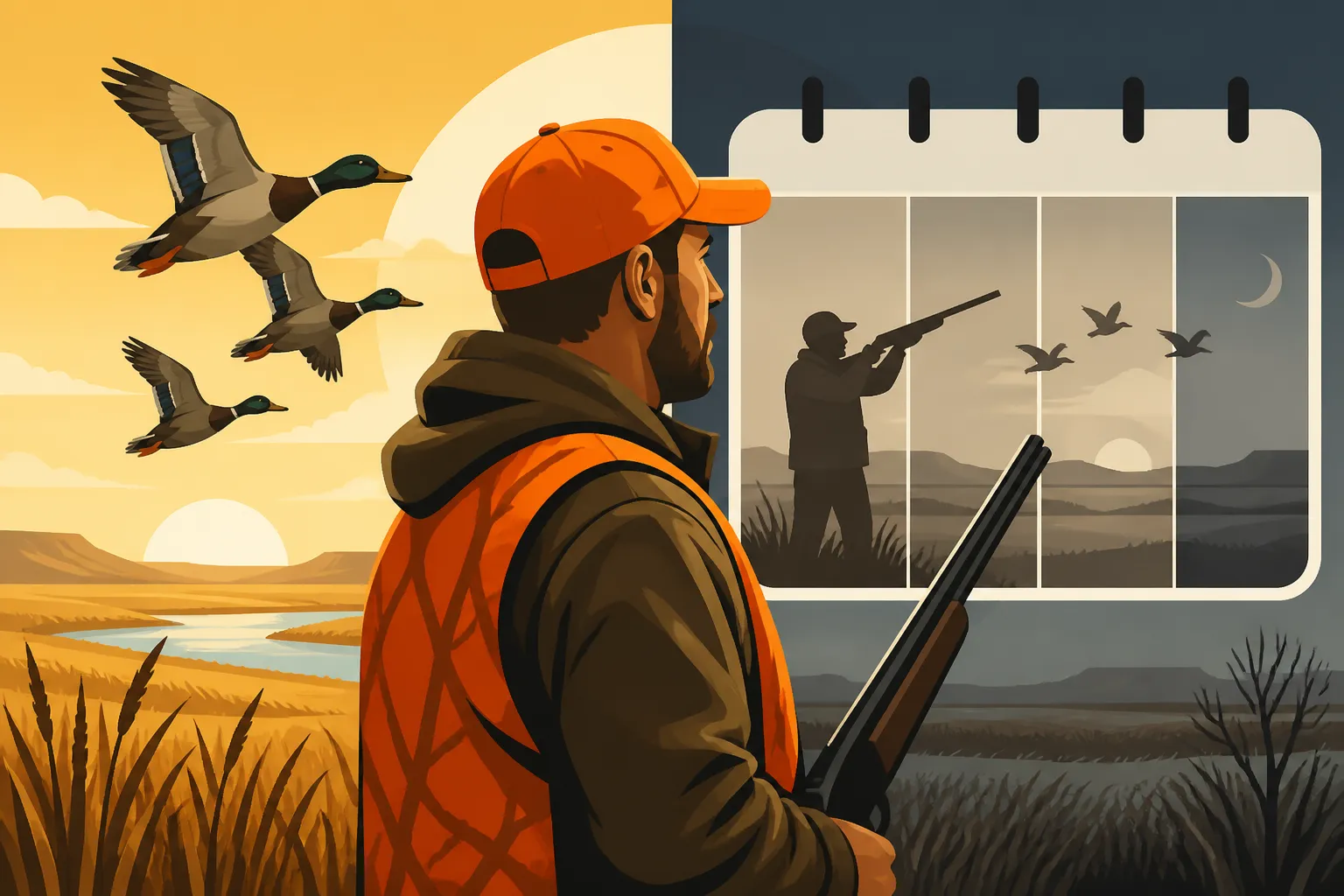
The seventeen-day gun season is a direct tool in achieving this. By concentrating hunting pressure into a relatively short period, the department can more effectively manage harvest numbers. If the season were significantly longer, say 30 or 45 days, it would be much harder to predict and control the total number of deer taken. This concentrated effort also influences the behavior of hunters, often encouraging a more strategic and focused approach, knowing that every day in the field counts. It shifts the emphasis from a leisurely, extended hunt to a more intense, planned outing.
The Role of Science and Data in Decision Making
Every decision about season length, bag limits, and unit quotas in North Dakota is rooted deeply in scientific data. The NDGFD conducts extensive population surveys throughout the year. Aerial surveys, spotlight counts, and hunter harvest reports are just some of the methods used to estimate deer numbers, herd health, and buck-to-doe ratios across the various hunting units. This data isn't just collected and filed away; it actively informs the regulations for the upcoming seasons.
For example, if aerial surveys after a particularly harsh winter show a decline in deer numbers, particularly in specific units, the department might reduce the number of available tags or even consider shortening the season further in those areas. Conversely, if populations are robust, and habitat can support more deer, tag numbers might increase. It’s a dynamic system, and the seventeen-day season acts as a relatively fixed anchor within these flexible management strategies. This science-driven approach helps ensure that the future of White-Tailed Deer Across North Dakota remains bright for generations of hunters. Tools like GoHunt can help you analyze some of this publicly available data, giving you a better understanding of herd trends and density by unit as you prepare your application for North Dakota's Lottery-Based Deer Gun Season.
Factors Influencing the Seventeen-Day Season Length
The specific length of North Dakota’s deer gun season isn't just pulled out of a hat. Several key factors, unique to the state's geography, wildlife, and hunter culture, play a significant role in determining this concise seventeen-day window.
Pressure on the Resource and Hunter Crowding
Imagine for a moment if North Dakota had a two-month-long gun season. The sheer number of hunters spread out over such an extended period could lead to intense pressure on deer populations, especially in more accessible areas or on public lands. A shorter season helps to manage this pressure by creating a relatively uniform hunting period. While it might feel crowded for the first few days, this concentrated effort ultimately allows deer to recover and resume more natural behaviors once the season closes. This also contributes to the quality of the deer herd, as bucks have a better chance to reach older age classes when the intense pressure is removed after a specific, short period.
The NDGFD also considers the social aspect of hunting. While some hunters might prefer solitude, a sense of community and shared experience is also important. The seventeen-day season fosters this, as many hunters plan their trips for the same time, often coinciding with North Dakota Gun Season Opening Day or the peak of the rut. This shared experience is a big part of the North Dakota deer camp tradition, bringing families and friends together for a short, intense period of hunting.
The Timing of the Rut and Peak Activity
One of the most significant factors influencing the gun season's timing is the deer rut. In North Dakota, the peak of the whitetail rut typically falls in early to mid-November. By strategically placing the seventeen-day gun season to overlap heavily with this period, the NDGFD maximizes hunter success rates. During the rut, bucks are actively seeking does, often moving more during daylight hours and exhibiting less caution. This increased movement makes them more visible and vulnerable to hunters.
The department wants to provide the best possible chance for hunters to fill their tags, and aligning the season with the rut is a highly effective way to do this. A longer season that extends far past the rut might see significantly diminished success rates, leading to hunter frustration and potentially wasted effort. This strategic timing ensures that hunters are in the field when the deer activity is at its highest, offering an exciting, action-packed experience for those who choose to venture out during this prime window. Understanding Hunting the Rut in Early-to-Mid November is key to maximizing your success in this brief but opportune period.
Nonresident Hunting and License Allocation
While the primary focus of deer management is often residents, the regulations also consider the impacts on nonresident hunters. North Dakota’s deer gun season draws hunters from across the country, eager to experience the state's unique hunting opportunities. The short season, combined with specific licensing rules for nonresidents, helps manage overall hunter numbers and allocate opportunity.
Nonresidents typically apply for licenses through a lottery system, and the availability of these tags is directly tied to the state's herd management goals. A controlled, seventeen-day season helps maintain predictable harvest numbers, which in turn influences how many North Dakota Nonresident Deer Gun Lottery Cost tags can be offered each year. This balance ensures that resident opportunities are prioritized while still allowing a carefully managed number of nonresidents to participate. It's a delicate dance to ensure everyone gets a fair shake while upholding the integrity of the deer resource.
The Impact on Hunters and Hunting Strategies
For hunters, the seventeen-day season means a different kind of challenge and opportunity. It's not a marathon; it's a sprint. This condensed timeframe requires careful planning, focused effort, and a keen understanding of deer behavior in North Dakota's diverse landscapes.
Maximizing Your Chances in a Short Window
With only seventeen days, every moment in the field counts. This means pre-season scouting becomes paramount. Hunters need to identify potential bedding areas, travel corridors, and feeding sites well before North Dakota Gun Season Opening Day. Using tools like GoHunt or the Scouting PLOTS Land With the ND Hunt App can be invaluable for identifying potential hotspots and understanding property boundaries. Knowing where deer are likely to move, especially during the rut, can make all the difference.
Many hunters will also employ specific strategies to make the most of the limited time. This might include intense periods of still-hunting, strategic placement of ground blinds or treestands, or even organizing small deer drives in suitable cover. Understanding Hunting a Shelterbelt Edge for Deer or Hunting Standing Corn for Late-Season Geese (which can also hold deer) are examples of focused tactics that become critical. Hunters often need to be flexible, adapting their plans day-by-day based on weather, wind, and observed deer movement.
Adapting to Weather and Conditions
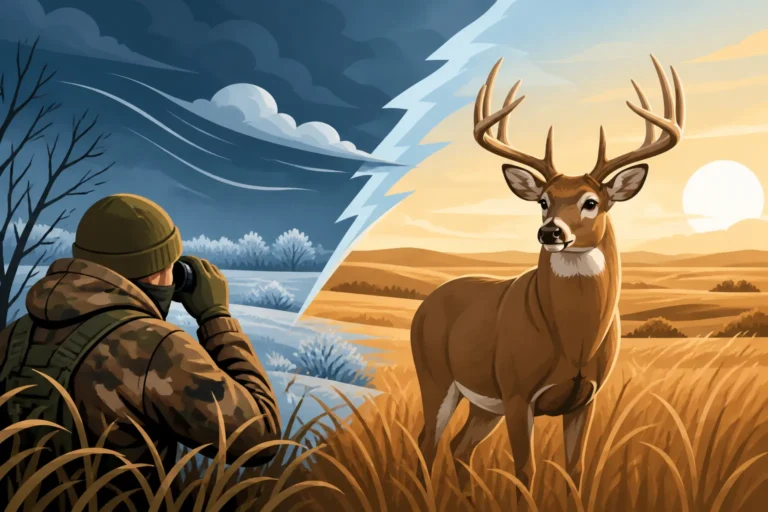
North Dakota weather in November can be notoriously unpredictable. From mild, calm days to brutal blizzards and extreme cold, hunters need to be prepared for anything within that seventeen-day window. A longer season might offer more opportunities to "wait out" bad weather, but with only seventeen days, you often have to make the most of whatever Mother Nature throws at you.
This means being adequately equipped for cold, wind, and snow. Layering clothing, bringing hand warmers, and having contingency plans for sudden changes in conditions are essential. Snow can be a blessing, making tracking easier and highlighting deer trails, but it can also make travel difficult. High winds might keep deer bedded, requiring hunters to adjust their approach. The short season demands resilience and adaptability, turning potentially adverse conditions into part of the challenge and reward. Being ready for Hunting Into a December Cold Snap (even if it comes early) is crucial.
The Value of a "Quality Over Quantity" Approach
While some might lament the brevity of the season, many North Dakota hunters appreciate the "quality over quantity" experience it often fosters. The focused nature of the hunt, combined with the often-challenging conditions, can lead to incredibly memorable and rewarding experiences. Instead of a drawn-out, perhaps less intense hunt, the seventeen-day season is often packed with excitement and a sense of urgency.
This approach can also contribute to the overall health and trophy potential of the deer herd. By limiting the total hunting pressure to a shorter window, bucks have a better chance of surviving to older age classes. This, in turn, can lead to more mature deer in the population, offering a higher chance of encountering a trophy buck. Hunters are encouraged to make thoughtful decisions, taking the time to identify the deer they want to harvest, rather than simply taking the first available animal, because they know the season won't last forever.
Comparing North Dakota to Other States
North Dakota's seventeen-day gun season is certainly on the shorter end compared to some other states, and understanding why involves looking at diverse management philosophies across the country.
Diverse Approaches to Deer Season Management
When you look at deer hunting regulations across the United States, you'll find a wide spectrum of season lengths and structures. Some states, particularly in the South, might have gun seasons that span several months, often broken into archery, muzzleloader, and general firearms periods with generous overlaps. States with very dense deer populations or those facing significant depredation issues on agricultural lands might intentionally opt for longer, more liberal seasons to reduce herd numbers.
North Dakota, however, often manages for quality and sustainability in a more arid environment with less consistent habitat than some other regions. The shorter season reflects a conservative management strategy aimed at maintaining a robust, healthy population. It's not about maximizing deer killed; it's about providing a sustainable harvest without jeopardizing the long-term health of the North Dakota Deer Population Estimate. This approach is particularly important in a state where severe winters can sometimes take a heavy toll on deer numbers, making controlled harvest even more critical.
The Future of North Dakota's Gun Season
The NDGFD constantly reviews and adjusts its hunting regulations. While the seventeen-day general gun season has been a consistent staple for many years, it's not set in stone forever. Changes could be prompted by several factors. A series of exceptionally mild winters and booming deer populations might lead to discussions about extending the season in certain units to increase harvest pressure. Conversely, a string of harsh winters, coupled with disease outbreaks like Chronic Wasting Disease (CWD), could prompt further reductions in season length or tag numbers.
The ongoing spread of CWD is a significant concern for the department. As North Dakota's Expanding CWD Hunting Units become a more prominent part of the landscape, the NDGFD may need to implement more targeted or flexible hunting strategies, which could include adjustments to season length in affected areas. Hunters themselves also play a role through their feedback and participation in public meetings, ensuring the regulations remain responsive to both ecological needs and hunter desires. For now, the seventeen-day season remains a core part of North Dakota's deer hunting identity, a testament to a management philosophy that prioritizes sustainability and quality.
| Reason for 17-Day Season | Explanation | Impact on Hunters |
|---|---|---|
| Herd Health | Prevents overharvest, especially of mature bucks, ensuring a sustainable and healthy deer population. | Requires focused effort and strategic hunting to maximize success. |
| Managing Pressure | Concentrates hunting pressure into a short window, allowing deer to recover and reducing year-round stress. | Can lead to higher hunter density in the field, especially early on. |
| Rut Overlap | Season is strategically timed to coincide with the peak of the deer rut, maximizing deer movement and hunter success. | Offers prime opportunities for encountering active, less cautious bucks. |
| Habitat Limits | Accounts for the unique North Dakota landscape, which can be less forgiving than other regions in terms of winter deer survival. | Emphasizes efficient scouting and adaptability to local conditions. |
| Data-Driven Decisions | Based on extensive population surveys, harvest reports, and scientific data to set appropriate harvest levels. | Hunters benefit from a well-managed herd, but must adhere to strict limits. |
For those of us who call North Dakota home, or who travel here to hunt, understanding the 'why' behind our hunting regulations makes us better, more informed conservationists. The short, intense deer gun season is a reflection of careful stewardship, designed to ensure that the thrill of the hunt endures on our vast prairies for years to come.
Disclaimer
The information provided in this article is for general informational purposes only and does not constitute legal advice. Hunting regulations are subject to change and vary by specific units and species. Always consult the official North Dakota Game and Fish Department (NDGFD) regulations and proclamations for the most current and accurate information before planning any hunting activity. Ensure you understand all licensing, season dates, bag limits, and ethical hunting practices.