Hunting North Dakota Standing Sunflowers for Deer and Geese
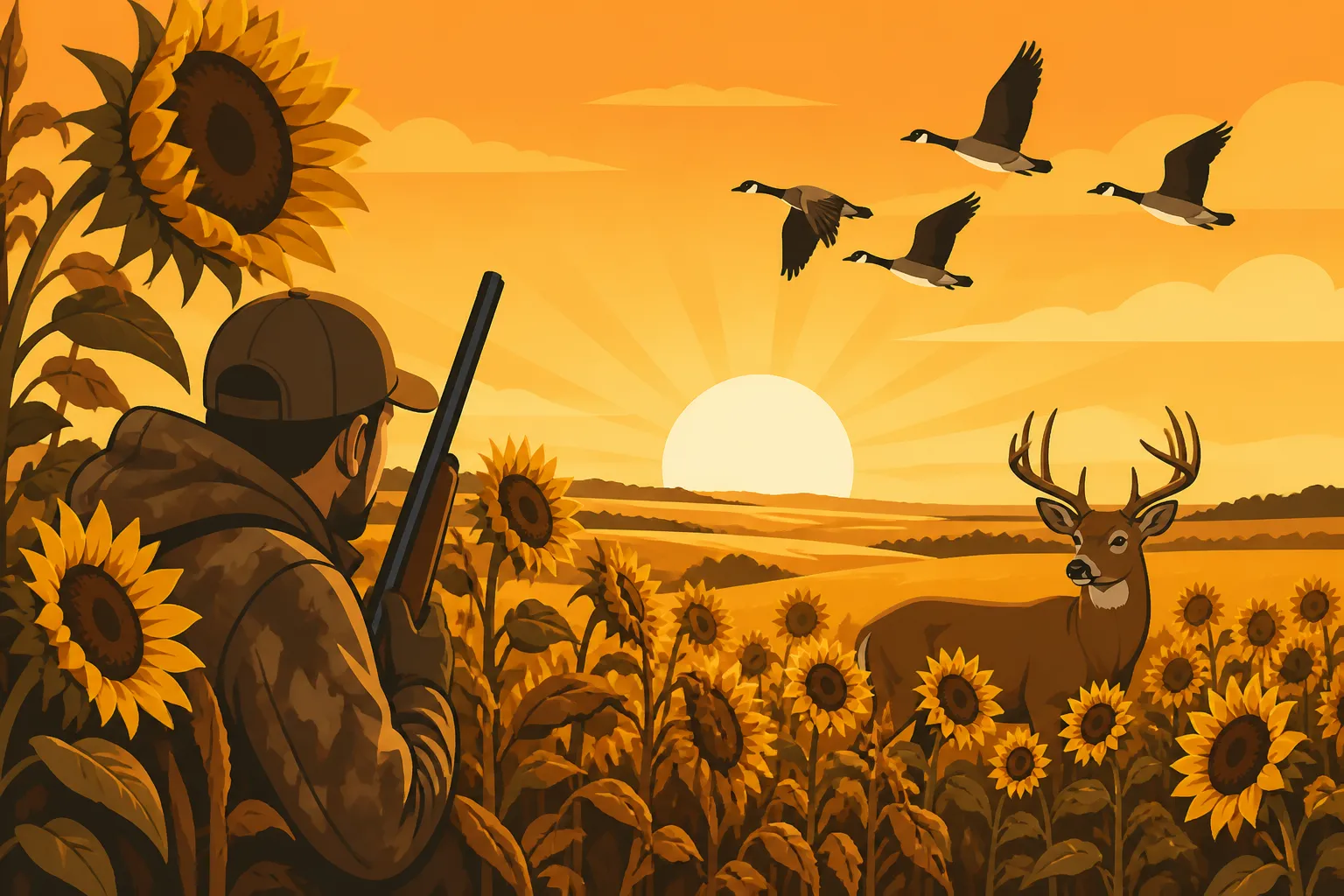
The vast, open landscapes of North Dakota present incredible hunting opportunities, but sometimes the most productive spots are also the most challenging to approach. Trying to figure out how to effectively hunt deer and geese in the same standing sunflower field, especially when they use the cover and food source so differently, can feel like an impossible puzzle. This guide will break down the strategies, techniques, and considerations needed to successfully target both whitetail deer and migratory geese within the unique environment of North Dakota's standing sunflower fields.
Why Standing Sunflowers Are a Hunter's Goldmine
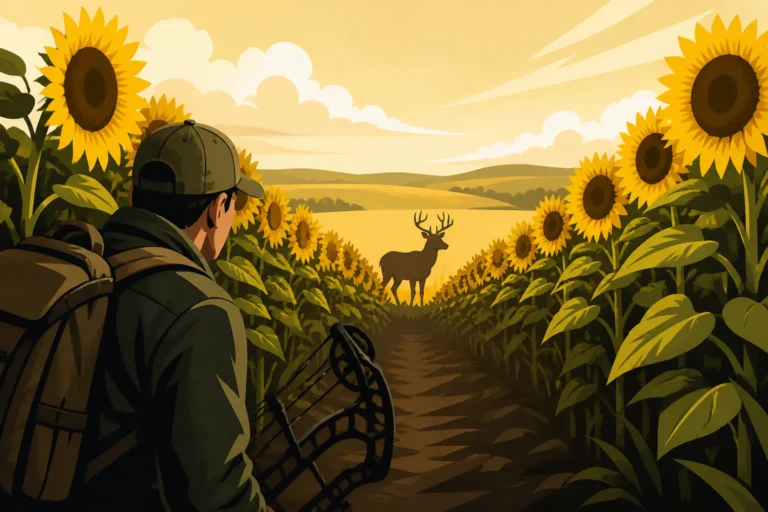
There's something magical about a field of towering sunflowers, their heads heavy with seeds, stretching out under the expansive North Dakota sky. But for the hunter, these fields are more than just pretty scenery; they're an ecological magnet, offering an irresistible combination of food and cover for a wide array of wildlife, from the smallest pheasants to the largest whitetails and, of course, countless geese. Understanding this dual appeal is the first step to unlocking their hunting potential.
The Dual Allure for Deer and Geese
Let's talk about why these fields are so incredibly attractive. For deer, especially whitetails, standing sunflowers represent a buffet line and a fortress all rolled into one. The seeds are a highly nutritious, high-fat food source that’s invaluable as seasons turn colder, providing crucial energy reserves. Deer will browse the plants themselves, but the dropped seeds are the real draw, particularly after a few hard frosts or light snows start to knock them down. Beyond food, the dense, tall stalks offer unparalleled thermal cover, shielding deer from bitter winds, driving snow, and even providing shade on warmer late-season days. This thick cover also acts as an incredible sanctuary from human and predator pressure, allowing deer to feel safe bedding and moving within the labyrinth of stalks.
For geese, it’s all about the food. Sunflowers are an absolute goose magnet, almost as potent as corn or wheat fields. Canada geese, snow geese, and even smaller cackling geese will descend upon these fields in massive numbers, gobbling up the high-energy seeds. These birds are looking to fuel their migration south or simply pack on weight to survive the harsh northern winter. The way they utilize a sunflower field is different from deer; geese are looking for a relatively open landing zone within the field, often towards the middle or in areas with slightly shorter stalks, where they can feed and still have a decent line of sight for security. The availability of water sources nearby, even a small prairie pothole slough edge, can further concentrate their activity.
Understanding Sunflower Field Dynamics
The effectiveness of a standing sunflower field as a hunting spot isn't static; it changes dramatically throughout the season, influenced by everything from the stage of the harvest to weather patterns. Early in the season, when the plants are still green and robust, deer might be present but less reliant on the seeds. As the plants dry out and the seeds mature, typically late September through October, both deer and geese start to key in on them. A key factor is the harvest status. Many North Dakota farmers will leave some sunflowers standing, either as a wildlife plot or simply due to wet conditions preventing a full harvest. These unharvested fields become sanctuaries.
Once snow hits, the dynamic shifts even more. Light snow can actually improve deer hunting in sunflowers by knocking down more seeds, making them easier for deer to access. It also makes fresh tracks incredibly visible, giving you clues about bedding areas and travel corridors. However, deep, heavy snow can eventually flatten the stalks, reducing their cover value but potentially making seeds even more available for geese. Wind plays a huge role too; a strong north wind might push geese out of an exposed field, but deer will burrow deeper into the densest cover. You'll want to pay close attention to historical weather patterns and local farming practices when considering Hunting a Standing Corn Field After a Snow.
Scouting and Preparation for Sunflower Hunts
You can't just stumble into a sunflower field and expect success. These fields require meticulous scouting and thoughtful preparation. The sheer density of the stalks, the dual-species potential, and the often-private land ownership demand a strategic approach. Ignoring this crucial phase is a common mistake that leads to frustration and empty game bags.
Pre-Season Scouting and Mapping
Before you even step foot in a potential sunflower field, you need to hit the maps. Online mapping tools, like those offered by GoHunt, are indispensable here. Start by identifying large tracts of standing sunflowers. Look for fields adjacent to known bedding cover like creek bottoms, shelterbelts, or rough CRP land for deer. For geese, scout for fields within a reasonable flight path of major water sources like large lakes or reservoirs. The North Dakota Nonresident Waterfowl Zone Map can also give you an idea of where waterfowl concentrations might be allowed. Use satellite imagery to identify potential entry points, pinch points, and areas of thicker or thinner growth within the field. Look for areas where field access roads, drainage ditches, or natural depressions might create slight breaks in the cover, as these can become natural travel lanes for deer or prime landing zones for geese.
Physical scouting, once you've secured permission if it's private land, should involve looking for specific sign. For deer, you're searching for tracks, droppings, and well-worn trails leading into and out of the sunflower maze. Pay close attention to the edges of the field, where deer often enter, but don't overlook trails that crisscross the interior. For geese, you're looking for feathers, droppings, and "potholes" in the snow or mud where they've been feeding. Observing flight patterns from a distance at dawn and dusk will reveal their preferred entry and exit routes. It's also critical to identify any nearby roost ponds if you're targeting geese, as this will dictate their daily flight path. Remember to check out resources like Scouting PLOTS Land Before Season to get a general idea of how to approach field scouting.
Essential Gear and Clothing
Hunting standing sunflowers, whether for deer or geese, is not a light tackle affair. You need specialized gear and clothing to maximize comfort and effectiveness. For deer, durable, quiet clothing that can withstand brushing against abrasive stalks is a must. Scent control is paramount, as deer will often be bedded deep within the field. Consider an ozone generator for your clothes and a good quality scent elimination spray. You'll also need a comfortable, portable ground blind or a climbing stand if there are suitable trees on the edge. A pair of good binoculars is vital for picking apart the dense cover.
For geese, concealment is king. You'll need a high-quality layout blind or, if legal and feasible, a panel blind that can be brushed in extensively with sunflower stalks. Warm, waterproof clothing is non-negotiable, as you'll often be lying exposed in cold, possibly wet, conditions for extended periods. A good pair of waterproof boots is essential. Don't forget your calls – a variety of goose calls will be needed. And, of course, a robust decoy spread is critical. For both species, having a dependable GPS or mapping app on your phone, perhaps from GoHunt, is incredibly important. Losing your way in a dense sunflower field, especially in fading light, is surprisingly easy. Always pack more water and snacks than you think you'll need, and a small first-aid kit.
Strategies for Deer in Standing Sunflowers
Hunting deer in standing sunflowers requires a very specific approach, quite different from timber hunting or open field edges. The dense cover dictates how deer move, where they feel safe, and how you, as a hunter, can best intercept them. Patience and a deep understanding of deer behavior within this unique habitat are your greatest assets.
Entry and Exit Routes for Whitetails
The biggest challenge when hunting deer in standing sunflowers is often getting to your spot undetected. Deer feel incredibly secure in these fields, and any undue disturbance, especially early in the morning or late in the evening, will quickly educate them and push them out. Your entry route needs to be as subtle as possible. Consider using drainage ditches, creek beds, or low spots in the terrain that offer natural concealment. If you're walking through the field itself, move slowly, break stalks as quietly as possible, and use the wind to your advantage. Try to identify primary entry routes through standing sunflowers by looking for obvious trails during scouting. These will often be where the sunflowers meet another type of cover, like a timber edge or a brushy fenceline.
Exit routes are just as important. If you push deer out of the field when you leave, they're less likely to return quickly. Try to exit quietly, again using natural features for cover, and consider waiting until well after shooting light has faded. Sometimes, having a buddy pick you up at a different access point can reduce pressure. The goal is to become a ghost – in and out without the deer ever knowing you were there. Thinking about Hunting a Shelterbelt Edge for Deer might give you ideas for how deer transition between different types of cover adjacent to the sunflowers.
Setting Up for Success
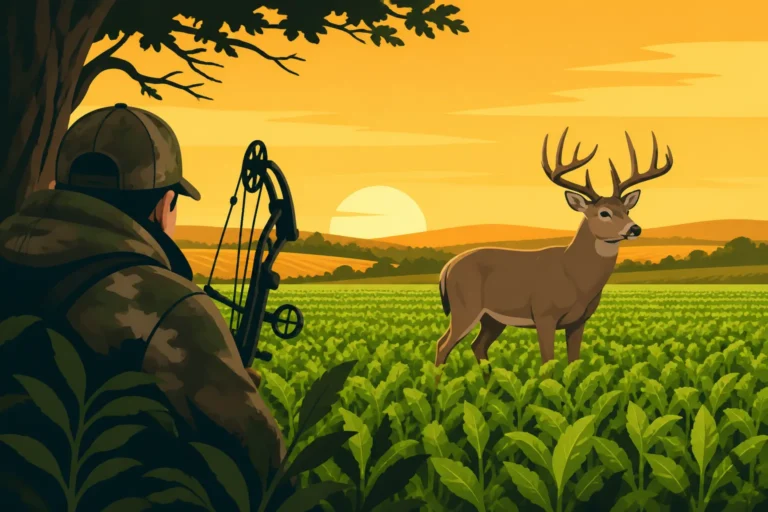
When it comes to your setup, stealth and concealment are paramount. Ground blinds are often the most practical option within the dense environment of standing sunflowers. You can brush them in heavily with natural vegetation, making them virtually invisible. Position your blind near a prominent deer trail, a slight opening, or a convergence of trails within the field. Pay close attention to wind direction; even though the sunflowers offer some wind break, deer will still use the wind to detect danger. Setting up downwind of where you expect deer to be moving is crucial.
If there are any suitable trees on the very edge of the sunflower field, a treestand can also be effective. This offers a higher vantage point, which can be invaluable for spotting deer moving through the dense stalks, though shot opportunities might be limited by the cover. When placing a treestand, focus on areas where deer might transition from the sunflowers to another food source or bedding area. Remember, the deeper you get into the field, the more critical your setup becomes. Using a good mapping tool, like GoHunt's detailed satellite imagery, to mark your setup location and plan your approach beforehand can prevent last-minute mistakes. Consider late-season food sources for North Dakota whitetails, as they'll gravitate towards the richest fields.
Reading Deer Movement Within the Field
Deer movement in standing sunflowers can be subtle and unpredictable. They don't always follow straight lines. Instead, they'll weave and crisscross, sometimes pausing for long periods, especially if they are bedded. Look for subtle swaying of the stalks, the flash of an ear, or a quick flick of a tail. Pay attention to changes in elevation or density within the field; deer will often use slight rises or thicker patches for bedding. During daylight hours, deer are most likely to be bedded down, only moving short distances to feed. Your best bet is to be in position early and stay late, catching them as they transition from bedding to feeding in the golden hours of dawn and dusk.
Midday hunts can also be productive, especially during colder weather or the rut, as deer might move more frequently between thermal cover and food. Rattling antlers or making soft grunt calls can sometimes entice a curious buck to investigate, but use them sparingly in such dense cover. Because visibility is often limited to short distances, having a clear shooting lane is vital. You might need to trim a few stalks around your blind, but do so minimally and well in advance of your hunt to avoid creating suspicion. This is a game of patience and observation, where small clues lead to big opportunities.
Tactics for Geese in Standing Sunflowers
Hunting geese in standing sunflowers is a completely different ballgame than hunting deer. While both species are attracted to the food source, their behavior, approach, and the gear needed vary significantly. Geese are herd animals, relying on their numbers and keen eyesight for security, which means your tactics need to focus on convincing them that your setup is a safe and appealing feeding ground.
Decoy Spreads and Field Selection
The success of a goose hunt in sunflowers hinges heavily on your decoy spread and the field you choose. First, identify fields that geese are actively using, either through scouting or by observing their flight paths. Look for areas within the field where the stalks might be slightly shorter, sparser, or where a farmer has perhaps left an unharvested patch adjacent to a cut portion. These "openings" are preferred landing zones. When setting up your decoy spread, prioritize visibility. Full-body decoys are highly effective, especially with movement elements like Texas rigs or wind socks to simulate activity.
Your spread should mimic a natural feeding flock. Place smaller "family groups" of decoys together, with some space between groups. Consider leaving an open landing strip downwind of your blind, leading directly into your spread. If possible, mix in some Canada goose decoys with snow goose decoys if you're targeting multiple species, or focus your spread on the predominant species using the field. A good starting point might be 2-3 dozen decoys, but the more, the merrier, especially for snow geese. You might also want to consult resources on Decoy Spreads for Prairie Pothole Mallards for ideas on optimizing visibility and realism in open country.
Concealment is Key
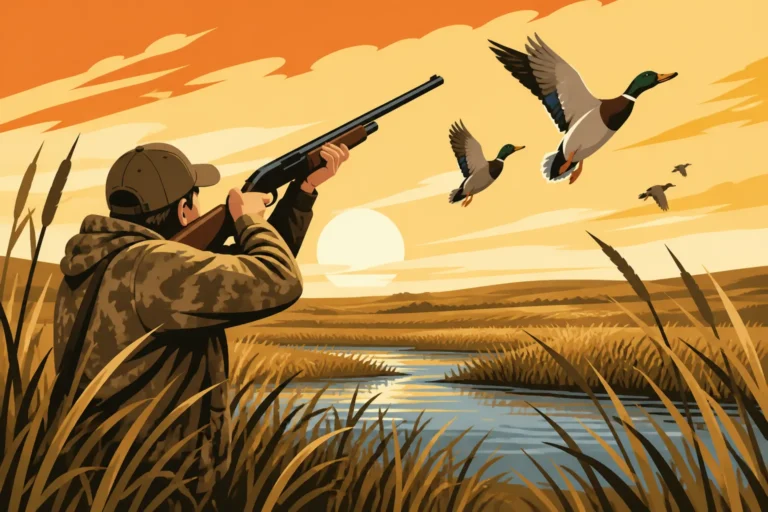
Geese have incredible eyesight, and they will flare at the slightest hint of danger. This means your concealment needs to be absolutely flawless. Layout blinds are the standard for field hunting and are highly effective when properly brushed in. The trick is to match your blind to the surrounding sunflower stalks. Cut down mature, dry sunflower stalks and weave them into the stubble straps and netting of your blind. Don't be shy – cover every inch. Break up the outline of your blind with irregular clumps of stalks. The goal is to make your blind disappear completely into the texture and color of the field.
Position your blinds so that you're facing the prevailing wind, as geese typically land into the wind. This also helps you see them as they approach. If possible, set up your blinds on a slight rise or in an area with a bit more natural cover. Wear dark, earth-toned clothing, or even a leafy suit, to further break up your outline, especially if any part of your body might be exposed when you sit up to shoot. Remember that if you're hunting with a group, all blinds need to be perfectly concealed. Read up on Layout Blind Hunting Devils Lake Fields for more in-depth concealment techniques.
Calling and Working a Flock
Effective calling is vital for attracting geese into your sunflower spread. You'll need to use a combination of calls to simulate a contented, feeding flock. For Canada geese, a mix of clucks, murmurs, and feeding calls is usually sufficient. For snow geese, it's a cacophony of high-pitched barks and growls. Start with soft, inviting calls as geese approach, increasing the volume and intensity as they get closer, mimicking the excitement of a feeding flock.
Pay close attention to how the birds respond. If they hesitate, back off the call. If they continue to work, maintain the rhythm. Don't overcall; let the decoys do some of the work. As the geese commit and begin to set their wings for landing, ease off the calling and prepare to shoot. It's a delicate dance between realism and aggressiveness. Learning to read the birds' body language is key – look for cupped wings, dropping feet, and a direct line of approach into your landing zone. Getting this right takes practice, but when a flock commits and decends into your spread, it's an exhilarating experience.
Ethical Considerations and Safety
Hunting, especially in unique environments like standing sunflower fields, comes with its own set of ethical responsibilities and safety considerations. When you're dealing with multiple species, potentially different landowners, and dense cover, these aspects become even more critical to ensure a safe, legal, and respectful hunt.
Navigating Multiple Species Regulations
North Dakota has specific regulations for different game species, and these apply stringently. When hunting deer, you'll need the appropriate deer license and tag, ensuring you're within the legal season for your unit. For geese, you'll need a small game license, federal and state migratory bird stamps, and be HIP certified. It's crucial to understand the North Dakota Duck and Goose Bag Limits and possession limits, which differ by species. Ensure you are aware of North Dakota's Nine Resident-Only Waterfowl Days if you are a nonresident.
One significant challenge with combo hunts is the legal weapon. If you're hunting deer with a rifle, you cannot simultaneously hunt waterfowl, which requires a shotgun. If you're primarily after deer with archery equipment, you could carry a shotgun for geese, but this presents logistical challenges with gear. Most hunters choose to focus on one species per outing or conduct separate hunts in the same area. Always verify your licenses, tags, and understanding of the current North Dakota Hunting Licenses and What They Cost before heading out, and carry them with you, whether digitally or physically. Additionally, be mindful of specific regulations regarding CWD, particularly if hunting in North Dakota's Expanding CWD Hunting Units, as testing requirements might apply to your deer harvest.
Hunter Safety in Dense Cover
Safety is paramount, especially in the dense, vision-obstructing environment of a sunflower field. When hunting deer, even if you are entirely concealed in a ground blind, wearing blaze orange or blaze pink when moving to and from your stand is essential, especially during firearm season. Once in your blind, you may remove it if you choose, but maximizing visibility during transit is a must. If you're still-hunting or doing a small drive, everyone in your party must wear blaze orange.
For waterfowl hunting, while blaze orange isn't required once you're concealed, remember that you're operating shotguns in proximity to others. Always know where your partners are, use designated shooting lanes, and never swing on a bird if it means pointing your barrel at another hunter. Clear communication within your hunting party is vital. When setting up or breaking down blinds, be extra cautious. Always treat every firearm as if it's loaded, keep your muzzle pointed in a safe direction, and be absolutely certain of your target and what is beyond it before taking a shot. The thick stalks can hide not only game but also other hunters or even farm equipment.
Combining Deer and Goose Hunts in Sunflower Fields
The allure of a dual-species hunt in a single, productive location is strong. Imagine dropping a limit of geese in the morning, then shifting gears to pattern a big whitetail buck in the afternoon, all within the same general area. While tantalizing, combining deer and goose hunts in standing sunflower fields presents unique challenges that require careful planning and often, compromise.
The Challenges and Rewards of a Combo Hunt
The biggest hurdle for a successful combo hunt is the differing requirements for each species. Geese typically require an early morning setup, often before legal shooting light, with decoys and layout blinds. This involves significant movement and noise in the field. Deer, especially mature whitetails, are incredibly wary of human presence and noise. A goose hunt, by its very nature, can easily blow out any deer in the immediate vicinity, making a transition to deer hunting in the same field difficult on the same day.
Moreover, the ideal conditions and tactics for each species can conflict. Geese prefer open landing zones within the field, while deer often stick to the densest cover. The optimal location for a goose spread might be far from the best deer trail. Different weaponry, as discussed, also creates a challenge. If you bring a shotgun for geese, you can't ethically or legally use it for deer. Bringing both means more gear and more noise.
However, the rewards can be immense. If you successfully manage the delicate balance, harvesting both a limit of geese and a deer in one trip is an unforgettable experience. The sheer abundance of game that a good sunflower field can hold is remarkable. It’s an exercise in patience and adaptability, pushing your skills as a hunter.
Maximizing Opportunities
If you're determined to try a combo hunt, strategic timing is your best friend. Consider dedicating the very early morning exclusively to geese. Set up your goose spread and get your shooting done before the sun is too high. Once the goose action dies down, meticulously pack up your goose gear, making as little noise and leaving as little scent as possible. Then, you might relocate to a separate area of the same field, or a different adjacent field entirely, that you’ve pre-scouted specifically for deer.
Another approach is to focus on geese in the morning, and then use the midday hours for tracking or still-hunting deer in a separate, undisturbed section of the field, or in adjacent cover that deer have been pushed into. The evening then could be dedicated to an ambush deer hunt from a ground blind on a known deer trail. Using a good mapping app, such as one from GoHunt, to mark distinct "goose zones" and "deer zones" within a large field can help manage your expectations and movements. You might also consider spreading out your efforts over multiple days, dedicating one morning to geese and the next to deer. Ultimately, maximizing opportunities in a combo hunt means being flexible, acknowledging the compromises, and prioritizing your target species based on current conditions and scouting intelligence.
Disclaimer
The information provided in this guide is for general informational purposes only and is not intended as legal advice. Hunting regulations, seasons, and licensing requirements can change rapidly. It is the responsibility of every hunter to consult the official North Dakota Game and Fish Department regulations, federal hunting laws, and any relevant local ordinances before hunting. Always prioritize safety, ethical hunting practices, and respect for landowners and wildlife.