Layout Blind Hunting Devils Lake Fields
Hunting ducks and geese in the vast, open agricultural fields around North Dakota's Devils Lake can be incredibly rewarding, but it presents a unique set of challenges that can quickly frustrate even seasoned waterfowlers. Those birds didn't get smart by flying into obvious traps, and trying to hide in a stubble field with no natural cover often feels like trying to vanish on a football field. This guide will walk you through everything you need to know about successfully hunting these wary birds from the ultimate concealment tool: the layout blind.
Understanding the Devils Lake Field Hunting Challenge
The Devils Lake region of North Dakota is a waterfowl hunter's paradise, but it's also a landscape that demands respect and smart tactics. The sheer number of birds that stage here during migration is staggering, but these aren't naive young birds. They've seen it all, and they're quick to pick up on anything out of place in their feeding grounds.
The Wary Nature of Prairie Waterfowl
North Dakota's ducks and geese, especially those that have been migrating for a while, become incredibly wary. They've been shot at, missed, and pressured across multiple states and provinces. When they settle into a field to feed near Devils Lake, their senses are on high alert. They’re looking for any hint of danger – unnatural shapes, reflective surfaces, or anything that doesn't blend seamlessly into their environment. Geese, in particular, often circle several times, scanning the entire area from hundreds of feet up before committing to land. A single glint of sunlight off a gun barrel, an ill-placed blind, or a hunter standing up too soon can spook an entire flock, sending them spiraling into the sky, often never to return to that spot for the day. This is why the element of surprise and flawless concealment is absolutely paramount for success here.
The Open Landscape and Limited Cover
Unlike hunting along river bottoms or in marshes where natural reeds, trees, or topography offer inherent cover, the agricultural fields surrounding Devils Lake are predominantly flat and open. After harvest, you're often left with little more than stubble – whether it's wheat, corn, or sunflower. This lack of natural concealment means you can't just throw on some camo and expect to disappear. The vast, unbroken horizon makes anything sticking up, even a few inches, glaringly obvious to birds with incredible eyesight. This is precisely why layout blinds were invented, offering a low-profile solution that allows hunters to practically melt into the field, mimicking the ground itself and allowing the hunter to disappear into the vast expanse. It's a game of deception, and in such open country, your blind's ability to become invisible is your most important asset.
Essential Layout Blind Gear and Setup
Success in the field around Devils Lake hinges heavily on your gear and how meticulously you set it up. It's not just about having a blind; it's about having the right blind and making it disappear.
Choosing the Right Layout Blind
When it comes to layout blinds, one size does not fit all, especially in North Dakota's diverse fields. You'll want a blind that is rugged enough to withstand prairie winds and durable enough for consistent use. Brands like Avery, Final Approach, and Rogers Sporting Goods offer a wide range of options, each with slightly different features. Consider the low-profile blinds, often called "pancake" or "coffin" blinds, which are designed to hug the ground as tightly as possible. A key feature to look for is a blind with ample stubble straps and a strong frame that won't collapse in the wind. The color and pattern are also crucial; earth tones or patterns that mimic dried stubble or dirt are usually best. You might even consider having a couple of different blinds if you hunt diverse fields, one for corn stubble and another for lighter wheat fields, for example. The goal is to minimize your profile and maximize your ability to blend in.
| Feature | Low-Profile/Pancake Blind | Standard Layout Blind | Advantages for Devils Lake Field Hunting |
|---|---|---|---|
| Profile Height | Very low, inches off the ground | Slightly higher, 10-12 inches | Extremely low profile is critical for wary birds in wide-open fields. |
| Comfort | Can be less comfortable for long waits | Generally more comfortable, better back support | Comfort is secondary to concealment in high-pressure environments. |
| Concealment | Easiest to brush in and disappear | Requires more brushing and careful placement | Superior concealment in sparse stubble, harder for birds to spot. |
| Portability | Lighter, easier to carry and set up | Can be bulkier and heavier | Easier to move between fields during scouting or if birds shift feeding areas. |
| Opening Mechanism | Often face-up doors or simple flaps | Spring-loaded doors, quicker access | Fast, quiet opening is crucial for surprising incoming birds. |
| Ideal Use | Open fields, short stubble, high-pressure areas | Taller stubble, fields with some natural contours | Best for the predominantly flat, exposed fields of the Devils Lake region. |
Decoy Spreads for Field Hunting Success
Your decoy spread is the magnet that pulls birds into range, and it needs to look as natural as possible. For geese, a combination of full-body decoys and shell decoys can create a realistic spread. Focus on numbers to mimic a large, safe feeding flock. Around Devils Lake, you’ll often be targeting Canada geese, so having a good number of Canada goose decoys is essential. However, don't shy away from adding some snow goose or even a few mallard decoys if you see mixed flocks in the area. Motion decoys, like flags or flyers, can add lifelike movement that catches the attention of distant birds. The key is to arrange your decoys in a way that looks like birds are naturally feeding and loafing, leaving a landing zone directly in front of your blinds. For ducks, especially mallards, a tight cluster of decoys simulating feeding birds, perhaps with a few sentries, can be very effective. Remember, the goal is not just to attract them, but to convince them they are safe enough to commit.
Concealment: Brushing In Your Blind
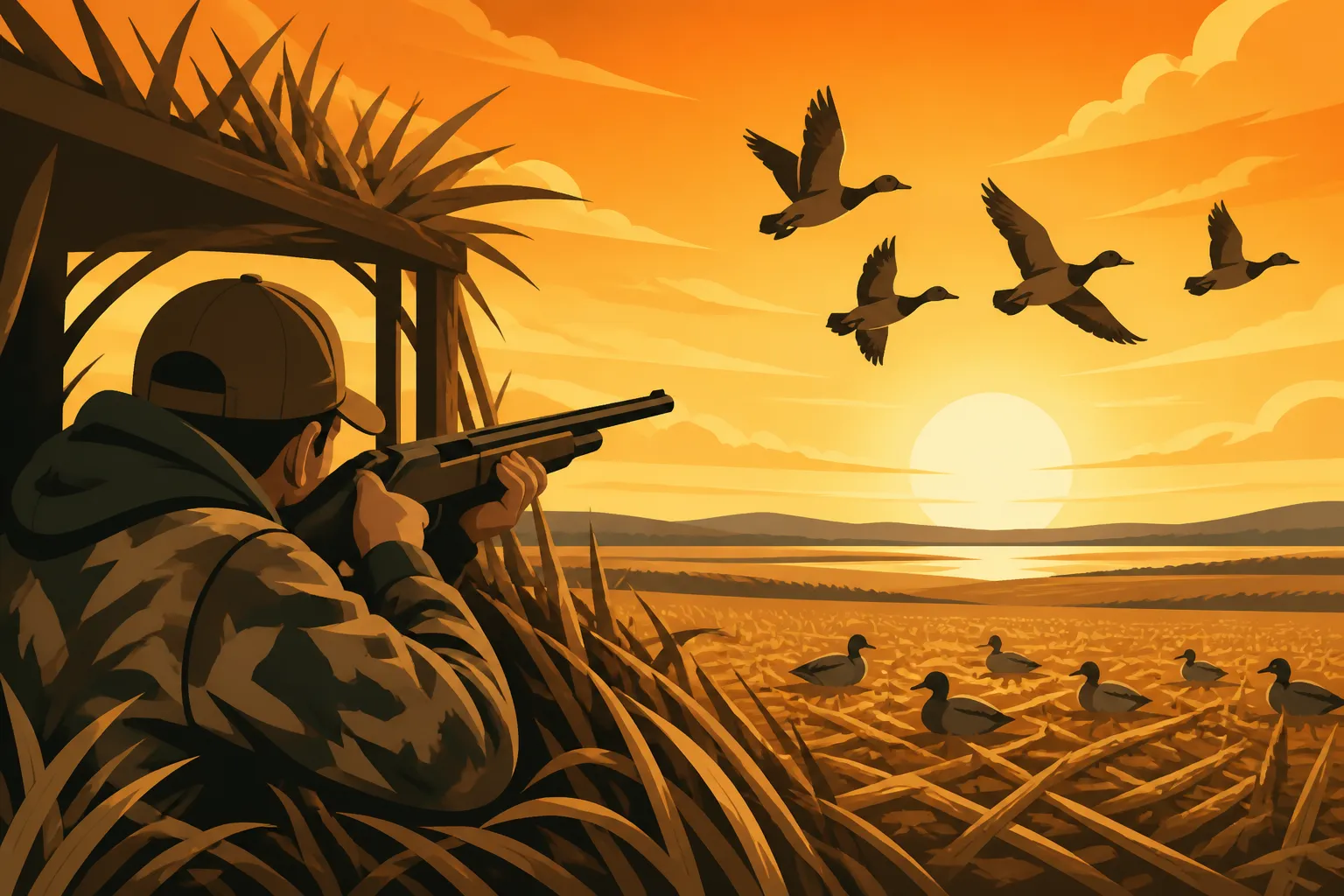
This is arguably the most critical step in layout blind hunting, yet it's often rushed. Your layout blind, no matter how low-profile or camouflaged, will stick out like a sore thumb if it's not properly brushed in. Before you even think about setting up your decoys, gather local vegetation. If you're in a wheat stubble field, use wheat stubble. If it's a cornfield, break off corn stalks. The principle here is simple: use what's naturally there. Lay vegetation over your blind, paying close attention to the edges, which tend to create unnatural shadows. Break up the outline of the blind completely. Many hunters use additional camo netting or even natural grass mats to add another layer of concealment. Don't forget your face; a face mask or face paint is a must. Any exposed skin or reflective surface, from your phone screen to your gun, can spook birds. Take your time, walk a circle around your spread from a bird's-eye perspective (as much as you can), and be brutally honest with yourself: can you see the blind? If so, keep brushing. This meticulous attention to detail will pay off exponentially when that first flock commits. You can find more tips on Brushing In a Blind on a Field Edge.
Scouting and Location Selection
You can have the best gear and the most perfectly brushed blind, but if you're not where the birds want to be, it's all for naught. Scouting is the backbone of successful field hunting, especially in a dynamic environment like Devils Lake.
Reading Fields for Feeding Patterns
Birds don't just pick a field at random; they're driven by food sources, safety, and established flyways. Around Devils Lake, you'll find various crops throughout the season, from vast expanses of wheat stubble to standing corn, sunflower fields, and sometimes even pea or bean fields. The first step is often to identify which fields the birds are actively using. This means spending time driving rural roads at dawn and dusk, looking for large flocks flying into or out of particular fields. Pay attention to the type of crop they're in. Are they gleaning dropped grain in a cut wheat field? Are they picking through waste corn in a harvested cornfield? Or are they finding refuge in a Hunting Standing Corn for Late-Season Geese? Once you've identified an active field, observe where in that field they prefer to land and feed. Often, it's not just anywhere but a specific corner, a rise, or an area with slightly better cover. Using tools like the GoHunt app for aerial imagery can help you identify subtle topographical features, drainage ditches, or fencelines that might attract birds or offer a slight advantage for blind placement. Remember, birds are creatures of habit, and understanding their routine is key.
Wind Direction and Approach Considerations
The wind is not just a factor; it's often the determining factor in waterfowl hunting. Birds, especially geese, almost always land into the wind. This means your layout blinds and decoys need to be positioned so that the birds are flying into the wind as they approach your landing zone. Typically, you'll want the wind at your back, pushing the birds towards you as they prepare to set down. This gives them the most natural approach, and it positions them for a clean shot as they cup their wings.
Beyond flight path, consider your approach to the field. Can you access your chosen spot without spooking birds that are already there or flying nearby? Are there natural depressions, fencelines, or tree rows you can use to sneak in unseen? Parking your vehicle far from the field and using a cart or sled to haul your gear quietly can make a huge difference. Even a quick flash of a vehicle in the wrong spot can ruin a hunt before it starts. The ideal scenario is to set up well before first light, allowing the field to "settle" and for any birds to return after you've made your entry.
Field Hunting Tactics for Devils Lake Waterfowl
Once you're hidden in your layout blind, the real chess match begins. It’s about more than just pulling the trigger; it's about convincing those birds that your spread is the safest spot in the world.
Calling Strategies for Geese and Ducks
Effective calling is an art form, not just noise-making. For geese, you'll want a variety of calls, from deep honkers to high-pitched clucks and murmurs that mimic a contented flock. When a distant flock is spotted, start with confident, attention-grabbing calls to turn their heads. As they get closer, transition to more subtle, reassuring clucks and moans, like a flock that's happy and feeding. Don't overcall; let the birds work, and listen to their responses. If they're talking back, you're doing something right. Silence can sometimes be just as effective as a well-placed series of calls. For ducks, especially mallards around Devils Lake, a good hail call to grab attention, followed by a series of feed calls and contented quacks, can be deadly. Combine your calling with flagging – a small black or white flag that mimics a landing bird's wings or a feeding bird's head movement. The combination of sound and motion creates a powerful illusion. Practice your calls regularly, and even better, listen to how real birds communicate in the fields. You can learn a lot from simply observing.
Managing the Shot Opportunity
This is where nerves of steel come into play. Once the birds commit and drop into your landing zone, resist the urge to jump up too soon. Let them get comfortable, let them set their wings, and let them fully commit. For geese, this often means waiting until their feet are down and they are just a few feet off the ground, or even on the ground. For ducks, wait until they are cupped and committed, hovering just above the decoys. Communication among hunters in the blinds is crucial; decide beforehand who will call the shot. Often, the person with the best view of the incoming birds will yell "Take 'em!" to signal everyone to rise simultaneously. When you rise, rise with authority and get your gun to your shoulder quickly. Pick a single bird, swing through it, and make a clean shot. Don't try to shoot at the flock; focus on one bird, then another if time allows. After the shot, reload quickly, as often there will be stragglers or curious birds that circle back. This disciplined approach ensures safety, maximizes your ethical harvest, and contributes to a successful hunt.
Overcoming Common Layout Blind Challenges
Hunting from a layout blind isn't always glamorous or easy. The prairie can throw a lot at you, from sudden weather changes to heavy hunting pressure. Being prepared to adapt is key.
Dealing with Changing Weather Conditions
North Dakota weather is notoriously unpredictable. What starts as a calm, clear morning can quickly turn into a windy, snowy, or rainy ordeal. When hunting from a layout blind, you are fully exposed to the elements. Dressing in layers is crucial, allowing you to add or shed clothing as temperatures fluctuate. Waterproof outer layers are non-negotiable, especially for rain or wet snow, which can quickly soak through your blind and clothing, making for a miserable and dangerous experience. Consider a blind with a solid bottom or a ground cloth underneath for added protection against cold, wet soil. High winds can be a particular nuisance, making it difficult to keep your blind brushed in, holding decoys steady, and even shooting accurately. Use robust stakes or sandbags to secure your blinds. On a super windy day, sometimes less is more with decoys, focusing on realism over sheer numbers. Staying hydrated and bringing warm drinks in a thermos can also make a big difference in maintaining comfort and focus during long waits in harsh conditions. Don't let unexpected weather ruin your day; be prepared for anything.
Adapting to Hunting Pressure
Devils Lake is a popular hunting destination, and with popularity comes pressure. You won't always have a field to yourself, especially on weekends or during peak migration. Birds quickly learn to associate certain areas, vehicle types, or even specific calling sequences with danger. If birds are flaring high or avoiding your spread, it might be due to existing pressure. To counter this, you need to be flexible. This might mean getting to your chosen spot even earlier than usual to beat other hunters. It could also mean having multiple scouted locations, allowing you to move if one field is being heavily worked. Sometimes, Hunting Pressure on North Dakota Public Land means you need to find those overlooked, smaller private tracts or less accessible corners of larger public areas that other hunters bypass. Switching up your decoy spread, trying different calling styles, or even using a smaller, more subtle spread can sometimes trick birds that are wise to larger, more aggressive setups. The GoHunt app can be invaluable here, helping you identify potential access points and boundaries for both public (like PLOTS land) and private ground. Remember, adaptation is the name of the game in pressured environments.
Safety and Ethics in Field Hunting
Beyond the thrill of the hunt, upholding safety and ethical standards is paramount. We all share the responsibility of being good stewards of the land and the wildlife.
Legal Requirements and Best Practices
Before you even step foot in a field, make sure you're compliant with all North Dakota Game and Fish Department regulations. This includes having the appropriate licenses, such as a North Dakota hunting license, small game license, and a federal duck stamp. Don't forget your Harvest Information Program (HIP) certification if you're hunting migratory birds – it’s often overlooked but mandatory. Also, be aware of specific bag limits and possession limits for ducks and geese, as these can vary. Understanding when North Dakota Duck and Goose Bag Limits apply is essential.
For non-residents, there might be specific rules regarding when you can hunt public land, such as the initial nine-day restriction for waterfowl, so ensure you understand What Nonresidents Can Do During the First Nine Days. Safety is non-negotiable. Always wear eye and ear protection. Clearly communicate shot zones with your hunting partners to avoid swinging on birds in another hunter's line of fire. Never shoot at low-flying birds over a blind, and be absolutely certain of your target and what's beyond it. A well-placed shot is always preferred over a lucky one, and knowing your effective range for your shotgun and chosen load is critical.
Respecting Landowners and Fellow Hunters
A significant portion of North Dakota is privately owned, and access to these fields is a privilege, not a right. Always secure explicit permission from landowners before hunting on their property. This means before scouting, before setting up, and before hunting. A simple knock on the door, a polite conversation, and leaving the property cleaner than you found it can go a long way in building relationships and securing future access. For private land, understanding North Dakota Trespass and Permission Law is fundamental.
Even on public land, respect for fellow hunters is crucial. Avoid setting up too close to another hunting party's spread, which can disrupt their hunt and create unsafe conditions. If you see another group has beaten you to a spot, move on. The prairie is vast enough for everyone. Picking up all your trash, spent shells, and leaving no trace is simply good etiquette. By consistently demonstrating respect for the land, wildlife, and people, you ensure that hunting opportunities remain viable for generations to come.
Disclaimer
Please remember that hunting regulations can change. Always consult the latest North Dakota Game and Fish Department proclamations and rules before heading afield. This guide is for informational purposes only and does not supersede official legal documents.