Richland County Public Hunting Ground
Richland County, nestled in North Dakota's southeastern corner, often feels like a riddle for hunters. On one hand, it's known for its incredibly productive agricultural land and proximity to prime waterfowl flyways and pheasant country. On the other hand, finding reliable public access here can be a real headache, especially when you're used to the wide-open spaces of the western Badlands. This guide is all about untangling that riddle, showing you how to pinpoint public hunting grounds in Richland County and make the most of your time in this unique corner of the state.
Getting Your Bearings: What Makes Richland County Unique for Hunters?
When you think of North Dakota hunting, images of rugged Badlands coulees or vast prairie pothole regions often come to mind. Richland County, however, offers a distinctly different landscape. Here, the Red River Valley dominates, characterized by incredibly rich, flat agricultural fields. This isn't rugged terrain where you'll be scaling bluffs; it's a land shaped by farming, with shelterbelts, drainage ditches, and patches of remnant prairie or CRP (Conservation Reserve Program) land interspersed among the corn, soybeans, and wheat. This unique environment directly impacts hunting opportunities and, more importantly, public access.
The prevalence of private farmland means that securing hunting ground often revolves around understanding the various public access programs, or building relationships with landowners. It's a different game than heading out west and expecting large tracts of BLM land. Many hunters feel frustrated driving through endless private fields, wondering where on earth they're actually allowed to hunt. This feeling is totally valid; the landscape itself can be deceptive, appearing open but legally closed. It requires a more strategic approach, focused on mapping tools and a keen eye for designated access points. The abundance of food and cover, though often on private ground, makes Richland County a haven for various game species, which is why figuring out access is so crucial.
Navigating Public Access in Richland County: Your Key to Success
Finding public hunting ground in a predominantly agricultural county like Richland means understanding the specific programs and designations that provide access. You won't find sprawling national forests here, but rather a mosaic of smaller, often highly productive tracts. The key is to leverage the right tools and know what signs to look for.
The North Dakota Game and Fish Department's PLOTS (Private Land Open To Sportsmen) program is an absolute game-changer in areas like Richland County. These are parcels of private land where landowners have voluntarily opened their property to public hunting in exchange for financial incentives. The beauty of PLOTS is that they're clearly marked with bright yellow triangular signs, so there's no guessing game involved. Always respect the specific rules posted on these signs, as they can vary slightly by tract. Sometimes it's foot traffic only, other times vehicles are permitted on designated trails. Regularly checking the updated PLOTS guide, available online or in print, is essential, as these agreements can change annually. Scouting PLOTS Land With the ND Hunt App can save you a lot of time and gas money by letting you preview these areas from home.
Beyond PLOTS, Richland County also features scattered Waterfowl Production Areas (WPAs) and State Wildlife Management Areas (WMAs). WPAs, managed by the U.S. Fish and Wildlife Service, are often prime locations for duck and goose hunting, but can also hold pheasants and deer, especially along their edges or in adjacent cover. WMAs, managed by the state, are typically larger tracts managed specifically for wildlife habitat and public recreation. Both WPAs and WMAs are clearly signed and are fantastic resources, but they might be fewer and farther between in Richland compared to other regions.
Mapping Tools: Your Digital Companion
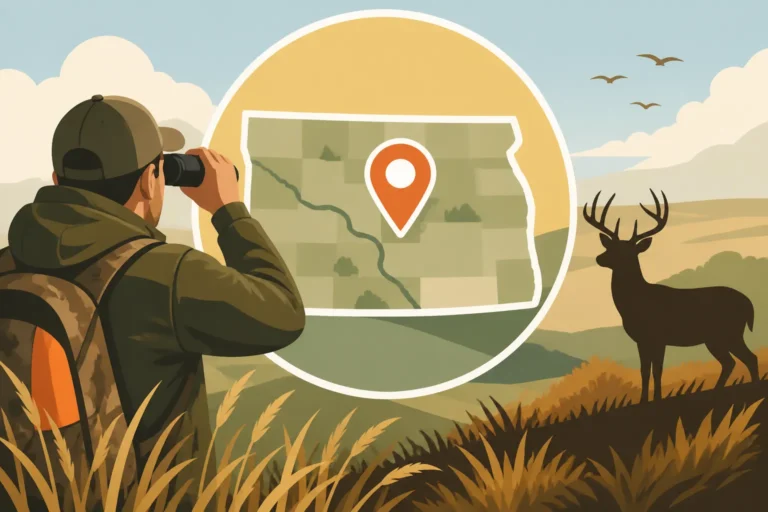
In a county like Richland, a good mapping application isn't just a convenience; it's a necessity. Tools like onX Hunt have revolutionized how hunters navigate these complex landscapes. With onX Hunt, you can instantly see property lines, landowner names, and, critically, identify all public land types – PLOTS, WMAs, WPAs, and even state school trust lands. This allows you to plan your approach, understand legal boundaries, and maximize your hunting time. Instead of driving around aimlessly hoping to spot a yellow sign, you can pinpoint potential hunting spots from home, mark waypoints, and navigate directly to them. This kind of detailed information is invaluable for minimizing frustration and ensuring you're always hunting legally.
Another powerful resource is a platform like GoHunt, which often provides additional data layers or analyses that can help predict game movement based on habitat and environmental factors. While not specifically a mapping tool in the same way as onX, GoHunt helps you understand the why behind game distribution, informing your strategy even when on the ground in Richland County. By combining these resources, you gain a significant advantage in figuring out where the animals are and how to legally access them.
Here's a quick overview of public land types you might encounter in Richland County:
| Public Land Type | Primary Purpose | Key Features for Hunters | How to Identify |
|---|---|---|---|
| PLOTS (Private Land) | Public hunting on enrolled private land | Varying habitat, often adjacent to agriculture | Yellow triangular signs; NDGFD PLOTS guide/app |
| Waterfowl Production Areas | Waterfowl habitat, nesting, and migration | Potholes, wetlands, upland nesting cover | USFWS signs; mapping apps |
| Wildlife Management Areas | Wildlife habitat and public recreation | Diverse habitats, larger tracts sometimes | NDGFD signs; mapping apps |
| State School Trust Lands | Managed for state education fund, often leased | Varying, often grasslands or crop edges | Mapping apps (check lease status) |
Remember, even on public lands, always be aware of your surroundings, potential nearby residences, and ensure you're following all relevant regulations, including those for North Dakota Public Land Hunting Hours and any specific rules for the area you are hunting.
Top Species and Effective Tactics in Richland County
Richland County's agricultural dominance and proximity to major waterways mean it's particularly strong for certain species. While you won't find elk or moose here, it's a hotspot for pheasants, various waterfowl, and whitetail deer.
Pheasant Hunting in the Farm Country
Pheasants thrive in Richland County's mix of crop fields, shelterbelts, and remaining grassy cover. The challenge, as always, is access. PLOTS tracts that offer good pheasant habitat – dense grass, cattails, or corn stubble – are gold mines. Tactics often involve walking out cover. On a chilly November morning, focus on the thickest cover available, especially south-facing slopes in shelterbelts or cattail sloughs, where birds will be trying to warm up. Walking slowly with a good dog is invaluable. Without a dog, organizing a small push with a few hunting partners can be very effective for working through larger fields or thicker areas. Remember, pheasants love to run, so staying persistent and pushing birds to a natural barrier like a road or a ditch can be fruitful. For more general information, check out North Dakota Pheasant and Upland Season Rules.
Waterfowl: Ducks and Geese in Abundance
Richland County is situated in a major flyway, making it phenomenal for waterfowl. The numerous sloughs, potholes, and especially the larger bodies of water, combined with abundant food sources in surrounding fields, attract thousands of ducks and geese during migration. Identifying good public waters – typically WPAs or certain PLOTS tracts with water features – is crucial. Decoying in cut grain fields for geese, or setting up on a pothole edge for mallards and pintails, are classic tactics here. Pay close attention to migration patterns and scouting efforts. Birds can move daily, so what was hot yesterday might be quiet today. North Dakota Waterfowl on the Prairie Pothole Flyway provides a broader context for this excellent hunting opportunity. Knowing the North Dakota Duck and Goose Bag Limits is always important before you head out.
Whitetail Deer: Adapting to Agricultural Bucks
Richland County's whitetail deer population is strong, but they are often patterned around agricultural fields and small pockets of timber. Finding larger bucks often means looking for cover adjacent to prime food sources – especially standing corn or bean fields in the early season, and later, winter wheat or leftover crop residue. Hunting shelterbelts or small woodlots that serve as bedding areas, particularly those offering travel corridors between feeding and bedding, can be highly effective. Still-hunting along river bottoms or creek draws where deer feel safe to move during the day is another tactic. Setting up ground blinds or treestands on field edges during the rut can also pay off. Remember, these deer are often nocturnal, so understanding their movements from bedding to feeding areas is key. The North Dakota Deer Harvest Records show consistently good numbers in regions like this.
Planning Your Richland County Hunt: Essential Logistics and Considerations
A successful hunt in Richland County, like anywhere in North Dakota, hinges on solid preparation. From understanding licenses to respecting the land, a little foresight goes a long way.
Licenses and Season Dates
Before you even think about stepping foot in the field, ensure you have all the necessary licenses. This will include a general game and habitat license, and specific licenses for the species you intend to hunt, such as a pheasant license or waterfowl license, plus federal and state duck stamps if pursuing migratory birds. Be aware of application deadlines for deer tags; while some licenses can be purchased over the counter, deer gun tags are typically part of a lottery system. Always consult the current year's North Dakota Game and Fish Department proclamations for precise season dates and regulations. It’s a good habit to keep up-to-date with any changes.
Local Etiquette and Landowner Relations
Even when hunting public land, you'll almost always be in close proximity to private property. This makes sportsman ethics paramount. Always respect property boundaries, pick up all your trash, and leave gates as you found them. If you happen to encounter a landowner while on public land adjacent to their property, a friendly wave and a brief, respectful conversation can go a long way. You never know when that positive interaction might lead to a future opportunity for private land access, even if you’re not actively seeking it at that moment. Many locals value courtesy above all else. North Dakota Sunday Hunting Rules vary by species and location, so always double-check the current regulations to avoid any misunderstandings.
Gear Up for the Terrain and Weather
Richland County's flat, often muddy terrain, especially after rain or snow, means proper footwear is non-negotiable. Waterproof boots are a must. The weather can change rapidly, from crisp autumn days to biting winter winds, so layering is essential. Think about lightweight, breathable base layers, insulating mid-layers, and a waterproof/windproof outer shell. For pheasant hunting, durable briar-resistant pants will save your legs from thorns and tough stubble. If you're waterfowl hunting, waders are indispensable. Also, ensure you carry a compass or a GPS device (like your phone with onX Hunt), enough water, and basic first-aid supplies. A good pair of binoculars will help you scout fields from a distance without disturbing game.
By combining an understanding of the local landscape with effective mapping tools and respectful hunting practices, you can unlock the fantastic hunting opportunities that Richland County has to offer. It might require a bit more planning than some other regions, but the rewards are certainly worth the effort.
Disclaimer
This article is for general informational purposes only and does not constitute professional advice. Laws, prices and regulations vary by location and change over time. Consult a qualified professional for guidance on your specific situation.