Hunting North Dakota’s Souris River Valley
Finding prime hunting ground in North Dakota can often feel like navigating a maze, especially if you're looking beyond the well-trodden paths of the Badlands or the sprawling national grasslands. Many hunters get stuck thinking only of the big-name areas, missing out on some truly incredible, yet often overlooked, opportunities. This guide is dedicated to shedding light on the unique potential of hunting North Dakota's Souris River Valley, detailing its rich habitat, resident game, and the strategies you'll need to make your next hunt a resounding success.
Understanding the Souris River Valley Ecosystem
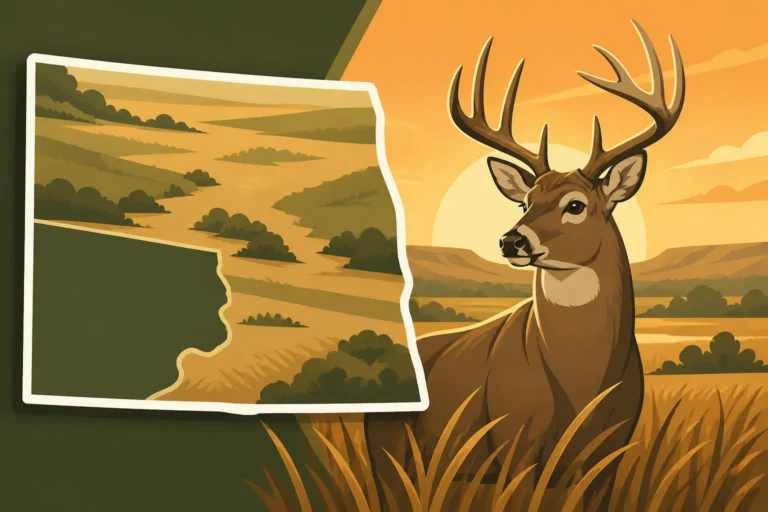
The Souris River Valley, sometimes locally called the Mouse River, is a truly fascinating ribbon of life that winds its way through north-central North Dakota. It's a place that surprises many hunters who might only associate the state with wide-open prairie. But here, you'll discover a dynamic and productive ecosystem, far more diverse than just flat agricultural fields.
Geography and Habitat Uniqueness
What makes the Souris River Valley so special? It's the unique combination of the slow-moving river itself, its associated oxbows, and the significant timber blocks that line its banks. This isn't just a narrow strip; in many places, the valley spreads out into broad bottomlands with dense stands of hardwoods like elm, ash, and cottonwood. These mature trees provide critical cover and thermal protection, which is invaluable during North Dakota's notoriously harsh winters. The river also creates numerous wetlands, marshes, and sloughs, especially in the areas managed as waterfowl refuges or wildlife management areas. Beyond the immediate river corridor, you'll find a patchwork of rolling hills, mixed-grass prairie, and vast agricultural fields. This mosaic of habitat types — from dense timber to open water to cultivated land — creates an incredibly rich environment that supports a wide array of wildlife. The constant presence of water, even when other areas dry up, makes this a magnet for game, drawing them in for sustenance and sanctuary. It’s a corridor that offers everything from thick bedding cover to vital food sources, making it a hotspot for game movement.
Key Game Species Residing Here
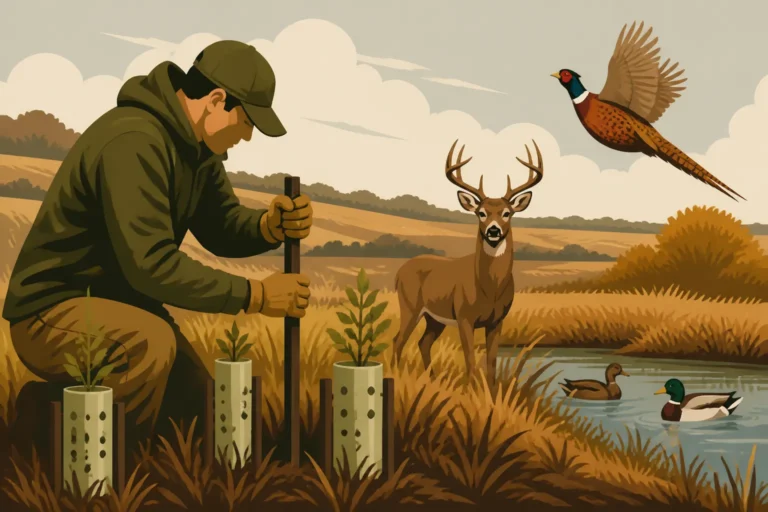
The diversity of the Souris River Valley means a diversity of game species. For deer hunters, both whitetail and, surprisingly, some mule deer can be found here. The whitetails thrive in the river bottom's heavy cover, finding refuge and food in the timber and adjacent agricultural fields. Mule deer, typically associated with the Badlands, will occasionally venture into the more open, rolling prairie edges of the valley, especially where browse is plentiful. Waterfowl hunting is legendary in this region, particularly for ducks and geese, as the river and its many associated potholes and marshes lie directly in the heart of the Central Flyway. You'll find a mix of dabbling ducks like mallards and pintails, as well as diving ducks on the larger bodies of water. Geese, including Canadas and snow geese, frequent the grain fields in the surrounding areas. Upland bird hunters also have opportunities, with pheasants often found in the denser cover along the river and in adjacent cattail sloughs. Sharptail grouse can be found in the more open, grassy uplands, and Hungarian partridge might be spotted along field edges and brushy areas. Beyond these popular species, furbearers like coyotes, foxes, and raccoons are abundant, offering additional hunting and trapping pursuits throughout the season.
Accessing Hunting Grounds in the Souris River Valley
One of the biggest hurdles for any hunter, especially those new to an area, is figuring out where you can actually put boots on the ground. North Dakota offers some fantastic public access programs, but understanding how they work in a specific region like the Souris River Valley is key. It often involves a blend of knowing the regulations and having the grit to ask permission.
Navigating Public Lands: WMAs and PLOTS
The Souris River Valley is fortunate to have a good number of public hunting opportunities, primarily through Wildlife Management Areas (WMAs) and the Private Land Open To Sportsmen (PLOTS) program. WMAs like the J. Clark Salyer National Wildlife Refuge area, though with specific restrictions, or other state-managed WMAs along the river, offer crucial habitat for deer, waterfowl, and upland birds. These areas are specifically managed for wildlife and public access, but it's vital to check the specific rules for each unit, as some may have refuge portions that are closed to hunting or have special regulations. The PLOTS program is another absolute godsend for hunters in North Dakota. These are privately owned lands that the North Dakota Game and Fish Department leases for public hunting access. You'll find PLOTS tracts often strategically located in prime areas along the Souris River, offering access to river bottom timber, cattail sloughs, and adjacent crop fields. While you can find a lot of information on these lands in the annual PLOTS guide booklet, it's always a smart move to use digital tools like onX Hunt to scout these areas virtually beforehand. This allows you to identify access points, property boundaries, and potential holding cover before you ever step foot on the ground. Remember, these lands are often rotated, so what was open last year might not be this year, making current maps essential. Scouting PLOTS land before season is always recommended to understand current cover and game movement. Scouting PLOTS Land With the ND Hunt App can be a great starting point for familiarizing yourself with these vital public access points.
The Art of Gaining Private Land Permission
While public lands are great, securing private land permission can often unlock some of the best hunting experiences, especially in a mixed agricultural and riverine landscape like the Souris Valley. Farmers and ranchers in North Dakota are generally good, honest folks, but they are also busy, and their livelihoods depend on their land. Approaching them with respect and a clear plan is paramount. Don't show up on opening day asking to hunt; instead, try contacting landowners well in advance of the season. A polite knock on the door, a firm handshake, and a brief, respectful conversation go a long way. Be clear about what you want to hunt and when. Offer to share some of your harvest or help with a chore if appropriate. Locals often appreciate hunters who are respectful of their property, close gates, avoid driving off trails, and pick up any trash. Many of the most productive river bottom areas might be owned by smaller family farms, and gaining access to even a few acres can make a huge difference. Showing up with a clean vehicle, presenting yourself professionally, and always asking if you can park in a specific spot or walk a certain route demonstrates your consideration. The key is building a relationship, not just asking for a one-time favor. It's truly an art form, and mastering it can open up incredible opportunities in areas that see very little pressure. For a deeper dive into this often-challenging aspect of hunting, consider reading Getting Private Land Permission in North Dakota.
Species-Specific Hunting Strategies for the Souris River Valley
Hunting different species effectively in the Souris River Valley requires understanding their specific behaviors and how they interact with the unique habitat this area provides. What works for a whitetail in the thick timber might not work for a pheasant in a cattail slough, or a flock of ducks on an open pothole.
Whitetail and Mule Deer Tactics
Deer hunting in the Souris River Valley is primarily focused on whitetails, though as mentioned, an occasional mule deer might surprise you on the prairie fringes. The river bottom timber is the undisputed king for whitetails. These dense, often tangled stands of hardwoods provide incredible cover, food, and escape routes. During the early season, deer will often bed deep in the thickest parts of the timber, emerging to feed in adjacent agricultural fields (corn, beans, alfalfa) or along natural browse lines. As the season progresses and crops are harvested, the river bottom becomes even more critical. Hunters should focus on pinch points, funnels, and natural travel corridors within this timber. Look for well-used trails leading from bedding areas to feeding grounds or water. Setting up treestands or ground blinds along these routes, especially where a secondary creek or ditch empties into the main river, can be highly effective. During the rut, which typically peaks in early to mid-November, bucks will be actively cruising these river corridors looking for does. Consider using rattling antlers or grunt calls during this period to draw in curious bucks. Hunting the Rut in Early-to-Mid November is a fantastic resource for understanding this crucial time. On the more open edges of the valley, particularly where coulees and draws feed into the river bottom, you might encounter mule deer. Spot-and-stalk tactics or glassing from a high point at first and last light can be effective here, focusing on the breaks and pockets of brush where they might bed. Remember the wind and thermals; the river valley can create tricky air currents, especially around bends and timber blocks.
Waterfowl Hunting Hotspots and Methods
Waterfowl hunting in the Souris River Valley is nothing short of phenomenal. The area is a mosaic of marshes, sloughs, oxbow lakes, and the river itself, all of which are magnets for migrating ducks and geese. Identifying hotspots usually means focusing on key feeding and resting areas. During the early season, many ducks will be found on smaller potholes and sloughs, especially those surrounded by cattails and emergent vegetation, where they can feed on aquatic insects and plant matter. As cold weather sets in, larger bodies of water, including wider sections of the Souris River itself, become crucial as smaller waters freeze. Field hunting for geese, especially Canada geese and snow geese, is incredibly popular. Scouts will identify fields where geese are feeding heavily on waste grain (corn, wheat, barley) and set up large decoy spreads. Layout blinds are a staple for this type of hunting, allowing hunters to hide effectively in open fields. Don't forget the potential for pass-shooting along known flight paths between roosting and feeding areas. For duck hunters, setting up over decoy spreads on smaller potholes or river oxbows can be incredibly productive. Waders are essential here, as you'll often be setting up in shallow water or muddy shorelines. Jump-shooting smaller prairie potholes along the valley edges can also yield surprising results, especially if you're willing to put in the legwork. Understanding North Dakota's nuanced waterfowl regulations, including potential zone restrictions or resident-priority days, is critical. For more in-depth knowledge on the broader waterfowl picture in the state, refer to North Dakota Waterfowl on the Prairie Pothole Flyway.
Upland Bird Opportunities: Pheasant, Sharptail, and Partridge
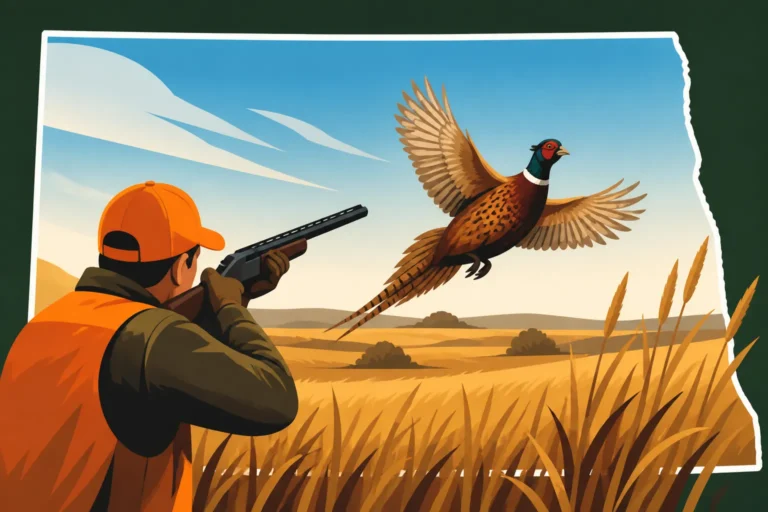
The Souris River Valley isn't just about deer and ducks; it offers excellent opportunities for upland bird hunters as well. Ring-necked pheasants thrive in the dense cover found along the river bottom, particularly in cattail sloughs, thick brush, and shelterbelts adjacent to agricultural fields. Hunting pheasants here often involves walking out thick cover with a good bird dog or a line of blockers. Focus on areas with a mix of dense nesting cover, food sources like harvested grain fields, and winter thermal protection like deep draws or tree lines. Sharptail grouse are more likely to be found on the higher, drier mixed-grass prairie portions of the valley, especially where there's good native grass cover. They'll often flush wild, so being ready for a fast shot is key. Hungarian partridge, often referred to as Huns, are typically found in coveys along field edges, fence lines, and areas with scattered brush and weeds. They can be elusive but offer fast, challenging shooting. A good pointing dog can be invaluable for finding and holding these birds. When hunting upland birds, pay close attention to the wind, as birds will often hold tighter into it. Also, be mindful of hunting pressure; while the Souris Valley might be less pressured than some other well-known pheasant hotspots, birds can still get wary quickly. Understanding the habitat preferences of each species is paramount. For example, Sharptail Grouse Hunting Mixed Grass Prairie delves into specific tactics for those fast-flying birds. Always carry a physical or digital map, like one provided by onX Hunt, to verify boundaries between public and private land, as a covey of Huns or a cackling rooster might lead you across property lines unintentionally.
Gear and Logistics for a Successful Souris River Valley Hunt
Success in the Souris River Valley, much like any North Dakota hunt, often boils down to preparation. This isn't a place where you can just wing it and expect great results. The right gear and a solid understanding of the regulations are non-negotiable.
Essential Gear for River Valley Terrain
Hunting the Souris River Valley presents its own unique gear challenges, primarily due to the varied terrain and often unpredictable weather. For waterfowl, a good pair of waders is absolutely essential. Chest waders are often preferred for their versatility, allowing you to cross shallow creeks, retrieve birds from marshy areas, or set up decoys in knee-deep water. Layered clothing is critical for any North Dakota hunt, and the valley is no exception. Temperatures can swing wildly from morning to midday, and getting wet in cold weather is a recipe for misery. Pack moisture-wicking base layers, insulating mid-layers, and a waterproof/windproof outer shell. For deer hunters in the timber, quiet clothing is a must. A good set of waterproof boots with excellent ankle support will save your feet while traversing uneven river bottom terrain, and blaze orange is required by North Dakota law for certain seasons, so always have it ready. Navigation is another key component. While paper maps are always a good backup, a GPS unit or a reliable mapping app on your phone, like onX Hunt, is invaluable for identifying property boundaries, marking waypoints, and ensuring you don't get turned around in dense timber or vast prairie. Don't forget game calls specific to the species you're pursuing (duck calls, goose calls, grunt tubes, rattling antlers). A durable backpack to carry your essentials, plenty of water, snacks, and a first-aid kit should always be part of your loadout.
Planning Your Trip: Seasons, Licenses, and Regulations
Planning your hunt in the Souris River Valley means meticulously checking North Dakota's hunting seasons, license requirements, and specific regulations for your target species. Hunting licenses are generally obtained through the North Dakota Game and Fish Department's online portal or authorized vendors. Nonresidents will want to pay particular attention to specific license types and application deadlines, as some, like deer gun tags, are lottery-based. Always verify the current season dates, bag limits, and legal shooting hours for ducks, geese, pheasants, and deer. For instance, North Dakota Hunting Licenses and What They Cost provides a great overview of the various permits needed. Waterfowl hunters need to be especially aware of federal duck stamp requirements and HIP (Harvest Information Program) certification. The Souris River Valley's proximity to the Canadian border means you should also be mindful of international border regulations if you're traveling from Canada or if your hunting plans might bring you close to the border, ensuring you have all necessary documentation. Before your trip, take the time to review the annual hunting proclamation, which is released by the Game and Fish Department each year. This document is your bible for all things regulatory and can be accessed online. Platforms like GoHunt can also provide valuable insights into application deadlines and potential drawing odds for lottery species, helping you plan multi-year strategies if needed. Remember, regulations can change, so never rely on outdated information.
| Game Species | Preferred Souris Valley Habitat | Typical Hunting Method | Key Considerations |
|---|---|---|---|
| Whitetail Deer | Dense river bottom timber, adjacent crop fields, thick brush lines | Stands over trails, still-hunting, rattling (rut) | Wind direction, scouting food/bedding, thick cover |
| Waterfowl (Ducks) | Potholes, sloughs, oxbows, larger river sections, flooded crop fields | Decoying, jump-shooting, field hunting | Waders, blinds, checking current water levels & freezes |
| Waterfowl (Geese) | Large agricultural fields (corn, wheat), larger river sections, designated roosting areas | Field hunting with large spreads, layout blinds | Scouting feeding patterns, permission for fields |
| Pheasant | Cattail sloughs, thick shelterbelts, brushy draws, tall grass next to food sources | Walking pushes with dogs, blocking | Good dog, safety with multiple hunters, dense cover |
| Sharptail Grouse | Open mixed-grass prairie, rolling hills, native pastures | Walking wide patterns, pointing dogs | Fast flushes, extensive walking, wind |
| Hungarian Partridge | Field edges, fence lines, weedy cover, short grasslands near agriculture | Walking edges, pointing dogs, often found in coveys | Elusive, unpredictable flight paths, quick shots |
| Coyote/Fox | Open prairie, brushy draws, field edges, timber fringes | Calling, spot-and-stalk | Wind, thermal shifts, camouflage, long-range shooting |
Challenges and Rewards of Hunting the Souris River Valley
Every hunting destination has its unique set of challenges and, often, even greater rewards. The Souris River Valley is no different. It's not always easy, but for those willing to put in the effort, it offers a deeply satisfying experience that stands out from more conventional North Dakota hunts.
Common Hunting Hurdles
Hunting the Souris River Valley isn't without its difficulties. One significant challenge can be hunting pressure, especially on readily accessible public lands or prime waterfowl spots. While it might not see the same overall volume as some of the state's most famous pheasant or deer areas, easy-to-reach pockets along the river can get hit hard. This means often needing to work harder, walk further, or scout more diligently to find unpressured game. Changing water levels, particularly in the spring and fall, can significantly impact waterfowl hunting. A slough that was teeming with ducks one week might be dry or frozen the next, requiring constant adaptation. The thick cover of the river bottom, while excellent for deer, can also be incredibly challenging to navigate. It's often dense, tangled, and can make tracking wounded game a nightmare. Hunters need to be prepared for strenuous walking through mud, brush, and potentially across water. Furthermore, North Dakota's weather itself is always a hurdle. Sudden cold snaps, heavy snow, or even torrential rain can make a planned hunt uncomfortable or even unsafe. Being prepared for all conditions is not just smart; it's essential for survival and success. Learning to read North Dakota Mud for Fresh Deer Movement can sometimes be the only way to track effectively.
Why the Souris Valley is Worth the Effort
Despite these challenges, the rewards of hunting the Souris River Valley are truly exceptional. For one, it offers incredible diversity. Where else can you chase whitetails in dense river bottom timber, then switch gears to decoy mallards on a nearby slough, and finish the day walking for pheasants, all within a relatively small geographic area? This multi-species potential is a huge draw for many hunters. The habitat itself, with its winding river, mature trees, and fertile fields, is simply beautiful and offers a different aesthetic experience than the wide-open prairie. There's a certain wildness to the Souris that captivates. Furthermore, because it's not always the "first choice" for hunters flocking to other areas of the state, there's often the potential to find more solitude and less competition if you're willing to explore beyond the obvious spots. The opportunity to find a truly unpressured whitetail buck or to have a marsh full of ducks all to yourself is a very real possibility here. For the hunter who appreciates a dynamic landscape, diverse game, and the satisfaction of earning their success in a unique environment, the Souris River Valley offers an unforgettable North Dakota hunting experience. It's a place that rewards those who take the time to learn its secrets and embrace its challenges.
Disclaimer
This article is for general informational purposes only and does not constitute professional advice. Laws, prices and regulations vary by location and change over time. Consult a qualified professional for guidance on your specific situation.