Hunting Near North Dakota’s Devils Lake
Hunting around North Dakota's Devils Lake can feel like a game of constantly shifting chess, where the rules of the board change with the water levels, and finding consistent access is a puzzle even for seasoned hunters. This guide is here to untangle the complexities of pursuing waterfowl, deer, and upland birds in this truly unique and dynamic environment, helping you navigate the ever-evolving landscape and increase your odds of a successful hunt.
Understanding the Dynamic Devils Lake Ecosystem for Hunting
Devils Lake isn't your average body of water; it's a living, breathing entity that changes dramatically from year to year, sometimes even season to season. This highly saline, natural lake has seen massive fluctuations in its water levels over the decades, creating a fascinating and sometimes frustratingly fluid habitat for wildlife. What was a dry field last year could be prime shallow-water duck habitat this season, and that sprawling timber stand might now be a ghost forest submerged beneath the surface. This constant change is both its biggest draw and its greatest challenge for hunters.
The Impact of Changing Water Levels on Habitat
The rising and falling waters of Devils Lake directly dictate where game animals live, feed, and travel. When water levels are high, new wetlands emerge, drawing in migratory birds by the thousands and creating flooded timber areas that become incredible cover for deer. Conversely, when the lake recedes, vast mudflats appear, often quickly colonized by dense stands of emergent vegetation or even annual grasses, which can become crucial food sources and thermal cover. This means that scouting here isn't a one-and-done affair; what you knew last year might be completely irrelevant this year. Hunters often feel like they're starting from scratch, learning a new landscape every few seasons, which can be exhausting but also incredibly rewarding when you figure it out.
Understanding the historical patterns and current trends of the lake's water levels is paramount. The lake's expansion and contraction have reshaped the shoreline, isolating islands, creating new peninsulas, and submerging old roads and fencelines. These submerged features can act as underwater funnels for boat traffic or hidden hazards, but they also create subtle changes in water depth that can concentrate waterfowl. For deer, these changes mean constantly adapting their bedding and feeding patterns as their familiar cover disappears or new, unpressured areas emerge. Being aware of the lake's dynamic nature helps you approach your scouting with the right mindset: always expect change and be ready to adapt.
Key Game Species Drawn to the Lake's Edges
Devils Lake is a magnet for a diverse array of game, primarily due to its position in the heart of the Prairie Pothole Region and its mixed habitat zones. Waterfowl, of course, are the undisputed kings here, with ducks and geese utilizing the lake's vast expanses of open water, shallow bays, and surrounding agricultural fields. Mallards, pintails, canvasbacks, redheads, and various teal species are common, alongside Canada geese, snow geese, and even a few greater white-fronted geese. The sheer volume of birds during migration is staggering, making it a bucket-list destination for many duck and goose hunters.
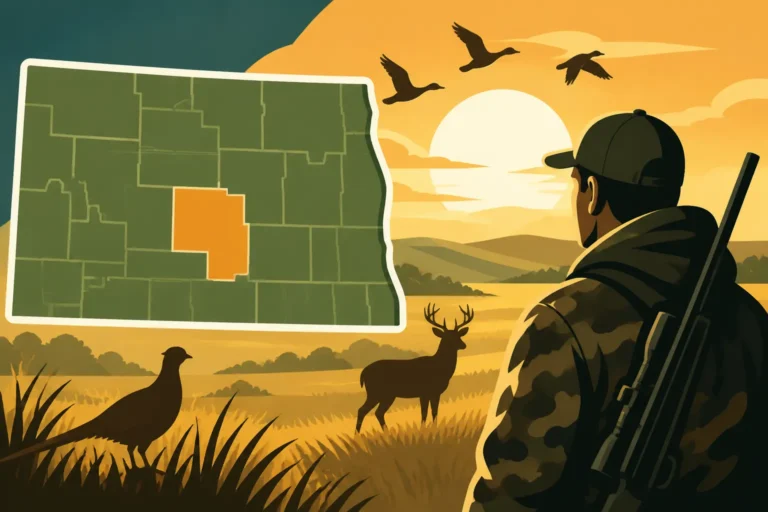
Beyond the feathered inhabitants, the diverse shoreline and surrounding uplands provide excellent habitat for big game and upland birds. White-tailed deer thrive in the dense brush, flooded timber, and shelterbelts that ring the lake, especially in areas where agricultural fields provide abundant food. Deer Density by North Dakota Region shows how productive this habitat can be. Mule deer are less common but can sometimes be found in the more rugged, open prairie areas further from the immediate lake shore. Upland bird hunters also find success with ring-necked pheasants in cattail sloughs and unharvested cover crops, while sharp-tailed grouse prefer the native prairie grasslands on the fringes of the lake basin. Hungarian partridge can also be encountered along field edges and shelterbelts, offering a fantastic mixed-bag opportunity.
Waterfowl Hunting Opportunities on Devils Lake
Devils Lake is legendary for its waterfowl hunting, attracting hunters from across the country. The sheer scale of the lake and its surrounding sloughs, potholes, and agricultural fields means there are myriad ways to pursue ducks and geese. However, this diversity also means that strategies need to be tailored to specific conditions and species. What works for a field full of snow geese won't necessarily work for a small bay holding mallards.
Decoying Over Flooded Fields and Shorelines
One of the most iconic ways to hunt Devils Lake waterfowl is by decoying over flooded fields or shallow shorelines. The lake's expansion often inundates agricultural land, creating a goldmine of submerged grain that ducks, especially mallards, absolutely can't resist. Finding these newly flooded food sources is key. This often involves extensive scouting, either by driving rural roads at dawn and dusk or by utilizing mapping apps like onX Hunt to identify potential areas and confirm land ownership for permission.
Once you’ve located a hot spot, the setup is critical. Large spreads of decoys are often needed to pull birds in from the vastness of the lake. We're talking several dozen, sometimes even hundreds, of decoys to truly stand out. Layout blinds are the go-to for concealment, blending seamlessly into the stubble or mud. The advantage here is that once you're set up and the birds commit, the shooting can be fast and furious. However, the disadvantage is the amount of gear required, the physical effort of setting up in often muddy conditions, and the need to constantly monitor bird movement and adapt your spread. You're trying to create an irresistible buffet in a massive restaurant, so making your table look the most appealing is crucial. Check out Hunting a Devils Lake Flooded Field for more specific tactics.
Layout Blind Hunting Cut Fields for Geese
Beyond the flooded lake edges, the expansive agricultural landscape surrounding Devils Lake offers incredible opportunities for goose hunting, particularly Canada geese and migrating snow geese. These birds often stage on the main lake or nearby large potholes but feed heavily in cut grain fields, especially corn, wheat, or barley stubble. Targeting these feeding fields from layout blinds is a highly effective strategy. Again, scouting is paramount; identifying active feeding patterns is the first step.
The number of decoys needed for geese can be even greater than for ducks, especially for snow geese, where spreads of hundreds, if not thousands, of full-body or silhouette decoys are common. For Canada geese, a more modest spread of a few dozen full-body decoys can be effective, often supplemented with a few motion decoys. Concealment in these open fields is critical, and well-brushed layout blinds are essential. The reward for this effort can be unforgettable flights of geese circling and committing to your spread, offering some of the most exciting hunting experiences the region has to offer. Be mindful of the North Dakota Duck and Goose Bag Limits to ensure you're compliant.
Deer Hunting Around Devils Lake and Surrounding Cover
While waterfowl often steal the spotlight, Devils Lake and its surrounding landscape provide fantastic deer hunting opportunities, primarily for white-tailed deer. The mix of dense cover, timber pockets, and abundant agricultural food sources creates an ideal environment for deer to thrive, offering both archery and firearm seasons. Hunting deer here requires a different set of skills than waterfowling, focusing on understanding deer movement through thick cover and along habitat edges.
Navigating Timber Pockets and Brushy Areas
The shoreline of Devils Lake is not just open water; it's a mosaic of timber pockets, dense willow thickets, and cattail sloughs, especially in areas where water levels have fluctuated. These areas offer incredible sanctuary for deer, providing both bedding cover and security from hunting pressure. During the archery season, particularly as the rut approaches, these dense areas can be highly productive. Identifying pinch points, natural funnels, and subtle trails within these thickets is crucial.
Still-hunting through these timber pockets, moving slowly and deliberately, can be effective, especially on calm days. However, hunters often find success by hanging treestands or setting up ground blinds along the edges of these cover areas, overlooking trails or potential feeding zones. Understanding how deer use the terrain, even subtle changes in elevation, to travel unseen is key. During the firearm season, these areas become prime spots for small deer drives with a few hunters, pushing deer out of heavy cover toward waiting standers. The challenge is often the sheer density of the vegetation, which can make tracking tough, so good blood trailing skills and patience are essential. Hunting a Shelterbelt Edge for Deer and Reading a Missouri River Bottom for Deer (the principles apply to riverine/lake timber) can provide useful insights.
Hunting Agricultural Field Edges and Standing Crops
Beyond the immediate lake-edge cover, the agricultural fields surrounding Devils Lake are vital food sources for deer, particularly during the late season when natural browse becomes scarce. Deer will often bed in the heavy cover of the lake basin or nearby public land and move out into these fields to feed at dusk and dawn. Hunting these field edges from a well-placed stand or blind can be highly effective, offering excellent visibility.
Pay close attention to standing crops, especially corn or sunflower fields. These provide not only a ready food source but also incredible thermal cover and concealment for deer, particularly during inclement weather or when hunting pressure is high. Deer can live entirely within a large standing cornfield for weeks. Setting up on a travel corridor leading into or out of these fields, or even carefully still-hunting the edges of a standing crop, can yield results. For late-season hunts, identifying the exact food source deer are keying in on, whether it's unharvested corn, alfalfa, or winter wheat, will be your biggest advantage. Mapping tools like onX Hunt can help you identify these crop types and proximity to known cover, allowing you to plan your approach routes meticulously.
Upland Bird Hunting in the Devils Lake Region
While Devils Lake is synonymous with waterfowl, the surrounding countryside offers delightful upland bird hunting opportunities, especially for pheasants, sharp-tailed grouse, and Hungarian partridge. These hunts provide a great change of pace and can often be combined with waterfowl trips, offering a truly diverse North Dakota hunting experience.
Pheasant Hunting in Cattails and Crop Stubble
Ring-necked pheasants thrive in the Devils Lake region, particularly in areas with a good mix of dense winter cover (like cattail sloughs or heavy brush) and nearby agricultural food sources. As the season progresses and crops are harvested, pheasants often concentrate in the thickest cover they can find – roadside ditches, shelterbelts, and especially large cattail sloughs. Walking these areas with a good pointing or flushing dog is a classic and highly effective method. The satisfaction of watching a dog work scent and then a rooster explode from cover is unparalleled.
When hunting cattails or other dense cover, it's often more effective with a small group of hunters, strategically blocking off escape routes and pushing birds toward blockers. This prevents birds from running out the back and offers more shot opportunities. Late-season pheasant hunting after a snow can be particularly productive, as birds are even more concentrated in heavy cover, and their tracks are easier to spot. Just be prepared for tough walking and dressing warmly. Remember to review North Dakota Pheasant and Upland Season Rules before heading out.
Sharp-tailed Grouse and Hungarian Partridge on the Prairie
For hunters seeking a different kind of upland challenge, the rolling native prairie grasslands and mixed-grass habitats on the fringes of the Devils Lake basin hold populations of sharp-tailed grouse. These birds are a true symbol of the prairie, and hunting them often involves covering a lot of ground, typically walking coulees, draws, and ridge tops where they feed on berries and seeds. Early mornings and late afternoons are often best, as grouse will be actively feeding.
Hungarian partridge, or "Huns" as they're affectionately called, are smaller but equally challenging birds found primarily along agricultural field edges, shelterbelts, and grassy waterways. They are notoriously fast flyers and often hold tight, only to erupt in a covey flush that can startle even the most seasoned hunter. Both sharptails and Huns offer fast-paced shooting and require a keen eye and quick reflexes. A good bird dog is invaluable for both species, not only for finding birds but also for retrieving them from thick cover. Often, a mixed-bag hunt for pheasants, sharptails, and Huns can be achieved in a single day in the Devils Lake area, providing a truly memorable experience.
Navigating Public and Private Land Access Challenges
One of the biggest hurdles for hunters near Devils Lake, especially nonresidents, is understanding and securing access to hunting grounds. The region is a mix of private agricultural land, state-managed public areas, and various federal lands. Knowing where you can hunt, and how to gain permission for private land, is as critical as knowing where the birds or deer are.
Understanding PLOTS and Other Public Access Areas
North Dakota's Private Land Open To Sportsmen (PLOTS) program is a lifesaver for many hunters, offering tens of thousands of acres of privately owned land open for public hunting. These areas are typically marked with distinct yellow signs, and they are invaluable around Devils Lake, providing crucial access in a landscape dominated by private property. It's imperative to use the North Dakota Game and Fish Department's PLOTS guide (available online and sometimes in print) or the onX Hunt app with PLOTS layers to identify these areas and understand any specific rules, like walking access only. Scouting PLOTS Land With the ND Hunt App is a great resource.
Beyond PLOTS, there are also State Wildlife Management Areas (WMAs) and Federal Waterfowl Production Areas (WPAs) scattered throughout the region. These are clearly marked and offer fantastic public hunting opportunities for both upland birds and waterfowl. However, they can also experience significant hunting pressure, especially on opening weekends. Knowing how to find these areas, studying maps for overlooked corners, and being willing to walk a bit further can often put you on less-pressured game. Always respect boundaries and follow all posted regulations.
The Importance of Seeking Private Land Permission
Given the checkerboard nature of land ownership around Devils Lake, securing private land permission can dramatically expand your hunting options and lead to less-pressured game. Many local landowners are gracious, especially if you approach them respectfully and at an appropriate time (not on opening morning!). Always ask in person if possible, be polite, and be prepared for a "no." If they say yes, thank them profusely and respect their property as if it were your own – leave no trash, close gates, and drive only on designated trails.
Some landowners may allow hunting in exchange for helping with certain tasks, or simply for the peace of mind knowing who is on their property. Building these relationships year after year can be incredibly valuable. While there are a few guides that secure private leases, for the independent hunter, door-knocking is still a viable strategy, particularly away from the most heavily hunted areas. It takes time and effort, but the rewards of having unpressured private land to hunt can be well worth it.
Essential Gear and Strategies for Devils Lake Hunting
Hunting near Devils Lake presents unique challenges that demand specific gear and thoughtful strategies. The unpredictable weather, the muddy conditions, and the need for versatility across different game species mean you need to be well-prepared for anything Mother Nature or the dynamic lake throws your way.
Dressing for the Elements: Layering and Waterproofing
North Dakota weather, especially around Devils Lake, can change on a dime. One day it's mild and sunny, the next it's a howling blizzard with temperatures plummeting. Layering is not just a suggestion here; it's an absolute necessity. Start with a moisture-wicking base layer, add insulating mid-layers (fleece or down), and top it off with a waterproof and windproof outer shell. Having extra layers in your pack or vehicle is always a good idea. Don't forget a warm hat, gloves, and quality waterproof boots – you'll likely be slogging through mud, standing in shallow water, or trudging through snowy fields.
For waterfowl hunting, especially in layout blinds or while setting decoys, insulated chest waders are essential. They keep you dry and warm in cold water and mud. For upland or deer hunting, sturdy, waterproof hiking boots that provide ankle support are usually sufficient, but prepare for wet feet if you're not careful around sloughs or unthawed ground. The goal is to stay comfortable and focused on the hunt, not on being miserable from the cold or wet.
Utilizing Technology for Scouting and Navigation
Modern hunting technology has revolutionized how we approach hunting, and nowhere is this more evident than in a complex area like Devils Lake. Satellite imagery and GPS mapping apps are invaluable for pre-season scouting and in-field navigation. Platforms like onX Hunt allow you to pinpoint public land boundaries, identify different crop types, locate potential bedding areas, and mark promising spots like pinch points or feeding fields. This is crucial for understanding the layout of the land, especially with the ever-changing lake levels.
Beyond identifying land ownership, these apps help you navigate dense cover, locate your vehicle, and even track your movements for safety. For waterfowling, they can help you identify submerged structure or hidden pockets of shallow water. For deer hunters, understanding topographical features and how deer might use them to travel is critical. Tools like GoHunt (which often focuses on Western big game draw odds and harvest data) might be less direct for daily Devils Lake activities, but could offer broader insights into hunting strategies and potentially help with future planning for North Dakota hunts in general if you're looking at different species or regions. For the local complexities of Devils Lake, however, onX Hunt is a real game-changer for on-the-ground intelligence.
Boat and ATV Considerations
Given the size and dynamic nature of Devils Lake, a boat can be an invaluable asset for waterfowl hunters. It allows access to remote bays, islands, and flooded timber stands that would otherwise be inaccessible. However, boat choice is important. A shallow-draft boat with a mud motor or a durable aluminum jon boat is often preferred due to the fluctuating water levels and potential for hidden stumps and rocks. Safety gear is paramount, as cold water and unpredictable weather can create hazardous conditions.
For upland bird and deer hunters, an ATV or UTV can significantly reduce the walking burden, especially when accessing distant PLOTS tracts or recovering game. However, it's critical to know and follow all regulations regarding ATV use on public and private lands. Many PLOTS areas are walk-in only, and driving off designated trails on any public land is generally prohibited. Always respect the land and ensure your vehicle use is legal and ethical.
Here's a quick reference for typical game found around Devils Lake:
| Game Species | Peak Season | Typical Habitat | Primary Hunting Method | Notes |
|---|---|---|---|---|
| Mallard Ducks | Sep – Nov | Flooded fields, shallow bays, potholes, crop fields | Decoys, jump shooting | Abundant, especially over submerged grain. |
| Canada Geese | Sep – Dec | Crop fields (corn/wheat), large open water | Layout blinds, large decoy spreads | Strong resident population, plus migrators. |
| Snow Geese | Oct – Nov | Vast crop fields, large open water | Mass decoy spreads, electronic calls | Migratory, numbers can be immense. |
| White-tailed Deer | Archery (Sep-Dec), Gun (Nov) | Timber pockets, shelterbelts, thick brush, crop edges | Stands, blinds, still-hunting, small drives | Abundant, excellent habitat variety. |
| Ring-necked Pheasant | Oct – Jan | Cattail sloughs, shelterbelts, grass CRP, crop stubble | Walk-ups with dogs, push-throughs | Very popular upland bird, often found in dense cover. |
| Sharp-tailed Grouse | Sep – Dec | Native prairie, short grass, coulees | Walk-ups with dogs | Requires covering ground, elusive. |
| Hungarian Partridge | Sep – Dec | Field edges, shelterbelts, grassy ditches | Walk-ups with dogs, surprising covey flushes | Fast flyers, often found in small coveys. |
This article is for general informational purposes only and does not constitute professional advice. Laws, prices and regulations vary by location and change over time. Consult a qualified professional for guidance on your specific situation.