Sheyenne Grassland’s Tallgrass Prairie Habitat
The vast, seemingly endless expanse of North Dakota's prairies can feel intimidating, especially when you're trying to pinpoint where to find game. Many hunters look at a map, see nothing but open country, and wonder how they're ever going to find a pheasant or a deer without dense timber. This guide is here to demystify one of North Dakota's truly unique hunting destinations: the Sheyenne National Grassland, a majestic stretch of tallgrass prairie that offers incredible opportunities for those willing to embrace its wide-open challenges.
Understanding the Sheyenne National Grassland's Unique Ecosystem
When you think of North Dakota, you might picture rolling plains, but the Sheyenne National Grassland offers something truly distinctive. It's not just another patch of prairie; it's the largest remaining tract of tallgrass prairie in North Dakota. This isn't the short, sparse grass you might find in other parts of the state. This is a robust, dense, and often shoulder-high ecosystem that hums with life, providing critical habitat for a variety of game.
A Brief History and Formation of the Grassland
The Sheyenne National Grassland, managed by the U.S. Forest Service, wasn't always a protected tallgrass haven. This land was once part of a much larger, ancient delta formed by glacial meltwaters, leaving behind sandy, well-drained soils that proved challenging for traditional agriculture. During the Dust Bowl era of the 1930s, much of this marginal farmland failed, leading to widespread economic hardship and ecological devastation. In an effort to rehabilitate these lands and provide a sustainable future, the federal government began acquiring these distressed properties.
Over decades, these lands were slowly restored, transforming from scarred, overgrazed fields back into productive grasslands. The vision was to establish national grasslands that could be managed for multiple uses, including grazing, timber (where applicable), recreation, and, crucially for us, hunting. The Sheyenne, designated in 1960, stands as a testament to these conservation efforts, preserving a vital piece of America's ecological heritage and offering unparalleled public access. Understanding this history helps you appreciate the resilience of the landscape and the dedication that went into preserving it. It’s a place that has been given a second chance, and its vibrant ecosystem reflects that.
The Ecology of Tallgrass Prairie: More Than Just Grass
The term "tallgrass prairie" might sound simple, but the ecology beneath it is incredibly complex and dynamic. Unlike shorter grass prairies, tallgrass species like big bluestem, switchgrass, and indiangrass can reach heights of 6-8 feet, especially in good growing seasons. These deep-rooted grasses create an incredibly dense canopy that provides exceptional cover and forage. Below the surface, their root systems extend even deeper, sometimes 10-15 feet, anchoring the soil, enhancing water retention, and contributing to the rich, dark topsoil that characterizes healthy prairie.
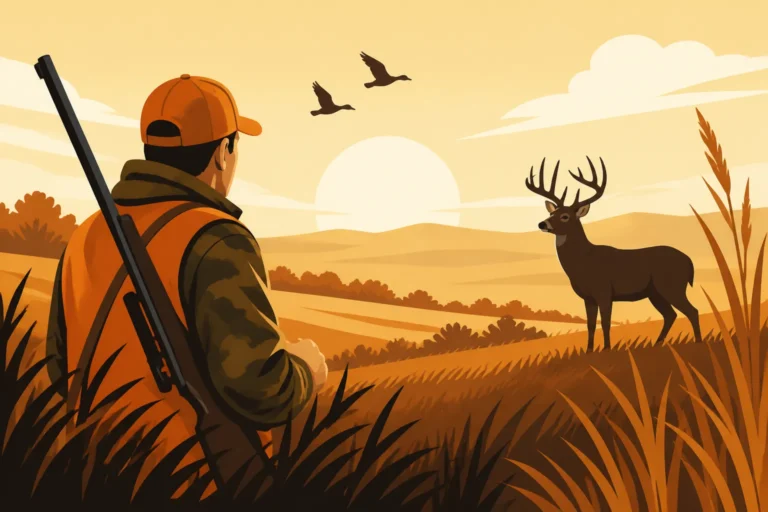
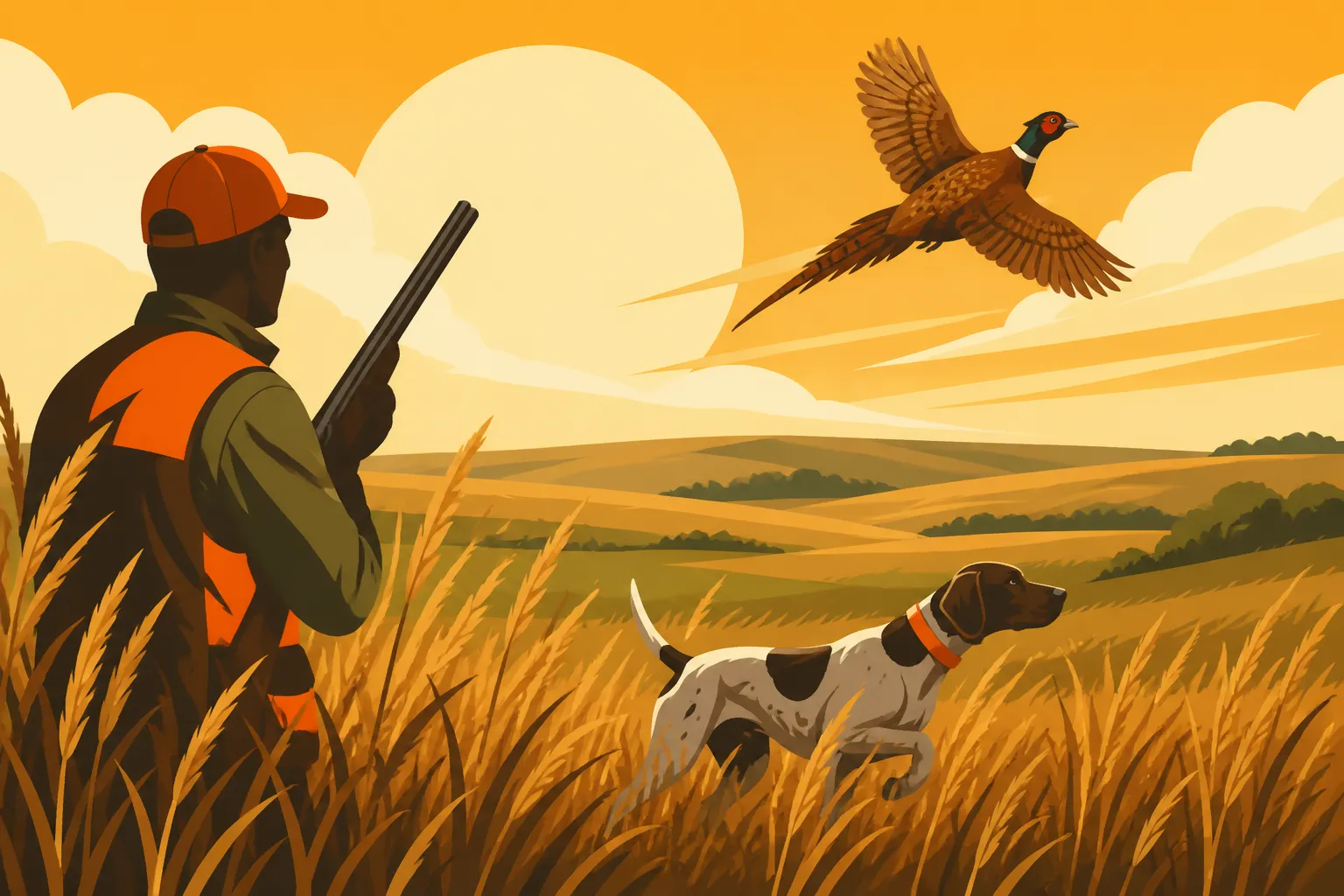
This dense vegetative structure is a haven for wildlife. It's not just a blanket of green; it's a mosaic of different plant species, interspersed with forbs, wildflowers, and occasional wetland depressions or "potholes." This diversity supports a robust insect population, which in turn feeds upland birds like pheasants and sharptails. The thick cover also offers security for deer, protecting them from predators and harsh weather conditions. When you're walking through it, you'll quickly realize how effectively a whitetail can disappear in what looks like an open field. The sheer density of the cover means scent hangs in the air, and visibility is severely limited, making it feel less like open country and more like a vast, undulating green ocean. Sheyenne Grassland's Tallgrass Prairie Habitat is a unique biome that demands a specific approach from hunters.
Distinctive Features and Boundaries
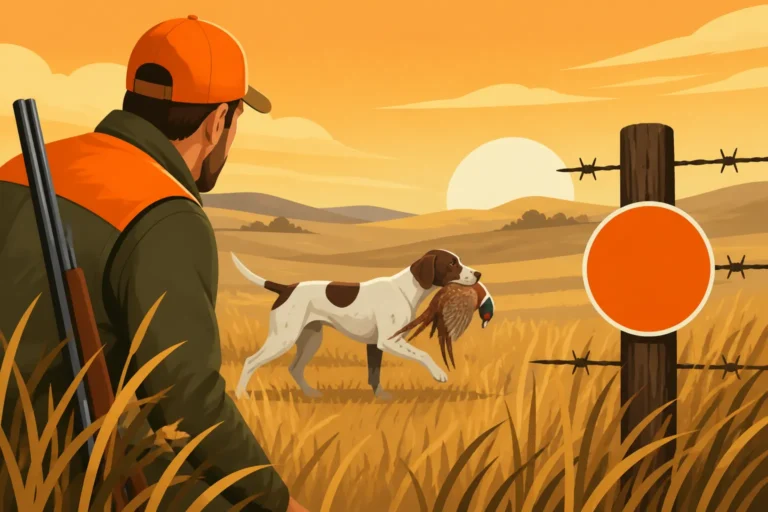
The Sheyenne National Grassland is primarily located in southeastern North Dakota, sprawling across parts of Ransom and Richland counties. Its boundaries can be a bit fragmented, intermingling with private agricultural lands, which is typical of many public land designations. You'll find distinct signage marking the federal land, but it's absolutely essential to consult detailed maps to avoid inadvertently trespassing. The terrain itself, while generally flat to gently rolling, is punctuated by sandhills, wetlands, and the winding Sheyenne River, which cuts through the eastern portion of the grassland.
The Sheyenne River, with its cottonwood and willow bottoms, provides a ribbon of riparian habitat that stands in stark contrast to the open prairie. These river corridors are crucial for deer, often holding a higher density of whitetails than the open grassland itself, especially during colder months or periods of high hunting pressure. Small aspen groves and thickets are also scattered throughout, offering additional cover. While it might appear homogeneous from a distance, up close, the Sheyenne offers a surprising variety of micro-habitats, each playing a role in supporting its diverse wildlife. Understanding these subtle shifts in terrain and vegetation is key to successful hunting here.
Why Hunt the Tallgrass Prairie: Species and Opportunities
Hunting the Sheyenne National Grassland is an experience unlike many others in North Dakota. It's a place that rewards effort, persistence, and a keen understanding of prairie wildlife. While you won't find the towering badlands or expansive lakes, what you will find are prime opportunities for upland birds and adaptable whitetails.
Pheasant and Sharptail Grouse: Upland Bird Paradise
For many, the tallgrass prairie immediately brings to mind upland bird hunting, and the Sheyenne delivers. Ring-necked pheasants thrive in the dense cover provided by the tall grasses, especially where there's an interspersion of food sources from adjacent agricultural fields. These birds can be incredibly tough to flush, holding tight until you're nearly on top of them, often exploding out of the grass with a startling cackle. Hunting pheasants here often means covering a lot of ground, pushing through thick cover, and relying heavily on a good bird dog if you have one. The sheer volume of cover means birds have endless places to hide, making every flush a hard-earned reward. Ring-Necked Pheasants in North Dakota can be found in robust numbers here.
Sharptail grouse also call the Sheyenne home, preferring the more open, native prairie sections, often on slightly higher ground or ridges. They tend to flush wilder than pheasants, often taking flight at a greater distance, making quick shots a necessity. When hunting sharptails, you might encounter coveys, especially earlier in the season. The grassland's mix of dense and more open cover provides ideal habitat for both species, offering a diverse upland hunting experience. You might start your day pushing thick switchgrass for pheasants and then transition to glassing the sandhills for sharptails in the afternoon. It's a dynamic hunt that keeps you on your toes and challenges your bird hunting skills. Sharptail Grouse and Hungarian Partridge in North Dakota are both native species well adapted to this environment.
Whitetail Deer: Adapting to the Openness
While the Sheyenne isn't typically known as a trophy deer destination like some of the river bottom units, it harbors a healthy population of whitetail deer that have adapted remarkably well to the tallgrass environment. These aren't your typical timber deer; they utilize the dense prairie grasses for bedding, concealment, and travel corridors. During the hunting season, you'll often find deer bedded deep within the tallest, densest patches of grass, seemingly invisible until you're right on top of them. The Sheyenne River corridor, with its woody cover, acts as a primary travel route and sanctuary, especially during gun season when pressure increases.
Hunting whitetails on the Sheyenne often involves strategic pushes through the thickest cover, glassing from vantage points (though these are few and far between), or focusing on the transition zones between dense grass and agricultural fields. It's a fascinating challenge to hunt deer that are so well camouflaged in what appears to be such open country. You'll need to pay close attention to wind direction, as the swirling prairie winds can make scent control even more critical. Look for subtle terrain features like small rises, depressions, or the edges of wetlands where deer might concentrate. White-Tailed Deer Across North Dakota are incredibly adaptable, and the Sheyenne whitetails are a perfect example.
Other Opportunities: Fox, Coyote, and Small Game
The Sheyenne National Grassland isn't just for birds and deer. It also offers excellent opportunities for small game and predator hunting. Jackrabbits and cottontails are common, especially in areas with a mix of cover and browse. For those interested in predator calling, the grassland's healthy populations of red fox and coyotes provide exciting challenges. The open nature of the prairie can be an advantage for calling, allowing your sounds to carry further, but it also means predators can spot you from a distance if you're not well concealed.
Calling coyotes on the tallgrass requires patience and strategic setup. Often, the coyotes will circle downwind, so understanding the terrain and wind currents is crucial for a successful stand. Coyote Calling North Dakota Farm Country offers insights that can be adapted to this environment. The vastness also makes it a fantastic place for trapping furbearers, with mink, muskrat, and beaver found in and around the Sheyenne River and its associated wetlands. Always check the specific regulations for each species, as seasons and bag limits can vary. These additional opportunities make the Sheyenne a year-round hunting destination for those willing to explore its diverse offerings.
Navigating Sheyenne Grassland: Tools and Regulations
Hunting public land successfully often hinges on two things: knowing where you can go and understanding what rules you need to follow. The Sheyenne National Grassland is no exception, and being prepared with the right tools and knowledge is paramount to a safe and enjoyable hunt.
Understanding Access and Regulations (CFRs)
The Sheyenne National Grassland is federal land managed by the U.S. Forest Service, which means it falls under Title 36 Code of Federal Regulations (CFRs), in addition to North Dakota state hunting laws. This can sometimes create an extra layer of complexity compared to state-managed lands. For instance, while North Dakota state law governs hunting seasons, bag limits, and licensing, CFRs dictate things like vehicle use, camping, and fire restrictions on the Grassland itself. For example, vehicle travel is generally restricted to designated roads and trails, and cross-country motorized travel is prohibited to protect the fragile prairie ecosystem.
It’s crucial to know the difference between public roads, two-track trails, and areas where vehicles are completely prohibited. Look for signs, gates, and always consult the official Forest Service maps for the Sheyenne National Grassland. These maps often highlight motor vehicle use restrictions and designated camping areas. Pay attention to any temporary closures or specific rules regarding ATVs or UTVs, as these can change. Discharging firearms near developed recreation sites or residences is also a serious offense. Ignorance of the law is never an excuse, so take the time to review both state hunting regulations and the specific CFRs for the Grassland before your trip. Being informed ensures a smooth hunt and helps preserve access for everyone. Public Hunting Land in North Dakota can vary greatly in its specific rules, so research is key.
Essential Mapping Tools: onX Hunt and GoHunt
In a landscape as vast and sometimes fragmented as the Sheyenne National Grassland, precise navigation is non-negotiable. Gone are the days of relying solely on paper maps, though a physical map is always a good backup. Digital mapping applications like onX Hunt and GoHunt have revolutionized public land hunting, and they are indispensable tools for the Sheyenne. These apps allow you to see property boundaries, including federal lands, state lands, and private parcels, with incredible accuracy directly on your smartphone or tablet.
With onX Hunt, you can clearly delineate the Sheyenne National Grassland boundaries from adjacent private land, preventing accidental trespass. You can drop waypoints for vehicle access points, promising cover, or areas where you’ve seen game sign. Its satellite imagery provides a bird’s-eye view, helping you identify subtle terrain changes, slough edges, or shelterbelts that might hold game. GoHunt offers similar capabilities, often with additional layers of information useful for broader hunt planning, though for on-the-ground navigation on the Sheyenne, onX Hunt's detailed land ownership layer is truly invaluable. Download offline maps before you head out, as cell service can be spotty in remote parts of the Grassland. Investing in these tools will save you countless headaches and significantly increase your effectiveness in finding and legally accessing prime hunting spots. Scouting PLOTS Land With the ND Hunt App covers similar functionality for state lands.
Blaze Orange and Ethical Hunting Practices
Safety is paramount, especially when hunting in an area that can see significant hunter presence, particularly during pheasant and deer seasons. North Dakota law requires hunters to wear specific amounts of blaze orange during certain seasons. For instance, deer hunters during the gun season must wear visible blaze orange above the waist and on a cap. While upland bird hunters might have different requirements, it's always a good idea to wear blaze orange or blaze pink when walking through dense cover, even if not legally mandated for your specific hunt. This significantly increases your visibility to other hunters and can prevent dangerous situations. North Dakota Blaze Orange Requirements outlines the specifics.
Beyond the legal requirements, ethical hunting practices are fundamental on public lands like the Sheyenne. This includes respecting fellow hunters, giving others ample space, and retrieving all downed game. Leave no trace principles are especially important in a sensitive ecosystem like the tallgrass prairie; pack out everything you pack in, including spent shotgun shells. Be mindful of quiet hours in camping areas and avoid driving off designated routes. By adhering to these practices, you contribute to a positive hunting culture and help ensure that the Sheyenne National Grassland remains an accessible and enjoyable resource for future generations of hunters.
Planning Your Sheyenne Grassland Hunt: Logistics and Considerations
Hunting the Sheyenne National Grassland is an adventure, but like any good adventure, it requires solid planning. From understanding the terrain to packing the right gear and knowing where to lay your head at night, a well-thought-out strategy can make all the difference between a frustrating trip and a memorable experience.
Scouting Strategies for Wide-Open Spaces
Scouting on the Sheyenne National Grassland presents its own unique challenges compared to timbered or more varied landscapes. With vast expanses of tallgrass, finding "sign" in the traditional sense can be difficult from a distance. Aerial imagery on your onX Hunt app is your best friend here. Look for subtle variations in grass height and density, the edges of wetlands or potholes, and the winding paths of the Sheyenne River and its tributaries. These features often concentrate game. Also, identify areas where the grassland abuts agricultural fields, as these transition zones are frequently used by deer and pheasants moving between bedding and feeding areas.
Pre-season drives or walks through selected areas can also be very informative. Look for worn game trails, especially leading into the thickest cover or towards water. In sandy areas, deer and coyote tracks can be quite visible. Don't underestimate the power of simply covering ground to understand the flow of the land and how game might use it. For upland birds, focus on areas with diverse cover, including some shorter grass for loafing, and easy access to grit. Remember, game in the tallgrass often doesn't "jump" terrain features; they move through them. So, identifying those natural travel corridors within the grass itself is crucial. Reading North Dakota Mud for Fresh Deer Movement can be surprisingly effective in some of the more open, sandy areas.
Gear Essentials for Tallgrass Hunting
The gear you bring to the Sheyenne needs to be robust and functional for the conditions. First and foremost, comfortable, waterproof boots are non-negotiable. You'll be covering miles through potentially wet, dense grass, and wet feet will quickly ruin your hunt. Consider knee-high boots or gaiters to keep out dew and debris. Durable briar-proof pants or chaps are also a wise investment, as the tough prairie grasses and occasional thorny bushes can be brutal on clothing.
For upland bird hunters, a sturdy bird vest or game bag with plenty of shell loops and a comfortable fit is essential. If you're bringing a dog, ensure you have a GPS collar and plenty of water for them. For deer hunters, binoculars are helpful for glassing distant ridges or spotting movement, even if those vantage points are scarce. A reliable compass (and the knowledge to use it as a backup to your GPS app) is crucial, as getting disoriented in a sea of tall grass is easier than you might think. A good headlamp, a first-aid kit, and plenty of water and snacks are always wise additions. Finally, carrying your North Dakota hunting licenses and stamps, like the North Dakota General Game and Habitat License Cost is required.
| Item | Purpose | Importance | Notes |
|---|---|---|---|
| Waterproof Boots | Comfort & protection in wet, dense grass | Essential | Consider knee-high or with gaiters for maximum dryness |
| Briar-Proof Pants | Protection from tough grasses, thorns | High | Prevents rips and scrapes, extends comfort |
| GPS Device/App | Navigation, property boundaries, waypoints | Essential | onX Hunt highly recommended, download offline maps |
| First-Aid Kit | Handling minor injuries in remote areas | Essential | Include blister treatment, insect repellent |
| Plenty of Water | Hydration, especially on long walks in sun/wind | Essential | Dehydration is a real risk on the prairie |
| Blaze Orange/Pink | Safety, visibility to other hunters | Essential | Legal requirement for some seasons, always good practice |
| Binoculars | Glassing for game, even in seemingly flat terrain | High | Spot subtle movement or distant birds/deer |
| Bird Vest/Game Bag | Carrying birds, shells, water for upland hunting | Essential | Comfortable fit, good storage capacity |
| Dog (with GPS) | Retrieving downed birds, flushing game | Optional | Invaluable for upland birds; ensure proper training & hydration |
| Quality Headlamp | Navigating in low light, field dressing | High | Indispensable for early morning starts or late evening finishes |
Camping and Accommodations Near the Grassland
While the Sheyenne National Grassland offers a remote hunting experience, there are options for lodging nearby. For those who prefer to camp, dispersed camping is generally permitted on the Grassland, often with some restrictions on duration and location. Always check with the local Forest Service office for current rules regarding campfires, specific camping zones, and any permits required. There may also be designated campgrounds with basic amenities, though these can be limited. Primitive camping allows you to stay close to your hunting grounds, maximizing your time afield and immersing yourself in the prairie experience.
If you prefer more creature comforts, nearby towns like Lisbon, Gwinner, or even Fargo (though a bit further) offer hotels, motels, and sometimes even local bed and breakfasts. These towns provide access to groceries, gas, and restaurants, which can be a welcome change after a long day in the field. When planning, consider the trade-off between convenience and proximity to your hunting areas. Staying in town might mean a longer drive each morning, but it ensures a warm bed and hot meal. Decide what level of "roughing it" you're comfortable with and plan your accommodations accordingly. Remember, North Dakota hunting seasons can get chilly, so ensure your camping gear is adequate for potential cold nights.
Overcoming Challenges: What to Expect on the Tallgrass
Hunting the Sheyenne National Grassland is incredibly rewarding, but it’s not without its challenges. The unique environment of the tallgrass prairie presents specific obstacles that hunters must be prepared to face. Understanding these ahead of time can help you manage expectations and improve your chances of success.
The Weather: Prairie Winds and Sudden Changes
North Dakota weather is famous for its unpredictability, and on the open tallgrass prairie, these conditions are amplified. Wind is almost a constant companion, often whipping across the expansive landscape with relentless force. This can make communication difficult, carry scent across vast distances (both good and bad), and chill you to the bone, even on what seems like a mild day. Dressing in layers is absolutely critical, as temperatures can fluctuate wildly throughout the day, and a strong wind can drop the effective temperature significantly. You might start your morning needing a heavy jacket and by midday be peeling down to a t-shirt.
Beyond the wind, be prepared for sudden changes. A beautiful, clear morning can quickly turn into a fierce thunderstorm or even an early-season snow squall. Always check the forecast before heading out, but also be ready for the unexpected. Rain can quickly turn the sandy trails into greasy, impassable tracks, and lightning on the open prairie is no joke. Have a plan for shelter and be willing to call it a day if conditions become dangerous. Hunting Into a December Cold Snap can be especially brutal on the exposed prairie. The tallgrass offers little protection from the elements, making preparedness for diverse weather conditions a top priority.
Hunting Pressure and Finding Seclusion
As a popular public hunting destination, the Sheyenne National Grassland can experience significant hunting pressure, especially during peak pheasant and deer seasons. Opening weekends, in particular, will see a lot of orange vests and parked trucks. This pressure can push game into the thickest, most remote corners of the Grassland, making them even harder to access. It's a common frustration for hunters on any public land: you put in the effort, only to find someone else already there.
To find seclusion, you'll need to be willing to walk further than most. Identify areas on your maps that are a mile or more from the nearest road or access point. These "walk-in only" zones often hold less pressured game. Look for small, isolated pockets of good cover that might be overlooked or deemed too difficult to reach. Utilizing your mapping apps, like GoHunt, to find these more obscure corners can be a game-changer. Consider hunting during weekdays if possible, or later in the season when many fair-weather hunters have packed it in. Early mornings and late evenings also see less pressure, as many hunters stick to midday excursions. Don't be afraid to try unique entry points or approach from unexpected directions; sometimes, simply going where others don't want to go is the best strategy.
Physical Demands of Tallgrass Hunting
Make no mistake, hunting the Sheyenne National Grassland is physically demanding. Walking through dense, often chest-high tallgrass is significantly more strenuous than walking on flat, mowed ground. Every step requires lifting your feet higher, pushing through resistance, and maintaining balance. Expect to cover a lot of ground, especially if you're chasing upland birds or trying to push deer. A typical day of pheasant hunting can easily rack up five to ten miles of slogging through heavy cover.
If you plan to hunt here, start a fitness regimen well in advance. Focus on endurance, leg strength, and core stability. Carry light, but carry enough water and snacks to sustain you. The seemingly flat terrain can be deceptive, as subtle rises and depressions add up over the course of a day. This physical challenge is part of what makes the hunt so rewarding – you earn every flush and every deer sighting. It also means you need to be realistic about your physical capabilities and not overextend yourself. Having a buddy can not only enhance the experience but also provide a crucial safety net in such a physically demanding environment.
Disclaimer
This article is for general informational purposes only and does not constitute professional advice. Laws, prices and regulations vary by location and change over time. Consult a qualified professional for guidance on your specific situation.