Pass-Shooting Geese Off a Roost Pond
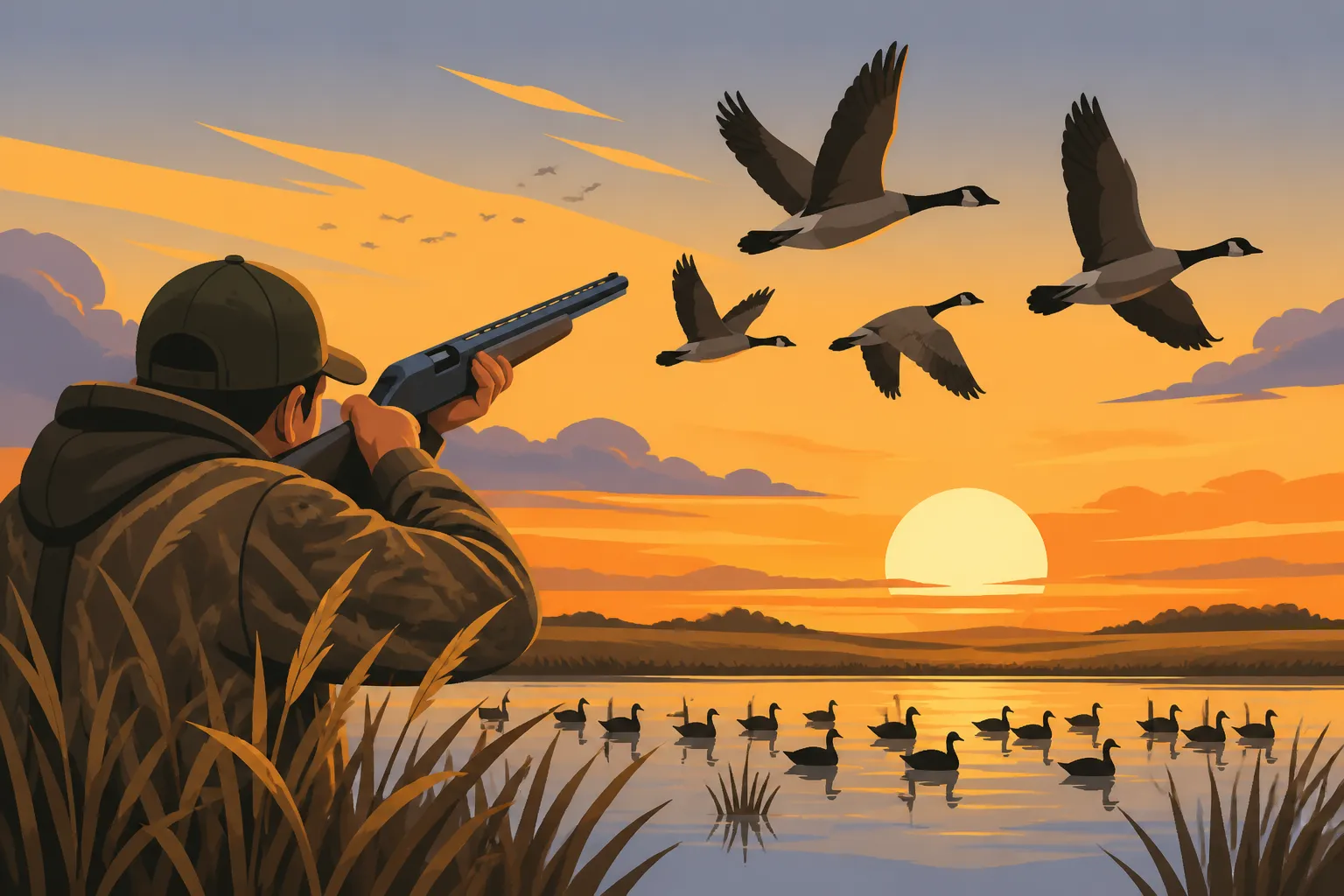
There's nothing quite like the sight of a massive flock of geese silhouetted against a North Dakota sunrise or sunset. But if you've spent countless hours meticulously setting up full-body decoys in a field, only to have the birds skirt your spread just out of range, you know the deep frustration. Geese can be incredibly wily, often preferring the safety of a distant roost pond over dropping into a killer decoy spread. This guide is all about tackling that specific challenge, helping you understand how to effectively intercept those birds as they move to and from their nighttime sanctuaries through the art of pass-shooting off a roost pond.
Understanding Goose Roost Pond Dynamics
Geese are creatures of habit, but those habits are deeply rooted in their need for safety and sustenance. When you're trying to figure out where and how to intercept them, it's crucial to first understand the 'why' behind their choice of roosting locations and their flight paths.
Why Geese Choose Specific Roost Ponds
Geese don't just pick any body of water to spend the night. Their decision-making process is a fascinating blend of instinct and survival. First and foremost, security is paramount. They gravitate towards larger, open water bodies that offer clear sightlines in every direction, making it difficult for predators like coyotes or foxes to approach undetected. Think about a big slough with minimal shoreline cover; that's prime real estate. These ponds often provide sufficient water depth that prevents land-based predators from easily reaching them.
Secondly, proximity to food sources plays a massive role. Geese are energy conservationists, so they're not going to fly miles out of their way to feed if there's a good field closer to their roost. They'll often select a pond that's within a relatively short flight of the corn, wheat, or pea fields they've been hitting during the day. The water quality and whether the pond remains unfrozen are also key factors, especially as the North Dakota fall turns into a bitter winter. As temperatures drop, unfrozen water becomes a precious commodity, concentrating birds onto the larger, deeper bodies of water.
Scouting Roost Ponds for Flight Patterns
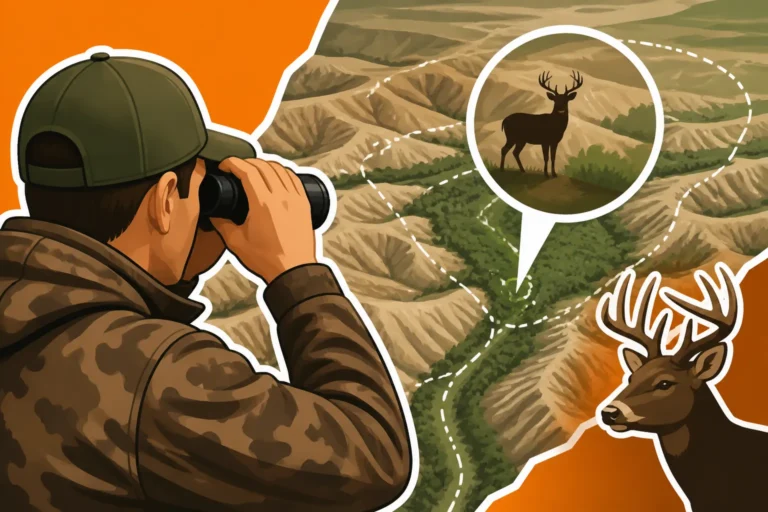
Successfully pass-shooting geese means you have to be in the right place at the right time, and that requires meticulous scouting. Forget about just driving around aimlessly. You need a strategy. Start with morning reconnaissance, before legal shooting light. Position yourself far enough away from known roosts (think a mile or more) to observe the precise fly-out routes the geese take as they head to feed. Pay attention to the altitude they fly, the direction, and any consistent "bottlenecks" like tree lines, bluffs, or low saddles in the terrain they consistently cross. Note the exact timing of their departure, as this can be surprisingly consistent.
Then, repeat the process in the evening. Observe their fly-in routes as they return to the roost after a day of feeding. Are they coming from a specific direction? Do they funnel over a particular section of a shelterbelt or a low spot in a ridge? Tools like the GoHunt app can be invaluable here. Its satellite imagery can help you identify potential roost ponds and map out land ownership, allowing you to scout from a distance and avoid bumping birds off their roost before your hunt. You can overlay topographic maps to see how terrain features might influence their flight paths. Understanding how wind influences these patterns is also critical; geese typically prefer to take off and land into the wind, and strong winds can push them into more predictable flight corridors. Remember, your goal is to intercept them between their feeding fields and their safe harbor, not to disturb the roost itself.
Essential Gear and Setup for Pass-Shooting
Once you've nailed down where the geese are flying, it’s time to talk about what you need to bring and how to set up. Pass-shooting geese isn't like field hunting over decoys; it's often about making longer shots on fast-moving birds, so your gear and concealment need to be dialed in.
Shotgun and Ammunition Choices
When you're pass-shooting big Canada geese, you need a scattergun with enough reach and punch. A 12-gauge shotgun is the undisputed standard for goose hunting in North Dakota, offering a great balance of payload and recoil. Some hunters might opt for a 10-gauge for its heavier payload and extended range, but modern 12-gauge ammunition is incredibly effective. Crucially, you'll want to pair that with the right choke. For pass-shooting, where birds are often higher, a full or improved modified choke is usually preferred to keep your pattern tight and effective at longer distances.
Ammunition choice is equally vital. Forget birdshot; you'll need larger shot sizes. BB, BBB, or T shot are excellent choices for geese. Remember that in North Dakota, as with all migratory bird hunting, you are required to use non-toxic shot, meaning steel, bismuth, or tungsten alloys are your only legal options. Don't skimp on shell quality; heavy loads with higher velocities will give you the knockdown power needed for these tough birds. Brands like Winchester, Federal, and Kent offer excellent options specifically designed for waterfowl. Consider carrying a few different loads if you expect varying shot distances, but consistency in practice is key.
Concealment and Positioning
Concealment is absolutely non-negotiable for pass-shooting. Geese have incredible eyesight, and if they spot you, they’ll flair faster than you can blink. Look for natural cover along their identified flight paths – think dense cattails along a slough's edge, a thick brush line, or even a small stand of timber bordering a field. You want something that breaks up your outline completely. If natural cover is scarce, a good layout blind becomes your best friend. These blinds allow you to lie low in an open field, blending seamlessly with stubble or cut crops, especially when properly brushed in.
When choosing your exact position, always consider the wind direction. Geese will often use the wind to their advantage, flying into it or quartering it, which can dictate their approach. Position yourself so the geese are coming from an angle that allows for a clean, ethical shot without unnecessary twisting or awkward body movements. Safety is also paramount. Ensure you have clear shooting lanes and, critically, a safe backdrop for your shots. Never shoot towards roads, farmsteads, or other hunters. If you're hunting with a partner, clearly define your zones of fire. The goal is to intercept the birds, not to directly harass the roost pond itself, which is unethical and often illegal if you're too close. Remember that many North Dakota Waterfowl Production Areas provide excellent opportunities for this type of hunting, but always respect their specific rules regarding blind placement and access.
Pass-Shooting Techniques and Safety Considerations
Pass-shooting can be one of the most challenging forms of waterfowl hunting. The birds are often high, fast, and constantly moving. Mastering this takes practice, patience, and a deep understanding of ethical hunting principles.
Reading Geese in Flight
The first step to making a successful shot is accurately reading the birds in flight. Geese can appear deceptively slow and close when they're high up, so learning to estimate range is crucial to avoid "sky-busting"—taking shots that are simply too far to be effective. Pay attention to their altitude, their speed, and their approach angle. Are they cruising steadily, or are they cupped and committed?
Once you've identified a target within what you know is your effective range (typically 40-50 yards for pass-shooting with modern loads), the technique is all about lead and swing. You need to swing your shotgun through the bird, matching its speed, and pulling the trigger just as your barrel passes ahead of it, continuing your swing through the shot. This is called sustained lead, and it’s a skill that only comes with repetitive practice. Don't stop your swing! For pass-shooting, aggressive calling isn't usually necessary. A soft cluck or a single honk might sometimes get a high-flying bird to look your way for a split second, which can be just enough to help you get a bead on it, but too much calling can make them wary.
Ethical Considerations and Safety
As hunters, we have a responsibility to act ethically and prioritize safety above all else. Knowing your effective range is probably the most critical ethical consideration in pass-shooting. Resisting the urge to take those "Hail Mary" shots at birds that are too high ensures clean kills and minimizes the risk of crippling birds. It’s always better to let a bird fly past than to wound it.
If you are successful, marking your downed birds is essential, especially in dense cover or over water. A good retriever, like a Labrador or Chesapeake Bay Retriever, can be an invaluable asset in locating and bringing back fallen geese, particularly from cold water. Always carry a dog first-aid kit and ensure your dog is conditioned for the cold if you're hunting in late fall or winter. Be prepared to administer a quick, humane follow-up shot if a bird is only wounded. It's also vital to accurately identify your target species. While rare, it's possible to encounter other large migratory birds, like sandhill cranes, during goose season, and mistaking them for geese can lead to legal trouble. Always be certain of your target. Finally, adhere strictly to legal North Dakota Public Land Hunting Hours, which typically extend from 30 minutes before sunrise to sunset.
Maximizing Success and Adapting to Conditions
Pass-shooting geese off a roost pond requires adaptability. The prairie weather can change in an instant, and so can the geese's behavior. To consistently put birds in the bag, you need to understand how external factors influence their flights and how to recover your game safely.
Timing Your Hunt for Peak Activity
The best times for pass-shooting are almost always during the first hour or two after legal shooting light in the morning, as geese leave the roost to feed, and the last hour or two before sunset, as they return. These are the windows of peak activity. However, don't underestimate the impact of weather. A major cold front, especially one bringing snow or high winds, can drastically alter goose behavior. Strong winds often push birds lower and into more defined flight paths, which can be a boon for pass-shooters. Conversely, fog can ground birds or make their flights erratic and unpredictable, often making hunting impossible due to visibility constraints.
Pressure from other hunters is also a significant factor. If a roost pond is heavily hunted or nearby fields see a lot of activity, geese will quickly become "educated" and adjust their flight paths, flying higher or taking entirely different routes to avoid perceived threats. Staying mobile and scouting regularly, perhaps using an app like GoHunt to track movements or find less pressured areas, can help you adapt. Sometimes, hunting later in the season, when many other hunters have packed it in, can offer surprisingly good opportunities, especially if you're targeting fields like Hunting a Standing Corn Field After a Snow that provide late-season food.
Post-Shot Strategy and Retrieval
The shot is only half the battle; retrieval is the crucial next step. As soon as you take a shot, keep your eyes on the bird. Mark its fall meticulously, noting any landmarks in the field or on the water where it landed. If you're hunting in heavy cover like tall grass or cattails, or over water, a good mark is absolutely critical to avoid losing a bird. If a bird appears to be crippled, take a quick, ethical follow-up shot if possible, ensuring it's safely executed.
Retrieving birds from water, especially in colder temperatures common during North Dakota's fall and winter, comes with its own set of challenges. Cold water can quickly lead to hypothermia, so never attempt to retrieve a bird from water that is too deep, too cold, or has strong currents without proper equipment like a boat and personal flotation devices. If you have a dog, ensure they are wearing appropriate cold-weather gear if needed and that they don't overexert themselves in the frigid water. Having an extended retriever pole can also be incredibly useful for reaching birds that land just out of arm's reach along a shoreline or in shallow marsh. Once retrieved, remember to tag your bird immediately according to North Dakota Game and Fish Department regulations.
Shotgun and Ammunition Recommendations for Goose Pass-Shooting
| Gauge | Choke Recommendation | Shot Size (Steel) | Ideal Range (Yards) | Notes |
|---|---|---|---|---|
| 12 Gauge | Full, Improved Modified | BB, BBB, T | 35-55 | Most common and versatile. Excellent range with heavy loads. |
| 10 Gauge | Full, Improved Modified | T, F | 40-65 | Offers heavier payload for extended range, but heavier gun/recoil. |
| 20 Gauge | Modified, Full | #1, BB | 25-40 | Lighter recoil, but significantly reduced effective range. |
Remember that these are general guidelines. Your personal shooting ability, specific shotgun, and choice of ammunition can all influence your effective range. Practice on clays to understand your limits. Also, be aware of North Dakota Duck and Goose Bag Limits and ensure you have your North Dakota Federal Duck Stamp Requirement and North Dakota Migratory Bird Certification current before heading afield.
Disclaimer
Please note: Hunting regulations and seasons can change. Always consult the latest North Dakota Game and Fish Department rules and proclamations before planning any hunting trip. Ensure you have all required licenses and stamps, and are aware of all local regulations regarding private and public land access.