Hunting a Coulee Rim at Last Light
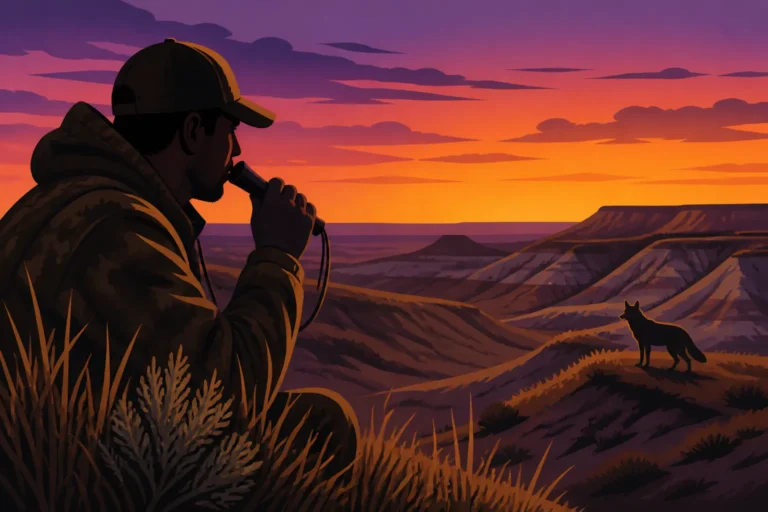
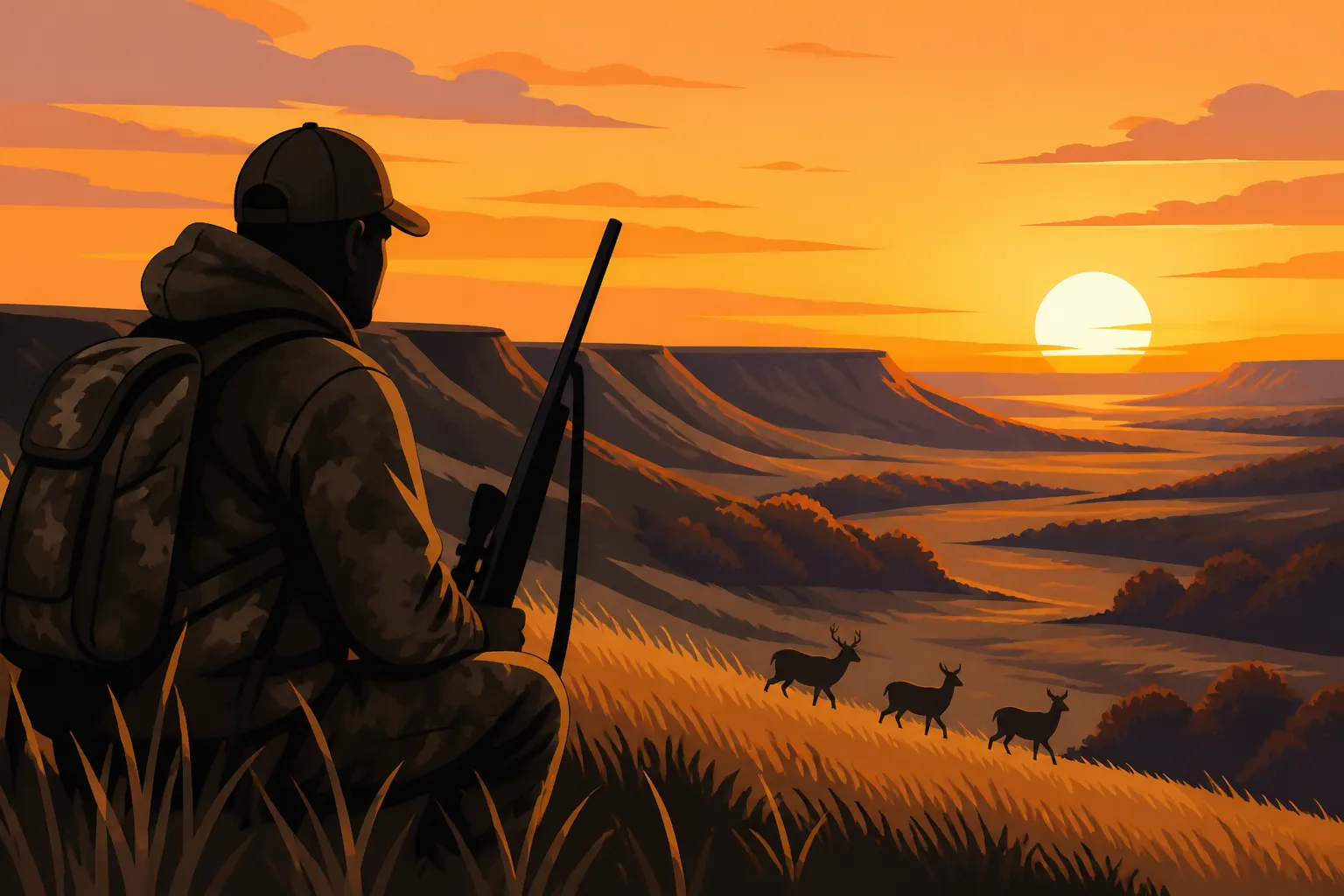
There’s a special kind of magic, and sometimes a whole lot of frustration, that comes with hunting the very last sliver of legal light. You’ve put in the miles, glassed until your eyes blurred, and often, the biggest movement happens right when you’re thinking about packing it in. For those of us chasing deer in North Dakota’s rugged coulee country, understanding how to effectively hunt a coulee rim at last light isn't just a strategy; it's often the difference between success and another tag in your pocket. This guide dives deep into how to capitalize on those precious closing minutes, focusing on the unique challenges and incredible opportunities these landscapes offer.
Understanding Coulee Dynamics at Dusk
Coulees, those carved-out draws and valleys that crisscross much of North Dakota's western and central landscape, are magnets for deer, especially as evening approaches. They offer shelter, hidden travel routes, and direct access to evening feeding grounds, making them prime real estate for a last-light ambush.
What Makes Coulees Prime Evening Habitat
Imagine a deer looking for a safe, secluded path to its evening meal. Coulees provide exactly that. Their winding, often steep terrain, dense brush, and scattered trees create natural funnels and cover that deer instinctively use. Throughout the day, deer might bed down in the deeper, more sheltered parts of a coulee, staying hidden from the relentless prairie wind and the prying eyes of hunters. As the sun begins to dip, these animals start to stir, preparing for their nocturnal movements. They feel secure moving within the confines of the coulee, using its topography to mask their approach from predators, including us hunters. It's not just about the cover; it's about the security and the efficient travel corridors these natural depressions offer.
For Mule Deer in North Dakota's Badlands, coulees are practically their living rooms. These deer are masters of using the broken terrain to their advantage, disappearing into a fold of ground even when seemingly exposed. Whitetails also frequent coulees, especially those with thicker timber or brushy edges, using them as primary travel lanes between bedding areas and agricultural fields or water sources. Recognizing these natural pathways is your first step to an effective last-light hunt. It’s about more than just seeing a coulee on a map; it’s about understanding why deer use it and how they navigate its contours, especially when they feel the urge to move at dusk.
Deer Movement Patterns as the Sun Sets
As daylight fades, deer, much like us after a long day, get comfortable leaving their daytime hideouts. They transition from bedding areas within the coulee to staging points just inside the cover, eventually emerging into more open areas to feed or drink. This pre-dusk staging is a critical window for hunters. Deer might linger just below the coulee rim, browsing on tender shoots or simply surveying the landscape before committing to open ground. They’re less likely to burst out into a wide-open field until the light is truly low and they feel protected by the approaching darkness.
This pattern isn't random; it's driven by a combination of hunger, social interaction, and an innate sense of security. Bucks, in particular, often wait until the last possible moment, sometimes even after legal shooting light has technically begun to wane, to make their appearance. They are often the most cautious, using the fading light as a cloak. Being patient and understanding this subtle shift in movement can drastically increase your odds. For those hunting in areas known for North Dakota's Badlands Mule Deer Country, recognizing these subtle transitions from shade to shadow, and from cover to open, becomes second nature. It's all about anticipating where they’ll pop up and when they’ll feel safe enough to do it.
The Impact of Topography on Deer Behavior
The unique, often dramatic, topography of coulees plays a massive role in how deer behave, particularly as they prepare for their evening movements. The varying depths, steepness, and internal features like fingers, saddles, and small benches within a coulee all act as micro-habitats and travel conduits. Deer will often stick to the paths of least resistance, following natural benches or the bottoms of draws, but they will also utilize hidden folds in the terrain to cross from one side to another, or to ascend to the rim.
Knowing these features—which can be easily identified through detailed satellite imagery on platforms like GoHunt—allows you to predict where a deer might emerge or cross. A small saddle on a coulee rim, for instance, might be a preferred crossing point where deer will briefly expose themselves before dipping back into another draw. Similarly, a thick pocket of brush on a bench within the coulee could be a key staging area. Paying attention to these nuances is vital. It’s not just a big hole in the ground; it's a complex network of pathways and hiding spots that deer navigate with purpose. Understanding how these intricate details influence everything from Where Badlands Bucks Bed to their preferred escape routes is paramount to successful coulee rim hunting.
Strategic Positioning for Last Light
Once you understand how deer use coulees at dusk, the next step is to position yourself perfectly. This isn't just about finding a comfortable spot; it's about selecting a vantage point that maximizes your visibility, minimizes your scent footprint, and provides clear shot opportunities during those fleeting minutes of last light.
Reading the Wind and Thermals
In coulee country, wind and thermals are not merely suggestions; they are dictates. As the sun begins to set, the dynamics of air movement can shift dramatically, making your scent control and positioning absolutely critical. During the day, thermals generally rise as the ground heats up. However, as evening cools, these thermals often reverse, "falling" down into the coulees, carrying your scent with them. This phenomenon means that if you're positioned directly above a coulee, your scent could be funneling right down to any deer moving below.
To counteract this, you need to be acutely aware of your surroundings and utilize tools like a simple wind checker. Position yourself on the downwind side of where you expect deer to emerge, or at least on a side where the thermal fall will carry your scent away from their likely approach. Often, this means being on the opposite rim from where the deer are bedding, or even a bit higher up on the side of the coulee. Continuously monitoring the wind with a wind checker can confirm these shifts. Neglecting this crucial element, especially in the complex terrain of the Badlands, is a surefire way to have a big buck bust you before you even know he's there. Mastering Wind and Thermals in Badlands Terrain is an essential skill for any hunter in this environment.
Picking Your Vantage Point on the Rim
Choosing your specific ambush point on the coulee rim is a calculated decision. You need a spot that offers a clear view into the coulee, preferably covering known travel routes or potential staging areas. Look for a position that provides natural cover for yourself—a cluster of junipers, a large rock, or even a slight rise in the terrain can break up your silhouette. Your shooting lanes are equally important; ensure you have clear lines of sight to where you anticipate a deer might appear, without branches or tall grass obstructing your view.
It’s often best to find a slightly elevated position that allows you to look down into the coulee, giving you a better perspective of deer moving below the rim. However, avoid being silhouetted against the sky. Being just below the crest of a ridge or behind some taller vegetation can often provide the perfect blend of visibility and concealment. When scouting your spots, utilize high-quality satellite imagery on GoHunt or other mapping apps like onX Layers for North Dakota Land Status to identify these potential vantage points, then verify them on foot. Imagine the deer’s perspective: where would they feel safe, and where would they be visible from your spot? This mental exercise is key to a well-chosen setup.
Entry and Exit Routes for Minimal Disturbance
Successfully hunting a coulee rim at last light also hinges on how you get in and out of your chosen spot without disturbing the very deer you're trying to hunt. A noisy, careless approach can spook deer from the entire area, rendering your last-light efforts futile. Plan your entry route to be as quiet and discreet as possible, ideally using existing game trails or natural depressions that offer cover. Try to approach from a direction that keeps you downwind of the area you intend to hunt.
Similarly, your exit strategy is just as vital. Even if you don't harvest an animal, you want to leave the area as undisturbed as possible for future hunts. If you do make a shot, your exit strategy will change to focus on recovery, but the initial goal remains the same: keep human presence to a minimum. Avoid walking directly through prime bedding areas or known feeding grounds if you can help it. Sometimes, this means taking a longer, more circuitous route, but the payoff of not blowing out the area is well worth the extra steps. This meticulous planning is part of what makes Scouting PLOTS Land Before Season so important; understanding every contour and cover patch can inform these critical entry and exit routes. Remember, the goal is to be a ghost in their backyard.
Gear and Preparations for Low Light
Last light hunting presents unique challenges, particularly when it comes to visibility and making accurate decisions under pressure. Having the right gear and making thorough preparations are non-negotiable for success and safety. The right tools can extend your effective hunting time and dramatically improve your chances of a clean, ethical harvest.
Optics for Fading Light
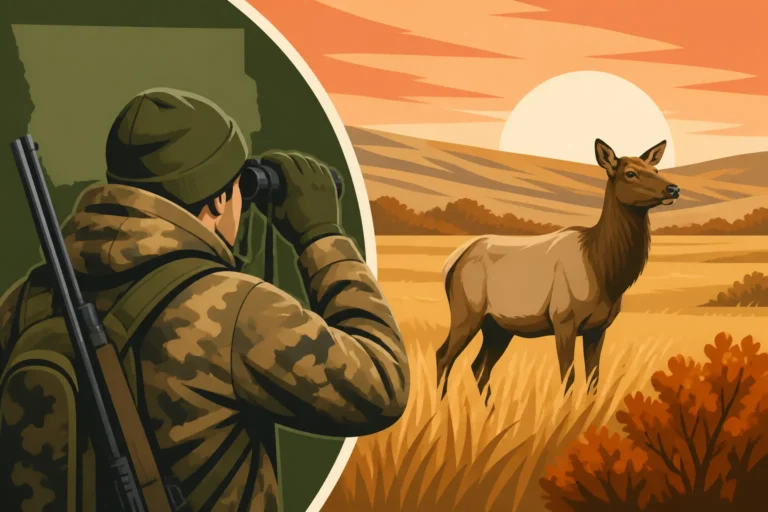
When the sun starts to dip below the horizon, every photon of light becomes precious. This is where high-quality optics truly shine. A good pair of binoculars, ideally 8×42 or 10×42 with excellent light-gathering capabilities, is indispensable for scanning the coulee bottoms and rims. Look for binoculars with large objective lenses (the '42' in 8×42), multi-coated lenses, and BAK-4 prisms, as these features maximize light transmission and provide a clear, bright image even as the light fades. Brands like Vortex, Leupold, and Zeiss are popular choices among hunters for their performance in challenging light conditions.
A rangefinder is also absolutely critical. In low light, distances can be incredibly deceptive, making it easy to misjudge a shot. A rangefinder with a red LED display is particularly useful as it stands out against the dim background. Always range key landmarks around your position before a deer appears, so you have reference points. This small piece of equipment can prevent a missed shot or, worse, a wounded animal. You'll be glad you invested in good glass when that trophy buck steps out right at the edge of legal shooting light. Techniques like Glassing Badlands Coulees for Elk are highly transferable to deer hunting and rely heavily on superior optics.
Clothing and Comfort for Cold Evenings
North Dakota evenings, especially as fall transitions into winter, can get brutally cold, remarkably fast. Sitting still on a coulee rim, exposed to the elements, will chill you to the bone if you're not properly dressed. Layering is your best friend. Start with a moisture-wicking base layer, add insulating mid-layers like fleece or down, and top it off with a windproof and water-resistant outer shell. Make sure your outer layer is quiet; any rustling can give you away in the still evening air.
Don't forget warm gloves, a thick hat, and insulated boots. Cold hands, feet, or head will quickly distract you and compromise your patience. Scent control is also paramount. Even in freezing temperatures, your body emits odor, so wear scent-control clothing or spray down regularly. Being comfortable means you can stay focused and still for those critical last minutes, which often makes all the difference. Remember, the longer you can sit patiently and motionless, the higher your chances of seeing that late-moving deer. Consider elements from a Cold-Weather Sitting Strategy on the Prairie to enhance your comfort and effectiveness.
Pre-Season Scouting and In-Season Confirmation
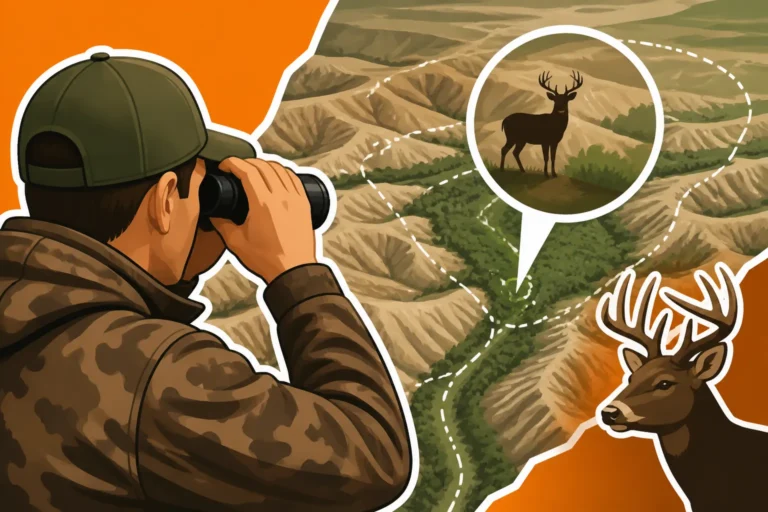
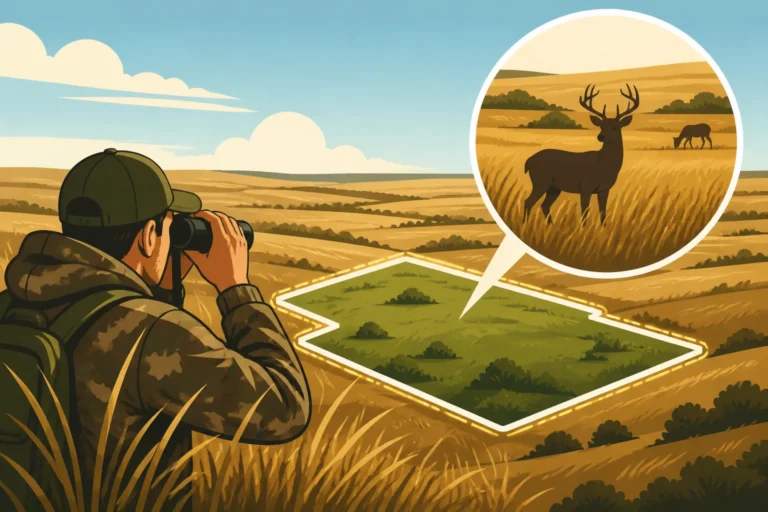
Effective last-light hunting on a coulee rim doesn’t start when you climb into your stand or hunker down behind a bush. It starts with thorough scouting, both before the season and throughout it. Use online mapping tools like GoHunt, which offer detailed satellite imagery, topographic maps, and public land overlays, to identify potential coulee systems, access points, and specific features like pinch points, saddles, or areas with dense cover that deer might favor. This digital scouting can save you countless hours of boots-on-the-ground work.
Once you have a few promising spots identified, get out there and walk them. Look for fresh tracks, rub lines, scrape lines, and well-used trails, especially near water sources or food plots. Confirm those digital observations with real-world sign. In-season, keep an eye out for fresh activity. A new rub might indicate a buck has recently moved into the area, or a cluster of fresh tracks could show a preferred evening crossing point. The more you know about the deer's habits in that specific coulee, the more precise your last-light setup can be. Reading Aerial Photos for Badlands Deer will give you a significant advantage in this crucial preparation phase.
Executing the Last Light Hunt
The moment of truth during a last-light coulee hunt is all about precision, patience, and ethical decision-making. The fading light adds an extra layer of complexity, demanding a calm demeanor and a clear understanding of your post-shot responsibilities.
The Patient Approach and Waiting Game
You've done your scouting, picked your spot, and positioned yourself perfectly, accounting for wind and thermals. Now comes the hardest part for many hunters: patience. Get into your chosen location well before the golden hour – at least 1-2 hours before sunset is a good rule of thumb. This gives the woods time to settle after your approach and allows you to adjust to your surroundings. Make your entry as quiet and stealthy as possible, moving slowly and deliberately. Every rustle or misplaced step can send an early-moving deer back into cover.
Once you're settled, become part of the landscape. Minimize movement, speak only in whispers if necessary, and keep your phone on silent. This is when your quality optics come into play. Systematically glass the entire coulee, paying close attention to thickets, the coulee bottom, and any saddles or benches. Often, deer will materialize as if from nowhere, silently slipping into view. That big buck you’re after might not appear until the very last minutes of legal shooting light, when many hunters have already started to pack up. This waiting game requires mental fortitude, but those patient moments are often rewarded. Remember, North Dakota Public Land Hunting Hours dictate when you must cease hunting, so know your legal window and maximize it.
Shot Placement and Ethical Considerations
Low light conditions inevitably increase the challenge of making an ethical shot. When a deer finally steps out into view as daylight rapidly fades, it’s critical to remain calm and disciplined. Don't rush. Take a deep breath, verify your target, and confirm your range, even if you pre-ranged the area. If you use a rangefinder, having one with a red display helps immensely in low light. Only take a shot if you have a clear, unobstructed view of the vital organs (lungs and heart) and you are absolutely confident in your ability to make a clean kill.
It's better to pass on a marginal shot in low light than to wound an animal that may be difficult, if not impossible, to recover. The extra challenge of a potentially difficult track in the dark means your shot must be as precise as possible. A broadside shot, aiming for the "crease" behind the shoulder, offers the largest target zone for the vitals. If the deer is quartering away, aim to penetrate both lungs. Avoid head-on or extreme quartering shots in low light. Your commitment to an ethical harvest should always outweigh the desire for a trophy. Take a minute to review your North Dakota Hunter Education Requirements for proper shot placement.
Post-Shot Strategy and Recovery
You've made the shot, and the deer has disappeared into the fading light or the depths of the coulee. What's next? Your actions immediately after the shot are crucial for a successful recovery. First, mark the exact spot where the deer was standing and where you last saw it. Pick out distinctive trees, rocks, or other landmarks. If possible, note the time. Next, resist the urge to immediately go after the animal. Give it time, especially if it was not an obvious pass-through or if the deer ran off quickly. For a suspected gut shot, waiting 4-6 hours (or even longer, especially overnight) is usually recommended. For a good lung or heart shot, waiting 30-60 minutes is generally sufficient.
While you wait, gather your thoughts. Replay the shot in your mind, noting the exact point of impact and the deer's reaction. Prepare your tracking gear: a powerful headlamp with a red light option (red light preserves your night vision better), flagging tape, and a tracking buddy if available. When you start tracking, move slowly and methodically. Look for blood, broken branches, or disturbed earth. If the blood trail peters out, expand your search in concentric circles around the last sign. Tracking in the dark, especially in the uneven terrain of a coulee, is incredibly challenging. If you’re faced with a tough track, consider calling for experienced help. This process can be daunting, but resources like Blood Trailing After Dark in North Dakota and Recovering a Deer From a Coulee offer invaluable guidance. Remember, your responsibility to the animal continues long after the shot.
| Item | Why It's Crucial for Last Light Coulee Hunting | Notes |
|---|---|---|
| High-Quality Binoculars | Maximize light gathering, identify details | 8×42 or 10×42 with multi-coated lenses are ideal for low light |
| Laser Rangefinder | Precise shot placement in deceptive low light | Essential for judging distances accurately, red display preferred |
| Headlamp/Flashlight | Post-shot recovery, navigating dark terrain | Red light option preserves night vision; powerful beam for tracking |
| Warm Layers | Temperatures drop rapidly after sunset | Moisture-wicking base, insulating mid, windproof outer shell |
| Wind Checker | Confirm shifting thermals for scent control | Small squeeze bottle or powder dispenser |
| Small First Aid Kit | Unexpected scrapes or minor injuries | Essential for all hunts, especially when hunting solo |
| Orange Vest/Hat | Visibility during recovery for safety | Crucial if other hunters are in the area |
| Game Bags | Protect meat from dirt and insects | For quartering and packing out if you harvest |
Disclaimer
Always consult the latest North Dakota Game and Fish Department regulations before heading afield. Hunting laws and season dates can change, and it is every hunter's responsibility to know and follow current rules. This guide is for informational purposes only and does not supersede official regulations.