Mallards and Geese on the Prairie Potholes
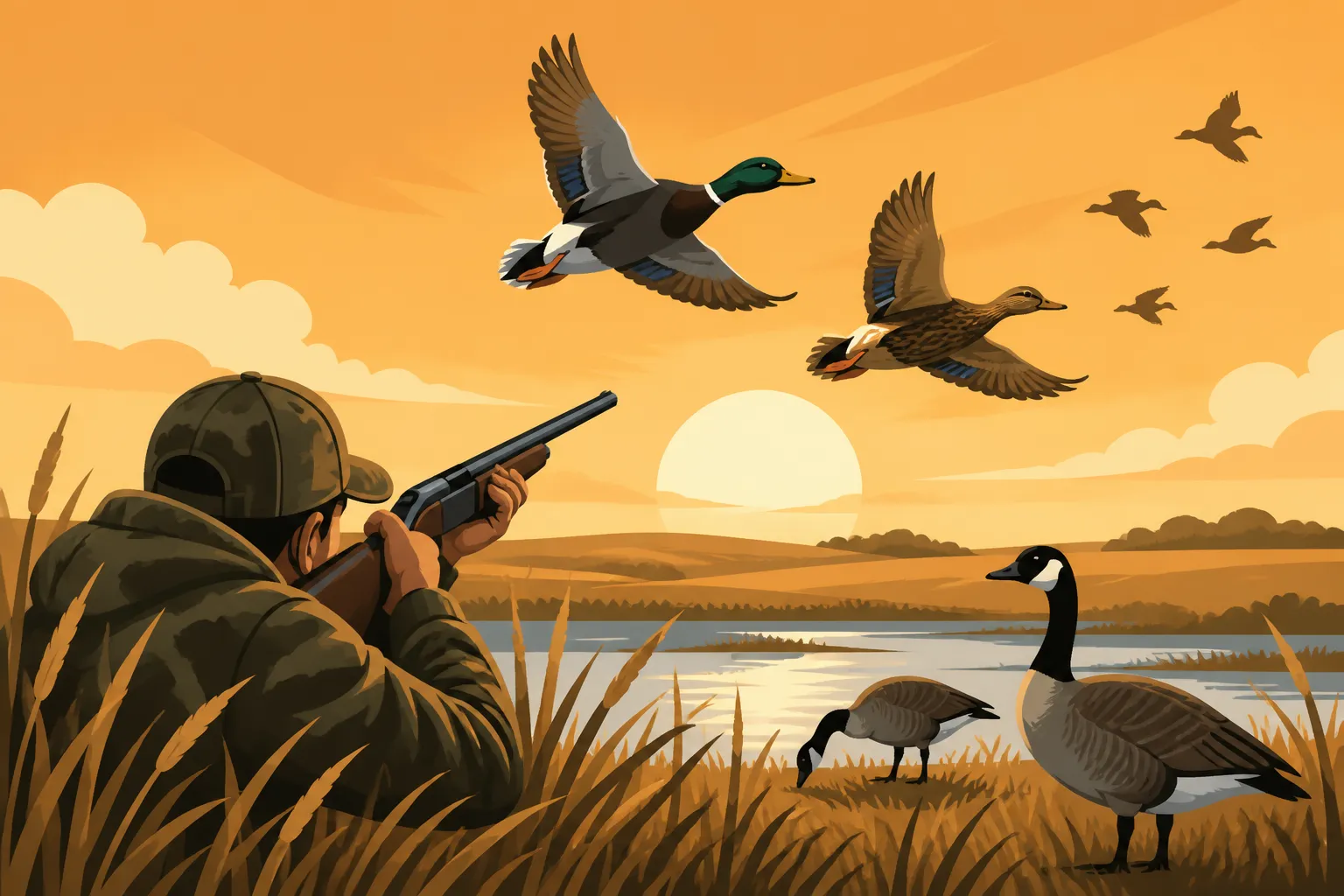
The first glimpse of a thousand mallards lifting off a sheet of water, or the guttural roar of a hundred Canadas banking into your spread, is a moment etched into the soul of any waterfowl hunter. But chasing these magnificent birds across North Dakota's legendary Prairie Pothole Region isn't just about showing up; it's about understanding the land, the weather, and the intricate dance of ducks and geese that call this unique ecosystem home. This guide will dive deep into what makes hunting mallards and geese here so special, and how you can maximize your success in one of the continent's waterfowl meccas.
Understanding North Dakota's Prairie Pothole Region
The Prairie Pothole Region of North Dakota isn't just a geographical area; it's the beating heart of the North American waterfowl flyway. This vast expanse, dotted with millions of glacially formed wetlands, offers unparalleled breeding grounds and crucial staging habitat for migratory birds. Hunters often dream of places like this, but truly grasping its ecological significance is key to understanding the ebb and flow of hunting success.
The Ecosystem and Its Appeal to Waterfowl
Imagine a landscape scarred by ancient glaciers, leaving behind a mosaic of shallow depressions that fill with water, creating what we affectionately call "potholes." These aren't just puddles; they're vibrant micro-ecosystems teeming with invertebrates, aquatic vegetation, and the insect life that forms the critical diet for ducklings and adult birds alike. North Dakota is a linchpin in the North Dakota's Prairie Pothole Region Explained, acting as the primary breeding area for a significant portion of the continent's mallards, pintails, blue-winged teal, and many other duck species.
Beyond breeding, these wetlands serve as vital refueling stations during both spring and fall migrations. As the seasons change, birds from further north, like those from Canada's vast expanses, begin their southward journey, making a pit stop in North Dakota to fatten up on the abundant resources before continuing their long flights. The sheer number of these wetlands, ranging from temporary sheet water in farmers' fields to permanent, deep marshes, provides an incredible diversity of habitat that caters to various species' needs, drawing in millions of birds year after year.
Impact of Agriculture and Land Use on Bird Behavior
While the potholes are a natural marvel, the surrounding agricultural landscape heavily influences how and where mallards and geese utilize the region. North Dakota is prime farming country, with vast fields of corn, soybeans, wheat, and sunflowers stretching for miles. For ducks and especially geese, these fields represent an immense food source. After the harvest, waste grain scattered across stubble fields becomes an irresistible buffet, especially for hardy birds like Canada geese and mallards looking to pack on calories for migration or to sustain themselves through colder weather.
This intermingling of wetlands and agriculture creates unique hunting opportunities and challenges. Birds will often roost on large, undisturbed bodies of water – think bigger lakes, reservoirs, or even large Waterfowl Production Areas – during the night, then make daily flights to feed in agricultural fields. Understanding these flight patterns and feeding habits is crucial. A field that held thousands of geese one day might be barren the next if they've cleaned out the available grain or if a weather front pushed them further south. Access to these private agricultural lands often requires diligent scouting and securing landowner permission, which can be a significant hurdle for many hunters. Sometimes, you'll find incredible action on public North Dakota Waterfowl Production Areas, but those can also see more pressure.
Hunting Mallards on the Potholes
Mallards are, arguably, the quintessential duck of North America, known for their distinctive green heads, vocal calling, and incredible flight maneuvers. Hunting them in North Dakota's Prairie Pothole Region offers diverse scenarios, from jump-shooting small sloughs to elaborate decoy spreads on large water bodies or harvested fields.
Reading the Water and Decoy Spreads
The key to consistently finding mallards is to understand their daily routines and preferences. Mallards are creatures of habit. They prefer shallow water, often feeding on submerged vegetation or dabbling for invertebrates. In the fall, especially as temperatures drop, they'll readily move to harvested grain fields. When scouting, pay close attention to where birds are feeding, loafing, and roosting. Are they tucked into a small, grassy slough, or are they congregated on a large, open lake? Are they flying out to a particular cornfield in the afternoon? These observations are gold.
Once you've identified a spot, your decoy spread becomes your primary tool for convincing birds to commit. For mallards, naturalism is often best. On small water, a dozen or two decoys can be incredibly effective. Consider using a jerk string to add movement – it makes the spread come alive and catches the eye of circling birds. On larger bodies of water or in fields, you might need a larger spread, perhaps incorporating motion decoys like spinning wings or swimming decoys to create a vibrant, irresistible scene. For more specific setups, you'll want to review resources like "Decoy Spreads for Prairie Pothole Mallards".
A common strategy is to leave an "landing zone" in the middle of your spread, mimicking a safe space for birds to land. The wind is always your friend; set your decoys so that approaching birds will land into the wind, right in front of your blind. Pay attention to how birds are reacting – if they're flaring off at a certain point, adjust your spread or calling. Sometimes, less is more; other times, a massive spread is what it takes. Every day, every field, every body of water is a little different.
Calling Techniques and Field Hunting Tactics
Effective calling is an art form, not just a noise-making exercise. For mallards, the basic quack, feed call, and greeting call are your bread and butter. The key is to listen to the birds and respond appropriately. If they're distant, a loud, drawn-out greeting call might grab their attention. As they get closer, switch to softer, more contented feed calls and clucks. If they start to cup their wings and commit, quiet down and let the decoys do the work.
Patience and realism are paramount. Don't overcall, especially when birds are working. A common mistake is to keep blowing the call when ducks are already on their way in. If they're breaking away, try a comeback call to try and swing them back around. Practice different calls and listen to real mallards to refine your technique.
Field hunting for mallards is a completely different ballgame than water hunting. You'll need to scout diligently to find where they're feeding in harvested corn or wheat fields. Once you have a field patterned, concealment is critical. Layout blinds, like those popular for "Layout Blind Hunting Devils Lake Fields", are essential for hiding in flat stubble. Make sure your blind is brushed in thoroughly with local vegetation so it blends seamlessly into the field. Sometimes, natural depressions or fence lines can offer enough cover, but in the wide-open prairie, blinds are usually a must. Position your blinds downwind of your spread, allowing the birds to commit and finish right in front of you. Always consider wind direction, as birds will almost always land into the wind.
Mastering Geese on the Prairie
North Dakota is renowned for its goose hunting, with populations of Canada geese, snow geese, and white-fronted geese migrating through or residing in the state. Each species presents its own unique challenge and requires distinct strategies.
Canada Geese: Resident and Migratory Tactics
Canada geese are a staple of North Dakota hunting. You'll encounter both resident populations, which can provide early season opportunities, and the massive migratory flocks that pour in from the north as the weather cools. The sheer size and intelligence of Canada geese make them a formidable opponent, but also incredibly rewarding to hunt.
Resident Canada geese often frequent urban and suburban areas, as well as smaller, private ponds and fields. Hunting these birds often involves securing permission on specific private lands where they've been causing agricultural damage or have established consistent feeding patterns. For migratory geese, the game changes. These birds travel in vast flocks, utilizing large lakes, reservoirs, and rivers for roosting, then flying out to feed in expansive agricultural fields, particularly corn and wheat stubble.
When hunting Canada geese, scouting is non-negotiable. You need to know where they're roosting and, more importantly, where they're feeding. Find the "X" – the exact spot they want to be. Decoy spreads for Canadas typically involve larger, full-body decoys, often 3-4 dozen or more, to mimic a contented flock. Spreads can vary from loose family groups to tighter feeding clusters, always with a landing zone downwind. Motion decoys, like flags or flyers, can add extra realism.
Calling is crucial for Canadas, but like mallards, don't overdo it. Learn the honk, cluck, murmur, and comeback call. Mimic the excited chatter of a feeding flock, and don't be afraid to go loud with aggressive honks to grab distant birds' attention. As they work closer, soften your calls. For larger flocks, a combination of goose calls can create a more authentic, layered sound that's hard for wary birds to resist. Concealment is paramount; these birds have incredible eyesight. Layout blinds, heavily brushed in, are typically essential for field hunting.
Snow and White-Fronted Geese: Different Strategies for Different Birds
Snow geese offer a completely different hunting experience. These birds travel in immense, often deafening, flocks, sometimes numbering in the tens of thousands. Their sheer numbers can be overwhelming, but their wariness is equally legendary. Hunting snow geese is often characterized by massive decoy spreads – hundreds, sometimes even a thousand or more, white rags, silhouettes, or full-body decoys. The goal is to create a visual spectacle that draws in these high-flying migrants. E-callers are also legal and highly effective for snow geese, allowing hunters to project a realistic, chaotic cacophony of snow goose chatter over a vast area. Blinds need to be meticulously hidden, often dug into the ground or covered so completely that they disappear into the landscape. Success often comes from finding the very specific field they want to feed in and being patient. The North Dakota Snow Goose Migration Numbers can be staggering, but so is the challenge they present.
White-fronted geese, or "specs" as they're often called, are prized for their excellent table fare and sharp intelligence. They typically travel in smaller flocks than snow geese and have a distinctive, high-pitched "laughing" call. Hunting specs often involves a mix of Canada goose decoys and a dozen or two specific white-front decoys. Their calling is unique and requires dedicated practice to master. Many hunters find success by setting up for Canada geese in a field and using a white-front call to attract any specs that might be flying by. They are incredibly wary, and exceptional concealment is absolutely necessary to bring them into gun range.
Essential Gear and Setup for Waterfowl Hunting
Preparing for a North Dakota waterfowl hunt involves more than just throwing some decoys in the truck. The right gear and a thoughtful setup can make the difference between a frustrating day and a limit of birds.
Decoys, Blinds, and Calling Equipment
Your decoy spread is your conversation starter with the birds. For mallards, a mix of standard plastic decoys, some with flocked heads for added realism, and perhaps a few feeder butts or full-body shells can work wonders. Movement is key: jerk strings, simple flappers, or even battery-operated spinning wing decoys can significantly enhance your spread's appeal. When hunting larger water, like a major slough or a portion of Lake Sakakawea, you might consider larger, more visible spreads.
For geese, especially Canada geese, full-body decoys are highly effective, offering the most realistic profile. Silhouettes and shell decoys can supplement your full-body spread, helping to bulk up your numbers without breaking the bank. For snow geese, the sheer quantity of decoys often matters more than individual realism, leading many to use large numbers of windsocks, rags, or spreaders.
Concealment is non-negotiable. Layout blinds are a must for field hunting ducks and geese, providing low-profile cover that blends into stubble. Brands like GoHunt often provide useful mapping tools to scout areas and find good cover. On water, pop-up blinds, A-frame blinds, or even natural vegetation can be utilized. Always bring enough natural material to brush in your blind to match the surroundings perfectly. A poorly concealed blind will flare more birds than a bad call.
Calling equipment should include a good quality duck call (double reed for beginners, single reed for more experienced callers) and at least one good goose call (short reed for Canadas, speck call if targeting them, and potentially an e-caller for snows where legal). Practice is key – listen to instructional videos, other hunters, and real birds.
Clothing, Electronics, and Safety Considerations
North Dakota weather can be notoriously unpredictable, especially during the waterfowl season. Dressing in layers is paramount. You'll want good waterproof, insulated outerwear (jacket and pants), thermal base layers, and mid-layers that can be added or removed as temperatures fluctuate. Insulated, waterproof gloves and a warm hat are also essential. Waders, either chest or waist-high, are a must for water hunts, even if you plan to stay mostly dry. Choose good quality, breathable waders that will keep you warm and comfortable.
Beyond the basics, think about electronics. A fully charged phone with a mapping app (like the one often integrated with GoHunt for identifying PLOTS land or property boundaries) is invaluable for navigation, especially in the vast prairie. A portable power bank can keep your devices charged. Headlamps are critical for early morning setups and late-night retrievals. A GPS device can also be a lifesaver if cell service is spotty.
Safety should always be your top priority. Always wear blaze orange when walking to and from your hunting spot during open gun seasons, even if you're hunting waterfowl. Ensure your firearm is in good working order and always follow the four cardinal rules of gun safety. If hunting from a boat, always wear a life vest. Be aware of your surroundings, especially if hunting near other parties, and know your shooting lanes. Don't forget a first-aid kit, and always tell someone where you're going and when you expect to return.
Navigating Licenses, Regulations, and Access
Hunting North Dakota waterfowl isn't just about calling and decoying; it's also about understanding the legal framework, which can sometimes feel like a moving target. Staying compliant is crucial for a successful and enjoyable hunt.
License Requirements and Federal Stamps
Before you even step foot in a field or slough, you'll need the proper licenses. For residents and nonresidents alike, this typically includes a general game and habitat license. Nonresidents also need a specific nonresident small game license and often a North Dakota's New Nonresident Waterfowl Rule zone-restricted waterfowl license. It's crucial to check the current North Dakota Game and Fish Department (NDGFD) regulations each year, as rules can change.
Beyond state licenses, federal requirements apply to all migratory bird hunters. You'll need a Federal Migratory Bird Hunting and Conservation Stamp (often called a Duck Stamp), which must be signed across its face. Additionally, all migratory bird hunters, regardless of age, must be Harvest Information Program (HIP) certified annually. This involves answering a few questions about your past hunting success to help with migratory bird population surveys. Remember, these aren't just suggestions; they are legal requirements, and enforcement is strict.
It's also worth noting the special nine resident-priority waterfowl days at the beginning of the season. During these days, nonresidents cannot hunt waterfowl on any Game and Fish Department (GF) owned or managed lands (such as Wildlife Management Areas) or federal Waterfowl Production Areas (WPAs). Nonresidents can hunt waterfowl on private land where they have permission, or on other federal lands like U.S. Forest Service or Army Corps of Engineers land during this period. After these nine days, nonresident access to public lands opens up. Understanding these nuances is critical for planning your trip, particularly for nonresidents who travel long distances.
Bag Limits, Shooting Hours, and Ethical Hunting
Bag limits for ducks and geese in North Dakota vary by species and sex, and it's your responsibility to know these limits before you head out. The daily bag limit for ducks, for example, typically includes a certain number of mallards, with specific restrictions on hen mallards. Goose limits also vary by species (Canada, snow, white-fronted). There are also possession limits, which dictate the maximum number of birds you can have in your possession at any given time, including those in storage at home. Consult the current North Dakota Duck and Goose Bag Limits synopsis.
Shooting hours for migratory birds generally begin 30 minutes before sunrise and extend until sunset. It's important to use a reliable sunrise/sunset table for your specific location in North Dakota. Violating shooting hours is a serious offense.
Ethical hunting goes beyond just following the law. It means taking responsible shots, making every effort to retrieve downed birds (even if it means a long walk or a cold swim), and respecting landowners and fellow hunters. Clean up your spent shells, don't leave trash in the field, and always be courteous. Leaving a field cleaner than you found it helps maintain good relationships with landowners and ensures future access. It's also vital to properly identify your target before shooting, to avoid accidental take of protected species or exceeding species-specific bag limits.
Conservation and the Future of Waterfowl
North Dakota's wetlands and agricultural lands are a treasure, not just for hunters, but for a vast array of wildlife. The future of mallards and geese on the prairie depends heavily on ongoing conservation efforts.
Protecting Habitat and Supporting Conservation Organizations
The Prairie Pothole Region faces continuous challenges from habitat loss due to agricultural conversion, drainage, and development. Every acre of wetland lost means less breeding and staging habitat for waterfowl. This is where conservation organizations play a pivotal role. Groups like Ducks Unlimited, Delta Waterfowl, and the U.S. Fish and Wildlife Service work tirelessly to restore and protect wetlands, implement conservation easements, and promote sustainable land management practices.
Hunters are often the most passionate conservationists. A significant portion of hunting license fees and the revenue from the Federal Duck Stamp directly funds wetland acquisition and restoration. By purchasing licenses and stamps, and by supporting organizations like those mentioned, hunters are directly contributing to the preservation of the very resource they cherish. Getting involved locally, perhaps through volunteer efforts to clean up a WPA or participate in habitat projects, is another way to give back.
Understanding Population Trends and Management Efforts
Waterfowl populations are dynamic, influenced by everything from nesting success on the prairies to drought conditions in their wintering grounds. The NDGFD, in cooperation with federal agencies, conducts annual breeding pair surveys and harvest surveys to monitor these populations. This data is critical for setting hunting season dates and bag limits, ensuring sustainable harvest levels while protecting the long-term health of the resource.
For example, understanding the North Dakota Duck and Goose Numbers is part of a complex process that ensures responsible management. Factors like severe winter weather or prolonged drought can significantly impact duck and goose production, leading to adjustments in subsequent hunting seasons. As hunters, staying informed about these population trends and the rationale behind management decisions helps us appreciate the science that underpins our sport. It's a reminder that our participation is part of a larger ecological cycle, and our actions, both in the field and through our support for conservation, have a lasting impact on the future of North Dakota's incredible waterfowl heritage.
Disclaimer
Please note that hunting regulations, license requirements, and season dates are subject to change. Always consult the most current North Dakota Game and Fish Department (NDGFD) regulations and federal migratory bird hunting regulations before planning any hunting activity. This guide is for informational purposes only and should not be considered legal advice.