Mercer County Public Hunting Ground
Finding good public hunting ground in North Dakota can sometimes feel like trying to solve a complicated puzzle, especially when you’re looking beyond the most talked-about units. Many hunters get discouraged, thinking all the best spots are either locked up on private land or swarming with other people. But I'm here to tell you that there are still fantastic opportunities out there, and Mercer County is one of those spots that often flies a little under the radar, offering a wealth of public access that, with a bit of planning, can lead to some truly memorable hunts.
Understanding Public Access in Mercer County
Mercer County, nestled in west-central North Dakota, presents a varied landscape of rolling plains, river breaks along the Missouri, and plenty of agricultural land interspersed with sloughs and coulees. This diversity is precisely what makes it appealing, but it also means navigating the different types of public land takes a bit of know-how. It’s not just one big chunk of federal ground; it’s a mosaic of various access programs, each with its own nuances.
One of the biggest frustrations hunters face is pulling up a map and seeing what looks like public land, only to find out it's restricted or requires special permission. Mercer County has its share of these complexities, but by understanding the primary avenues for public access, you can cut through the confusion and focus on the hunting. Don't let the patchwork intimidate you; instead, see it as an opportunity to really dig in and find those hidden gems.
The PLOTS Program in Mercer County
The Private Land Open To Sportsmen (PLOTS) program is a lifesaver for hunters in North Dakota, and Mercer County is no exception. These are tracts of private land that landowners enroll to allow public hunting access, often marked by distinctive yellow signs. You'll find a decent scattering of PLOTS acres throughout Mercer County, particularly in areas with good habitat for deer, pheasants, and waterfowl. The beauty of PLOTS is that it opens up land that would otherwise be inaccessible, diversifying your hunting options significantly.
However, hunting PLOTS isn't always as simple as just showing up. These parcels can vary greatly in size and habitat quality, and hunting pressure on easily accessible PLOTS tracts can be high, especially early in the season. It pays to do your homework, look at aerial maps, and even drive by a few areas beforehand. Scouting PLOTS Land With the ND Hunt App can give you an edge, helping you understand the lay of the land, potential bedding areas, and travel corridors before you ever set foot in the field. Remember, these lands are still managed by private landowners, so always be respectful of their property, avoid driving off-road unless marked for access, and pack out everything you pack in.
Wildlife Management Areas and Their Offerings
North Dakota Wildlife Management Areas (WMAs) are another fantastic resource for public hunting, and Mercer County benefits from proximity to several of these state-managed properties. WMAs are specifically acquired and managed by the North Dakota Game and Fish Department for wildlife habitat and public recreation, including hunting. These areas are often larger and more consistently managed for wildlife than some PLOTS tracts, making them reliable choices.
What you'll find on WMAs in Mercer County can vary widely, from river bottom forests along the Missouri to upland grasslands and restored wetlands. This means they can be prime locations for everything from deer and turkeys to ducks and pheasants. Unlike some other public lands, WMAs often have established parking areas and clear boundaries, which can make planning your hunt a bit easier. Hunting North Dakota Wildlife Management Areas provides a great overview of what to expect, but always check the specific WMA regulations, as some may have unique rules regarding vehicle access, camping, or specific hunting methods.
Navigating Other Public Land Types
Beyond PLOTS and WMAs, Mercer County also has other pockets of public land that hunters can utilize. This primarily includes federal lands managed by the Bureau of Land Management (BLM) or Army Corps of Engineers land, especially along the Missouri River and its tributaries. These lands often have different regulations and access points than state-managed areas, so it's crucial to know what you're stepping onto. The Missouri River corridor, in particular, offers significant public access, though some areas may be tough to reach without a boat.
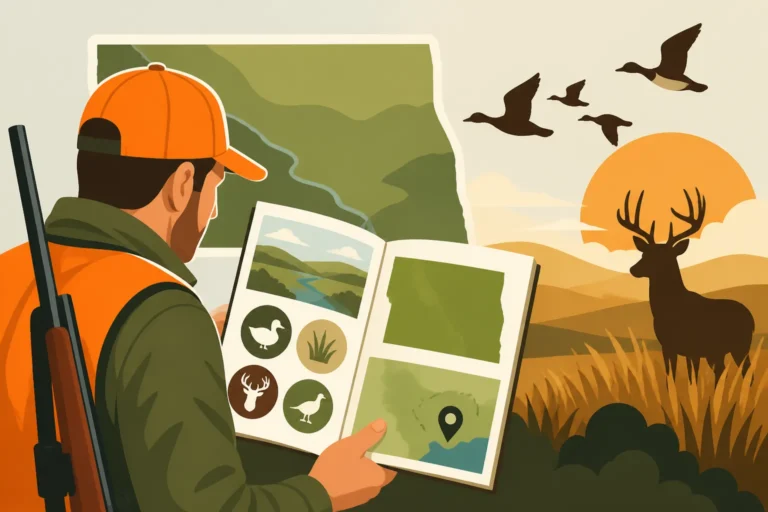
For these varied public lands, a reliable mapping tool is absolutely indispensable. Services like onX Hunt allow you to clearly see property boundaries, landowner names, and different types of public land, even displaying features like walk-in access programs. I never leave home without checking it. The layers within onX Hunt can show you exactly where BLM land starts and private property ends, helping you avoid accidental trespassing and giving you confidence in your hunting location. Understanding these various designations and their associated rules is key to maximizing your time afield and staying on the right side of the law.
Game Species and Hunting Opportunities
Mercer County’s diverse landscape supports a healthy variety of game species, offering something for almost every type of hunter. From the thick cover of river bottoms to the expansive prairie, the habitat provides for healthy populations, making it a viable destination for multiple hunting seasons. It's truly a mixed-bag county, and knowing which species thrive where can help you plan your hunts more effectively.
One of the biggest draws, like in much of North Dakota, is the deer hunting. But beyond that, the county holds good numbers of upland birds and offers excellent waterfowl opportunities, particularly during migration. This variety means you can often combine hunts or shift your focus if one species isn't cooperating.
Deer Hunting Prospects
Deer hunting in Mercer County can be fantastic, especially for white-tailed deer. The Missouri River corridor, which forms a significant part of the county's eastern border, is a prime location for whitetails, offering dense timber, agricultural edges, and deep draws where bucks can hide. White-Tailed Deer Across North Dakota thrive in these habitats, and Mercer County provides ample food sources and cover. While mule deer are more prevalent in the true Badlands to the west, you might occasionally encounter one in the western reaches of Mercer County, especially in more broken, badlands-like terrain.
Successful deer hunting here often involves scouting thoroughly. Look for natural funnels, pinch points between cover and food sources, and travel corridors that deer use to move between bedding and feeding areas. During the archery season, focusing on river bottom timber and agricultural field edges can be very productive. For the firearm season, many hunters consider Hunting a Shelterbelt Edge for Deer to be a solid tactic, as these linear strips of trees provide excellent cover and travel routes, especially in more open country. Remember to check the specific unit regulations for Mercer County, as antlerless licenses and special tags can vary from year to year.
Upland Bird Opportunities
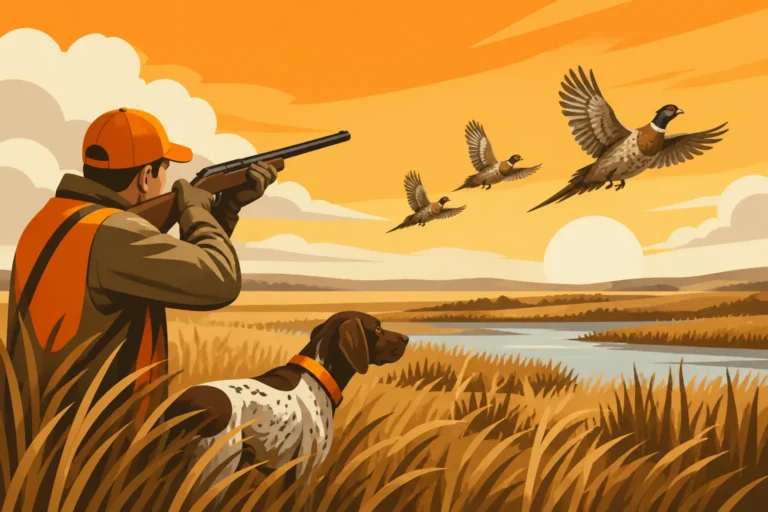
For upland bird enthusiasts, Mercer County offers exciting prospects for ring-necked pheasants and sharptail grouse. Pheasants tend to be found in areas with a mix of dense cover (like cattail sloughs, CRP, or thick grass), scattered brush, and proximity to agricultural fields. Ring-Necked Pheasants in North Dakota are abundant where this habitat mix is present, and Mercer County has plenty of it, especially in the central and western parts. Hunting walk-in PLOTS tracts or WMAs with good pheasant habitat can yield great results, especially with a good bird dog.
Sharptail grouse, on the other hand, prefer more open, native prairie grasslands and sagebrush country. You'll often find them on larger tracts of undisturbed grassland, sometimes interspersed with light brush. While not as numerous as pheasants in the most intensely farmed areas, the grasslands of Mercer County can hold good coveys of sharptails. Hunting these birds often involves covering a lot of ground, often early in the morning or late in the afternoon, using binoculars to spot them feeding or loafing. The key is to cover diverse habitats to maximize your chances for both species.
Waterfowl and Other Small Game
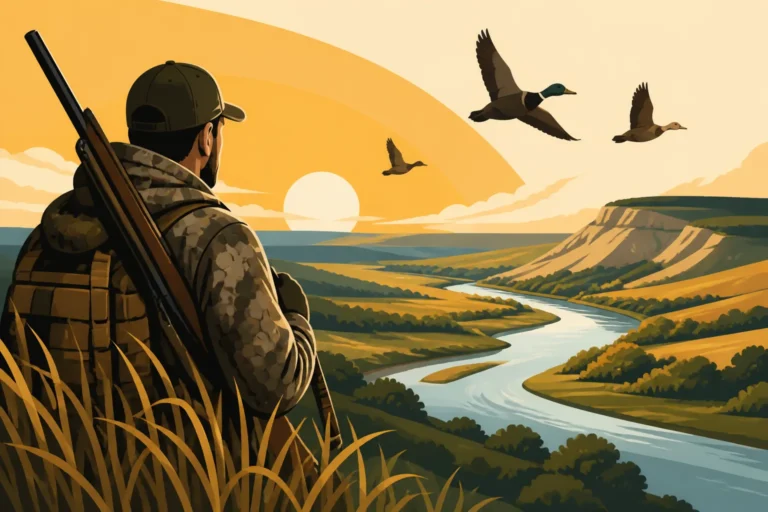
If you're a waterfowl hunter, Mercer County's location within the prairie pothole region, coupled with its proximity to the Missouri River, makes it a prime destination. North Dakota Waterfowl on the Prairie Pothole Flyway funnel through this area during migration, and the county is dotted with numerous small wetlands, dugouts, and sloughs that attract ducks and geese. The larger bodies of water, and especially the Missouri River itself, can host massive numbers of migrating birds.
Table: Common Game Species in Mercer County and Preferred Habitat
| Game Species | Primary Habitat in Mercer County | Best Public Land Type | Key Hunting Challenge |
|---|---|---|---|
| White-Tailed Deer | River bottom timber, agricultural edges, dense brush, coulees | WMAs, PLOTS, Army Corps | Finding low-pressure pockets |
| Ring-Necked Pheasant | CRP grass, cattail sloughs, shelterbelts, crop field edges | PLOTS, WMAs | Locating birds in dense cover, hunting pressure |
| Sharptail Grouse | Native prairie grasslands, sagebrush, open rangeland | PLOTS, BLM | Covering vast ground, spotting birds |
| Ducks & Geese | Potholes, sloughs, Missouri River, agricultural fields | PLOTS, WMAs, Army Corps | Timing migration, decoying effectively |
| Cottontail Rabbit | Brushy draws, shelterbelts, thickets, timber edges | PLOTS, WMAs, any brushy cover | Identifying active areas |
| Coyote | Open prairie, badlands edges, agricultural lands | All public land types | Decoy setup, wind, calling skills |
Small game hunting also offers additional opportunities. Cottontail rabbits are common in brushy areas and along timber edges, providing a fun and often fast-paced hunt. Coyotes are also abundant across the county, offering year-round predator calling action. Many hunters enjoy combining a pheasant hunt with a coyote stand in the afternoon, or even during the deer season, adding another layer to their outdoor experience.
Essential Tools and Tactics for Mercer County
Hunting successfully in a county like Mercer, with its varied terrain and mix of public access types, requires more than just knowing where to go; it demands the right tools and a solid strategy. You wouldn't try to build a house without a hammer, and you shouldn't try to hunt North Dakota effectively without some key pieces of gear and a thoughtful approach. Getting off the beaten path, understanding deer movement, and using technology to your advantage are all critical.
Many hunters get frustrated when they put in effort but don't see results. Often, it comes down to being underprepared for the specific challenges of the area. Mercer County isn't always easy, but it rewards those who come equipped with knowledge and the right mindset.
Utilizing Mapping Apps for Success
I cannot emphasize enough how important a good mapping app is when hunting Mercer County. With its patchwork of PLOTS, WMAs, and other public lands, knowing exactly where you are and whose land you’re on is paramount. onX Hunt is practically a necessity. It provides detailed satellite imagery, topo maps, and crucially, land ownership information that is updated regularly. This allows you to differentiate between public access land and private property, and helps prevent inadvertent trespassing.
Beyond just boundaries, these apps are invaluable for scouting. You can identify potential bedding areas, food sources, water, and travel corridors from your couch before you ever leave home. I spend hours looking at aerial photos, marking waypoints for promising spots, and planning my entry and exit routes. This is especially useful for Hunting Pressure on North Dakota Public Land, as it allows you to identify areas that might be harder for others to reach, often leading to less disturbed game. Knowing How Many Days Nonresidents Wait for Public Land Bow Access or any other specific restrictions related to certain land types is also critical, and while the app won't tell you the law, it helps you apply your knowledge of the law to the map.
Scouting and Strategy Considerations
Effective scouting, whether in person or via satellite, is the backbone of a successful hunt in Mercer County. For deer, look for areas where different habitat types converge – where a shelterbelt meets a CRP field, or where a coulee drops down into river bottom timber. These are natural travel routes and bedding areas. Pay attention to changes in elevation, even subtle ones, as deer often use these to their advantage. For upland birds, focus on areas with diverse cover: tall grass, dense brush, and cattail sloughs adjacent to food sources.
When you're out in the field, always be mindful of the wind and thermals. This is especially true in areas with varied terrain, like the river breaks. What might be a good wind on a flat prairie can swirl unpredictably in a draw or along a bluff. Wind and Thermals in Badlands Terrain provides insights that can be surprisingly relevant even outside the true Badlands, particularly along the Missouri. Positioning yourself correctly is critical, not just for concealment but for ensuring your scent doesn't spook game. Having a flexible plan that allows for adjustments based on conditions is always a good strategy.
Respecting Boundaries and Regulations
North Dakota takes land boundaries seriously, and respecting property lines is not just good etiquette, it’s the law. Always assume land is private and requires permission unless it’s clearly marked as public access, like a yellow PLOTS sign or a WMA boundary sign. North Dakota Trespass and Permission Law is clear on this, and ignorance is no excuse. Always carry your license and any necessary permits, and be prepared to show them if requested.
Additionally, be aware of specific regulations for each hunting season. This includes things like blaze orange requirements during firearm deer season, which is crucial for safety. North Dakota Blaze Orange Requirements detail what you need to wear. Understand bag limits, shooting hours, and any CWD regulations in place for your unit. The North Dakota Game and Fish Department website is your best friend for up-to-date regulations. Being a responsible and ethical hunter not only ensures you have a positive experience but also helps maintain the good relationships between landowners and hunters that are so vital to North Dakota's hunting culture.
Disclaimer
This article is for general informational purposes only and does not constitute professional advice. Laws, prices and regulations vary by location and change over time. Consult a qualified professional for guidance on your specific situation.