North Dakota Bonus Antlerless Tag Purchase Rules
It can feel incredibly confusing trying to keep up with all the different deer tag options in North Dakota, especially when you start hearing about "bonus antlerless tags." Many hunters get their regular lottery results, and if they don't draw an antlerless tag, they think their season for harvesting additional does is over. But that's not always the case! This comprehensive guide will walk you through exactly what North Dakota's bonus antlerless tags are, who can purchase them, how to go about getting one, and why they can be a fantastic opportunity to fill your freezer.
Navigating North Dakota's Bonus Antlerless Tag System
Understanding North Dakota's deer hunting structure can be a bit like piecing together a puzzle, especially with the regular lottery, gratis licenses, and then these "bonus" opportunities. It's crucial to distinguish between a standard antlerless deer tag you might draw in the initial lottery and a bonus antlerless tag. They serve different purposes and have distinct acquisition rules. Think of the regular tags as the primary opportunity, and the bonus tags as a secondary chance, often designed to manage local deer populations effectively.
What Makes a Tag "Bonus Antlerless"?
A bonus antlerless tag, in essence, is an additional deer tag that becomes available for purchase after the initial deer lottery has run its course and many hunters have received their primary tags. Unlike your initial lottery draw, which is typically for an "any-deer" (buck or doe) or a specific antlerless tag in a particular unit, bonus tags are always for antlerless deer (does or fawns) only. The "bonus" part signifies that these are extra opportunities that were not initially taken in the lottery or are being made available to further manage deer populations in specific areas. They are usually sold on a first-come, first-served basis, adding a layer of urgency once they become available.
These tags are often linked to units where the North Dakota Game and Fish Department (NDG&F) has identified a need for additional antlerless harvest. This could be due to higher-than-desired deer populations causing crop depredation, concern over disease spread, or simply a unit where fewer hunters applied for antlerless tags than there was availability in the main draw. It's a pragmatic approach to ensure management goals are met while providing more hunting opportunities. For many hunters, especially those looking to put venison in the freezer or introduce new hunters to the sport, these tags are a welcome opportunity.
The Purpose Behind Offering Extra Tags
The primary driver behind offering bonus antlerless tags is sound wildlife management. The NDG&F meticulously monitors deer populations through aerial surveys, harvest reports, and landowner input. When populations in certain hunting units grow beyond their desired levels, or when specific issues like Chronic Wasting Disease (CWD) become a concern, increasing the antlerless harvest is one of the most effective tools available. CWD is a serious neurodegenerative disease that affects deer, elk, and moose, and managing herd density in affected areas is a key strategy to mitigate its spread. For more information on units affected, you might want to look into North Dakota's Expanding CWD Hunting Units.
Beyond disease management, bonus tags also help address agricultural damage. In many parts of North Dakota, deer can cause significant damage to crops, especially during late summer and fall. By allowing for a higher antlerless harvest, the state aims to reduce these conflicts, supporting both the deer herd's health and the livelihoods of farmers. For hunters, it means more opportunities, especially for those who might not have drawn an antlerless tag in the initial lottery or those who simply want to extend their season and harvest additional deer. It's a win-win: hunters get more time in the field, and the state achieves its management objectives.
Who Can Purchase and When These Tags Become Available
The availability and rules for purchasing bonus antlerless tags can differ slightly between residents and nonresidents, and knowing the timing is absolutely critical. These tags don't just appear out of nowhere; their release is a calculated move by the NDG&F, usually following the initial lottery results and subsequent analysis of tag fill rates. Being prepared and informed is your best bet for snagging one.
Resident vs. Nonresident Access
Generally, North Dakota residents have priority and broader access to bonus antlerless tags. They are often the first, and sometimes the only, group eligible to purchase these tags. This reflects the state's management philosophy, prioritizing resident hunting opportunities and local population control needs. Nonresidents typically face more restrictions, if any access is granted at all. For the past several seasons, bonus antlerless tags have been primarily available only to residents.
However, it's always worth checking the most current regulations directly from the NDG&F, as rules can change from year to year based on deer populations and management goals. The best way to track specific tag availability, including any potential nonresident opportunities, is through the official NDG&F website or by utilizing resources like GoHunt, which often aggregates and updates this information. If you're a nonresident planning a trip, focusing on your initial lottery application for North Dakota's Lottery-Based Deer Gun Season is usually your primary avenue, as bonus tags are often resident-centric.
Key Dates and How to Stay Informed
The timing for bonus antlerless tag sales is highly predictable: they typically become available after the main deer lottery results are released and after a period where initially drawn tags are either purchased or go unclaimed. This usually falls somewhere in late summer or early fall, often in August or September, but the exact date varies each year. The NDG&F will announce the sale date and time, along with a list of available units, usually through a press release on their website and social media channels.
To make sure you don't miss out, here's what you should do:
- Bookmark the NDG&F Deer Hunting Page: Make it a habit to check this page frequently, especially in the weeks following the main deer lottery results.
- Sign Up for Email Alerts: The NDG&F offers email notifications for important hunting announcements. This is a must-do.
- Follow NDG&F on Social Media: They often post real-time updates and announcements on platforms like Facebook and Twitter.
- Utilize Hunting Apps and Forums: Many popular hunting apps, including GoHunt, and online forums dedicated to North Dakota hunting will actively track and share these announcements. They can be invaluable for quickly disseminating information once a sale goes live.
- Mark Your Calendar: Once an announcement is made, immediately add the sale date and time to your calendar with an alert. These tags can sell out incredibly fast in popular units, sometimes within minutes.
Being proactive about these key dates is essential. If you wait for the news to come to you, you'll likely miss out.
The Step-by-Step Purchase Process for Bonus Tags
Once you've identified that bonus antlerless tags are available and you're eligible, the actual purchase process is relatively straightforward, but speed and preparedness are key. Since these are often first-come, first-served, any delay can mean losing out on a desired unit.
Online Portal and In-Person Options
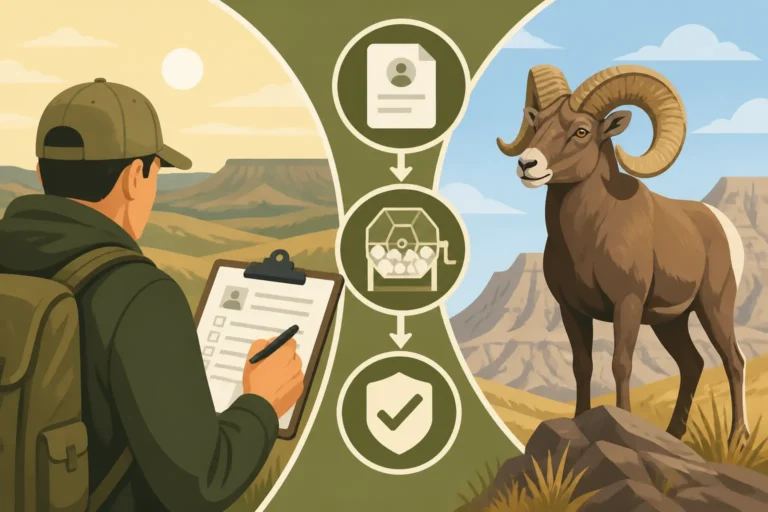
The most common and by far the fastest way to purchase a bonus antlerless tag is through the NDG&F's online licensing portal. This is where the vast majority of hunters will attempt to buy their tags. You'll need an active North Dakota hunting license (like your General Game and Habitat license) and your customer ID. Make sure your account information is up-to-date before the sale goes live. Have your payment information (credit card) ready to go, as you'll want to minimize any friction in the checkout process.
While online is preferred, in some cases, you might be able to purchase tags in person at the NDG&F main office in Bismarck or through authorized license vendors. However, relying on these methods is often a slower process and risks the tags selling out online before you can complete an in-person transaction. For the best chance, focus on the online portal. Remember, having your General Game and Habitat license secured beforehand simplifies the process considerably when the bonus tags become available. You can usually find detailed instructions on Buying a License Through North Dakota's Online Portal.
Understanding Unit Availability and Limits
When bonus antlerless tags become available, the NDG&F will release a list of specific hunting units where these tags can be purchased. This list is crucial, as availability will vary widely. Some units might have hundreds of tags available, while others might have only a handful. The number of tags in each unit is directly tied to the management needs in that area, often units with higher deer densities for White-Tailed Deer Across North Dakota or those designated as CWD management zones.
Here's what to keep in mind:
- Unit-Specific: Bonus tags are unit-specific. You can't just buy a general antlerless tag; it must be for a specific hunting unit. You'll need to know which units you're interested in ahead of time.
- Per-Hunter Limits: There are often limits to how many bonus antlerless tags a single hunter can purchase. Typically, it's one or two per hunter, but always confirm the exact regulations for the current year. This is to ensure fair distribution and prevent a single individual from buying up all available tags.
- Rapidly Changing Inventory: The online portal usually shows the real-time availability of tags per unit. As hunters purchase them, the numbers will drop. If you have your heart set on a particular unit, you need to act quickly the moment sales open. Tools like GoHunt can sometimes provide historical data on which units tend to have bonus tags, helping you plan which units to target.
It’s a good idea to have a primary unit in mind, along with a couple of backup units, just in case your first choice sells out before you can complete your purchase.
| Feature | Regular Antlerless Tag (Lottery) | Bonus Antlerless Tag (Post-Lottery) |
|---|---|---|
| Acquisition Method | Lottery Draw (Application required) | First-Come, First-Served Purchase |
| Timing | Applied for in May/June, results in July | Available late summer/early fall (Aug/Sep) |
| Eligibility | Residents & Nonresidents (with limits) | Primarily Residents (check yearly regs) |
| Purpose | General deer management, hunter opportunity | Specific herd reduction/CWD management |
| Cost | Included with license fee if drawn | Separate purchase cost |
| Availability | Set numbers per unit via lottery | Variable, announced post-lottery, limited |
| Species | Antlerless deer only | Antlerless deer only |
Strategic Use of Bonus Antlerless Tags
Successfully acquiring a bonus antlerless tag is only half the battle; knowing how to strategically use it can significantly enhance your hunting season. These tags offer flexibility and can be particularly valuable for filling your freezer, introducing new hunters, or contributing to critical wildlife management efforts.
Targeting High-Density or CWD Units
Bonus antlerless tags are frequently released for units that have a higher deer population than desired, or, as mentioned, those designated as CWD management units. This provides an excellent opportunity for hunters to focus their efforts where deer are more abundant and where their harvest can have a direct positive impact on herd health and landowner relations.
- High-Density Units: If your primary goal is venison, targeting units known for high deer numbers means a better chance of success. These units often offer more opportunities for close encounters and a higher likelihood of filling your tag. Use resources like the NDG&F's annual harvest reports and population estimates (or platforms like GoHunt which synthesize this data) to identify these hotspots. Scouting ahead of time, even with apps, can help you locate areas within these units with good cover and food sources. You can also explore North Dakota Deer Harvest Records for historical success rates.
- CWD Units: Hunting in CWD units, particularly if you have a bonus antlerless tag, is a direct contribution to disease management. By removing antlerless deer, you help reduce overall deer density, which can slow the spread of the disease. While CWD is a serious concern, the venison from CWD-positive deer is generally considered safe to eat by the CDC, though testing is often encouraged or mandatory in these units. Being informed about CWD Testing for North Dakota Hunters is crucial if you hunt in one of these areas. These hunts can be challenging but incredibly rewarding, knowing you're doing your part for the future of the deer herd.
Planning for Multiple Deer Harvests
For many hunters, a bonus antlerless tag isn't just a backup; it's a strategic tool for planning a multiple-deer harvest. This is particularly appealing for those who want to ensure a full freezer of venison for the year, or for families with multiple hunters. If you've already drawn an "any-deer" tag and are hoping for a buck, having a bonus antlerless tag in your back pocket allows you to be more selective with your primary tag while still ensuring you bring home meat.
Consider these scenarios:
- Early Season Doe: Use your bonus tag to harvest a doe early in the season, getting fresh venison in the freezer before the weather turns too cold or the rut makes deer behavior more erratic. This frees you up to focus on your buck hunt later.
- Mentored Youth Hunts: Bonus tags are excellent for introducing new or youth hunters to the field. Youth hunters often have specific seasons, like North Dakota Youth Deer Season Rules, and an antlerless tag provides a lower-pressure opportunity for a successful harvest, focusing on the basics of ethical hunting without the added pressure of buck fever.
- Late Season Opportunity: If your primary tag goes unfilled by the end of the gun season, a bonus antlerless tag might extend your hunting opportunity into the later parts of the season, potentially even into the Hunting the December Muzzleloader Close if regulations allow. Always verify the legal weapons and season dates for your specific unit.
The key is to integrate the bonus tag into your overall hunting plan. Don't just buy it and forget it; actively plan how and when you intend to use it to maximize your success and enjoyment of the season.
Disclaimer
Please remember that hunting regulations, license requirements, and season dates can change. While I strive to provide accurate and up-to-date information, it is always your responsibility to consult the official North Dakota Game and Fish Department (NDG&F) website or publications for the most current and legally binding rules before planning or undertaking any hunting activity. This guide is for informational purposes only and does not substitute for official regulations.