CWD Testing for North Dakota Hunters
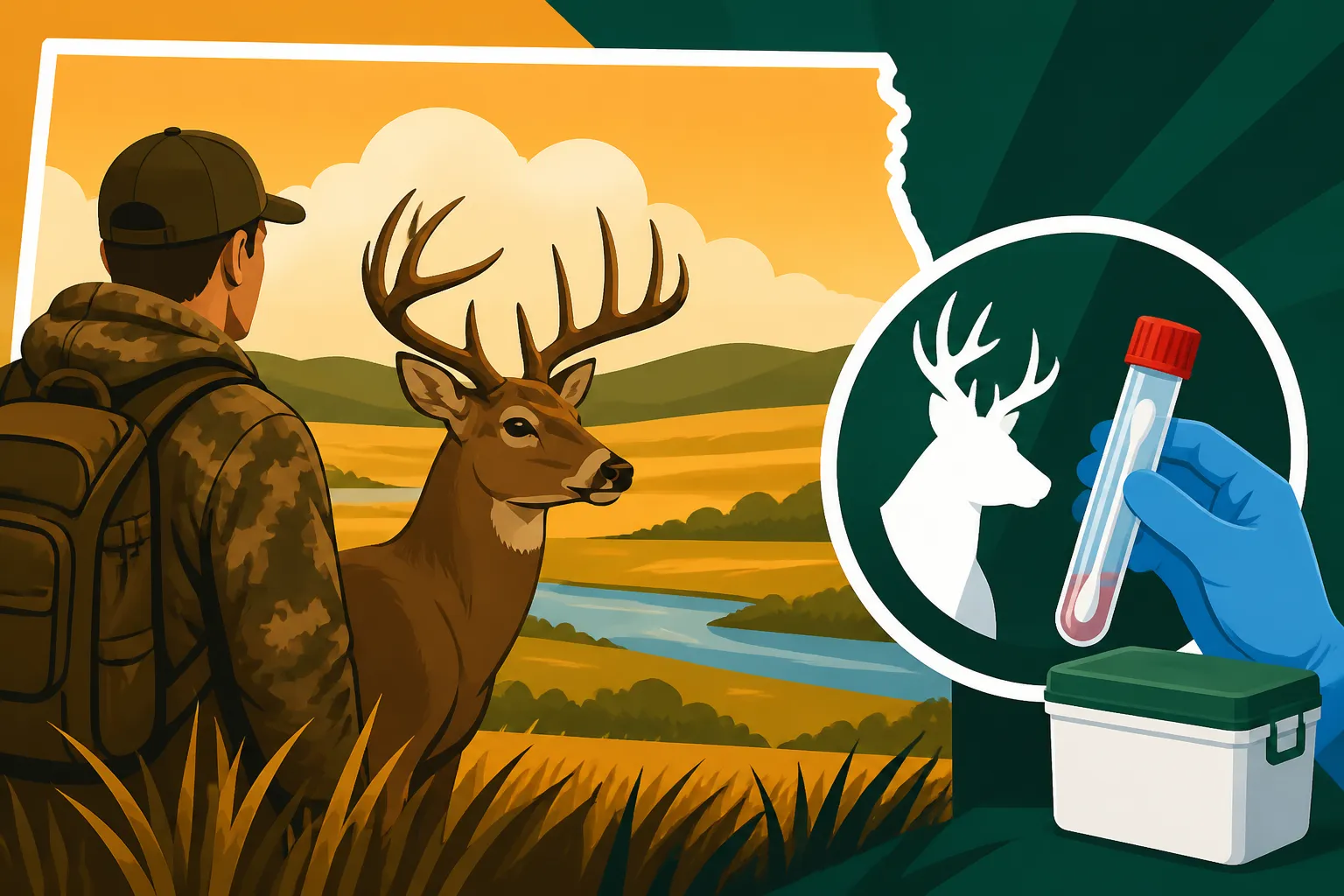
The landscape of hunting in North Dakota, while rich with opportunity, has undeniably shifted with the ongoing conversation around Chronic Wasting Disease (CWD). It's easy to feel overwhelmed by the regulations, the science, and the sheer responsibility that comes with being a modern hunter. This guide aims to cut through the confusion, offering a clear, empathetic look at CWD testing in North Dakota, making sense of the requirements, and equipping you with the knowledge to participate effectively and responsibly.
Understanding Chronic Wasting Disease and Its Impact
Let's be honest, hearing about CWD can be alarming. It's a neurological disease that affects cervids – that's deer, elk, and moose – and it's always fatal. What makes it particularly concerning is that it’s caused by abnormal proteins called prions, which are incredibly resilient and can persist in the environment for years, even decades. This isn't just a concern for the animals; it impacts the future of our hunting heritage and raises questions for hunters about venison safety.
What Exactly is CWD?
Chronic Wasting Disease is part of a family of diseases known as transmissible spongiform encephalopathies (TSEs), similar to "mad cow disease" in cattle. It slowly degrades the brain, leading to emaciation, abnormal behavior, drooling, and ultimately, death. There's currently no vaccine or cure, which is why prevention and management are so critical. The prions are shed through saliva, urine, and feces, contaminating soil, water, and plants, meaning an infected area can remain a risk long after an infected animal is gone. It's a silent threat, often undetectable in the early stages, making surveillance and testing the cornerstone of management.
Why CWD Matters to North Dakota Hunters
For those of us who cherish the tradition of hunting in North Dakota, CWD isn't just an abstract biological problem; it's deeply personal. It directly threatens our deer populations, which are a vital part of our ecosystem and our outdoor lifestyle. A widespread outbreak could severely impact deer numbers, change hunting seasons, and even affect the very units we love to hunt. Beyond population concerns, there's the understandable anxiety about consuming venison from an infected animal. While the Centers for Disease Control and Prevention (CDC) advises caution and recommends against consuming meat from CWD-positive animals, it's worth noting there's currently no direct evidence of CWD transmitting to humans. Still, that doesn't alleviate the worry, and testing provides crucial peace of mind and data for wildlife managers. It’s about protecting the herds for future generations and ensuring the safety and enjoyment of our harvest today.
Navigating North Dakota's CWD Management Zones
North Dakota isn't just sitting back and hoping CWD goes away. The North Dakota Game and Fish Department (NDGFD) has a robust CWD surveillance program in place, with specific units designated as CWD Management Zones or CWD Surveillance Units. These zones are where the disease has been detected or where there's a heightened risk due to proximity to known positive cases. Understanding these zones is paramount for any hunter planning to take to the field. Many hunters use tools like GoHunt to scout areas and check for up-to-date CWD unit boundaries right on their maps, which is incredibly helpful when planning a trip.
Identifying CWD Management Units and Surveillance Areas
The NDGFD updates its CWD unit map annually, so always check the latest information before your hunt. Generally, these units are concentrated in areas where CWD has been found in wild deer, such as the southwest and central parts of the state. For example, some units along the Missouri River corridor have seen CWD detections, leading to mandatory testing requirements. These aren't static boundaries; as the disease is detected in new areas or confirmed in existing ones, the designations can change. Currently, North Dakota's Fourteen CWD Hunting Units are primarily located in the western and central parts of the state, often following river drainages or areas with higher deer densities. It's not just about drawing a tag; it's about knowing the specific rules that apply to the unit you’ve drawn for.
Mandatory Versus Voluntary Testing Requirements
This is where it can get a little tricky, so pay close attention. In designated CWD Management Zones, CWD testing may be mandatory for certain species, especially deer harvested during the gun season. This means if you harvest a deer in one of these units, you are legally required to submit a sample for testing. Failure to do so can result in penalties, and honestly, it’s just not worth the risk. The goal of mandatory testing is to collect enough samples to accurately gauge the prevalence and spread of the disease within those high-risk areas.
In other units, or for certain species, testing might be voluntary but highly encouraged. Even if it's not mandated by law, participating in voluntary testing is a crucial way for hunters to contribute valuable data to wildlife management efforts. Every sample, whether mandatory or voluntary, helps the NDGFD understand how CWD is moving and where resources are most needed. It’s a collective effort, and your participation directly impacts the health of our deer herds. If you're Hunting North Dakota's November Gun Deer Season in a mandatory unit, make sure you know the rules before you head out.
Here's a quick overview of the typical differences:
| Feature | Mandatory Testing | Voluntary Testing |
|---|---|---|
| Location | Designated CWD Management Units | All other units (and within CWD units if not mandatory) |
| Species | Primarily deer (esp. gun season), sometimes elk/moose in specific units | Any cervid harvested statewide |
| Requirement | Legally required; failure to comply has penalties | Encouraged, contributes vital data |
| Sampling Stations | Often numerous check stations, self-service kiosks, or drop boxes | Drop boxes, regional NDGFD offices, cooperating processors/taxidermists |
| Cost to Hunter | Usually free (part of management efforts) | Usually free |
| Purpose | High-resolution surveillance, prevalence tracking | Broad-scale surveillance, early detection |
The Practicalities of CWD Sample Submission
So, you've harvested a deer in North Dakota, and now you need to submit a CWD sample. The process is designed to be as straightforward as possible, but knowing the steps beforehand will save you a lot of hassle and potential headaches. This isn't something you want to be figuring out in the dark, after a long day of hunting, when exhaustion sets in.
Locating a CWD Sampling Station or Drop-Off Site
The first step is knowing where to take your deer's head. The NDGFD makes this information readily available through their website, hunt guide, and often their mobile app. You'll find a network of CWD sampling stations and drop-off sites scattered across the state, particularly concentrated in or near the CWD Management Units. These can range from full-service check stations staffed by NDGFD personnel (especially during peak hunting times like the opening weekend of gun season) to convenient self-service kiosks or designated drop boxes at various locations like gas stations, locker plants, or other local businesses.
A great way to prepare is to identify a few potential drop-off locations near your hunting grounds before you even head out. Planning your exit strategy, including where you'll get your deer tested, is just as important as planning your hunt itself. Tools like GoHunt can also help by overlaying CWD unit maps and showing known sampling locations, ensuring you're compliant and efficient after a successful harvest. Remember to check the hours of operation for staffed stations, as they often have specific times they're open. However, self-service drop boxes are generally available 24/7. This flexibility aims to accommodate all hunters, no matter when or where they harvest their animal. For a detailed list, check out Finding a North Dakota CWD Sampling Station on the NDGFD website.
Step-by-Step Guide to Submitting Your Sample
Once you’ve got your deer and know where you’re headed, the submission process itself is quite simple. Here’s how it usually goes:
-
Prepare the Head: You'll typically need to submit the deer's head, with at least 4-6 inches of neck attached. The brainstem and lymph nodes are the tissues analyzed for CWD. Make sure to keep the head cool, especially if there will be a delay in dropping it off. You can bone out the meat and process your deer, but you must retain the head for submission if you're in a mandatory testing unit or choosing to voluntarily test. It's often easiest to just remove the head and neck as one piece after field dressing.
-
Fill Out the Information Tag: At a self-service kiosk or drop box, you'll find pre-printed tags. These tags require essential information: your name, contact number, hunting license number, the date of harvest, and the specific hunting unit (deer unit number) where the animal was taken. Accuracy here is vital for the NDGFD to track data correctly and for you to receive your results.
-
Attach the Tag Securely: Once filled out, securely attach the tag to the deer's head. Zip ties or heavy string are usually provided, or you can bring your own. Ensure it's firmly attached so it doesn't come off during transport or handling by NDGFD staff.
-
Deposit the Head: Place the tagged deer head into the designated drop box or collection barrel. If you're at a staffed station, the attendant will guide you through the process and answer any questions you might have. They'll confirm your information and take the head from you.
-
Clean Up: If using a self-service station, be considerate and clean up any mess you might make. Maintaining clean facilities helps ensure they remain available and accessible for all hunters.
It’s really that easy. The biggest hurdle is usually remembering to save the head and locating the nearest station. By following these steps, you're doing your part for wildlife management and ensuring your hunt is fully compliant.
Interpreting CWD Test Results and Safe Practices
After you’ve submitted your sample, the waiting game begins. It can feel like an eternity, especially when you’re eager to fully process your harvest. Understanding how to check your results, what they mean, and how to safely handle your venison and carcass is the final, crucial piece of the CWD puzzle.
How to Check Your CWD Test Results
The North Dakota Game and Fish Department is pretty efficient about processing CWD samples. While processing times can vary depending on the volume of samples, particularly during the peak of gun season, they generally aim to get results back to hunters within a few weeks. You won't typically get a phone call or a letter in the mail unless your animal tests positive. Instead, the NDGFD provides an online portal where you can check your results using your hunting license number or a specific sample ID if one was provided.
It's a straightforward system: just go to the NDGFD website, navigate to the CWD section, and look for the "Check CWD Test Results" link. Enter the required information, and your results should pop up. No news is generally good news in this scenario – if you don’t see a positive result listed, your animal likely tested negative or is still pending. However, it's always best to actively check the portal for confirmation. This digital system allows for quick and convenient access to information, relieving some of that post-hunt anxiety.
What a Positive Result Means for You and Your Harvest
Receiving a positive CWD test result for your harvested animal is undoubtedly a letdown, and it’s important to acknowledge that. After all the effort, time, and anticipation, it's a tough pill to swallow. If your deer tests positive, the NDGFD will contact you directly to inform you and discuss the next steps.
The primary recommendation, strongly advised by health agencies, is not to consume the meat from a CWD-positive animal. While there's no confirmed case of CWD jumping to humans, the risk remains a significant concern, and caution is the best approach. The NDGFD will also provide guidance on proper carcass disposal. This is critical to prevent further environmental contamination of the prions. Typically, this involves double-bagging the carcass remains (especially brain and spinal column) and disposing of them in an approved landfill. Never leave carcass remains in the field if you know the animal was CWD positive, as this can spread the disease to other susceptible animals. This scenario highlights why participating in testing, even when voluntary, is so important for public health and wildlife management. For more details on what to do, refer to Handling Venison From a CWD Hunting Unit.
Best Practices for Carcass Disposal and Preventing Spread
Beyond testing, how you handle your harvested deer carcass plays a huge role in preventing the spread of CWD. It's not just about what you do with the meat you keep, but what you do with everything else. This responsibility falls on every hunter's shoulders.
First and foremost, if you're processing your deer in the field, particularly in a CWD Management Unit, limit the spread of high-risk parts. This includes the brain, spinal cord, eyes, spleen, and lymph nodes. If possible, bone out your meat in the field and leave these high-risk tissues at the harvest site. This ensures any potential prions remain localized.
Second, avoid transporting high-risk parts out of CWD Management Zones. Many states have strict regulations about what parts of a deer can be transported across state lines or even between different CWD zones within a state. North Dakota, like many others, restricts the movement of whole carcasses or high-risk parts from CWD-positive units. You can typically transport de-boned meat, hides without the head, cleaned skull plates, and antlers. Always check the current regulations for both North Dakota and any state you plan to travel through or to.
Finally, proper cleaning of tools and equipment is essential. While prions are incredibly hardy, cleaning knives, saws, and processing surfaces with a bleach solution (a 50/50 mix of household bleach and water) can help reduce contamination, although it won't eliminate all risk. The most effective method for high-risk tools is simply not to use them on a CWD-positive animal if you can avoid it, or to dedicate specific tools.
By being mindful of these practices, you're actively protecting the resource we all love.
Mitigating CWD Risks and Supporting Herd Health
Beyond just complying with testing requirements, there are proactive steps every hunter can take to minimize the risk of CWD and contribute to the overall health of North Dakota's deer, elk, and moose populations. This isn't just about following rules; it's about being a responsible steward of the land and its wildlife.
Understanding Baiting and Attractant Restrictions
One of the most significant ways hunters can help prevent the spread of CWD is by understanding and adhering to baiting and attractant restrictions. While it might seem convenient to use bait to draw deer closer, concentrating animals at a single site dramatically increases the chances of disease transmission. When multiple deer feed or interact in a small area, they can easily exchange saliva, urine, and feces, which are primary vectors for CWD prions. This is why baiting is banned on National Grasslands in North Dakota, and often in other CWD-affected areas.
North Dakota has specific regulations regarding baiting for big game. Generally, it's illegal to place or use bait for hunting big game, which includes things like salt blocks, mineral licks, and food plots that are not part of normal agricultural practices. Always check the current North Dakota Game and Fish Department regulations before placing any attractants or hunting over them. These rules are in place not to make hunting harder, but to protect the health of the herd. Using an app like GoHunt can provide up-to-date land ownership maps, allowing you to easily identify National Grasslands where baiting is prohibited.
Supporting Wildlife Management Efforts
As hunters, we are often the first line of defense in identifying potential issues with wildlife, and our engagement is critical. Supporting wildlife management efforts goes beyond submitting a CWD sample; it involves actively participating in conservation and staying informed.
This means reporting any deer, elk, or moose that appear sick or behave abnormally. These animals might show signs of emaciation, stumbling, drooling, or a general lack of fear of humans. If you observe such an animal, contact the North Dakota Game and Fish Department immediately with details on the location and observation. Your timely report could lead to early detection in a new area.
It also means advocating for sound wildlife management practices, even if they occasionally impact hunting opportunities in the short term. Programs that encourage harvest of antlerless deer in CWD-affected units, for example, are designed to reduce deer density, which can help slow disease transmission. While it can be tough to pass up a buck or feel the pressure to take more does, these measures are often based on scientific data aimed at long-term herd health. Furthermore, contributing to organizations like the Rocky Mountain Elk Foundation or local chapters of conservation groups helps fund vital research and habitat projects that indirectly aid CWD management.
The Role of Hunter Education and Awareness
Knowledge is power, especially when it comes to a complex issue like CWD. Staying educated about the disease, its progression, and the latest research is every hunter's responsibility. The NDGFD continually updates its resources, and regularly checking their website is a simple yet effective way to stay informed.
Hunter education courses are not just about firearms safety; they also cover ethical hunting practices and wildlife diseases. Even if you’re a seasoned hunter, refreshing your knowledge on CWD through NDGFD resources can provide new insights and reinforce best practices. Understanding how the disease works, why certain regulations are in place, and the science behind the management strategies helps foster a community of responsible and informed hunters. After all, the future of White-Tailed Deer Across North Dakota and Mule Deer in North Dakota's Badlands largely depends on our collective actions and our commitment to being educated participants in conservation.
Disclaimer
The information provided in this guide is for general informational purposes only and is not intended to be a substitute for professional legal advice or official regulations. Hunting laws and CWD management protocols are subject to change. Always consult the most current North Dakota Game and Fish Department regulations and state laws before engaging in any hunting activities.