North Dakota Disabled Hunter Permit Options
Hunting in North Dakota can be an incredibly rewarding experience, but for individuals with disabilities, navigating the regulations and finding accessible opportunities can feel like an uphill battle. It's frustrating when you have the passion and the skill, but feel limited by physical challenges or confusing rules that seem designed for able-bodied hunters. This comprehensive guide is here to shed light on North Dakota's disabled hunter permit options, outlining the specific permits available, eligibility requirements, and how to access the incredible hunting experiences our state offers, ensuring everyone who loves the outdoors has a fair shot.
Understanding Eligibility for Disabled Hunter Permits
The first step in accessing special hunting accommodations in North Dakota is to understand who qualifies. It’s not just about having a medical condition; it’s about how that condition specifically impacts your ability to hunt under standard regulations. The North Dakota Game and Fish Department (NDGFD) has clear guidelines, and familiarizing yourself with these is crucial.
Defining "Disabled" for Hunting Purposes
When the NDGFD talks about a "disabled" hunter, they're referring to a permanent physical or cognitive limitation that significantly impairs a person's ability to participate in hunting activities as defined by general regulations. This isn't for a temporary injury like a sprained ankle or a broken arm that will heal. Instead, it addresses long-term conditions that affect mobility, dexterity, vision, or cognitive function to the point where traditional hunting methods are either unsafe or impossible. For instance, a hunter with a severe, permanent lower-limb disability might struggle to walk through thick cover to stalk game or reach a chosen stand location.
The focus is on how the disability creates a barrier to following standard hunting laws, such as prohibitions against shooting from a vehicle or the requirement to pursue game on foot. These definitions are in place to ensure fair chase for all, while simultaneously providing necessary accommodations for those who genuinely need them. It’s a balancing act that aims to keep the playing field level while recognizing diverse needs. Don't assume your condition automatically qualifies; it's always best to review the specific criteria outlined by the state.
Required Documentation and Certifications
Once you believe you meet the criteria, the next hurdle is providing the correct documentation. This typically means a formal certification from a licensed medical professional. For permits related to mobility, like the Permit to Hunt from a Vehicle, a physician must sign off, detailing the nature of your permanent disability and how it prevents you from safely or practically dismounting a vehicle to shoot. They'll need to confirm that your mobility impairment is such that you cannot reasonably hunt from the ground.
For other permits, such as those for visual impairments, an ophthalmologist will need to certify your visual acuity and field of vision. For intellectual or developmental disabilities, a physician specializing in that area would provide the necessary documentation. These forms are usually available directly from the NDGFD website. It's not enough to simply state you have a disability; the department requires specific medical evidence to process your application. Make sure your doctor understands what information is required and fills out the forms completely and accurately to avoid any delays in getting your permit.
Specific Permit Options and Their Benefits
North Dakota offers several specific permits tailored to different types of disabilities, each granting unique privileges that help overcome common hunting barriers. Understanding these options is key to maximizing your hunting opportunities.
Permit to Hunt from a Vehicle
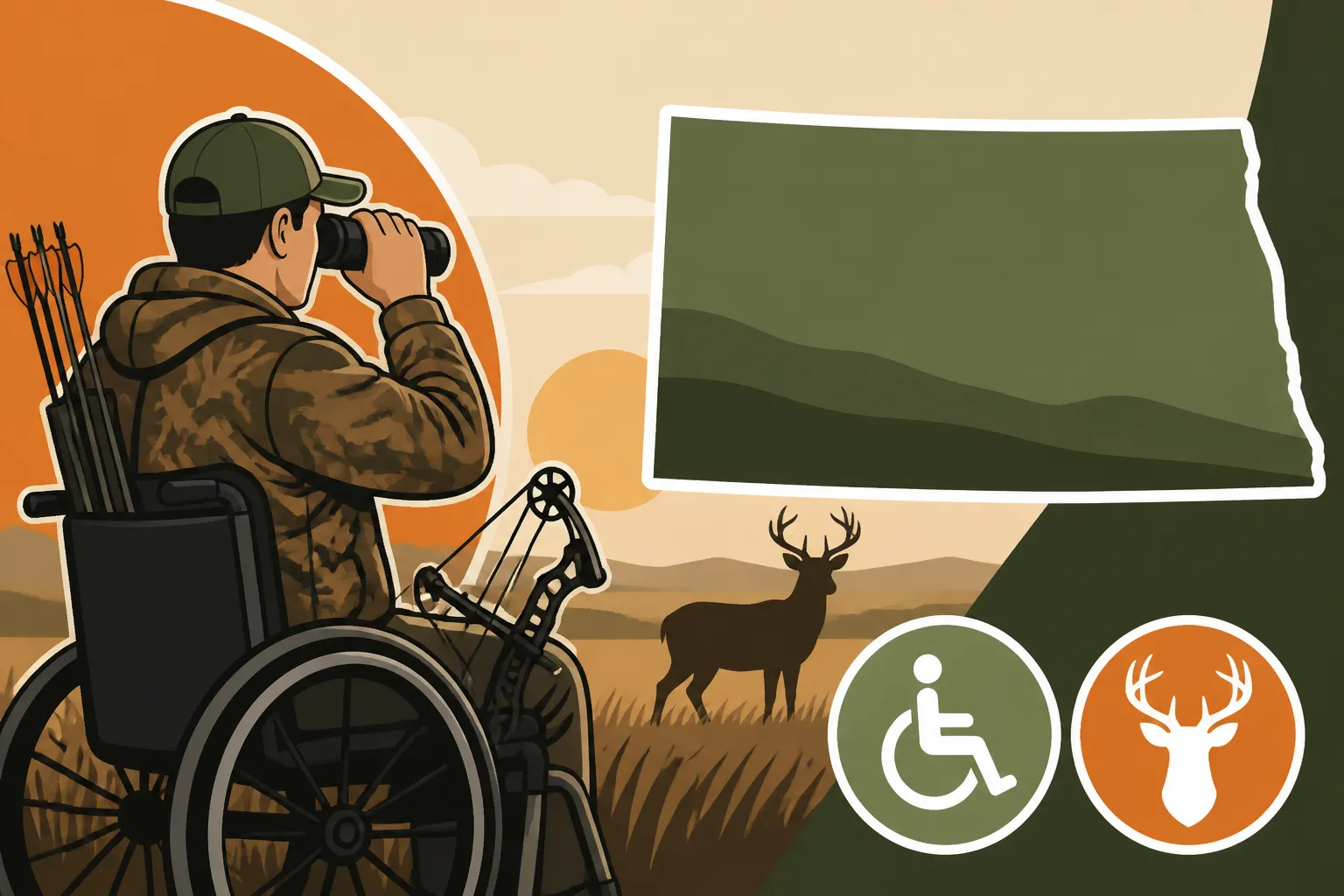
This is perhaps one of the most widely used and beneficial permits for hunters with mobility impairments. The Permit to Hunt from a Vehicle allows eligible individuals to shoot game from a stationary vehicle. This is a crucial distinction: the vehicle absolutely must not be moving when the shot is taken. This permit opens up tremendous opportunities, especially in areas where walking long distances or navigating rough terrain is a challenge. Imagine being able to effectively hunt deer in the river bottom timber, or a pheasant from a field edge, where otherwise you might be confined to areas easily accessible by foot.
For many, this permit means the difference between participating in the hunt and being left on the sidelines. It provides a stable platform and reduces the physical exertion required to get into a prime shooting position. It's particularly useful for hunters participating in the North Dakota's November Gun Deer Season where cold weather and potential snow cover can make movement even more arduous. While this permit offers significant flexibility, hunters must still adhere to all other state hunting regulations, including seasons, bag limits, and ethical shooting practices. It's important to remember that off-highway vehicles (OHVs) are generally restricted for shooting on public lands, but private land rules can be more flexible with landowner permission.
Visual Impairment and Intellectual/Developmental Disability Permits
Beyond mobility, North Dakota also addresses other significant challenges faced by hunters with specific impairments. The Visual Impairment Permit allows a visually impaired hunter to be accompanied by a designated assistant. This assistant can help locate game, identify targets, and ensure the safety of the hunter and others in the field. This doesn't mean the assistant takes the shot; rather, they serve as crucial eyes and guidance, allowing the hunter to actively participate in the hunt. This permit enables many to continue their passion for hunting pheasants, turkeys, or even deer, where precise target identification is paramount.
Similarly, the Intellectual or Developmental Disability Permit allows a hunter with such a diagnosis to have a designated assistant provide direct supervision and guidance. This can involve helping with decision-making, ensuring safety, and assisting with various aspects of the hunt that might otherwise be overwhelming or unsafe for the hunter to manage alone. These permits highlight North Dakota's commitment to inclusivity, recognizing that hunting is about more than just physical ability; it's about the entire experience, from scouting to harvesting. Both permits require specific medical certification and ensure that the hunting experience remains safe, legal, and enjoyable for all involved.
Special Considerations for Vehicle Use and Access
While the Permit to Hunt from a Vehicle directly addresses shooting from a stationary vehicle, other aspects of vehicle use and access are also vital for disabled hunters. For those with severe mobility issues, simply accessing certain hunting grounds can be a monumental task. While general rules on public land, like Wildlife Management Areas (WMAs) and PLOTS (Private Land Open To Sportsmen) areas, often restrict vehicle use to established roads, disabled hunter permits can sometimes allow for specific exceptions. This might include using an ATV or UTV for game retrieval in areas where other hunters must retrieve on foot, or for setting up a blind more easily.
It’s crucial to consult the specific regulations for each permit and the particular hunting area you intend to visit. For example, while you might be able to use an OHV to access a blind on a PLOTS tract, you still need to know the specific ATV Rules on North Dakota Section Roads or Vehicle Rules on North Dakota Public Land. These access privileges can make a huge difference, allowing a hunter to reach prime locations that might otherwise be inaccessible. Tools like the GoHunt app are fantastic for scouting, as they can show you land boundaries and potential access points, helping you plan your route and understand where special vehicle privileges might apply. Always ensure you have appropriate signage on your vehicle indicating your disabled status if required by your permit, and always prioritize safety and minimize impact on the land.
Applying for Disabled Hunter Permits: The Process
Navigating the application process for disabled hunter permits can feel daunting, but with a clear understanding of the steps and requirements, it becomes much more manageable. Just like applying for other specialized tags, preparedness is your best friend.
Navigating the Application Process
The journey to securing a disabled hunter permit in North Dakota typically begins on the North Dakota Game and Fish Department's official website or by contacting them directly for physical forms. These are usually separate application forms from your general hunting license. You’ll need to fill out the applicant portion and then have your licensed medical professional complete their section, providing the necessary medical certification. It’s imperative that your physician details how your permanent disability impacts your ability to perform traditional hunting activities. Be sure to use the exact forms provided by the NDGFD, as generic doctor's notes may not be sufficient.
Once complete, the application, along with all supporting documentation, needs to be submitted to the NDGFD for review. It’s always a good practice to make copies of everything you send in for your own records. Websites and communities like GoHunt can be excellent resources during this phase, providing user forums where experienced disabled hunters share tips and insights on navigating the application process, or offering links to the most current forms. Don't rush this part; ensuring everything is accurate and complete on the first submission will save you time and potential frustration down the line. Remember, securing your permit is about more than just filling out paperwork; it's about validating your right to participate fully in North Dakota's rich hunting heritage.
Important Deadlines and Renewal Information
Just like applying for any other hunting privilege in North Dakota, understanding deadlines is absolutely critical for disabled hunter permits. These permits are not always a one-time issuance; many require annual renewal, or at the very least, periodic medical re-certification. It’s easy to let these dates slip, especially if you’re used to the general North Dakota License Year Start Date or a fixed season opener. However, missing a deadline could mean you're left without the necessary permit when hunting season arrives, which can be incredibly disheartening.
Always check the expiration date on your permit and review the NDGFD website for specific renewal procedures each year. Sometimes, the medical certification might be valid for a longer period (e.g., three to five years), but the permit itself still needs an annual application or update alongside your regular hunting license purchase. For those who also participate in the North Dakota Deer Gun Lottery Application Process, remember that your disabled hunter permit is a distinct document and its renewal schedule may not perfectly align with the lottery application. Keep a calendar with reminders, and consider setting up digital alerts, so you don't miss these crucial dates. Proactive management of your permit ensures that you can hit the field without unnecessary worry or delay.
Beyond the Permit: Resources for Disabled Hunters in North Dakota
Securing your disabled hunter permit is a huge step, but the journey doesn't end there. There's a wealth of adaptive equipment, supportive organizations, and accessible hunting information available to help you make the most of your North Dakota hunting adventures.
Adaptive Equipment and Support Organizations
The world of adaptive hunting gear has truly blossomed, offering innovative solutions for nearly every type of disability. From specialized shooting rests and mounts that can be operated from a wheelchair or a ground blind, to high-tech all-terrain track chairs that can navigate surprisingly rugged terrain, there are tools designed to enhance your independence and effectiveness in the field. Beyond equipment, a fantastic network of organizations is dedicated to supporting disabled hunters. Groups like the National Wild Turkey Federation (NWTF) or local chapters of organizations like Freedom Hunters and Disabled American Veterans (DAV) often host events, provide mentorship, and sometimes even offer access to adaptive equipment or fully guided hunting trips.
These organizations not only help with the practicalities of hunting but also foster a strong sense of community. Connecting with other disabled hunters can provide invaluable advice, shared experiences, and camaraderie that enriches the entire hunting experience. They can be a fantastic source for learning about new technologies, finding accessible hunting locations, or simply sharing stories with fellow outdoors enthusiasts who understand your unique journey. Don't hesitate to reach out to these groups; their mission is to ensure that everyone, regardless of physical challenge, has the opportunity to enjoy the outdoors.
Accessible Hunting Areas and PLOTS Information
North Dakota boasts an impressive amount of public land, and while not every acre is universally accessible, many areas are becoming increasingly friendly to hunters with disabilities. The PLOTS (Private Land Open To Sportsmen) program is an invaluable resource, often featuring tracts with good road access or relatively flat terrain that can be navigated more easily. The Scouting PLOTS Land With the ND Hunt App is an indispensable tool for identifying these areas, allowing you to filter for features that might suit your needs, such as proximity to roads or the type of cover available.
Many state-owned Wildlife Management Areas (WMAs) and federal Waterfowl Production Areas (WPAs) are also actively working to improve their infrastructure for accessibility. This might include designated accessible parking, improved trails, or even specially designed hunting blinds. Before planning your hunt, it's always a smart move to contact the specific land management agency – be it the NDGFD for WMAs or the U.S. Fish and Wildlife Service for WPAs – to inquire about specific accessibility features. For instance, knowing Hunting a Waterfowl Production Area for Deer is possible, but understanding the specific access rules for that WPA can prevent frustration. A little upfront research using tools like the GoHunt platform can save you a lot of hassle and ensure your chosen hunting spot aligns with your capabilities and permit privileges.
Tips for a Successful Hunt with a Disability
Beyond the permits and equipment, a truly successful hunt hinges on meticulous planning and setting realistic expectations. First and foremost, communicate openly with your hunting partners. Ensure they understand your needs, how they can assist effectively, and what adaptations might be necessary in the field. Pacing yourself is crucial; don't push your limits to the point of exhaustion or injury. Take frequent breaks and ensure you have easy access to water, snacks, and any necessary medications.
Leverage technology as much as possible. In addition to scouting apps like GoHunt, consider using two-way radios for seamless communication with your hunting party, or a GPS device to mark important locations like your vehicle, blind, or a downed animal. For game retrieval, plan for extra hands or specialized equipment to help with field dressing and extraction, especially for larger animals like deer. If you're Hunting Into a December Cold Snap, extra precautions for warmth and protection from the elements become even more critical. Ultimately, remember that the experience itself is a significant part of the reward. Enjoy the camaraderie, the tranquility of nature, and the sheer satisfaction of being out in the field. Every hunt is an opportunity to learn, adapt, and create lasting memories, regardless of the size of the game taken.
| Permit Type | Primary Benefit | Key Eligibility Requirement | Typical Usage Scenario |
|---|---|---|---|
| Permit to Hunt from a Vehicle | Allows shooting from a stationary vehicle (exceptions for OHVs on public land) | Permanent mobility impairment preventing dismounting/shooting from the ground (physician certified) | A hunter with chronic knee issues positions their pickup on a private field edge and shoots a deer from the stationary vehicle. |
| Permit to Hunt from a Vehicle (Paraplegic/Amputee) | Same as above, but often broader access for OHVs on specific lands or retrieval | Permanent paralysis or amputation of lower extremities (physician certified) | A paraplegic hunter uses a UTV to access a remote PLOTS tract, then shoots from the stationary UTV. |
| Visual Impairment Permit | Allows a designated assistant to aid in locating game and identifying targets | Visual acuity of 20/200 or less in the better eye, or a restricted field of vision (ophthalmologist certified) | A hunter with severe vision impairment hunts pheasants with a sighted partner who helps spot flushing birds and ensure a safe shot. |
| Intellectual/Developmental Disability Permit | Allows a designated assistant to provide direct supervision and guidance | Diagnosed intellectual or developmental disability (physician certified) | A young adult with a developmental disability hunts with a family member who provides constant guidance and ensures proper adherence to safety rules. |
Disclaimer
Please remember that hunting regulations, permit requirements, and eligibility criteria can change. Always consult the official North Dakota Game and Fish Department website or contact them directly for the most current and accurate information before planning your hunt or applying for permits. This guide is for informational purposes only and should not be considered legal advice.