ATV Rules on North Dakota Section Roads
There’s nothing quite like the convenience of an ATV when you’re out hunting. It can feel like a lifeline, especially when you’re facing a long haul to a distant stand or need to retrieve a downed animal. But the thought of simply hopping on your quad and zipping down a North Dakota section road to get to your hunting spot can quickly turn into a headache, especially when you start wondering about the legality. Many hunters find themselves scratching their heads, confused about where they can and can’t ride, and honestly, the rules aren’t always as straightforward as we’d like them to be. This guide is here to untangle that knot of confusion, helping you understand the ATV rules on North Dakota’s section roads so you can hunt legally and responsibly.
Understanding North Dakota's Public Road Rules for ATVs
Navigating the vast expanse of North Dakota’s hunting landscape often involves traversing a network of roads that range from paved highways to barely-there two-tracks. When it comes to ATVs, the rules can get a bit murky, particularly when considering public rights-of-way like section roads. It's crucial to understand the nuances to avoid an unwelcome encounter with law enforcement or, worse, a preventable accident.
What Exactly is a "Section Road" in North Dakota?
In North Dakota, a "section road" refers to the network of unpaved, typically gravel or dirt roads that often follow the section lines of the Public Land Survey System. These roads usually run north-south and east-west, carving the prairie into the familiar mile-square sections that define much of our rural landscape. They are the arteries of farm country, providing access to fields, homes, and, for hunters, often to remote public and private hunting lands.
While they might look like simple dirt trails, don't let their rustic appearance fool you. These are public rights-of-way, maintained by the county or township, and are considered part of the public road system. This designation is key because it means they are subject to the same traffic laws and regulations as any other public road, even if they see far less traffic than a paved highway. You’ll often find these roads unmarked, save for the occasional faded sign, but their public status remains firm. Many hunters rely on these roads to access areas, but the question of legal ATV use on them is where things get tricky.
General ATV Legality on Public Roads
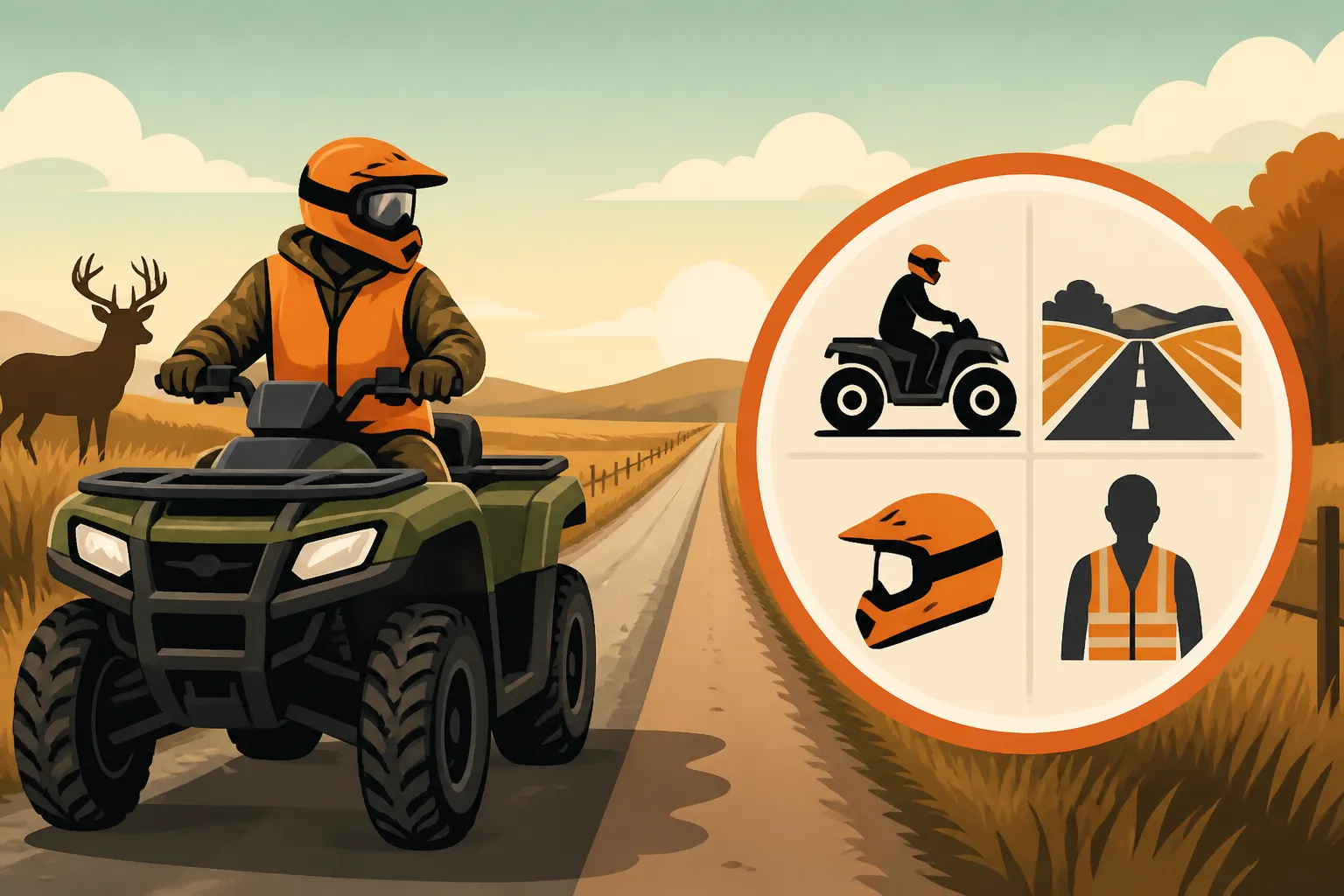
The general rule of thumb in North Dakota, like many other states, is that All-Terrain Vehicles (ATVs) are classified as off-highway vehicles (OHVs). This means they are designed and intended for off-road use, not for operation on public roads. The reason for this classification is multi-faceted, stemming from safety concerns, traffic flow, and the potential for road damage. ATVs often lack the safety features (like turn signals, headlights designed for on-road visibility, or crumple zones) and handling characteristics (like stability at higher speeds or in traffic) that make standard vehicles safe for public road use.
North Dakota statutes are quite clear: an ATV is generally not considered a street-legal vehicle. This means that simply driving your ATV down a section road, even a quiet dirt one, can be a violation. It’s a common misconception that because a road is unpaved and rural, it's fair game for any vehicle. Unfortunately, that's not the case here. This restriction is in place to ensure public safety for all road users, regardless of how remote the road might be. This is why knowing the difference between an off-highway vehicle and a road-legal vehicle is so important for every North Dakota hunter.
Exceptions and Designated Routes
Now, while the general rule states ATVs aren't street-legal on section roads, there are indeed limited exceptions where they might be allowed. These exceptions are often very specific and conditional, designed to allow for necessary movements rather than general recreational use. For instance, ATVs are typically permitted to cross a public road at a 90-degree angle to get from one section of private land to another, provided the crossing is done safely and quickly. However, this is a crossing, not a prolonged drive down the road.
Farmers and ranchers might have specific allowances for using ATVs on roadways for agricultural purposes, such as checking fences or moving between fields, but these are often tied to specific working conditions and not applicable to general hunting access. Furthermore, some very specific, often localized, designated trails or areas might permit ATV use, but these are rare on public section roads themselves. The Little Missouri National Grassland, for example, may have specific routes or areas where OHV use is permitted, but these are clearly marked and managed. It’s critical to remember that these are exceptions to the rule, not the rule itself, and you should always verify the specific regulations for any area you plan to ride. Never assume an exception exists; always check with the local authorities or the North Dakota Game and Fish Department. Vehicle Rules on North Dakota Public Land provides more general information about vehicle use in different public hunting areas.
Specific Rules for Hunters on Section Roads and Public Land
As hunters, our focus is often on getting to our destination efficiently and safely. When ATVs come into the picture, the desire for convenience can sometimes clash with the law. Understanding how these rules apply specifically to hunters on section roads and various types of public land is paramount.
Transporting Your ATV to the Hunting Area
This is perhaps one of the most significant points of confusion for hunters: you can't just drive your ATV from your cabin or campsite down a public section road to your hunting spot. If you want to use your ATV for hunting, you must transport it to the hunting area on a trailer. This means hooking it up to your truck, securing it properly, and driving your street-legal vehicle on the public roads, including those section roads, until you reach a legal access point for your ATV.
Once you arrive at a designated parking area or an area where off-road vehicle use is explicitly permitted, you can then unload your ATV and use it according to the specific rules of that particular public or private land. Think of it this way: your ATV is like your tree stand or your decoys – a piece of hunting equipment that needs to be transported, not driven on public thoroughfares. Planning your access points and travel routes to account for this transportation requirement is essential to avoid fines and ensure a smooth hunting trip.
Restrictions on PLOTS, WMAs, and National Grasslands
When you're out chasing pheasants, deer, or waterfowl, North Dakota offers a fantastic array of public access lands. However, the rules for ATV use vary significantly depending on whether you're on PLOTS (Private Land Open To Sportsmen), Wildlife Management Areas (WMAs), or National Grasslands. This is where hunters often get tripped up, and it's vital to know the specifics.
On PLOTS land, for instance, the general rule is that vehicle use, including ATVs, is restricted to established roads and parking areas. You absolutely cannot drive your ATV off the road onto PLOTS land for hunting purposes, beyond those designated access points. The whole point of PLOTS is to provide walk-in hunting access, and driving vehicles across it would defeat the purpose, disturb wildlife, and damage habitat. Always respect the How PLOTS Access Works and Reading a PLOTS Sign Correctly guidelines.
Similarly, on most Wildlife Management Areas (WMAs), ATV use is highly restricted, often limited to designated trails if any are available, or strictly prohibited off of established roads. These areas are managed for wildlife and habitat protection, and uncontrolled ATV use can cause significant erosion, habitat destruction, and disturbance to game. Hunting North Dakota Wildlife Management Areas offers more details on these specific regulations.
National Grasslands, such as the Little Missouri National Grassland or Sheyenne National Grassland, can sometimes offer more flexibility, but even here, regulations are specific. While some areas might have designated OHV routes, it is crucial to consult the relevant U.S. Forest Service or Bureau of Land Management office for the exact rules for the specific unit you plan to hunt. Never assume "public land" means "anything goes" for ATVs. Always carry current maps, like those from onX Hunt or GoHunt, that clearly delineate legal routes and boundaries. Hunting North Dakota's Little Missouri National Grassland is a great resource for understanding the rules in that specific area.
Here's a quick overview of general ATV usage on different public access types:
| Public Access Type | General ATV Use Rule (for hunting access) |
|---|---|
| Section Roads (Public) | Generally Prohibited: ATVs are not street-legal. Must be trailered to hunting areas. Limited crossing may be allowed. |
| PLOTS Land | Restricted: Only on established roads and designated parking areas. No off-road ATV use into hunting areas. Designed for walk-in access. |
| Wildlife Management Areas | Highly Restricted: Typically limited to designated trails/roads, often completely prohibited off-road. Check specific WMA rules. |
| National Grasslands | Variable: May have designated OHV routes. Requires checking specific U.S. Forest Service/BLM maps and regulations for the area. |
| Private Land (with permission) | Permitted as per landowner's discretion. Always get explicit permission for ATV use. |
Remember, this table provides a general guideline. Always double-check the current regulations for the specific area you intend to hunt, as rules can change.
Avoiding Trespass and Protecting Private Land
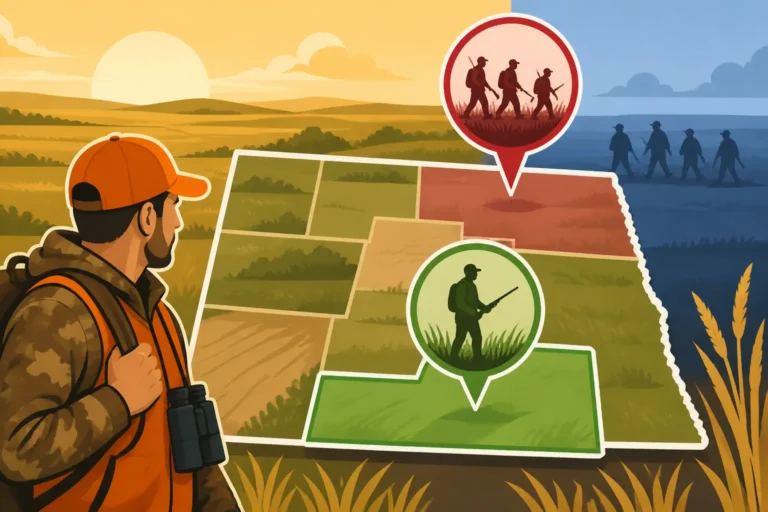
The lines between public section roads, public hunting areas, and private land can sometimes feel blurry, especially in vast, open country. When you're operating an ATV, this distinction becomes even more critical. Using your ATV, even inadvertently, on private land without explicit permission is trespassing, a serious offense in North Dakota. This is where mapping tools like onX Hunt or GoHunt become absolutely indispensable. They provide detailed property lines and land ownership information, allowing you to clearly see where you are and where you shouldn't be.
Before you even think about unloading your ATV, ensure you know exactly where the public land ends and private property begins. If you plan to use an ATV on private land, you must have the landowner's express permission, and it's always best to get that in writing if possible. Respecting private property not only keeps you out of legal trouble but also helps maintain positive relationships between hunters and landowners, which is vital for preserving hunting access across the state. Understanding North Dakota Trespass and Permission Law is essential for every hunter. Don't be the hunter who ruins it for everyone else by ignoring property boundaries.
Consequences and Best Practices for ATV Use
No one wants their hunting trip to end with a hefty fine or, worse, a confiscated vehicle. Understanding the potential repercussions of illegal ATV use on North Dakota section roads and public lands, and adopting best practices, will ensure your hunting adventures remain positive and lawful.
Penalties for Illegal ATV Use
Ignorance of the law is rarely accepted as an excuse, and this holds true for ATV regulations in North Dakota. Operating an ATV illegally on a public section road or restricted public land can lead to a range of penalties, none of which you want to experience. These can include significant fines, which can quickly add up and put a serious dent in your hunting budget. In some cases, repeated offenses or particularly egregious violations could even lead to your ATV being impounded or confiscated.
Beyond the immediate legal and financial consequences, there's also the potential for negative public perception. Unlawful ATV use can lead to environmental damage, disturb other recreational users, and ultimately give all hunters a bad name. This can lead to increased restrictions and a reduction in access for everyone. Always remember that when you're out there, you're an ambassador for the hunting community. A few moments of convenience are simply not worth the hassle, cost, or impact on our collective hunting future.
Being a Responsible ATV User
Operating an ATV responsibly goes beyond just following the letter of the law; it's about being a good steward of the land and a respectful participant in the outdoor community. When you are permitted to use your ATV in designated areas, consider the impact you're having.
- Noise: ATVs, by nature, can be noisy. Be mindful of how your vehicle's sound might affect wildlife or other hunters who are trying to enjoy the tranquility of nature. Avoid unnecessary revving or loud modifications.
- Dust and Erosion: On dirt and gravel roads or trails, ATVs can kick up a lot of dust and contribute to erosion. Drive at appropriate speeds, especially near other people or sensitive areas. Stay on established trails and avoid creating new ones, which can damage fragile ecosystems.
- Wildlife Disturbance: While an ATV can help you cover ground, it can also disturb wildlife. If you're using an ATV in an area where it's allowed, be aware of your surroundings and reduce speed if you spot animals. The goal is to hunt, not to harass.
- Other Users: Remember that you're often sharing public spaces with hikers, horseback riders, birdwatchers, and other hunters. Show courtesy and yield the right-of-way when appropriate. A friendly wave goes a long way.
Using your ATV responsibly ensures a safer, more enjoyable experience for everyone and helps preserve our natural resources for future generations. It’s part of the hunting ethic we all strive for.
Planning Your Hunt Around ATV Restrictions
So, if you can't just cruise down a section road on your ATV, how do you effectively access those prime hunting spots? It all comes down to careful planning and a willingness to adapt. This might mean:
- Scouting: Use tools like the onX Hunt or GoHunt apps, along with traditional maps, to identify legal parking areas and determine how far you'll need to walk or use alternative means of transport. Identify potential entry points and assess the terrain well before the season. Scouting PLOTS Land With the ND Hunt App is an excellent starting point for this crucial step.
- Game Carts: For retrieving game, especially large animals like deer, a sturdy game cart can be your best friend. It allows you to haul your harvest out of remote areas without needing an ATV or relying on illegal methods.
- E-Bikes: In some areas, electric bicycles are allowed where motorized vehicles are not, offering a quiet, efficient way to cover ground. Always check specific regulations, as rules can vary.
- Strategic Parking: Park your main vehicle at a legal access point and then proceed on foot. Often, the best hunting spots are a good walk from the road anyway, which naturally reduces Hunting Pressure on North Dakota Public Land. You might find that those extra miles on foot lead you to areas less disturbed by other hunters.
- Private Land Permission: If you find a landowner willing to grant permission, inquire specifically about ATV use on their property. Some might allow it for game retrieval, while others may prefer you stay on foot. Always clarify these details upfront.
By embracing these strategies, you can still enjoy fantastic hunting opportunities in North Dakota without risking a citation or negatively impacting the environment. It's about working smarter, not harder, within the bounds of the law.
Disclaimer
This article is for general informational purposes only and does not constitute professional advice. Laws, prices and regulations vary by location and change over time. Consult a qualified professional for guidance on your specific situation.