The North Dakota Deer Reporting Deadline
It's easy to get caught up in the thrill of a successful hunt in North Dakota, but one crucial step that often gets overlooked in the excitement – or simply forgotten in the busy aftermath – is reporting your deer harvest. Failing to report your deer isn't just a minor administrative oversight; it's a serious compliance issue that can lead to penalties and, more importantly, undermines the very data wildlife managers rely on to ensure healthy deer populations for future hunting seasons. This guide will meticulously walk you through North Dakota's deer reporting requirements, ensuring you understand the critical deadlines and methods to properly submit your harvest information, helping you stay compliant and contribute to vital wildlife management efforts.
Understanding North Dakota's Deer Reporting Mandate
North Dakota takes deer harvest reporting seriously, and for good reason. It’s not about bureaucracy; it’s about sound science and responsible management of a cherished resource. Knowing the "why" behind the rules can help you appreciate their importance and motivate you to comply.
Why Deer Reporting is So Crucial
Imagine trying to manage a business without knowing how much product you're selling or how much inventory you have. That's essentially what wildlife management would be like without accurate harvest data. Every reported deer harvest, whether it's a whitetail from the Missouri River bottomland or a mule deer from the rugged Badlands, contributes a vital piece of information to the overall puzzle.
The North Dakota Game and Fish Department (NDGFD) relies on this data to:
- Estimate Deer Populations: By combining harvest reports with aerial surveys, deer observation data, and fawn survival rates, the NDGFD can develop a more accurate picture of how many deer are in specific hunting units. This helps them understand population trends, whether herds are growing, stable, or declining. Without this, they might issue too many or too few licenses.
- Assess Herd Health and Age Structure: While reporting doesn't capture age directly, the sheer volume of successful harvests helps indicate herd vitality. In conjunction with mandatory CWD testing in certain units, it paints a clearer picture of overall herd health.
- Set Future License Quotas: Perhaps the most direct impact for hunters is on license allocation. If hunters fail to report, the NDGFD might underestimate the actual harvest, leading them to believe more deer are available than there truly are. This could result in over-issuing licenses the following year, which isn't sustainable for the deer herd. Conversely, if reporting is low due to non-compliance rather than actual low harvest, they might reduce license numbers unnecessarily, frustrating hunters. This feedback loop is essential for managing programs like North Dakota's Lottery-Based Deer Gun Season.
- Understand Hunter Success Rates: Reporting also provides insight into hunter effort and success, helping the department gauge the quality of the hunting experience and identify potential issues or areas for improvement.
Who Needs to Report Their Harvest
The reporting mandate isn't selective; if you've harvested a deer in North Dakota, you are generally required to report it. This applies to:
- All License Holders: Whether you secured your tag through the lottery, purchased an archery tag, or received a gratis license as a landowner, a successful harvest requires reporting. This includes youth hunters participating in special seasons, as their harvest still contributes to the overall data.
- Any Deer Species: This mandate covers both white-tailed deer and mule deer harvested within the state.
- Archery, Gun, and Muzzleloader Hunters: Regardless of your chosen method of take, the reporting requirement stands. If you were fortunate enough to succeed during North Dakota's Long Archery Season or later during North Dakota's November Gun Deer Season, your reporting is equally important.
It's crucial to understand that the reporting applies to successful hunters. If you spent days chasing deer but didn't fill your tag, you typically do not need to report that you didn't harvest an animal. The focus is specifically on the actual taking of game.
Consequences of Missing the Deadline
This is where the rubber meets the road. Ignoring the reporting deadline can have tangible, negative repercussions for hunters. It's not just a polite request; it's a legal obligation.
- Fines and Penalties: Failure to report a deer harvest by the specified deadline can result in citations, fines, and potentially court appearances. These aren't minor tickets; they can be substantial and hit your wallet hard.
- License Revocation or Suspension: In more egregious cases or for repeat offenders, the NDGFD has the authority to revoke or suspend hunting privileges. Imagine losing your ability to hunt for a season or more – that's a serious consequence for what might seem like a simple oversight.
- Impact on Future Lottery Applications: While not always a direct, stated penalty, non-compliance can raise flags. Consistent failure to follow regulations could potentially impact future lottery applications or your standing with the department, though this is usually reserved for more severe violations.
- Loss of Public Trust: Beyond the legal ramifications, failing to report erodes the collective effort to manage wildlife responsibly. It impacts the accuracy of North Dakota Deer Population Estimate data and could lead to less favorable hunting opportunities for everyone in the long run. No hunter wants to be seen as someone who doesn't play by the rules, especially when it jeopardizes the future of the sport we all love.
It's far easier, and less costly, to simply report your deer on time.
Navigating the North Dakota Deer Reporting Deadline
Understanding the "why" is one thing, but knowing the "how" and "when" is what keeps you compliant. North Dakota provides clear avenues for reporting, but being aware of the deadlines is paramount.
The Official Deadline Details
North Dakota's deer reporting mandate has a couple of critical timing elements you need to be aware of: an immediate reporting requirement and a final reporting deadline for all successful hunters.
- Immediate Reporting Requirement: This is the most pressing aspect. Once you’ve legally harvested a deer, you must report it within 72 hours of harvest. However, there are additional conditions that might shorten this window even further. You must report your deer prior to processing the animal, prior to storing it at a commercial locker, prior to taking it to a taxidermist, or prior to leaving the state with the animal, whichever occurs first. This means if you shoot a deer on Friday evening and plan to drop it off at the processor on Saturday morning, you need to report it before you head to the processor, even if it’s less than 72 hours since the harvest.
- Final Reporting Deadline for All Licenses: In addition to the immediate reporting rule, the North Dakota Game and Fish Department sets a final, overarching deadline for all deer taken during the various seasons. For the standard deer gun, archery, and muzzleloader seasons, this final deadline is typically January 15th of the year following the harvest. So, if you harvested a deer during the 2024 season, your final report would be due by January 15, 2025. This allows a buffer for any extenuating circumstances, but the primary rule of reporting immediately (or prior to processing/leaving the state) still takes precedence.
It's absolutely critical to pay attention to these dates, whether you're planning your North Dakota Archery Season Opening Day hunt or preparing for North Dakota Gun Season Opening Day. Missing the immediate reporting window can cause just as many issues as missing the final one.
How to Submit Your Deer Report
Thankfully, North Dakota has made the reporting process fairly straightforward, offering digital options that are convenient for most hunters.
The primary method for reporting your deer harvest is through the North Dakota Game and Fish Department’s official website or their mobile app.
-
Online Reporting (Website):
- Navigate to the NDGFD website and locate the "Report Your Harvest" section.
- You'll typically need your hunting license number and potentially your date of birth or other identifying information to log in.
- The system will prompt you for specific details about your harvest:
- Date and Time of Harvest: Be as accurate as possible.
- Hunting Unit: The specific unit where you harvested the deer.
- Sex of the Deer: Buck, doe, or fawn.
- Species: Whitetail or mule deer.
- Antler Points (for bucks): Often specified as "total points on one side" or "number of points on largest antler."
- Method of Take: Archery, gun, or muzzleloader.
- Once all information is entered, you'll confirm and submit. You should receive a confirmation number or email, which is vital to keep for your records. This is precisely how you go about Reporting a Deer Through North Dakota's App as well, which often mirrors the website experience.
-
NDGFD Mobile App:
- Download the official North Dakota Game and Fish Department app (available for both iOS and Android).
- Log in using your license information.
- The app usually has a prominent "Report Harvest" or "Deer Reporting" function.
- Follow the prompts, which will be similar to the online website interface, entering all the necessary harvest details.
- The app often allows for offline reporting, syncing the data once you regain cell service, which is incredibly useful when hunting in remote areas of the Badlands or prairie where connectivity can be spotty.
Important Note on Physical Tags: While reporting online, remember that your physical deer tag must still be immediately attached to the carcass once the deer is harvested. This tag remains with the deer until it reaches its final destination for processing or consumption. The electronic report complements the physical tagging, it doesn't replace it.
Tips for Timely Reporting
Even with a clear process, it's easy to let things slip, especially if you're excited, tired, or celebrating. Here are some practical tips to ensure you meet the North Dakota Deer Reporting Deadline every time:
- Report Immediately (Seriously): Don't wait. The moment you've tagged your deer and taken care of field dressing, pull out your phone or make a mental note to report as soon as you have service. Waiting "until later" is the easiest way to forget. You can even use tools like the GoHunt app to remind you of these critical dates and deadlines as part of your overall hunt planning strategy.
- Bookmark the Reporting Page: Before hunting season even begins, bookmark the NDGFD reporting page on your phone or computer. Having quick access eliminates fumbling around when the time comes.
- Download the NDGFD App: Even if you prefer the website, having the app ready on your phone is a great backup, especially for its offline capabilities if you're Hunting a Badlands Draw for Mule Deer or deep in remote public lands where internet access might be limited.
- Keep Your License Handy: Make sure your hunting license number is easily accessible. Some hunters even take a screenshot of their e-license or keep a physical copy readily available.
- Set Digital Reminders: Use your phone's calendar or a dedicated hunting app like GoHunt to set reminders. You can set one for "within 72 hours of harvest" and another for the final January 15th deadline, just in case.
- Delegate (with caution): If you're hunting with a trusted partner or family member, you could ask them to remind you or even walk you through the process, but the responsibility ultimately lies with the license holder.
- Understand the "Whichever Occurs First" Rule: This cannot be stressed enough. Don't assume you have 72 hours if you're taking the deer to a processor in 12. Report before that processing begins.
By incorporating these habits into your post-harvest routine, you'll avoid unnecessary stress and potential penalties, allowing you to focus on enjoying your venison and reliving the memories of a successful hunt.
Common Questions and Troubleshooting for Deer Reporting
Even with the best intentions, questions and issues can arise. Here's what to do when you encounter common reporting scenarios.
What If You Didn't Harvest a Deer?
This is a frequent question, especially from hunters who tried their best but didn't fill their tag. The good news is, if you did not harvest a deer in North Dakota, you are generally not required to submit a report. The reporting mandate specifically applies to successful harvests.
So, if you spent your entire season pursuing deer, whether during Hunting North Dakota's November 6 Gun Opener or Hunting the Rut in Early-to-Mid November, and came home empty-handed, you don't need to inform the NDGFD of your lack of success. Their population estimates and management strategies account for hunter effort and success rates without requiring "unsuccessful" reports. Your focus should solely be on reporting a harvest if and when it actually occurs.
Issues with the Online Reporting System
Technology isn't always perfect, and encountering a glitch or difficulty when trying to report your deer can be frustrating, especially if you're up against a deadline. Don't panic; there are steps you can take.
- Check Your Internet Connection: The most common culprit. Ensure you have a stable Wi-Fi or cellular data connection. If using the app, check if it's operating in "offline mode" and attempt to sync when you have service.
- Browser Issues: Try clearing your browser's cache and cookies, or switch to a different web browser (e.g., if you're using Chrome, try Firefox or Edge). Sometimes, website compatibility can cause hang-ups.
- Verify Your Information: Double-check that you're entering your license number and any other required personal information correctly. A single typo can prevent you from logging in or submitting.
- System Maintenance: Occasionally, online portals may undergo scheduled maintenance. Check the NDGFD website for any alerts about downtime. If it's during business hours, you might consider calling.
- Contact NDGFD Directly: If you've tried all the above and are still experiencing problems, the best course of action is to contact the North Dakota Game and Fish Department directly. They have dedicated staff to assist with technical issues and ensure reports are submitted. Don't wait until the last minute if you're having trouble; reach out as soon as possible. Their contact information (phone number, email) is usually readily available on their official website. They understand that technology can be finicky and prefer you call for assistance rather than miss the deadline.
Reporting a Deer After the Deadline
Let's be honest, life happens. You might have been out of cell service, dealing with an emergency, or simply made an honest mistake and realized you missed the deadline. While it's always best to report on time, if you find yourself in this situation, do not simply ignore it.
- Contact the NDGFD Immediately: The absolute first step is to pick up the phone and call the North Dakota Game and Fish Department. Explain your situation honestly and calmly. They are more likely to work with you if you are proactive and upfront about the oversight.
- Be Prepared to Explain: Have your license number and harvest details ready. Be ready to explain why you missed the deadline. An honest mistake is generally viewed differently than deliberate non-compliance.
- Potential for a Warning or Citation: While the NDGFD may be understanding, they also have regulations to uphold. You might still receive a warning, or in some cases, a citation and fine, even if you report late. The goal is to mitigate the severity of the consequence by taking responsibility. It's almost always better to report late than to never report at all, as the latter can lead to more severe penalties if discovered.
- Document Everything: Keep a record of when you called, who you spoke with, and any instructions they gave you. If they provide a way for you to submit a late report, ensure you follow those instructions precisely and retain any confirmation.
Missing the deadline can be stressful, but by addressing it head-on with the NDGFD, you demonstrate responsibility and often reduce the potential negative impact. Organizations like GoHunt provide resources that can help you keep track of all these state-specific regulations, making it easier to avoid such predicaments in the first place.
North Dakota Deer Harvest Reporting Checklist
To make sure you're always on top of your deer reporting, here's a quick checklist and a table summarizing the key details:
| Action Item | Details | Deadline / Timing |
|---|---|---|
| Harvest Tagging | Immediately attach physical tag to the deer carcass. | Immediately upon harvest |
| Online/App Reporting | Submit harvest details via NDGFD website or official app. | Within 72 hours of harvest OR prior to processing/taxidermy/leaving state, whichever occurs first. |
| Final Reporting Deadline | All successful harvests for the season must be reported. | January 15th of the following calendar year (e.g., 2024 season harvest due Jan 15, 2025). |
| Information Needed | License #, Date/Time, Unit, Sex, Species, Antler Points (if applicable), Method of Take. | Have ready when reporting. |
| Confirmation | Save confirmation number or email for proof of submission. | Immediately after reporting. |
| No Harvest | No report required if you did not harvest a deer. | N/A |
| Troubleshooting Issues | Contact NDGFD directly for technical issues or late reporting. | As soon as issues arise or as soon as you realize you've missed a deadline. |
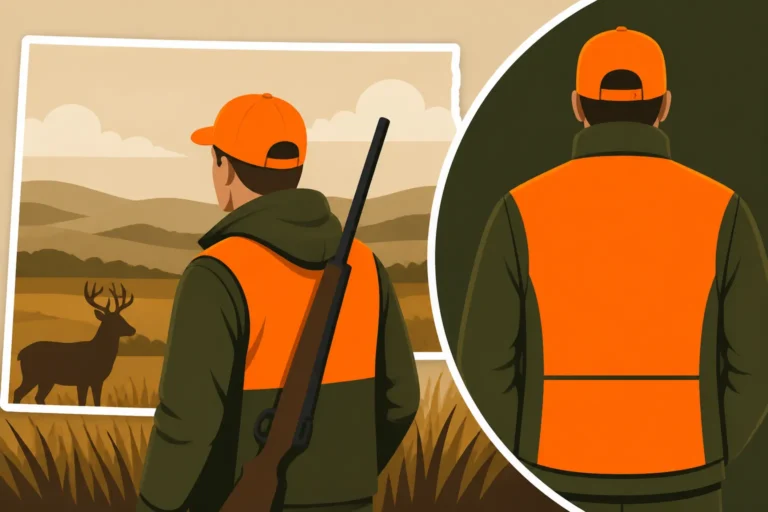
This table provides a concise overview, but always refer to the official NDGFD regulations for the most current and comprehensive information. Being organized and proactive is your best defense against missing any critical steps in your hunting season, from understanding North Dakota's Expanding CWD Hunting Units to adhering to North Dakota Blaze Orange Requirements.
In the end, responsible hunting extends beyond the shot. It encompasses all aspects of ethical conduct and regulatory compliance, ensuring that North Dakota's incredible deer herds continue to thrive for generations of hunters to come.
Disclaimer
The information provided in this guide is for general informational purposes only and is not intended as legal advice. Hunting regulations can change frequently. Always consult the official North Dakota Game and Fish Department website and current hunting proclamation for the most accurate and up-to-date rules and deadlines before participating in any hunting activity.