North Dakota Duck Daily Bag Limit
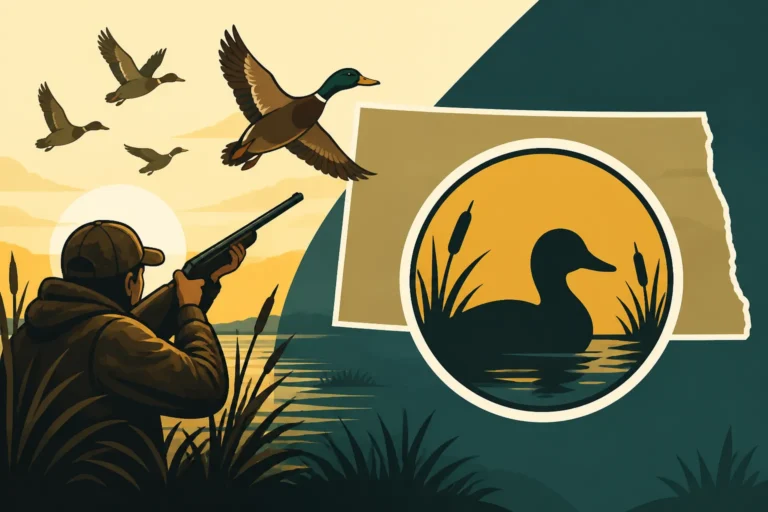
Understanding the ins and outs of waterfowl regulations can feel like navigating a maze, especially when you're just trying to enjoy a crisp autumn morning in a North Dakota slough. Hunters often fret over mistakenly violating bag limits, which can quickly turn a memorable hunt into a frustrating legal tangle. This guide is here to untangle the complexities, offering clear, comprehensive information on North Dakota's daily duck bag limits, species restrictions, and crucial details to keep your hunting experience smooth and compliant.
Understanding North Dakota's Duck Daily Bag Limit Framework
North Dakota's duck hunting regulations are designed to manage waterfowl populations sustainably, ensuring healthy numbers for future seasons while providing ample opportunity for hunters. However, these regulations aren't always a simple, one-size-fits-all rule. They can vary not just by the overall number of ducks you can harvest, but also by specific species within that total. It's easy to get confused when you're out there, especially with different types of ducks flying into your decoys. The North Dakota Game and Fish Department (NDGFD) sets these rules annually, often aligning with federal guidelines from the U.S. Fish and Wildlife Service. The key is to remember that the daily bag limit is the maximum number of any single species you can take in a day, and the aggregate daily bag limit is the total number of all ducks combined you can take. Hunters frequently get these two mixed up, leading to accidental overharvest.
It's also crucial to distinguish between daily bag limits and possession limits. The daily bag limit is what you can harvest from sunrise to sunset in one day. The possession limit, on the other hand, is the maximum number of birds you can have in your possession at any given time, whether in your freezer at home, in your vehicle, or at a hunting lodge. Typically, the possession limit for ducks in North Dakota is three times the daily bag limit. This allows hunters to participate in multi-day hunts without having to process and ship birds after every outing. For instance, if the daily limit for a certain duck is two, your possession limit would be six. Always make sure to properly tag and separate your birds if you're hunting with a group, and be clear on who harvested what, especially when traveling.
Species-Specific Limits and Common North Dakota Ducks
While there's an overall daily bag limit for ducks, specific species often have their own, more restrictive limits. This is a vital detail that many hunters overlook, assuming they can fill their general limit with any duck they shoot. But if you're not paying close attention, you could inadvertently exceed the limit for a specific species, even if your total duck count is still under the aggregate daily bag. Knowing your ducks is paramount, and it’s a skill that takes time and practice, often learned by spending countless hours in blinds or through resources like those found on GoHunt that help identify waterfowl.
Here’s a breakdown of common North Dakota duck species and their typical daily bag limits:
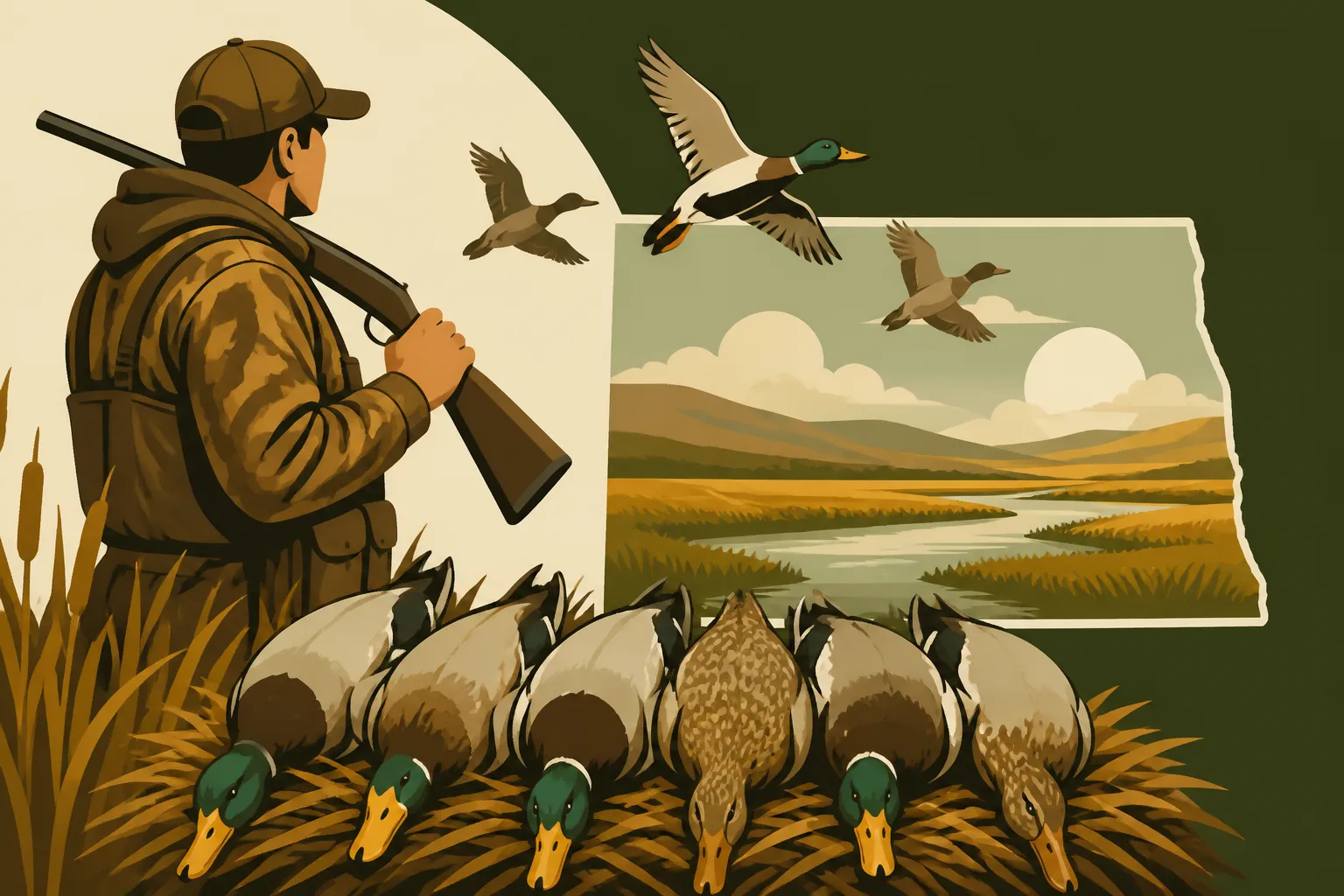
- Mallards: The king of prairie potholes, mallards usually have a daily limit of four, but often with a specific restriction on the number of hens (female mallards) you can take, usually no more than one or two. That green head is easy to spot, but don't get too trigger-happy if you're seeing a lot of brown.
- Pintails: Often, pintails have a much lower daily limit, sometimes just one or two per day, due to their population status. Their elegant, long necks and distinct flight patterns make them a prized bird, but you have to be disciplined.
- Wood Ducks: With their stunning plumage, wood ducks are a favorite. Their daily limit is generally two or three. You'll often find them in timbered sloughs or along river bottoms, a different habitat than the open prairie potholes.
- Redheads and Canvasbacks: These diving ducks typically have conservative limits, often two or three per day. They're strong flyers and a joy to hunt, especially on larger bodies of water like Lake Sakakawea.
- Scaup (Bluebills): Scaup limits can fluctuate quite a bit based on survey data, sometimes being generous (three or four) and other times more restrictive. Pay close attention to the specific year's regulations for these birds.
- Other Ducks: Species like Gadwall, Wigeon, Shovelers, and Green-winged/Blue-winged Teal usually fall under the general duck bag limit, allowing for a more flexible harvest as long as you don't exceed the overall total.
This table provides a general idea, but remember to always consult the current year's NDGFD regulations for precise numbers.
| Species | Typical Daily Bag Limit | Specific Restrictions (if any) |
|---|---|---|
| Mallards | 4 | Max 1 or 2 hen mallards |
| Pintails | 1-2 | Often a low, strict limit |
| Wood Ducks | 2-3 | |
| Redheads | 2-3 | |
| Canvasbacks | 2-3 | |
| Scaup (Bluebills) | 3-4 (variable) | Check annual regulations; can be lower or higher |
| Black Ducks | 1 | If present |
| Other Ducks | (Part of aggregate) | Typically no species-specific sub-limit within aggregate |
Always, always double-check the official North Dakota Game and Fish Department (NDGFD) waterfowl guide each season. It’s the definitive source, and those limits can change from year to year based on population surveys and federal mandates. Relying on last year’s knowledge is a recipe for trouble.
Navigating Special Regulations and Bag Limit Nuances
North Dakota's waterfowl season isn't just about daily bag limits; there are a host of other regulations and nuances that every duck hunter needs to understand to stay legal and ethical. Ignoring these details, even unintentionally, can lead to fines, license revocation, and the loss of your harvested birds. It’s not just about what you shoot, but how and where you hunt.
One significant aspect for non-residents is the "North Dakota's New Nonresident Waterfowl Rule," which often includes specific restrictions during the first nine days of the waterfowl season. Non-residents often face waiting periods or zone restrictions during this initial phase, so understanding when those rules apply and when they lift is paramount. These rules are in place to prioritize resident hunting opportunities, which, while sometimes frustrating for out-of-state hunters, are a part of managing hunting pressure.
Furthermore, hunters need to be aware of licensing requirements. Beyond the basic hunting license, you'll need a state waterfowl stamp and a federal duck stamp. Make sure you understand the "North Dakota Federal Duck Stamp Requirement" and that your "North Dakota HIP Certification for Bird Hunters" is up to date. Many hunters forget about the HIP certification, which is a federal requirement for anyone hunting migratory birds. It's a quick, free registration, but it's mandatory. You can usually complete it when you purchase your license, or easily update it online via a site like GoHunt, which can also help track your license status.
Another common area of confusion is hunting hours. For ducks, hunting generally runs from one-half hour before sunrise until sunset. Shooting outside these hours, even by a minute or two, is a serious violation. It's wise to have a reliable sunrise/sunset app on your phone or a physical calendar specific to your hunting location to avoid any gray areas.
Finally, specific management areas might have additional rules. When hunting in areas designated as "North Dakota Waterfowl Production Areas" or other state or federal lands, there could be restrictions on vehicle use, blind construction, or even non-toxic shot requirements. Always check signage and local regulations for the specific area you plan to hunt. For example, some areas might prohibit permanent blinds, requiring you to use portable blinds or natural cover. Others might have restrictions on how many decoys you can set out or the use of motorized decoys. Being prepared means not just knowing the general rules, but the hyper-local ones too.
Essential Tips for Staying Compliant and Ethical
Staying compliant with North Dakota's duck daily bag limits and other regulations boils down to preparation, knowledge, and ethical decision-making. No one wants to be the hunter who gets ticketed for an honest mistake, and preventing those mistakes is entirely achievable with a bit of foresight.
First and foremost, always carry a physical or digital copy of the current year's North Dakota Game and Fish Department hunting regulations. Don't rely on memory or what your buddy thinks the rules are. Laws change, and often small details are updated that can have a big impact. Reading through the waterfowl section before each season, and even before each hunt, is a fantastic habit. Pay particular attention to the "North Dakota Duck and Goose Bag Limits" section.
Secondly, hone your duck identification skills. This is perhaps the most critical skill for staying within species-specific limits. Spend time studying field guides, watch educational videos, or even observe ducks at local parks before the season opens. Learn to identify ducks in flight, not just on the water or when they're cupped into your spread. Differentiating between a hen mallard and a pintail hen, for example, can be challenging in low light or at a distance, but it’s crucial for compliance. Many experienced hunters will tell you they hesitate on shots if they're not 100% sure of the species, especially if it's a bird with a restrictive limit. Tools like the GoHunt app can sometimes offer quick field identification guides to help.
Third, when hunting with a group, communicate clearly about your collective and individual bag limits. Before the hunt starts, establish a clear understanding of who is shooting what and how you'll keep track. This is especially important for species with low sub-limits. Once a specific species limit for a hunter is reached, they must stop shooting that particular bird. If someone hits their one pintail limit early in the hunt, they cannot continue to shoot at pintails for the remainder of that day. This collaborative tracking prevents any individual or the group from inadvertently exceeding limits.
Finally, practice ethical hunting beyond just the legal limits. This includes making clean shots to minimize crippling losses, retrieving all downed birds, and respecting the land and other hunters. If a duck falls into a difficult spot, make every reasonable effort to recover it. A bird that isn't recovered still counts against your bag limit in the eyes of the law. Be a steward of the resource, and your hunting experiences in North Dakota's incredible "North Dakota's Prairie Pothole Region Explained" will be all the more rewarding. Remember, hunting is a privilege, and ethical behavior helps preserve that privilege for everyone. When you're "Jump-Shooting a North Dakota Prairie Pothole," or setting up your "Decoy Spreads for Prairie Pothole Mallards," always be mindful of your actions and their impact.
Disclaimer
Please note that hunting regulations, including bag limits, can change annually and sometimes even mid-season. This guide provides general information and should not be considered legal advice. Always consult the official North Dakota Game and Fish Department (NDGFD) regulations booklet or website for the most current and accurate information before heading afield. It is the hunter's responsibility to know and abide by all applicable laws and regulations.