North Dakota Muzzleloader Season Dates
Few things are as frustrating as missing out on a prime hunting opportunity because you weren't clear on the specific season dates or regulations. North Dakota's hunting seasons, particularly for deer, can be a bit of a puzzle with different weapons and unit restrictions. This guide is here to clarify everything you need to know about North Dakota's muzzleloader deer season dates, helping you plan your hunt with confidence and avoid any last-minute surprises.
Understanding the North Dakota Muzzleloader Season Framework
North Dakota's muzzleloader season offers a unique and challenging opportunity for deer hunters, typically taking place after the frantic pace of the general gun season has quieted down. This late-season hunt often coincides with colder weather and a different deer behavior pattern, making it a distinct experience from earlier seasons. Understanding the specific timing and designated areas is crucial for any hunter considering this pursuit.
Key Dates and Season Structure
The North Dakota muzzleloader season usually kicks off in late November, right after the general gun deer season concludes, and typically runs through mid-December. This specific window is critical because it means you'll be hunting in colder conditions, often with snow on the ground, which can significantly impact deer movement and your hunting strategy. While the exact dates can shift slightly year-to-year, the general pattern remains consistent: a dedicated period for muzzleloader enthusiasts to pursue deer when other firearm seasons have closed. For instance, in many recent years, the season has opened around the last Friday in November and run until mid-December, providing a solid two to three weeks of opportunity. It's a fantastic chance to experience a quieter woods and fields, allowing for a more deliberate and often more solitary hunting experience than the earlier general season. Always double-check the North Dakota Game and Fish Department's official proclamation each year to confirm the precise dates before making any concrete plans.
This late timing also means deer have been pressured by earlier hunters, making them warier. You won't typically be dealing with the peak of the rut, which usually occurs in early-to-mid November, but you might catch the tail end or a secondary rut if weather patterns trigger it. What you will be dealing with are deer focused intensely on food sources and thermal cover as winter sets in. This shift in behavior requires a different scouting and hunting approach. Rather than relying on rutting activity, you'll be keying into patterns dictated by survival, which can be very rewarding if you put in the time to understand them. Remember that these dates are fixed for muzzleloader, and there's no flexibility outside this designated period.
Designated Muzzleloader Hunting Units
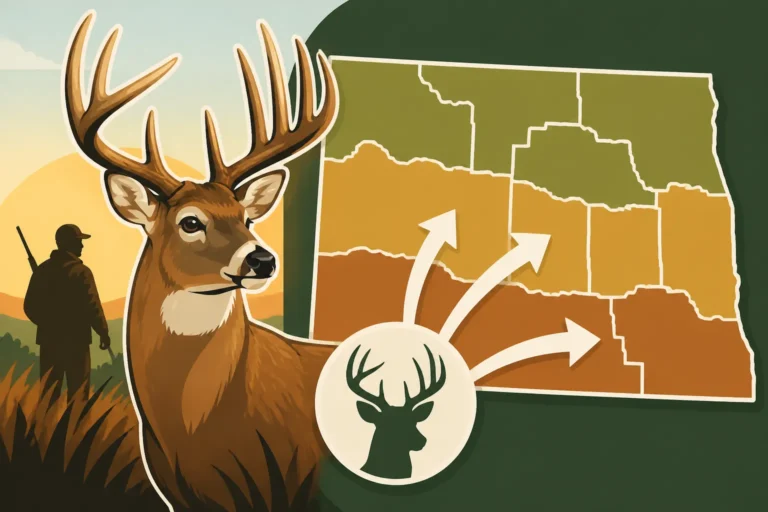
Unlike the archery season, which is generally statewide, North Dakota's muzzleloader season is permit-based and often restricted to specific hunting units. This means you can't just hunt with a muzzleloader anywhere in the state during this time; you must have drawn a muzzleloader permit for a particular unit. These units are typically identified by numbers, similar to those used in the general deer lottery. The North Dakota Game and Fish Department allocates these muzzleloader permits based on herd management objectives for specific areas. Some units might have a higher density of whitetails, while others might offer opportunities for mule deer in their designated range.
The choice of muzzleloader units can vary from year to year based on deer populations and license allocations. It's common for some prime river bottom units along the Missouri River or its tributaries, and certain units in the Badlands, to be popular choices for muzzleloader permits. These areas often provide the cover and late-season food sources that deer rely on when temperatures drop. Therefore, when you apply for your deer license, you'll need to research which units offer muzzleloader permits and choose accordingly. Resources like the GoHunt platform or the North Dakota Game and Fish Department's annual hunting guide are invaluable for identifying these specific units and understanding their respective permit allocations and success rates. Knowing these units beforehand is essential for planning where to apply and where you'll be able to hunt if successful in the draw.
Navigating the Muzzleloader Permit Application Process
Securing a North Dakota muzzleloader permit isn't as simple as just buying a license over the counter. It's part of the state's lottery-based system, which requires careful planning and understanding of the application deadlines and processes. Many hunters find this system intimidating, but breaking it down makes it much more manageable.
Applying Through the Deer Lottery System
To participate in the North Dakota muzzleloader season, you must successfully apply for and draw a muzzleloader deer permit through the state's annual deer lottery. This is the same system used for allocating general deer gun licenses. When you submit your application, you'll indicate your weapon choice, and "muzzleloader" will be one of the options alongside general gun or archery. You'll typically rank your desired units in order of preference. The June 3 deer lottery application deadline is a critical date to mark on your calendar, as late applications are not accepted. Missing this deadline means you'll have to wait until the following year, which can be a real bummer if you had your heart set on a late-season hunt.
The application process is usually conducted online via the North Dakota Game and Fish Department's licensing portal. It's straightforward, but accuracy is key. You'll need to provide your personal information, residency status, and make your unit and weapon choices. For non-residents, the process is similar but typically involves higher fees and potentially different quotas. It's also worth noting that if you apply for a muzzleloader permit, it generally counts as your primary deer tag application. You can’t typically draw a general gun tag and a muzzleloader tag for the same species in the same year, though bonus antlerless tags might be an option in some scenarios. Consulting the official North Dakota Deer Gun Lottery Application Process guide can provide step-by-step instructions and ensure you complete your application correctly.
Understanding Permit Types and Odds
When applying for a muzzleloader permit, you'll encounter different permit types, most commonly "any-deer" or "antlerless-only." An "any-deer" permit allows you to harvest either a buck or a doe, offering maximum flexibility. "Antlerless-only" permits, as the name suggests, are restricted to female deer and are often issued to help manage herd populations in specific units. The odds of drawing a muzzleloader permit can vary significantly based on the unit you select and the permit type. Units with high deer populations and less hunting pressure often have better drawing odds, especially for antlerless permits. Conversely, prime "any-deer" permits in popular units can be highly competitive.
Some hunters, especially those using platforms like GoHunt, will spend considerable time analyzing draw statistics from previous years to strategize their unit choices. For example, some units might have very few muzzleloader permits available, making them tough to draw, while others might have a more generous allocation. It's also important to consider if the unit you're applying for has specific CWD Hunting Units. If so, there might be mandatory testing requirements for your harvested deer. Understanding these nuances—which permits are available, in which units, and your chances of drawing—is vital for a successful application strategy. Don't just pick a unit blindly; do your homework to maximize your chances of getting that coveted muzzleloader tag.
Essential Gear and Legal Muzzleloader Requirements
Hunting with a muzzleloader is a distinct experience that requires specific equipment and adherence to particular regulations. It's not just about what you carry, but how you prepare for the unique challenges of the late season in North Dakota.
Permitted Muzzleloading Firearms and Ammunition
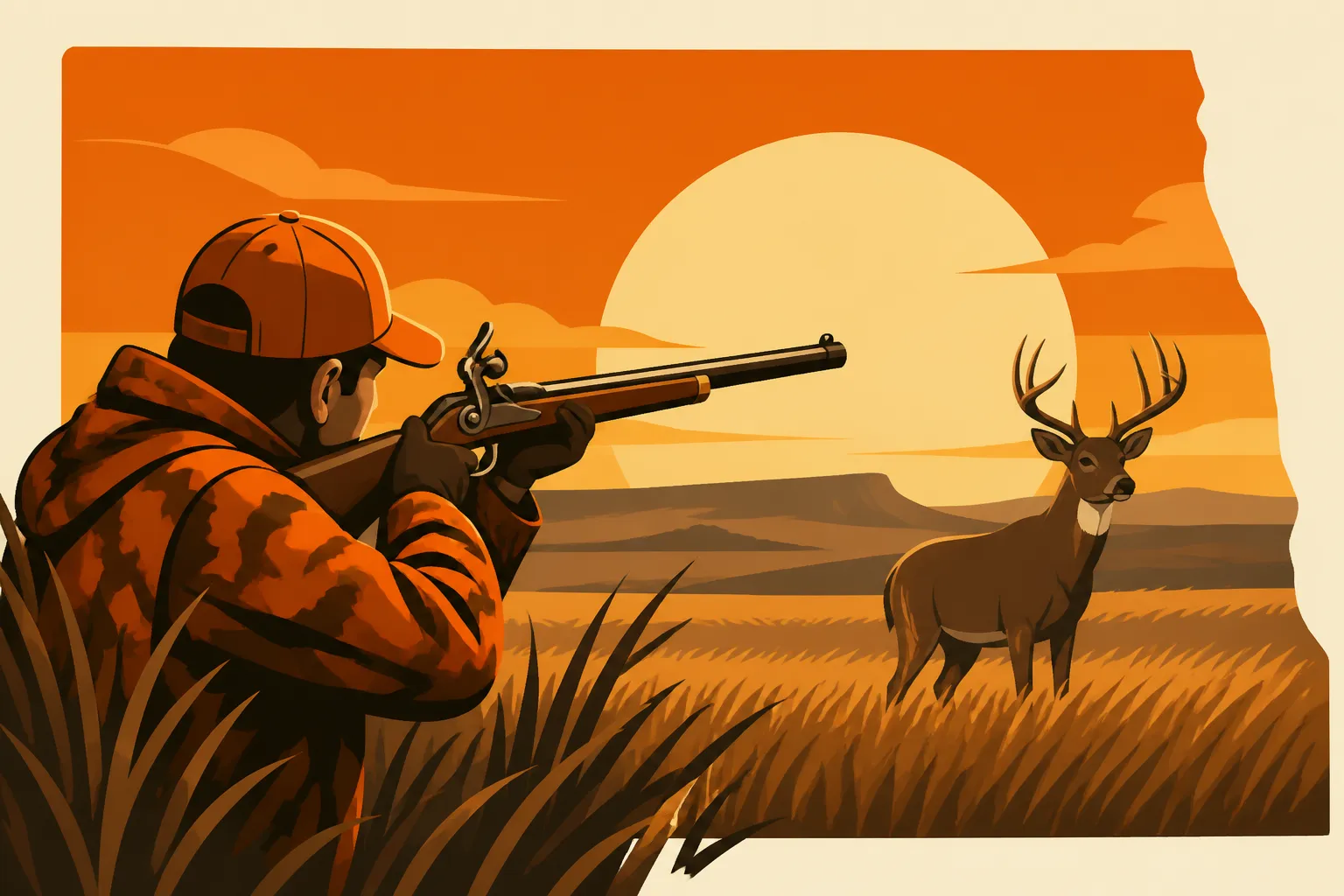
North Dakota's regulations for muzzleloading firearms during the dedicated muzzleloader season are quite specific to ensure fair chase and a traditional hunting experience. Generally, you're looking at traditional black powder muzzleloaders. This means the firearm must be loaded from the muzzle, and it can only be loaded with a single projectile. While many states have relaxed rules to include modern in-line muzzleloaders with 209 primers, North Dakota regulations are typically more traditional during this specific season. You'll want to verify the exact rules each year, but generally, black powder or approved synthetic black powder substitutes like Pyrodex or Triple Seven are required. Smokeless powder is typically not permitted in muzzleloaders during this season.
As for projectiles, common choices include lead round balls, conical bullets, or saboted projectiles. The legal minimum bullet diameter for North Dakota rifles, including muzzleloaders, is usually specified in the regulations. It's crucial to understand these distinctions because using an illegal firearm or ammunition combination can lead to severe penalties. For example, some states restrict scopes or electronic ignition systems on muzzleloaders, but North Dakota generally allows magnification optics during its muzzleloader season. Always read the official North Dakota Game and Fish Department proclamations carefully, as these rules can occasionally be updated. Make sure your chosen muzzleloader and ammunition comply fully before heading out into the field to avoid any legal issues.
Blaze Orange and Other Safety Considerations
Safety is paramount in any hunting situation, and the North Dakota muzzleloader season is no exception. Blaze orange requirements are in effect for the muzzleloader season, just as they are for the general gun season. You must wear at least 400 square inches of solid blaze orange on your outer clothing, visible from all directions, including a blaze orange hat. This ensures maximum visibility to other hunters, which is especially important during colder weather when visibility might be reduced by snow, fog, or shorter daylight hours. While the woods might feel less crowded than during the general opener, safety should never take a backseat.
Beyond blaze orange, cold-weather preparedness is a critical safety consideration. Hunting in late November and December means facing potentially extreme cold, wind, and snow. Dress in layers, paying close attention to moisture-wicking base layers, insulating mid-layers, and a waterproof/windproof outer shell. Bring plenty of water (even in cold weather, hydration is key), high-energy snacks, a first-aid kit, and communication devices. If you plan to be afield for extended periods, especially when hunting a muzzleloader unit after gun season closes, consider carrying a small emergency shelter or heat source. These precautions not only keep you safe but also ensure a more enjoyable and successful hunt. Knowing the regulations and being prepared for the elements are two non-negotiables for any North Dakota muzzleloader hunter.
Strategies for Success in the Late Season
Hunting North Dakota in late November and December presents a unique set of challenges and opportunities. The deer have been pressured, the weather is often brutal, but their patterns become more predictable, revolving around essential survival needs.
Locating Deer in December Conditions
Once the North Dakota Muzzleloader Season Dates roll around, deer behavior changes dramatically. The rut is largely over, and the primary focus for whitetails shifts to finding reliable food sources and thermal cover to survive the encroaching winter. This is where your scouting intelligence from earlier in the year, or even pre-season, really pays off. Look for fields with standing corn, unharvested soybeans, or winter wheat plots, as these become magnets for deer. These late-season food sources for North Dakota whitetails are absolutely critical. Deer will often move at dawn and dusk, but in colder, harsher conditions, they might move more during midday to feed or relocate to bedding areas offering better protection from the elements.
Focus your efforts around thick cover adjacent to these food sources. River bottom timber, shelterbelts, and deep draws in the Badlands offer crucial protection from harsh winds and heavy snow. These areas provide both bedding and travel corridors. Don't be afraid to walk deeper into areas that might have been overlooked during earlier seasons. Deer will seek refuge in the densest cover they can find, especially if hunting pressure has pushed them out of more accessible spots. Utilizing tools like the ND Hunt App or onX Layers for North Dakota Land Status can help you identify these pockets of cover and navigate property lines effectively. Patience and persistent glassing from a distance are key; let your optics do the walking before you do, especially when hunting a Badlands draw for mule deer.
Weathering the Cold and Maximizing Opportunity
Hunting during North Dakota's muzzleloader season means you're going to face some serious cold, often accompanied by wind or snow. A cold-weather sitting strategy on the prairie is essential. Layers are your best friend, with a good quality base layer, insulating mid-layers, and a waterproof/windproof outer shell being non-negotiable. Chemical hand warmers and foot warmers can make a huge difference, especially if you plan on sitting still for extended periods. Consider insulated ground blinds or well-brushed-in tree stands that offer some protection from the wind. These will help you extend your time in the field, which directly increases your chances of success.
The bitter cold can also work to your advantage. Deer often become more predictable in their movements, sticking closer to their thermal cover and primary food sources. Track fresh snow to find travel corridors and recent activity. Understanding wind and thermals in Badlands terrain is especially vital, as cold air sinks into draws at night and rises in the morning, influencing where deer will be bedded and how they'll scent check their surroundings. The sound of crunchy snow can make still-hunting challenging, but knowing when deer are most likely to be moving (often during midday thaws or just before a front hits) can help you time your approach. Maximizing your comfort in the cold translates directly to maximizing your time and effectiveness afield, which is the ultimate goal when pursuing deer in North Dakota's late muzzleloader season.
| Season Type | Typical Start Date | Typical End Date | Primary Weapon | General Units | Permit Type |
|---|---|---|---|---|---|
| Muzzleloader Deer | Late November | Mid-December | Muzzleloader | Specific Units | Lottery Any-Deer/Antlerless |
| General Gun Deer | Early November | Mid-November | Rifle, Shotgun | Statewide (Units) | Lottery Any-Deer/Antlerless |
| Archery Deer | Early September | Early January | Bow/Crossbow | Statewide | Over-the-Counter |
| Youth Deer | Mid-September | Mid-September | Rifle, Shotgun | Specific Units | Lottery Antlerless |
Disclaimer
Please remember that hunting regulations, season dates, and permit requirements are subject to change. Always consult the official North Dakota Game and Fish Department website and the current year's hunting proclamation before planning and undertaking any hunting activities. This guide is for informational purposes only and does not supersede official state regulations.