North Dakota Sharptail Grouse Season Dates
There’s nothing quite like the rush of a covey of sharptails exploding from the prairie grass, but for many hunters, especially those new to North Dakota or busy juggling schedules, keeping track of exact season dates can feel like a game of hide-and-seek itself. It’s frustrating when you’re ready to hit the field, only to realize you’ve missed the opener or misunderstood the closing date. This comprehensive guide is here to untangle the complexities of North Dakota’s sharptail grouse season dates, helping you plan your hunts with confidence and clarity.
Understanding North Dakota Sharptail Grouse Season Dates
Hunting sharptail grouse in North Dakota is a quintessential prairie experience, a tradition etched into the very landscape. But before you lace up your boots and unleash your bird dog, knowing the precise window for pursuing these magnificent birds is paramount. Unlike some species with highly variable or unit-specific seasons, North Dakota’s sharptail grouse season generally follows a predictable, statewide pattern, though the exact calendar days can shift slightly year to year.
The Typical Opening and Closing Window
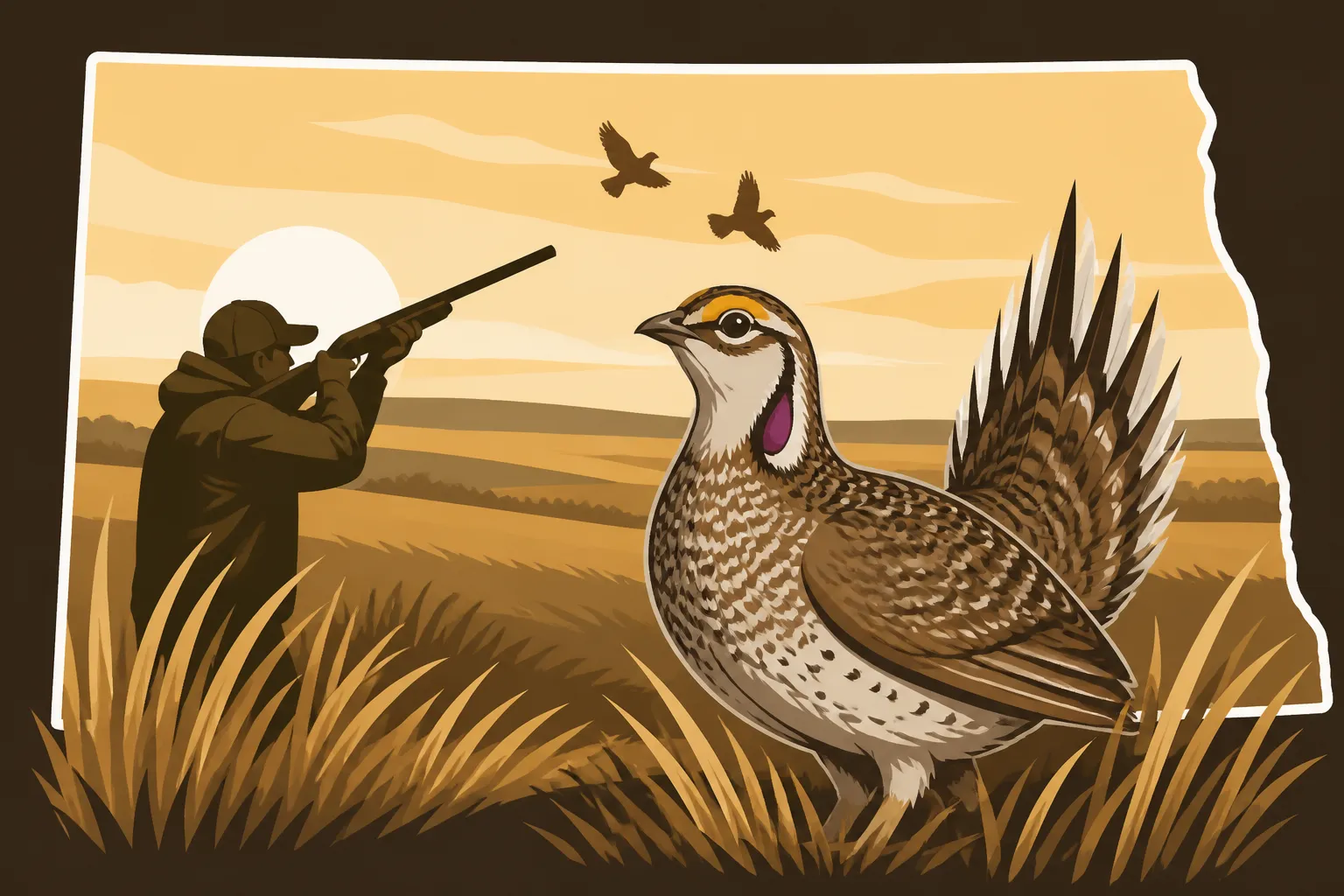
Historically, the sharptail grouse season in North Dakota kicks off in early to mid-September, often coinciding with other popular upland bird openers like pheasant and Hungarian partridge. This early fall start takes advantage of milder weather conditions and allows hunters to pursue birds before heavy snowfall and extreme cold set in. Think crisp autumn mornings, vibrant prairie colors, and the energetic flush of a sharptail against a wide-open sky. The season then typically extends well into the new year, often closing in early January. This long season offers ample opportunity, from the brisk days of autumn to the often-challengtales winter hunts when birds might be concentrated in heavier cover.
For instance, looking at recent seasons, you'd generally find the opener landing around September 9th or 10th. The closing date often falls on the first Sunday of January or very close to it, giving hunters a solid four-month window. This consistency is a blessing for planners, allowing you to mark your calendar well in advance. However, it's always critical to double-check the official North Dakota Game and Fish Department (NDGFD) proclamations each year, as minor adjustments can occur based on survey data or legislative changes. Don't just rely on memory; a quick check of the NDGFD website or the annual hunting guide is a small effort that prevents big disappointment.
How Season Dates Are Determined Annually
You might wonder how these dates are actually decided. It's not a random pick! The NDGFD relies on a combination of biological data, hunter feedback, and management goals to set the annual seasons. For sharptail grouse, a crucial part of this process involves extensive brood surveys conducted throughout the summer. Biologists brave the heat and the mosquitoes, driving established routes across prime sharptail habitat, counting broods (groups of chicks with a hen) and individual birds. This data gives them a vital snapshot of chick production and overall population health.
If brood counts are strong, indicating a healthy and reproducing population, the season dates and bag limits are likely to remain generous. Conversely, a particularly harsh winter or a wet, cold spring that negatively impacts nesting success or chick survival might lead to more conservative regulations, though this is less common for sharptails than for some other species. The NDGFD aims for sustainable harvest, ensuring that enough birds survive to reproduce the following spring. They also consider hunter access and opportunity, trying to maximize time in the field while safeguarding the resource. Tools like the GoHunt app can often provide season date summaries once they're officially released, streamlining your planning process.
What Influences Sharptail Populations and Season Length
The vast, rolling prairies of North Dakota are dynamic ecosystems, and the health of the sharptail grouse population is intrinsically linked to its environment. Understanding these influences can not only help you predict hunting conditions but also appreciate the careful balance the NDGFD maintains when setting season parameters.
Habitat Conditions and Weather Patterns
Sharptail grouse thrive in native prairie and mixed-grass environments, which offer crucial nesting cover, brood-rearing habitat, and winter forage. The quality and quantity of this habitat directly impact their numbers. Programs that conserve or restore grasslands, like the Conservation Reserve Program (CRP), are vital to sharptail success. When these landscapes are healthy and intact, sharptails flourish. Unfortunately, habitat conversion to agriculture remains a constant challenge, making the remaining quality habitat even more important.
Weather, as any prairie dweller knows, plays a huge role. A mild winter with moderate snow cover generally bodes well for overwintering adult birds, ensuring a strong breeding population in the spring. Conversely, severe winters with prolonged periods of deep, crusty snow can make foraging difficult, leading to higher mortality rates. Come spring, a warm, dry nesting season is ideal for chick survival. Cold, wet springs can decimate young broods, as chicks are susceptible to hypothermia and a lack of insect protein. Drought conditions in summer can also reduce insect populations, a critical food source for growing chicks. The NDGFD uses all this information when making season recommendations, balancing environmental fluctuations with hunting opportunity. If you're looking to understand these dynamics better, exploring articles like North Dakota's Prairie Pothole Region Explained can offer valuable context on how habitat supports these species.
Brood Surveys and Population Management
As mentioned, summer brood surveys are the cornerstone of sharptail grouse management. Biologists drive designated routes, typically from July into early September, counting sharptail broods and individual birds seen along these routes. These counts, often expressed as "birds per mile" or "broods per 100 miles," provide an index of reproductive success and overall population density. The NDGFD publishes these survey results annually, offering a transparent look at the health of the sharptail population.
When these surveys show robust numbers, it signals a strong year for sharptails, reinforcing the decision for a generous season length and bag limits. If counts are down significantly, it prompts a closer look at potential causes and could lead to adjustments in season structure or harvest limits, although changes to sharptail seasons are less common than for, say, deer. The goal is always to provide ample recreational opportunity while ensuring the long-term sustainability of the population. This data-driven approach allows for responsive management, trying to ensure that future generations can also experience the thrill of Sharptail Grouse Hunting Mixed Grass Prairie.
Planning Your North Dakota Sharptail Adventure
With the season dates in mind, it's time to shift focus to the practicalities of planning your hunt. From licenses to scouting, a well-thought-out plan can significantly increase your chances of success and enjoyment on the prairie.
Licensing Requirements and Key Deadlines
Before you even think about setting foot on North Dakota soil, you need the proper licenses. For residents, this typically involves a basic small game license. Nonresidents have slightly different requirements, usually needing a nonresident small game license. It's crucial to understand these distinctions. You can often purchase these licenses online through the NDGFD's portal, which is incredibly convenient. Always make sure to carry proof of your license while hunting.
- Residents: A general game and habitat license, plus a small game license, is usually all you need.
- Nonresidents: A nonresident small game license is required, and sometimes combination licenses are available that bundle small game and other permits.
It’s always a good idea to check out North Dakota Resident License Options or North Dakota Nonresident License Options for the most up-to-date information on what you’ll need and how much it will cost. There aren't usually application deadlines for small game licenses; you can typically purchase them right up to the day you hunt. However, knowing the annual season start (usually around September 1st) for license validity is important. Hunter education is also a critical consideration; anyone born after December 31, 1961, must complete a hunter education course or participate in the apprentice hunter program. Learn more about North Dakota Hunter Education Requirements.
Leveraging Technology for Scouting and Access
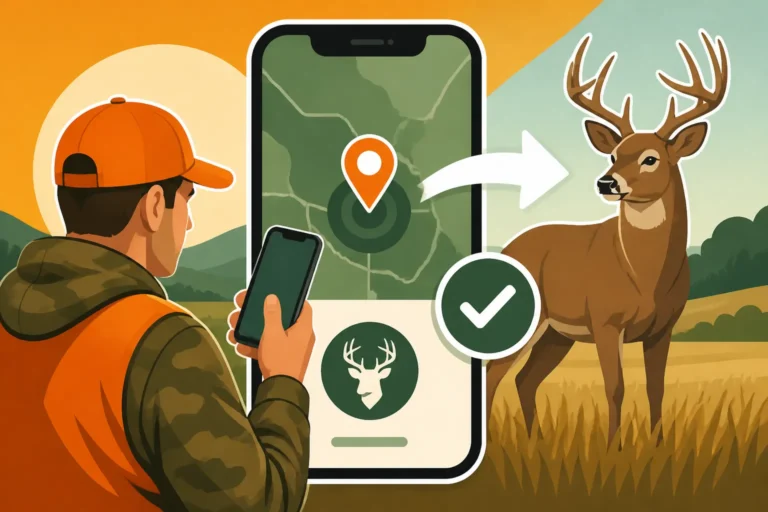
Gone are the days when a crumpled paper map and a hunch were your only scouting tools. Modern technology has revolutionized how we prepare for a hunt. Apps like GoHunt, onX Hunt, or the official NDGFD Outdoors app are invaluable. These tools provide detailed satellite imagery, topographic maps, and crucially, land ownership information. This allows you to identify prime sharptail habitat, such as mixed-grass prairie, CRP fields, and brushy draws, long before you arrive. You can mark potential walking routes, escape cover, and parking spots, creating a comprehensive digital scouting plan.
Even better, these apps often overlay public land boundaries and Private Land Open To Sportsmen (PLOTS) program tracts. PLOTS lands are private lands opened to public hunting through agreements with landowners, and they are goldmines for upland bird hunters. Knowing where these tracts are and their specific rules (e.g., foot traffic only) is essential for maximizing your time in the field and avoiding trespassing. For detailed information, check out Scouting PLOTS Land Before Season. By using these digital tools, you can virtually scout thousands of acres from your couch, narrowing down your focus to the most promising areas, and even identify areas that might see less pressure.
Essential Gear and Tactics for Prairie Grouse
Hunting sharptail grouse on the vast North Dakota prairie demands specific gear and tactics. These birds are resilient, their habitat can be challenging, and the weather is notoriously unpredictable. Being well-prepared is key to both success and enjoyment.
Dressing for Success on the Prairie
North Dakota weather can turn on a dime, especially during the sharptail season that spans from early fall to deep winter. Layering is your best friend. Start with a moisture-wicking base layer, add insulating layers (fleece or down), and top it off with a windproof and waterproof outer shell. Blaze orange, while not always legally required for upland bird hunting in the same way as deer hunting, is highly recommended for safety, especially on public lands where other hunters might be present. Good quality boots are non-negotiable. You'll be doing a lot of walking over uneven terrain, through thorny cover, and potentially in wet or snowy conditions. Look for waterproof, comfortable boots with good ankle support.
Don't forget essentials like gloves, a warm hat, and eye protection. Sunscreen and insect repellent can still be useful in early season, while hand warmers become vital later on. A robust vest or game bag with plenty of storage for shells, water, snacks, and, of course, your birds, is also crucial. Remember, you'll be far from your vehicle sometimes, so carrying enough supplies for several hours in the field is a must. Being comfortable means you can focus on the hunt, not on the cold or a blister.
Hunting Strategies as the Season Progresses
Sharptail grouse tactics often evolve with the season. In the early fall, birds are often found in smaller coveys, spread out across grasslands, often near water sources or patches of denser cover. Walking intelligently, focusing on the edges of cover, small draws, and areas with diverse vegetation, can be highly productive. A good bird dog, like a flushing spaniel or a pointing breed, is an incredible asset. Watching a pointer work the prairie, locking up on a covey of sharptails, is an experience in itself. If you're lucky enough to have a canine companion, brushing up on Running a Pointer Through CRP Grass can be very helpful.
As the season progresses into late fall and early winter, sharptails tend to gather in larger coveys and seek out thicker thermal cover, often found in brushy coulees, shelterbelts, or larger patches of willow and dense native prairie. They become more wary and can run ahead of hunters or dogs. This is where tactics like blocking escape routes (if hunting with a group), making wide sweeps of cover, and carefully working into the wind become important. Sharptail Grouse Hunting at First Light can be particularly effective, as birds are often feeding before retreating to heavier cover. Understanding their behavior as temperatures drop and snow accumulates is key to consistent success.
| Year/Period | General Opening Date | General Closing Date | Typical Daily Bag Limit | Typical Possession Limit | Key Considerations |
|---|---|---|---|---|---|
| Early Season | Early to Mid-September | Early October | 3 Birds | 6 Birds | Milder weather, birds spread out, focus on native prairie and edges. |
| Mid-Season | Mid-October | Late November | 3 Birds | 6 Birds | Cooler temps, coveys begin to gather, hunt thicker cover. |
| Late Season | December | Early January | 3 Birds | 6 Birds | Coldest weather, birds concentrated in heavy thermal cover, can be wary. |
Note: These are typical dates and limits. Always consult the official North Dakota Game and Fish Department proclamations for the current season's exact dates and regulations.
Final Considerations for a Successful Hunt
Beyond dates and tactics, a few final thoughts can make all the difference in your North Dakota sharptail experience. Remember, hunting is about more than just pulling the trigger; it's about connecting with the land, respecting the wildlife, and upholding the traditions of conservation.
Respecting Land and Regulations
North Dakota prides itself on its strong hunting heritage, and a big part of that is respecting the land, whether it's public or private. Always know where you are and whose land you're on. Using mapping apps like GoHunt can help you stay on legal hunting ground and avoid unintentional trespassing. If hunting on private land that isn't enrolled in the PLOTS program, always obtain explicit permission from the landowner before you hunt. A simple knock on the door or phone call can open up great opportunities and build positive relationships with local farmers and ranchers.
Also, be diligent about adhering to all regulations. This includes bag limits, possession limits, shooting hours, and transportation requirements. Responsible hunting ensures the future of the sport. If you're curious about other upland bird opportunities, take a look at Hungarian Partridge Hunting North Dakota Farmland to broaden your prairie bird hunting horizons.
The Value of the Experience
Ultimately, chasing sharptails across the North Dakota prairie is an experience that transcends the number of birds in your vest. It's about the vast skies, the endless horizons, the companionship of friends or a loyal dog, and the challenge of reading the landscape. It's about those moments of anticipation and the sudden, explosive flush that gets your heart pounding. Even on slower days, the beauty of the prairie, the crisp air, and the chance to simply be outdoors are rewards in themselves. So, plan well, hunt ethically, and savor every moment of your North Dakota sharptail adventure.
Disclaimer
Please remember that hunting regulations, season dates, and license requirements are subject to change. Always consult the official North Dakota Game and Fish Department (NDGFD) website or their annual hunting proclamation for the most current and accurate information before planning any hunting trip. This guide is for informational purposes only and does not supersede official state regulations.