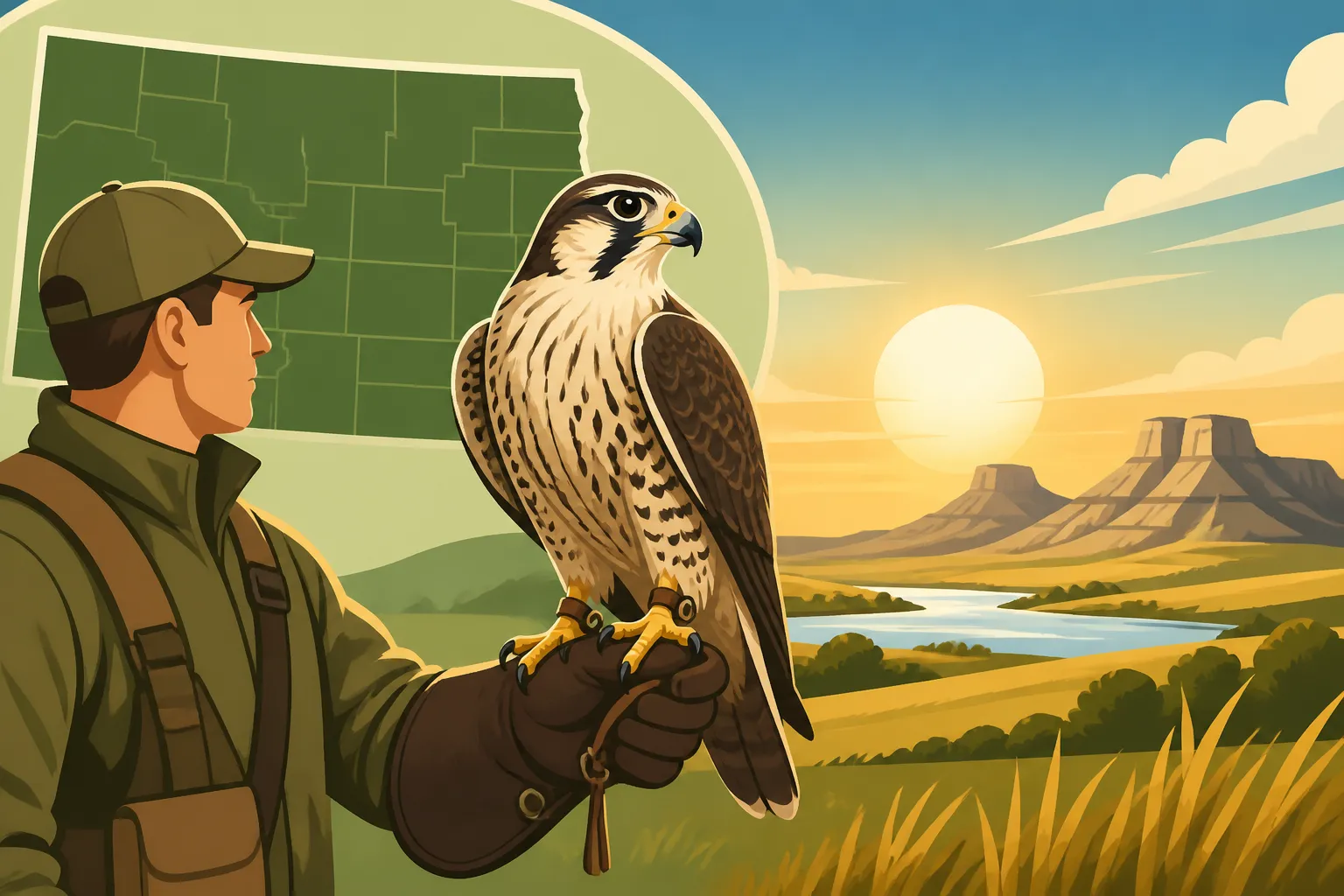
North Dakota Falconry License Requirements
It’s easy to feel overwhelmed when you start looking into something as specialized as falconry, especially when it comes to the intricate web of state and federal regulations. Many folks are passionate about this ancient art, but the journey to becoming a licensed falconer in North Dakota can seem like navigating a dense thicket of paperwork and requirements. This guide is here to untangle that complexity, laying out everything you need to know about North Dakota's falconry license requirements so you can pursue your dream of hunting with a raptor with confidence and clarity.
The Foundations of North Dakota Falconry Licensing
Embarking on the path of falconry in North Dakota isn't just about admiring magnificent birds of prey; it's a deep commitment that starts with understanding and adhering to a stringent licensing system. This isn't your average hunting tag; it's a reflection of the intense dedication and responsibility required to care for and hunt with a raptor. The North Dakota Game and Fish Department (NDG&F) works closely with federal guidelines from the U.S. Fish and Wildlife Service (USFWS) to ensure that only qualified individuals are granted these permits, protecting both the birds and the integrity of the sport.
Understanding the Apprentice Class Permit
Every journey begins with a first step, and in North Dakota falconry, that step is the Apprentice Class Permit. This is where most aspiring falconers will start, and it’s designed to provide a foundational understanding of raptor care, training, and the legal framework. To even be considered for this permit, you generally need to be at least 12 years old, though many states prefer candidates to be older due to the significant responsibility involved. The most critical component for an Apprentice is securing a sponsor – a General or Master Falconer who has been licensed for at least two years and is willing to mentor you through the initial stages. This isn’t a handshake deal; it’s a formal commitment where your sponsor is responsible for guiding you, answering your questions, and ensuring you adhere to all rules. They’re your lifeline in this demanding pursuit.
Beyond finding a sponsor, you’ll need to demonstrate your knowledge. This typically involves a written examination, which we'll delve into more deeply later. For your first bird, Apprentice falconers are usually restricted to possessing just one raptor, and the species list is often limited to more common and hardy birds like the Red-tailed Hawk or the American Kestrel. These species are chosen because they are generally more forgiving for novice handlers, allowing you to learn the ropes without the added stress of a highly sensitive or difficult-to-manage bird. The process is lengthy, requiring both federal and state applications, background checks, and, eventually, a thorough inspection of your facilities. It’s a serious undertaking, and the NDG&F wants to ensure you're fully prepared before you even bring a bird home.
Advancing to General and Master Falconer Status
Once you’ve successfully navigated the challenges of the Apprentice class, dedicated falconers can aspire to the General and then Master Falconer ranks. These advancements reflect increasing experience, knowledge, and commitment to the art. To move from an Apprentice to a General Falconer, you typically need at least two years of active experience as an Apprentice, including hunting with your raptor for at least part of two separate seasons. This isn't just about holding a bird; it's about actively participating in the hunt and demonstrating proficiency. During this time, your sponsor will have been evaluating your progress, and their endorsement is often crucial for your application to advance.
As a General Falconer, you gain a bit more flexibility. You can usually possess up to three raptors, and the species available to you expand beyond the initial Apprentice list, including species like Harris's Hawks or certain accipiters, depending on availability and state regulations. The requirements for facility maintenance and ethical practice remain just as high, if not higher, as you’re now entrusted with more birds and potentially more challenging species. The progression to a Master Falconer follows a similar logic, demanding at least five years of experience as a General Falconer. Master Falconers represent the pinnacle of the sport, with the greatest flexibility in terms of the number and species of raptors they can possess (often up to five, including some rarer or more specialized species). This progression isn't just about getting more birds; it's about a lifelong commitment to conservation, education, and the refined practice of falconry. It’s a testament to years of dedication, learning, and successful hunting experiences, often accumulated through countless hours spent scouting and flying birds in areas like the North Dakota's Prairie Pothole Region.
Navigating the Application and Examination Process
Getting through the paperwork and tests can feel like a hunt in itself, but it’s a necessary hurdle to ensure everyone practicing falconry is knowledgeable and responsible. North Dakota's approach ensures that all licensed falconers understand the gravity of their role and the specific requirements for handling these majestic birds. It's not just about what you know; it's about proving you have the infrastructure and dedication to do it right.
The Rigorous Written Examination
Before you can even think about building a mews or acquiring a bird, you’ll likely need to pass a comprehensive written examination. This isn’t a simple quiz; it’s designed to assess a broad range of knowledge crucial for responsible falconry. The test typically covers raptor identification, their natural history and ecology, basic biology, common diseases and first aid, appropriate housing and equipment, training techniques, and, perhaps most importantly, state and federal wildlife laws pertaining to falconry. You'll need to know the difference between a Red-tailed Hawk and a Ferruginous Hawk, understand the signs of common avian illnesses, and be crystal clear on what you can and cannot do under your permit.
Many aspiring falconers spend months, if not years, studying for this exam. Resources like the North American Falconers Association (NAFA) handbooks, state-specific regulations from the NDG&F, and academic texts on raptor biology are indispensable. This is not a test where you can just "wing it." The questions are designed to ensure you won't endanger a bird through ignorance or violate laws through a lack of understanding. If you're serious about this, invest time in thorough preparation, perhaps even connecting with a local falconry club or prospective sponsor well in advance to get study recommendations. This foundational knowledge is essential for successful and ethical practice, just as thorough preparation is key for any hunting endeavor, whether you're interested in Bowhunting North Dakota's Long Archery Season or another pursuit.
Facility and Equipment Inspections
After passing your written exam and securing a sponsor, the next major step is the inspection of your facilities and equipment. This is a non-negotiable part of the licensing process, designed to ensure that you can provide a safe, humane, and secure environment for your raptor. The NDG&F will send a representative, often a game warden or a biologist, to your property to physically inspect your housing structures, known as mews (an indoor enclosure) and weathering areas (an outdoor enclosure). For a mews, they’ll be looking at minimum dimensions, ensuring it’s large enough for the bird to stretch its wings without hitting walls, has appropriate perches that are easy to clean and comfortable for the bird's feet, and good ventilation. Security is paramount, so durable materials, secure locks, and predator-proofing are critical.
The weathering area also has specific requirements, providing outdoor space for the raptor to bask in the sun and experience natural elements, while still being protected from predators and escape. This area usually needs a suitable perch and a way to provide fresh water and protection from harsh weather. Beyond the structures themselves, your equipment will be scrutinized. This includes sturdy leather jesses (straps attached to the bird's legs), leashes for tethering, a reliable scale to monitor the bird's weight (crucial for health and hunting readiness), properly fitting hoods, and perhaps even telemetry units for tracking. The inspector isn't just checking off boxes; they’re ensuring that you possess the practical means to keep a raptor healthy, safe, and ready to hunt. It's a comprehensive review, much like how a hunter would prepare for a detailed scouting trip by finding Public Hunting Land in North Dakota and knowing all the regulations for that specific area.
Essential Compliance and Responsible Falconry Practices
Becoming a licensed falconer is a continuous commitment, not a one-time event. North Dakota, like all states, demands ongoing compliance and adherence to strict regulations to ensure the welfare of the raptors and the sustainability of the wild populations. This means more than just having a license; it means actively participating in reporting, meticulous record-keeping, and upholding the highest ethical standards.
Acquiring and Registering Your First Raptor
Once you've cleared all the hurdles – passed the exam, secured a sponsor, and had your facilities approved – you're finally ready to acquire your first raptor. This isn't a trip to a pet store. Raptors can be acquired through specific, legal methods approved by the NDG&F and USFWS. The most common method for Apprentice falconers is trapping a wild, immature raptor during specific seasons and within established limits. This process itself is regulated, requiring permits and often the assistance of your sponsor to ensure humane trapping practices and identification of appropriate birds. Alternatively, you might acquire a bird through transfer from another licensed falconer or through a licensed propagation facility.
Regardless of how you acquire your raptor, the moment it's in your possession, there's a strict timeline for reporting and banding. You must notify the NDG&F within a short window (often 48 hours) of acquiring the bird. The bird will then be fitted with a non-removable, numbered leg band provided by the USFWS, which acts as its unique identification number for life. This banding is critical for tracking and preventing illegal trafficking. It’s a moment of immense responsibility, knowing you're now directly responsible for this wild creature. Just like tagging your deer after a successful hunt, this immediate registration process is key to maintaining proper wildlife management and legal compliance. You wouldn't want to skip reporting when hunting White-Tailed Deer Across North Dakota, and it's even more critical for a federally protected bird.
Annual Reporting and Permit Renewal
The administrative duties don't end once you have your raptor. Falconry permits in North Dakota, both state and federal, require annual renewal and detailed reporting. Every year, typically by a specific deadline, you'll need to submit a federal falconry report to the USFWS and a state report to the NDG&F. These reports detail the species and number of raptors you possess, any birds you’ve acquired, released, lost, or had die during the reporting period, and your overall hunting activities. This data is vital for wildlife agencies to monitor raptor populations and the health of the falconry community. Failing to submit these reports on time can lead to fines, suspension, or even revocation of your permit.
It’s crucial to keep meticulous records throughout the year to make this annual process smooth. Maintain a log of your bird's activities, health, and any changes in its status. While tools like GoHunt are fantastic for mapping and researching hunting regulations for species like deer or pheasants, falconers need dedicated systems to track their raptors. Staying current with your permits and reports is not just a bureaucratic chore; it's a fundamental aspect of being a responsible and law-abiding falconer. The NDG&F expects professional conduct and diligent record-keeping, emphasizing the seriousness of holding such a unique license.
Nonresident Considerations and Interstate Practice
If you're a falconer from outside North Dakota, or if you're a North Dakota resident planning to hunt in another state, there are additional layers of complexity to consider. Interstate travel with raptors and hunting across state lines involves navigating not only North Dakota's rules but also federal regulations and the laws of any other state you might visit.
Hunting in North Dakota as a Visiting Falconer
For nonresident falconers looking to hunt in North Dakota, the first thing to understand is that your primary falconry license from your home state is usually recognized under federal reciprocity agreements. However, this doesn't exempt you from North Dakota's general hunting laws. You will still need to purchase the appropriate North Dakota hunting licenses. For most falconry quarry, this will include a North Dakota Nonresident Small Game License Cost and potentially a North Dakota Migratory Bird Certification if you plan to hunt migratory birds with your raptor, such as certain duck species or pheasants. Always verify the specific requirements with the NDG&F well in advance of your trip.
Transporting your raptor across state lines also requires adherence to specific regulations. Your bird must be properly banded, and you should carry your valid falconry permit and any relevant health certificates. Each state may have subtle differences in bag limits, season dates, and legal quarry, so thoroughly researching North Dakota's specific falconry hunting regulations is paramount. While GoHunt might be known for its mapping capabilities for big game, it also offers invaluable satellite imagery and land ownership overlays that can be incredibly useful for scouting potential falconry spots on North Dakota Wildlife Management Areas or other public lands. Planning your hunt, knowing where you can go, and understanding the local game populations are just as critical for falconry as they are for traditional hunting methods.
Common Pitfalls and Staying Out of Trouble
Given the stringent nature of falconry regulations, it's surprisingly easy to fall prey to common pitfalls if you're not diligent. One of the biggest mistakes is failing to understand the specific species limitations of your permit class. An Apprentice falconer taking a bird only permitted for a General or Master falconer, for example, is a serious violation. Similarly, improper handling or care that leads to injury or death of a raptor can result in severe penalties, including license revocation and fines. Poaching, or acquiring a raptor illegally, is an absolute no-go and can carry federal felony charges.
Another area where falconers sometimes stumble is with reporting requirements. Missing a deadline for your annual report, or failing to report an acquired, lost, or deceased bird in the required timeframe, can lead to compliance issues. It’s also crucial to remember that your raptor is a federally protected animal, and any interaction with the public must be handled with extreme care and respect for wildlife laws. Never allow your bird to be placed in a situation that could be perceived as exploitation or endangerment. The best way to stay out of trouble is to maintain open communication with the NDG&F, consult your sponsor regularly, and diligently review the federal and state falconry regulations annually. Being a falconer is a privilege, and upholding the highest standards of ethics and legality ensures that this tradition continues to thrive.
North Dakota Falconry License Structure at a Glance
To help visualize the progression and requirements, here's a simplified table outlining the different falconry permit classes in North Dakota. Keep in mind that specific details can change, so always consult the latest NDG&F regulations.
| Permit Class | Minimum Age | Experience Required | Sponsor Required | Number of Raptors | Common Species Permitted (Examples) | Key Responsibilities |
|---|---|---|---|---|---|---|
| Apprentice | 12 | None | Yes | 1 | Red-tailed Hawk, American Kestrel | Basic care, training, legal hunting, facility compliance |
| General | 18 | 2 years as Apprentice | No (optional) | Up to 3 | Harris's Hawk, Peregrine Falcon (limited) | Advanced training, species management, ethical hunting |
| Master | 18 | 5 years as General | No | Up to 5 | Expanded species list, propagation (with permit) | Leadership, conservation, advanced husbandry, mentoring |
This table provides a snapshot, but each category is rich with detailed rules and nuances. For instance, while a sponsor is not required for General or Master classes, continued mentorship within the falconry community is highly encouraged and often invaluable.
Preparing for Your Falconry Journey
Beyond the licenses and legalities, preparing for a falconry journey in North Dakota means immersing yourself in the lifestyle. It’s a huge time commitment. We're talking daily care, training sessions, and endless hours scouting for game birds like those found in Sharptail Grouse Hunting Mixed Grass Prairie or Hungarian Partridge Hunting North Dakota Farmland. This isn’t a hobby you can pick up for a weekend. You'll need to develop a keen understanding of your bird's behavior, its health, and the local quarry it will pursue.
Start by connecting with local falconry clubs in North Dakota. These groups are invaluable resources for finding a sponsor, learning about local regulations, and gaining practical experience. Attend club meetings, go to field meets, and simply ask questions. The falconry community is passionate and often welcoming to serious newcomers, but they expect you to show initiative and respect for the tradition. Research extensively before you even apply for your Apprentice permit. Understand the financial commitment – from building facilities to veterinary care, equipment, and travel, it's not a cheap endeavor. Think about where you'll hunt. The NDG&F's PLOTS program is an amazing resource, but you'll still need to put in the legwork for Scouting PLOTS Land Before Season to find areas that hold suitable game for your raptor.
Ultimately, falconry is a profound relationship between human and hawk, steeped in history and demanding unwavering dedication. North Dakota’s licensing requirements are designed to uphold this tradition responsibly, ensuring that both the magnificent raptors and the wild game they pursue are respected and conserved for future generations.
Disclaimer
The information provided in this guide is for general informational purposes only and does not constitute legal advice. Hunting regulations, license requirements, and fees are subject to change by the North Dakota Game and Fish Department and federal authorities. Always consult the official North Dakota Game and Fish Department website and current hunting proclamations for the most up-to-date and accurate information before planning any hunting activities.