North Dakota Badlands Bighorn Reintroduction History
It’s easy to look at the rugged, broken landscape of North Dakota’s Badlands today and imagine that the majestic bighorn sheep have always roamed those breathtaking buttes and deep coulees. But the truth is, their presence there is a testament to one of the most remarkable and hard-fought conservation stories in our state's history. For generations, these incredible animals were gone, leaving a void that many thought could never be filled. This guide isn't just a historical recap; it’s a deep dive into the painstaking journey of bringing these iconic sheep back, understanding the challenges, celebrating the triumphs, and appreciating the vigilant effort it takes to maintain them in a place they almost left forever.
The Vanishing Act: Why Bighorn Disappeared
Before we can truly appreciate the return of the bighorn sheep to North Dakota, we first have to understand why they vanished in the first place. It wasn’t a single event, but a cruel combination of factors that chipped away at their existence until none remained. It’s a sobering reminder of how quickly even the most robust wildlife populations can be decimated when conditions align against them.
Overhunting and Disease: A Double Whammy
Imagine the Badlands in the early 19th century, teeming with wildlife. Bighorn sheep, known for their incredible agility and massive curling horns, were once a common sight. Early accounts from explorers and settlers often speak of their abundance, but this very abundance quickly became their downfall. As European settlement expanded across the plains and into the Badlands, unregulated hunting became rampant. There were no seasons, no bag limits, and certainly no thought given to sustainable harvest. Market hunting, providing meat for burgeoning towns and work camps, further intensified the pressure. Hunters simply took what they wanted, often without regard for the future.
Beyond the direct impact of the rifle, an even more insidious threat emerged with the introduction of domestic livestock. As cattle and domestic sheep operations sprang up, they brought with them diseases that bighorn sheep had no natural immunity to. Scabies, a parasitic skin disease, would spread like wildfire through wild herds, weakening them and making them more susceptible to other ailments. Perhaps the most devastating was pneumonia, often carried by seemingly healthy domestic sheep. A single introduction could decimate an entire bighorn population, especially in a region where herds were already stressed and fragmented by hunting. It was a silent killer, far more effective at wiping out entire populations than any hunter could ever be, and it ultimately led to the complete extirpation of bighorn sheep from North Dakota by the early 1900s. The silence where their bleats and the clatter of horns once echoed was truly deafening.
Habitat Loss and Human Encroachment
Even if disease and overhunting hadn't been so destructive, the bighorn sheep faced another significant, slow-burning threat: the loss and degradation of their critical habitat. Bighorns are creatures of steep, rugged, and open terrain, preferring the high, windswept plateaus and sheer cliff faces for escape and lambing grounds. The Badlands provided this perfect sanctuary, but as human activity increased, those sanctuaries began to shrink and become fragmented.
Ranching, farming, and other forms of settlement meant that fences crisscrossed the landscape, roads were built, and human presence became constant. While the Badlands are still wild in many respects, the sheer scale of development in the surrounding areas meant less undisturbed space. This encroachment pushed the bighorns into smaller, more isolated pockets, making them more vulnerable to disease spread and harder for remaining animals to find new mates, leading to genetic bottlenecks. These cumulative pressures, from direct human impact to indirect consequences like disease, proved to be an insurmountable hurdle for the native bighorn populations, setting the stage for their eventual disappearance. The landscape they needed to thrive was slowly but surely being eaten away, leaving them with nowhere left to run.
A Hopeful Return: Early Reintroduction Efforts
The absence of bighorn sheep in the Badlands was keenly felt by conservationists and wildlife enthusiasts for decades. The state's rugged western landscape just didn't seem complete without these iconic animals. However, the idea of bringing them back was a monumental undertaking, fraught with biological and logistical challenges. It required dedication, patience, and a willingness to learn from inevitable setbacks.
The Pioneer Transplants of the 1950s
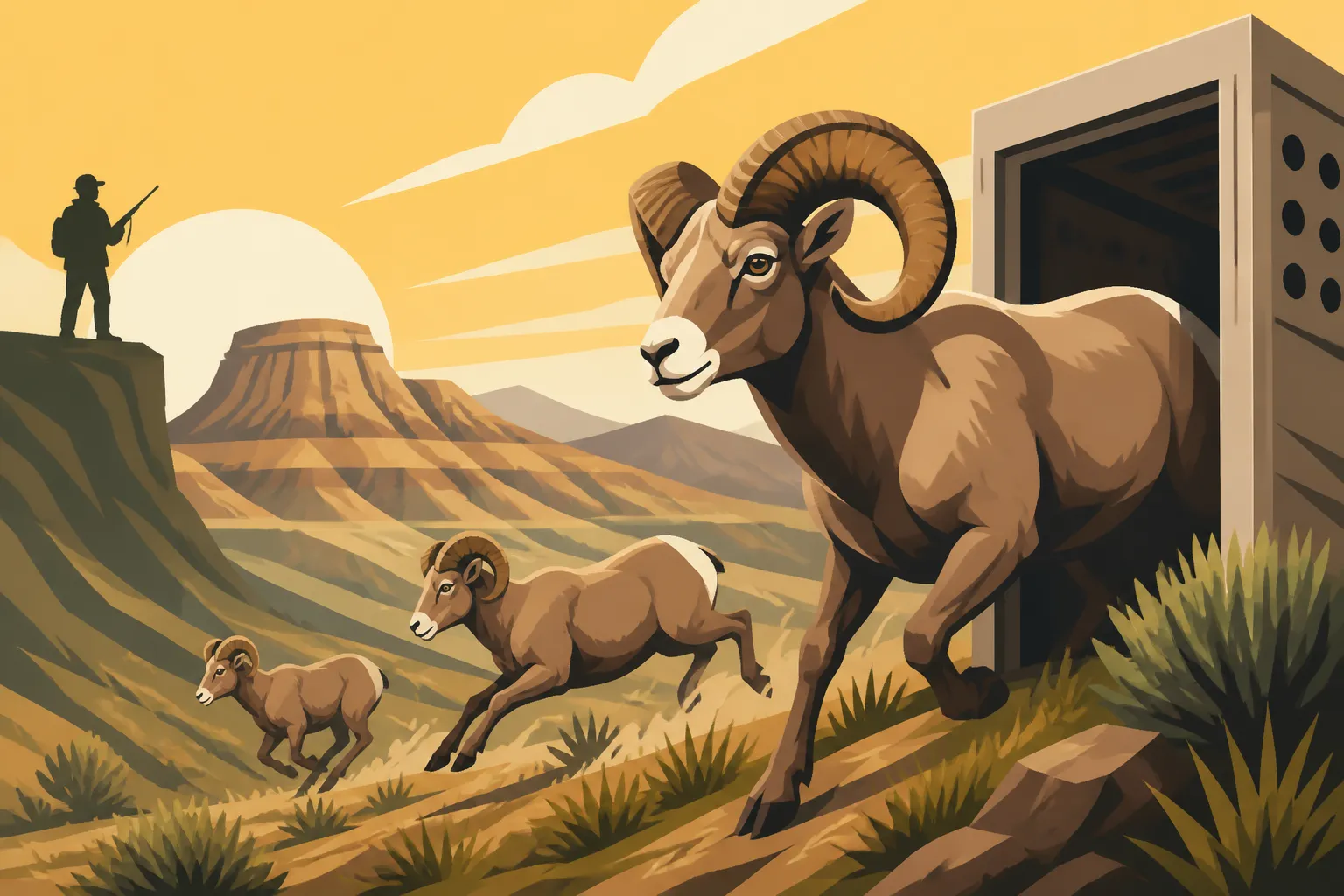
The first serious conversations about reintroducing bighorns began mid-century, and by 1956, those dreams started to become a reality. North Dakota Game and Fish Department, in partnership with other state agencies, initiated the bold plan to bring bighorns back to their ancestral home. The initial source herd for these pioneer transplants came from Montana, a state with healthy, established bighorn populations. Imagine the scene: crews working in rugged, remote Montana mountains, carefully darting and capturing these powerful animals, then transporting them across state lines. It was a massive logistical feat, relying on specialized equipment and dedicated personnel.
The first release site was chosen carefully: the Magpie Creek area in the North Unit of Theodore Roosevelt National Park. This particular location was selected for its ideal bighorn habitat—steep, broken terrain offering both forage and escape cover, echoing the original Badlands environment. The initial cohort consisted of just a handful of animals, a tiny seed of hope planted in a vast landscape. Subsequent releases in the late 1950s and early 1960s followed, gradually building on this foundational effort, with animals also released into the Little Missouri River breaks, areas outside the park boundaries. Each release was a moment of cautious optimism, a step towards correcting a historical wrong. Hunters and wildlife enthusiasts would eagerly follow news of these initial releases, hoping to glimpse the future of Moose and Bighorn Sheep Hunting in North Dakota.
Learning Curve: Setbacks and Adaptations
While the initial reintroduction efforts were fueled by incredible optimism, they were far from easy successes. The reality of re-establishing a wild population in a landscape it had been absent from for so long brought numerous challenges. Early on, low lamb survival rates were a significant concern. The stress of capture and relocation, combined with unfamiliar surroundings and potential nutrient deficiencies, made it difficult for ewes to successfully raise their young. Furthermore, the ever-present threat of disease, particularly pneumonia, continued to plague these nascent herds, sometimes wiping out entire groups of reintroduced animals. It was a heartbreaking reminder of the very reasons they had vanished in the first place.
These early setbacks, though discouraging, provided invaluable lessons for future management. Wildlife biologists meticulously tracked the animals, studied mortality factors, and learned what worked and what didn't. They adapted their capture and transport techniques to minimize stress, sought out healthier source populations, and carefully considered the genetics of the transplanted animals to ensure a diverse and robust foundation. Understanding historical data and current population trends, perhaps by utilizing resources like GoHunt for researching successful reintroduction models from other states, became paramount. This continuous learning process, where failures were analyzed and methods refined, was critical to shifting from simply releasing bighorns to truly re-establishing them.
Building a Sustainable Herd: Modern Management and Success
The early efforts laid the groundwork, but achieving a truly self-sustaining bighorn sheep population in North Dakota required a sophisticated, long-term approach. It’s a testament to the dedication of wildlife managers and conservation partners that we can now speak of bighorns as a resident species in the Badlands, albeit a rare and carefully managed one.
Strategic Translocations and Population Augmentation
As the scattered herds slowly began to grow, the focus shifted from initial reintroduction to strategic population management. This often involved what are called "translocations" – moving bighorns not just from out-of-state, but from one growing herd within North Dakota to another area where numbers were low or to establish a new herd. For instance, if a particular unit, perhaps near the Little Missouri Badlands, had a robust population that was nearing its carrying capacity, animals might be captured and moved to another suitable but unpopulated area or to augment a struggling, smaller herd. This careful shuffling of genetic material helps prevent inbreeding and strengthens overall herd health.
The selection of these sites became even more crucial. Biologists used modern mapping and habitat analysis tools to identify areas that offered not only forage and water but also critical escape terrain and isolation from potential disease vectors. The goal was to create viable, interconnected populations that could eventually withstand environmental fluctuations and natural challenges. This proactive approach, where animals are managed as part of a larger ecosystem, has been key to the gradual expansion and stabilization of bighorn numbers, allowing them to truly reclaim parts of the Hunting North Dakota's Badlands landscape.
Habitat Improvement and Disease Prevention
It's one thing to bring animals back; it's another to ensure they have a thriving home. Modern bighorn management isn't just about moving sheep; it's also about managing their habitat to ensure its long-term health. This can involve targeted vegetation treatments, such as controlled burns in specific areas of the Badlands, to promote the growth of palatable grasses and forbs that bighorns prefer, while also reducing dense woody encroachment that might limit visibility. Ensuring a good food source and open country is essential for bighorn health and for evading predators.
Perhaps the most critical ongoing battle in bighorn conservation is disease prevention. The threat of pneumonia, specifically Mycoplasma ovipneumoniae (M.ovi), remains a constant specter. Wildlife managers work tirelessly to maintain separation between wild bighorn sheep and domestic sheep and goats, which can carry the pathogen without showing symptoms themselves. This often involves working with private landowners in and around bighorn habitat, educating them on the risks, and sometimes even creating buffer zones. It’s a delicate balancing act, protecting a vulnerable species while respecting private land use, and it's a primary focus in areas like North Dakota Wildlife Management Areas where bighorns reside. Monitoring herd health and being prepared for rapid intervention are continuous, resource-intensive efforts, but absolutely essential for the survival of North Dakota's North Dakota's Small Bighorn Sheep Herd. Hunters interested in the detailed planning behind these efforts might find tools like GoHunt useful for exploring historical articles or public land management plans, which sometimes touch on these complex biological factors.
The Role of Limited Hunting Tags
One of the most unique and valuable aspects of North Dakota's bighorn sheep conservation program is the extremely limited hunting opportunity it provides. These are not everyday tags; they are often referred to as "once-in-a-lifetime" licenses, signifying their rarity and the incredible experience they represent. Only a handful are issued each year, typically to resident hunters who have applied through a lottery system for many, many years. This scarcity means that the chance to harvest a bighorn ram in North Dakota is one of the most coveted hunting experiences in North America. To learn more about this, you can look into North Dakota's Once-in-a-Lifetime Big Game Licenses.
The revenue generated from these tags, even with their limited number, plays a significant role in funding ongoing bighorn research, management, and habitat projects. It's a direct way for hunters to contribute to the very resource they cherish. Beyond the financial aspect, these tags also serve as a crucial management tool. They allow biologists to carefully select which rams can be harvested, often targeting older, post-prime animals, ensuring the health and vitality of the breeding population. It's a carefully orchestrated system designed to both celebrate the success of reintroduction and to ensure the long-term future of the species. Many dream of drawing one of these tags, understanding that it's not just a hunt, but a profound connection to a truly unique conservation success story, as explained further in What a Once-in-a-Lifetime Bighorn Tag Means.
Challenges and The Future of North Dakota's Bighorn
While the return of bighorn sheep to North Dakota's Badlands is a resounding success story, it's crucial to understand that their continued presence is not guaranteed. Conservation is a continuous, dynamic process, and the herds still face significant threats that require constant vigilance and adaptive management strategies.
Persistent Threats: Disease, Habitat, and Climate
Despite all the successes, the ghost of past diseases, particularly pneumonia, continues to haunt bighorn populations. Even small interactions with domestic sheep or goats, or even stress from severe weather, can trigger outbreaks that set back years of conservation work. Wildlife biologists monitor herds constantly for signs of illness, but a virulent strain of disease can still devastate a population quickly. It's a high-stakes game where one wrong move, or one unlucky infection, could have dire consequences.
Furthermore, the delicate balance of their Badlands habitat is always at risk. While efforts are made to manage and improve it, factors beyond direct human control play a role. Severe winters, like those that can decimate North Dakota Pronghorn Herd Size, can hit bighorns hard, especially lambs and older animals, reducing forage availability and increasing stress. Prolonged droughts can impact water sources. Climate shifts could alter vegetation patterns, making some areas less suitable. These environmental pressures, combined with the ongoing need to prevent habitat fragmentation from human development, mean that wildlife managers must always be thinking several steps ahead, planning for contingencies and adapting to an ever-changing landscape. Looking into detailed public land maps and habitat data, perhaps using tools like GoHunt, can give hunters and enthusiasts a deeper understanding of these localized challenges, especially in areas like Hunting Little Missouri's Backcountry Draws.
Community Involvement and Ongoing Research
The future of North Dakota's bighorn sheep isn't solely in the hands of wildlife agencies. It's a shared responsibility that increasingly involves local communities, landowners, and a network of passionate conservation organizations. Ranchers who graze their livestock in or near bighorn habitat are vital partners in disease prevention, often making difficult choices to help protect the wild sheep. Volunteer groups assist with habitat projects, water development, and herd surveys. This grassroots support is absolutely essential, transforming conservation from a top-down mandate into a community-wide effort.
Moreover, scientific research continues to be a cornerstone of bighorn management. Biologists are constantly studying bighorn genetics, disease resistance, migration patterns, and lamb survival rates to refine management strategies. New technologies, from GPS collars to remote camera monitoring in North Dakota Badlands Wilderness Study Areas, provide unprecedented insights into herd movements and behavior. This ongoing research ensures that decisions are based on the latest scientific understanding, rather than guesswork. It means that every year, the methods for protecting and growing this precious resource become a little more sophisticated, a little more effective. The goal is not just to maintain a small population, but to foster a resilient, thriving bighorn herd that will grace the North Dakota Badlands for generations to come, a true legacy of conservation.
Here's a look at some key milestones in North Dakota's bighorn reintroduction journey:
| Year/Period | Event/Phase | Key Challenges | Impact |
|---|---|---|---|
| Early 1900s | Extirpation of Native Herds | Overhunting, domestic livestock diseases (scabies, pneumonia) | Complete disappearance of bighorn from North Dakota |
| 1956 | First Reintroduction Effort | Capture/transport stress, low lamb survival | Initial re-establishment in Magpie Creek area |
| Late 1950s-60s | Subsequent Releases | Continued disease threat, habitat acclimation | Small, scattered herds begin to form |
| 1970s-80s | Population Stabilization & Growth | Disease outbreaks, severe winters | Slow but steady increase in numbers, management refines |
| 1990s-Present | Strategic Translocations & Augmentation | Genetic diversity, preventing M.ovi transmission | Establishment of multiple viable herds, limited tags |
| Ongoing | Habitat Improvement & Disease Vigilance | Climate impacts, continued domestic livestock interface | Sustained population, active conservation community |
Disclaimer
This article is for general informational purposes only and does not constitute professional advice. Laws, prices and regulations vary by location and change over time. Consult a qualified professional for guidance on your specific situation.