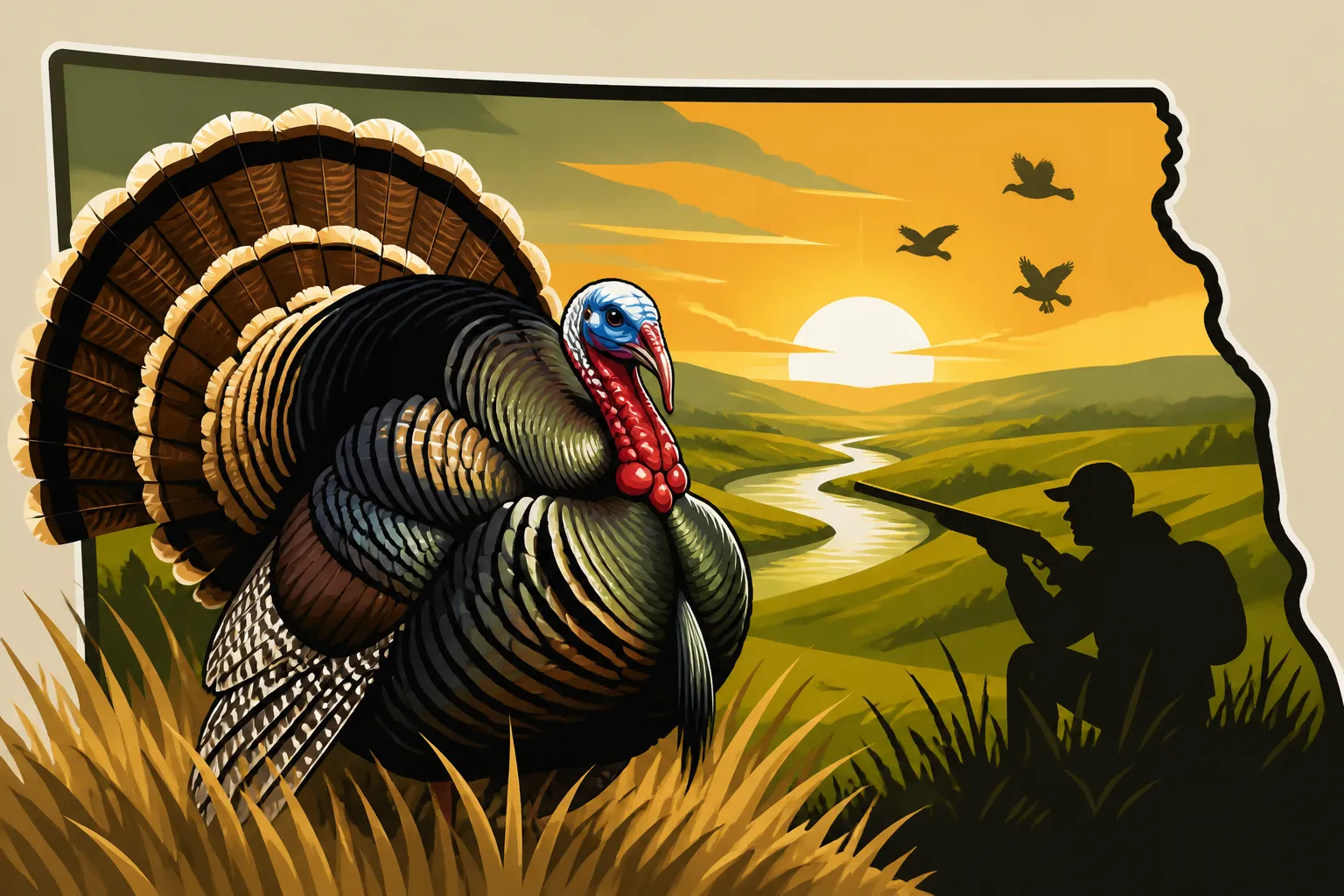
North Dakota Record Book Gobblers
We all dream of that truly exceptional bird, don't we? That gobbler with spurs like daggers, a beard sweeping the dew, and a weight that almost buckles your knees. For hunters in North Dakota, the allure of tagging a record book turkey is a powerful motivator, but many wonder what it truly takes to make the cut and how to even begin the pursuit. This guide is here to shed light on what qualifies a North Dakota wild turkey for the record books, how these impressive birds are scored, and some practical advice on how you might just find your own trophy tom in our beautiful state.
Understanding North Dakota's Turkey Records
When we talk about "record book" turkeys, we're generally referring to birds that meet the stringent scoring criteria set by the National Wild Turkey Federation (NWTF). While some states might maintain their own independent records, the NWTF is the widely recognized authority for wild turkey achievements across North America, including those harvested here in North Dakota. It's not just about a big bird; it's about a combination of specific characteristics that truly set a gobbler apart. The challenge lies in finding a bird that excels in all these categories, as it’s a rare occurrence to encounter such a specimen.
The North American Wild Turkey Federation (NWTF) Scoring System
The NWTF's scoring system is designed to provide a standardized, fair method for comparing wild turkeys. It's a formula that takes three primary attributes into account: the bird's live weight, the total length of its beard(s), and the total length of its spurs. Each of these components contributes to a cumulative score, giving a comprehensive picture of the gobbler's trophy potential. The formula is quite specific, and understanding it is key to appreciating what makes a true record bird.
The formula is as follows: Live Weight (in pounds) + (Total Length of All Beards, measured in 16ths of an inch x 2) + (Total Length of All Spurs, measured in 16ths of an inch x 10) x 2.
Let's break that down a bit. First, the weight is straightforward, taken in pounds. For beards, you measure each beard from the point where it emerges from the skin to the very tip, recording the length in sixteenths of an inch. Then, you multiply that total length by two. Spurs are measured along their outside curve from the point where they emerge from the leg to the tip, also in sixteenths of an inch. This total is then multiplied by ten. Finally, you add these three modified values together and multiply the entire sum by two. As you can see, spur length carries a significant weight in the final score, often distinguishing a truly exceptional bird from merely a large one. For instance, a gobbler weighing 25 pounds, with a 10-inch beard (160 sixteenths) and two 1.5-inch spurs (24 sixteenths each, total 48 sixteenths) would be calculated as: 25 + (160 x 2) + (48 x 10) x 2 = 25 + 320 + 480 x 2 = 825 x 2 = 1650 points. A bird pushing into the upper echelons of the record books will have an impressive combination across all these metrics.
North Dakota Specific Record Considerations
While the NWTF system is universal, the type of wild turkey in North Dakota often influences the characteristics of potential record birds. Our state primarily hosts Merriam's turkeys, especially in the western and central parts, with some Eastern and hybrid populations found in river bottoms and eastern regions. Merriam's are generally known for their lighter coloration, robust body size, and often, multiple beards. Easterns, on the other hand, are typically darker with thick beards and sharp spurs. Hybrid birds can display a mix of these traits.
The general health and density of the North Dakota Turkey Population Trends play a huge role in the potential for trophy birds. Good years with mild winters and ample food sources often lead to a higher percentage of older, more mature gobblers that have had time to grow long spurs and impressive beards. North Dakota's diverse habitats, from the rugged Badlands to the timbered river corridors and prairie potholes, provide excellent environments for turkeys to thrive, giving hunters a real chance at finding those exceptional Toms.
Finding and Pursuing a Record Book Gobbler in North Dakota
The dream of a record book gobbler starts long before you step foot in the woods or fields. It begins with dedicated scouting and understanding where these magnificent birds prefer to call home. North Dakota offers a variety of terrains that hold turkeys, and knowing which areas are most likely to harbor those older, heavier birds with impressive hardware is your first step. Patience and persistence are more than just virtues here; they are necessities when targeting a truly exceptional bird.
Habitat Hotspots for Trophy Toms
When you're chasing record book gobblers in North Dakota, you need to think about where birds can mature largely undisturbed and with consistent access to quality feed. River corridors, like the Missouri, James, and Souris, often create ideal conditions. These areas provide dense timber for roosting, ample water, and diverse food sources from agricultural fields to natural browse. The shelter and resources in these bottoms allow gobblers to grow old and develop those impressive characteristics that score high.
The broken prairie and timbered draws of the Badlands are another prime location. Here, turkeys can be more spread out, but the rugged terrain offers pockets of cover and isolation, perfect for a wary old tom. Look for areas with a mix of pine, juniper, and deciduous trees, especially near reliable water sources. Even in the relatively open expanses of central and eastern North Dakota, shelterbelts and farm country woodlots can be incredibly productive, especially where they butt up against corn or soybean fields. These birds become well-fed and often have less hunting pressure than those in more accessible public spots. If you're using a mapping system like GoHunt, you can really dive into the satellite imagery to pinpoint these micro-habitats that might be overlooked by others. Look for small, isolated timber blocks or deep coulees with good tree cover, which can be overlooked honey holes.
Strategies for Tagging a Trophy
Hunting a record book gobbler requires a different mindset than simply filling a tag. These birds are often older, wiser, and have heard every call in the book. You need to be patient, adaptable, and willing to put in the hours. When it comes to calling, think subtle rather than aggressive. An older tom might be wary of a booming gobble or incessant hen yelps. Sometimes, a few soft clucks and purrs are all it takes to pique their curiosity without raising their suspicion. Decoying can be effective, but consider your setup carefully. A lone hen might be less intimidating than a full strut tom if you're targeting a dominant bird, but a jake decoy can sometimes draw in an aggressive longbeard looking to assert dominance.
Camouflage and concealment are paramount. Turkeys have incredible eyesight, and any unnatural movement or glint can send them scurrying. Ground blinds, especially brushed-in ones, offer excellent concealment. Understanding the bird's routine is also critical. Utilizing tools like GoHunt can help you scout and mark potential roost sites and feeding areas, allowing you to get in position before first light. Pay attention to strut zones and dusting bowls, as these indicate prime areas of activity. Roosting a Fall Gobbler the Night Before can be a game-changer, allowing you to set up perfectly for a morning ambush. For those targeting the fall season, Calling a Fall Gobbler Flock using kee-kees and clucks can be highly effective in breaking up a flock and then calling individual birds back in.
The Process: From Field to Record Book
So, you've done the hard work, made the shot, and now you're standing over a gobbler that just feels… big. Really big. What's next if you think you've got a potential record book bird on your hands? The process from the field to official recognition in the record books involves careful documentation and adherence to specific measurement guidelines. Don't rush this step; accuracy is everything.
Accurate Measurement and Documentation
The first and most critical step is getting accurate measurements. Remember the NWTF formula requires precision, often down to the sixteenth of an inch.
- Beard Length: Carefully measure each beard from the point where it exits the skin to the tip of the longest strand. If a beard is broken, you measure to the longest remaining strand. Do not stretch or manipulate the beard; let it lay naturally. Record the measurement in sixteenths of an inch. If your bird has multiple beards, measure each one separately and sum them up for the total beard length.
- Spur Length: Measure each spur along its outside curve from its base where it emerges from the leg scale to the very tip. Again, record this in sixteenths of an inch. Spurs can be tricky to measure accurately, so take your time and perhaps even use calipers for precision.
- Weight: An accurate scale is essential for the live weight. Field dressing the bird before weighing will disqualify it from the official NWTF live weight category, so weigh it as soon as possible after harvest. A good, reliable digital scale is your best friend here.
Beyond measurements, documentation through clear, well-lit photographs is highly recommended. Take pictures of the entire bird, close-ups of the beard(s) and spurs with a ruler or tape measure visible in the frame, and a photo of the bird on the scale. This photographic evidence can be invaluable during the submission process. It's also wise to research North Dakota Hunter Education Requirements as proper field care and game handling are part of responsible hunting, especially for a potential trophy.
Submitting Your Gobbler for the Record Book
Once you have all your measurements and photos, the next step is to submit your gobbler for official scoring. The NWTF maintains a network of certified measurers. You'll need to locate one in your area, or be prepared to travel to one, to have your bird officially scored. These measurers are trained to apply the NWTF scoring system consistently and accurately. They will re-measure your bird and verify your initial findings.
You'll then fill out an official NWTF application form, which will include all the details of your hunt: date, location, weapon used, and the verified measurements. There is usually a fee associated with the submission. The NWTF will then review your application, and if everything is in order, your gobbler will be officially entered into their record book. This process can take some time, so be patient. While a mapping tool like GoHunt isn't directly for submitting your bird, it can be a fantastic resource for planning future hunts, identifying potential trophy zones, and even looking at historical data to see areas known for larger birds, providing a comprehensive scouting tool for serious hunters.
Challenges and Realities of Trophy Turkey Hunting
Let's be real, chasing a record book gobbler isn't for the faint of heart. It requires immense dedication, skill, and often, a good bit of luck. North Dakota offers fantastic turkey hunting opportunities, but achieving that top-tier recognition comes with its own set of unique challenges. It's important to approach this pursuit with realistic expectations and to appreciate the journey, regardless of the final score.
Environmental and Population Dynamics
Wild turkey populations are dynamic, constantly influenced by a myriad of environmental factors. Harsh winters, especially those with deep, prolonged snow cover, can significantly impact a gobbler's ability to forage, affecting its overall health and subsequently, the growth of its beard and spurs. Similarly, periods of drought can limit food and water availability. Disease outbreaks, while less common than in some other species, can also affect local turkey populations. Even seemingly minor changes in habitat, like clear-cutting timber in a prime roosting area, can displace birds and impact their ability to reach trophy potential.
Understanding these larger ecological forces can give you an edge. For instance, knowing that North Dakota has a strong North Dakota Turkey Population Trends after several mild winters might indicate a higher likelihood of older birds in the gene pool. However, it also means that these birds have likely faced more hunting pressure over their lifespan, making them even warier.
Ethics and Expectations
While the pursuit of a record book gobbler is exciting, it's crucial to keep ethical hunting practices at the forefront. Fair chase principles dictate that we respect the animal and the hunting experience. This means understanding and abiding by all North Dakota hunting regulations, including bag limits, season dates, and legal weapons. North Dakota Fall Turkey License Numbers are carefully managed to ensure sustainable populations, and every hunter plays a role in that.
It's also important to manage your expectations. Not every hunt will result in a record book bird, or even a bird at all. The beauty of hunting often lies in the challenge, the time spent in nature, the thrill of the chase, and the memories made. The quiet mornings, the crisp prairie air, the sound of a distant gobble – these are all integral parts of the experience, far beyond any score. If you consistently find yourself in areas Where North Dakota Turkeys Are Densest and apply sound hunting techniques, you're already winning, regardless of whether your next gobbler makes it into the books. Enjoy the hunt, celebrate every successful outing, and if that truly exceptional bird crosses your path, cherish it.
| Feature | Typical Mature Gobbler | Potential Record Book Gobbler |
|---|---|---|
| Weight | 18-22 lbs | 23 lbs+ |
| Beard Length | 8-10 inches (single beard) | 10 inches+ (often multiple beards) |
| Spur Length | 0.75-1.25 inches | 1.5 inches+ (often sharp, curved) |
| Age | 2-3 years old | 3+ years old, often 4-5 years |
| Rarity | Common | Rare and highly sought after |
Disclaimer
This article is for general informational purposes only and does not constitute professional advice. Laws, prices and regulations vary by location and change over time. Consult a qualified professional for guidance on your specific situation.