North Dakota Turkey Roost Tree Preferences
Figuring out where wild turkeys decide to spend their nights can feel like trying to solve a complex puzzle, especially when you're facing the vast and varied landscapes of North Dakota. It's not just about finding a tree; it's about understanding the specific preferences that dictate their choice, giving you a huge leg up in locating them. This guide will dive deep into the roost tree preferences of North Dakota's wild turkeys, helping you decipher their nocturnal habits and increase your chances of a successful hunt.
The Lay of the Land: North Dakota's Diverse Turkey Habitats
North Dakota isn't just a flat, endless prairie, contrary to what some might imagine. Our state boasts incredibly diverse landscapes, from the rugged Badlands to lush river bottomlands and sprawling shelterbelt systems, all of which influence where wild turkeys live and, critically, where they choose to roost. Understanding these distinct habitats is the first step in predicting their behavior. Turkeys are creatures of comfort and safety, and their nightly perch is chosen with both in mind.
In the eastern and central parts of the state, you'll find turkeys primarily nestled along major river drainages like the Missouri, James, and Red Rivers, as well as their tributaries. These areas offer mature timber – a crucial component for roosting – combined with agricultural fields for foraging and reliable water sources. The river bottoms provide a sheltered environment, often with a mix of deciduous trees that grow significantly taller and develop stronger horizontal limbs than trees found in more exposed areas. Here, turkeys can find the necessary elevation and structure to feel secure.
Venture west into the Badlands, and the turkey habitat shifts dramatically. While the landscape is characterized by rugged buttes, canyons, and sparse vegetation, turkeys adapt by utilizing the draws and ravines that contain mature trees, often ponderosa pine, juniper, or hardy deciduous species clinging to creek beds and sheltered pockets. These pockets of timber, though smaller and more fragmented, become vital roosting sites, offering both cover and elevation in an otherwise open environment. When you're scouting, it's these hidden oases in the Badlands where you'll want to focus your attention for potential turkey roosts. Furthermore, extensive shelterbelt plantings, originally designed for erosion control and windbreaks around farmsteads and fields, have created essential linear habitats across the prairie. These rows of trees, often a mix of various species, provide cover, travel corridors, and surprisingly good roosting opportunities for turkeys that might otherwise struggle to find suitable timber in open country. These shelterbelts are worth checking, especially in areas with fewer natural riverine forests. You might be surprised at the numbers of turkeys utilizing them. Wild Turkeys in North Dakota thrive in these varied environments precisely because they can adapt their behaviors, including roosting, to the available cover.
The Ideal Perch: Preferred Tree Species for Roosting
Wild turkeys aren't just looking for any tree to roost in; they're looking for the right tree. Their choices are driven by a need for security from ground predators, protection from the elements, and a sturdy platform to support their weight. Certain tree species in North Dakota consistently provide these critical features, making them prime candidates for active roosts.
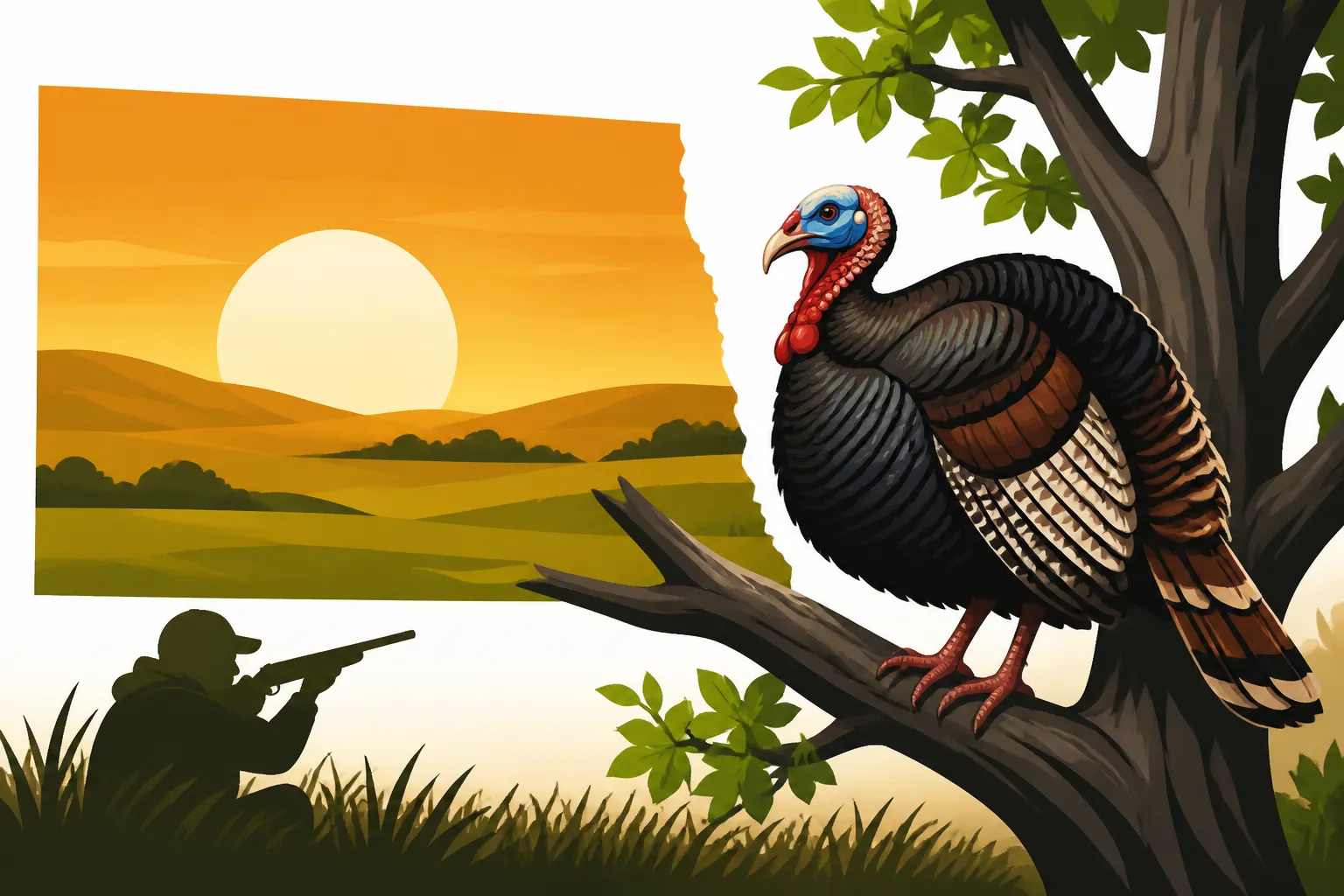
Perhaps the most iconic roost tree in North Dakota, especially along river systems, is the Cottonwood. These towering giants often grow to impressive heights, developing massive, strong horizontal limbs that can easily support multiple turkeys, even an entire flock. Their sheer size and open canopy allow birds to fly up and down with relative ease, and their height provides an excellent vantage point for spotting potential threats below. You'll frequently find them near water sources, which also aligns with turkey habits for drinking and foraging. Look for the largest, oldest cottonwoods in a stand; these are often communal roosts year after year.
Moving into areas with more mixed forests, especially in eastern North Dakota or localized pockets within the Badlands, Oak and Elm trees are also highly favored. These deciduous trees offer strong, spreading branches that create a secure and stable platform. While perhaps not reaching the sky-scraping heights of some cottonwoods, their robust structure and often denser canopies provide excellent cover. In the Badlands, specific Ponderosa Pine stands in sheltered draws or on north-facing slopes can serve as vital roosting habitat. These evergreens offer year-round thermal protection from winter winds and snow, making them particularly important during colder months. The dense needles provide excellent concealment, too.
Other deciduous trees like Ash (before widespread decline), Boxelder, and even large Green Ash are utilized, especially in younger stands or when the preferred species are unavailable. While these might not offer the same massive limbs as a mature cottonwood, a collection of these trees forming a dense canopy can still provide adequate protection and perching opportunities. It’s not uncommon to find smaller flocks or individual turkeys using these less-than-ideal but still functional roosts. The key is structural integrity and adequate height to feel safe from ground predators. When using tools like GoHunt to scout aerial imagery, you'll be looking for these distinct canopy shapes and tree sizes to zero in on potential roosting locations.
| Tree Species | Typical Location | Key Roosting Characteristics | Notes for Hunters |
|---|---|---|---|
| Cottonwood | River bottoms, creek beds | Very tall, large horizontal limbs, open canopy | Primary target, especially for large flocks. Often near water. |
| Oak (Bur, Green) | Mixed forests, eastern ND | Strong, spreading branches, good cover | Look for mature, broad-canopied individuals. |
| Elm (American) | Mixed forests, river bottoms | Strong, high branches, often clustered | Disease has reduced numbers, but still utilized where present. |
| Ponderosa Pine | Badlands draws, sheltered slopes | Evergreen thermal cover, strong branches | Important for winter roosting, provides concealment. |
| Green Ash | Shelterbelts, mixed forests | Decent height, sturdy enough for smaller flocks | Often found in linear plantings, less "ideal" but used. |
| Boxelder | Mixed forests, disturbed areas | Fast growing, moderate height, sometimes spindly | Used when better options are scarce, especially by smaller groups. |
What Makes a Roost Tree "Roost-Worthy"? Understanding Turkey Priorities
It’s truly fascinating to consider the factors that go into a wild turkey’s decision-making process when choosing a roost tree for the night. It's far more than just "that looks like a good spot." They are constantly evaluating their environment for safety, comfort, and efficiency. As hunters, understanding these priorities helps us narrow down potential roosting sites, even when we can't physically see the birds.
One of the most paramount considerations for a turkey is safety from predators. When they fly up to roost, they are at their most vulnerable. A good roost tree offers significant elevation, allowing them to survey the ground below for coyotes, bobcats, foxes, or even domestic dogs. The limbs themselves need to be sturdy enough to bear the weight of several birds without snapping, preventing a sudden, noisy fall that could attract attention. Often, turkeys prefer trees with open understories around the base, so they can clearly see any approaching threats. They might also choose a tree on the edge of a timber block rather than deep within, providing a clearer fly-up and fly-down path. This instinctive need for security is why you rarely see them roosting in short, flimsy saplings.
Protection from the elements is another critical factor, especially given North Dakota's often harsh weather conditions. Strong winds, driving rain, and especially bitter cold can be lethal. Turkeys will often seek out the leeward side of a hill or ridge, or a tree with a denser canopy that breaks the wind and offers some thermal cover. Ponderosa pines in the Badlands are particularly valuable in winter for this reason, as their evergreen needles provide year-round insulation. In colder periods, multiple birds might pack tightly onto a single branch, sharing body heat. This drive for warmth and shelter becomes even more pronounced as the season progresses into late fall and early winter, influencing their choice of roost. Hunting Into a December Cold Snap often means finding turkeys in the most sheltered, protected roosts available.
Proximity to food and water sources also plays a significant role. Turkeys are efficient animals, and they prefer not to expend unnecessary energy. If they can roost relatively close to where they've spent the day feeding – be it in harvested grain fields, oak stands dropping acorns, or prairie draws with abundant insects – and also near a reliable water source, all the better. This minimizes their travel distance and exposure to predators during the vulnerable first few minutes after flying down in the morning and the last few before flying up at dusk. They will often fly down directly into a feeding area or a travel corridor leading to one. This habit gives a savvy hunter a huge advantage in setting up a morning ambush.
Finally, flock dynamics can influence roost choice. Larger flocks might require a massive cottonwood with multiple strong limbs to accommodate everyone, whereas a lone tom or a small group of jakes might be content with a smaller, more isolated tree. Turkeys are also creatures of habit; if a particular roost site consistently offers safety and comfort, they will return to it night after night, season after season, until disturbed. This consistency is a gift to the hunter who takes the time to scout and learn their patterns.
Scouting and Strategizing: Finding Roosts and Hunting Turkeys
Finding an active turkey roost is like finding the ultimate cheat code for a successful hunt. It provides invaluable information about where turkeys spend their nights and, by extension, where they’ll be at first light. This knowledge empowers you to strategize your approach with precision, rather than blindly wandering the woods.
Pre-season scouting is your secret weapon. Before the season even opens, grab your binoculars and your mapping apps. Tools like GoHunt's satellite imagery are invaluable for identifying potential roosting areas. Look for prominent stands of mature timber, especially along river bends, in sheltered draws, or within extensive shelterbelt systems. Pinpoint the largest trees, particularly cottonwoods with those tell-tale horizontal limbs. Scouting PLOTS Land With the ND Hunt App can also help you identify publicly accessible timber blocks that might hold roosting birds. Pay attention to topography; turkeys often prefer roosting on the leeward side of a ridge for wind protection.
As the season approaches, or even during the hunt, the evening and morning hours are prime for listening for the "fly-up" and "fly-down" events. Turkeys are vocal, especially at dusk and dawn. Position yourself quietly in a likely area before sunset and listen intently. You might hear distinct "tree yelps" as they gather and communicate before flying up. Then, listen for the tell-tale rush of powerful wings beating through the air, followed by the sound of branches creaking or leaves rustling as they settle onto their nightly perch. In the morning, arrive well before first light. As dawn breaks, listen for the characteristic gobbling from the roost, followed by "fly-down cackles" and the thud of bodies hitting the ground. This audio confirmation is the most reliable way to pinpoint an active roost.
Once you’ve identified a potential roost area, look for physical signs beneath the trees. Turkeys are messy sleepers. You’ll find significant droppings, often referred to as "whitewash" (white and dark streaks), directly beneath their perches. Look for shed feathers, especially larger wing and tail feathers. The more sign you find, the more confident you can be that it's a regular roosting spot. Over time, these areas can become quite distinct, with flattened vegetation from droppings and heavily used branches.
Finally, patterning their movement is key to turning roost knowledge into a successful harvest. Once you know where they roost, observe or deduce their likely travel routes from the roost to their morning feeding areas or strut zones. Do they fly down into an open field? Do they immediately head for a specific creek bottom? Understanding these movements allows you to set up strategically for the morning hunt. You can get into position silently before they fly down, positioning yourself between the roost and their likely first stop. This is where your GoHunt marked waypoints come into play, allowing you to track observations and build a comprehensive understanding of their daily routine. Don't be afraid to Roosting a Fall Gobbler the Night Before and then move in the dark to set up. Whether you plan to Calling a Fall Gobbler Flock off the roost or intercept them on a travel corridor, knowing their roost location gives you an undeniable advantage.
Understanding North Dakota's turkey roost tree preferences is a fundamental skill for any turkey hunter. It transforms guesswork into informed strategy, significantly boosting your chances of locating these elusive birds and making the most of your time afield. Now, get out there and start scouting!
Disclaimer
This article is for general informational purposes only and does not constitute professional advice. Laws, prices and regulations vary by location and change over time. Consult a qualified professional for guidance on your specific situation.