North Dakota Burrowing Owl Habitat on the Prairie
If you've ever spent time glassing the vast, open expanses of North Dakota's prairie, you might have felt a unique draw to the subtle wonders hidden within. Many hunters and outdoor enthusiasts are captivated by the big game or flocks of waterfowl, but there's a smaller, no less fascinating creature that calls these lands home: the burrowing owl. Understanding their habitat is crucial, not just for the rare delight of observing them, but for appreciating the delicate balance of the prairie ecosystem they inhabit, which often goes unnoticed or misunderstood by those of us focused on larger quarry. This guide will walk you through what defines prime burrowing owl country in North Dakota and why these peculiar birds choose their specific spots.
The Unique Appeal of North Dakota's Prairie Owls
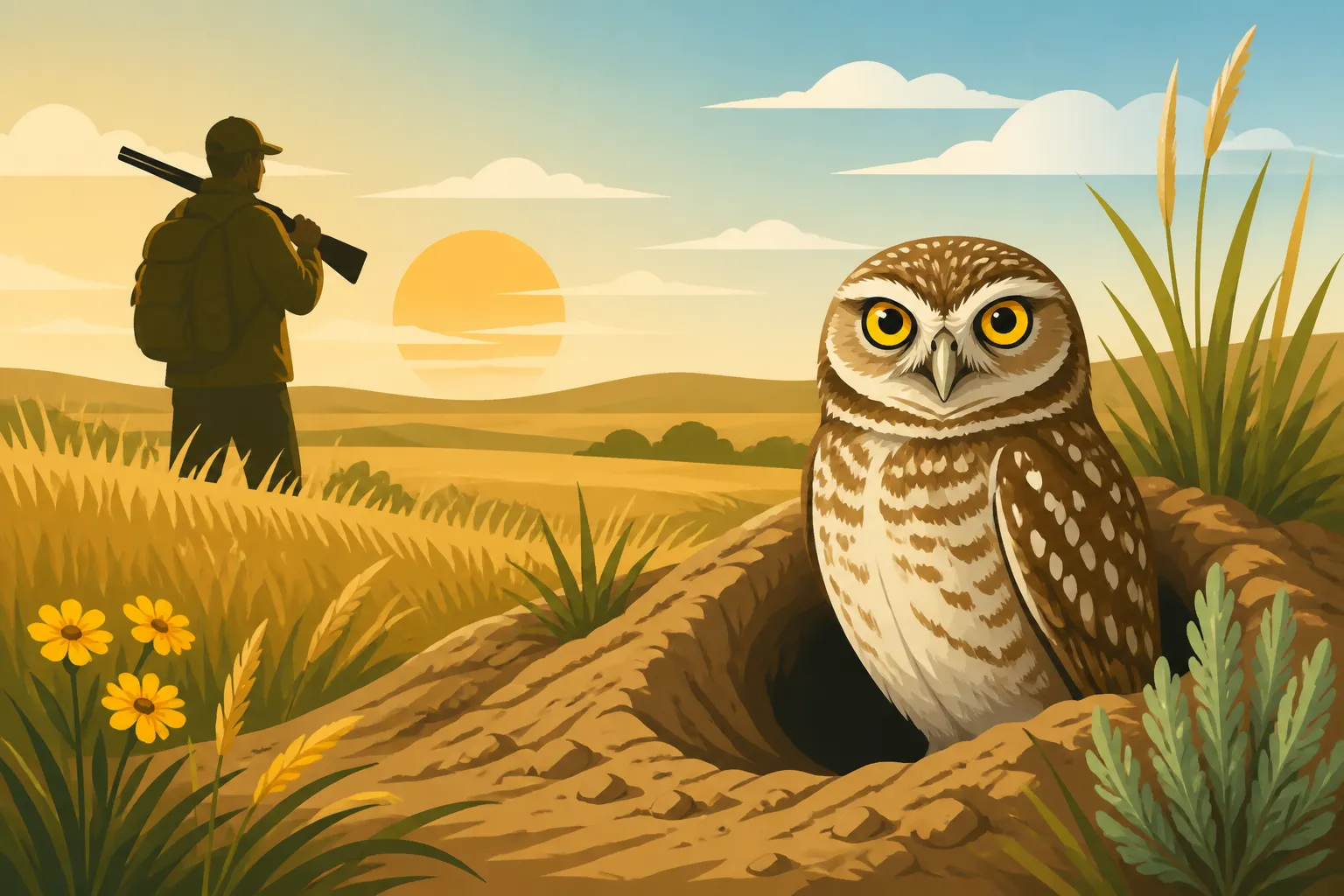
Burrowing owls are not your typical owls, and that's precisely what makes them so special. Unlike most owls that prefer dense timber and hunt under the cloak of darkness, these charismatic birds are primarily diurnal and live almost exclusively underground. Their presence is a strong indicator of a healthy, functioning prairie ecosystem, one that supports a diversity of life, from the smallest insects to the largest bison herds that once roamed these lands. When you spot one, standing sentinel atop a small mound, bobbing its head in curiosity, it's a moment that connects you deeply with the wild heart of North Dakota.
Why Burrowing Owls Are So Special and Elusive
These little owls truly march to the beat of a different drum. They're often seen during daylight hours, perched conspicuously on fence posts, rocks, or the mounds of dirt at the entrance to their subterranean homes. This diurnal behavior makes them stand out from their nocturnal relatives. However, despite being out in the open, their camouflage and small size can make them surprisingly elusive to the untrained eye, especially when they freeze or duck into their burrows at the first sign of a threat. They are also migratory, arriving in North Dakota in early spring and heading south again as the prairie winters set in, adding another layer to their seasonal presence.
Their life cycle is inextricably linked to the burrows of other animals, primarily prairie dogs, badgers, and even skunks. Instead of excavating their own nests, burrowing owls are opportunistic nesters, moving into abandoned or sometimes even active burrows. This reliance makes them a key indicator species; if the populations of their "landlord" species decline, so too do the owls. This interdependency is a beautiful, yet fragile, example of the intricate web of life on the prairie.
What Sets North Dakota's Prairie Apart for Them
North Dakota offers vast stretches of shortgrass and mixed-grass prairie, which is the preferred domain of the burrowing owl. These open environments provide excellent visibility for spotting prey, like insects, small rodents, and reptiles, as well as for detecting predators. The state's landscape, particularly in the western and central regions, maintains the expansive, treeless vistas that these owls require. It's a land shaped by wind, grazing, and the cycles of drought and abundance, all factors that play a role in creating ideal owl habitat.
The specific kind of prairie they thrive in is often characterized by shorter, sparser vegetation rather than tall, dense grasses. This allows for easier movement on the ground and better visibility. Historically, large grazing animals like bison would maintain these conditions, and today, controlled cattle grazing can mimic some of those natural processes, helping to keep the grass at a desirable height for burrowing owls. This interaction between grazing and habitat suitability is a fascinating aspect of prairie ecology.
Identifying Key Habitat Features for Burrowing Owls
Finding burrowing owls isn't just about stumbling upon them; it's about understanding and actively seeking out the specific environmental cues that signal suitable habitat. Think of it like scouting for deer: you're looking for signs, for the conditions that make an area irresistible to your target species. For burrowing owls, these signs are tied directly to the availability of burrows, the type of vegetation, and the general openness of the landscape.
The Importance of Prairie Dog Towns and Other Burrows
Without burrows, there are no burrowing owls. It's as simple as that. Prairie dog towns are the absolute jackpot for finding these owls. These bustling underground cities provide a ready-made network of homes, shelter from predators, and refuge from the elements. The sheer number of burrows in an active prairie dog town ensures that there's always an available vacancy for an owl family. If you're looking for burrowing owls, your first step should always be to locate an active prairie dog colony. North Dakota Prairie Dog Colonies and Hunting Access might give you some ideas.
Beyond prairie dogs, badgers are also incredibly important excavators. While they might dig a burrow for their own use, they often abandon them or create smaller exploratory digs that can be repurposed by owls. Even larger ground squirrels can create burrows sufficient for a single owl. The common thread here is the presence of animals that disturb the soil, creating the vital underground architecture that burrowing owls cannot or do not typically create for themselves. This reliance underscores the interconnectedness of prairie species.
Grassland Type and Structure
Burrowing owls prefer open, relatively flat grasslands with short to medium-height vegetation. They need to see predators coming from a distance and easily run or fly to their burrows. Tall, dense grass can obscure their view, hinder their ground mobility, and make hunting insects and small mammals more difficult. Imagine trying to hunt a field mouse in a jungle of foxtail; it's a similar challenge for these small hunters. Therefore, areas that have been grazed or mowed, or naturally support shorter grass species, are often preferred.
Areas with a mix of bare ground and sparse grass around burrow entrances are also critical. This "disturbed" ground often attracts insects, which serve as a primary food source, especially for young owls. Look for patches of shortgrass prairie that might seem less productive for some other wildlife but are perfect for these specialized owls. This kind of nuanced understanding is what separates a casual observer from someone who truly understands the subtle language of the prairie.
Human Impact on Habitat
The impact of human activity on burrowing owl habitat is a mixed bag. On one hand, certain agricultural practices and development can be detrimental, destroying burrows or fragmenting habitat. Pesticide use can reduce their insect prey base, and intensive farming can eliminate the open grasslands they need. On the other hand, responsible land management can actually benefit these birds. Sustainable grazing practices, for instance, can maintain the shortgrass conditions they prefer. Ranchers who tolerate prairie dog towns on portions of their land are inadvertently providing vital housing for these owls.
Conservation efforts often focus on protecting and restoring large tracts of prairie and ensuring healthy populations of burrowing mammals. When we consider the broader health of our public lands, such as Public Hunting Land in North Dakota and North Dakota Wildlife Management Areas, decisions about grazing leases, controlled burns, and development directly influence species like the burrowing owl. Organizations and resources like GoHunt can provide valuable satellite imagery and land ownership data that might help identify potential habitat areas by showing open prairie and public access points where these birds might thrive.
Where to Look for Burrowing Owl Habitat in North Dakota
North Dakota is a big state, and while burrowing owls can be found in many prairie regions, certain areas are more likely to harbor suitable habitat. Knowing where to focus your efforts can save you a lot of time and increase your chances of a successful sighting or simply appreciating the kind of country they call home. It often boils down to finding those vast, undisturbed, and often less "productive" looking landscapes that still cling to their wild nature.
Western North Dakota's Badlands and Shortgrass Prairie
The western part of North Dakota, particularly the rugged and arid Badlands region, is arguably the best place to find burrowing owls. The expansive shortgrass prairie found here, interspersed with buttes and draws, provides prime conditions. This habitat often supports robust prairie dog colonies, especially on the fringes of the Badlands and in the drier, more open tablelands. Look for them in areas like the Hunting North Dakota's Little Missouri National Grassland or on adjacent private lands with active ranching operations.
The topography here, with its rolling hills and wide-open vistas, perfectly suits the owl's need for unobstructed views to detect threats. The soil types are also generally conducive to burrowing, with fewer large rocks than in some other regions, making it easier for prairie dogs and badgers to excavate. While the focus of many hunters in this region might be on North Dakota Pronghorn Herd Size or Mule Deer in North Dakota's Badlands, keeping an eye out for these ground-dwelling owls adds another layer to the Badlands experience.
Central and Eastern Prairie Pothole Region Considerations
While the western shortgrass prairies are ideal, burrowing owls can also be found further east, within the North Dakota's Prairie Pothole Region Explained. Here, they often utilize disturbed areas, pastures, or fields where the vegetation is kept short, rather than the taller, denser grasses that dominate wetland edges. They might be found near gravel pits, along road allowances, or in pastures where cattle grazing maintains low grass cover. The availability of burrows can be a limiting factor here, as prairie dog towns are less common than in the west, but badger and fox dens can still provide suitable housing.
The key in these central and eastern areas is to look for islands of suitable habitat within a more diverse landscape. A large, open pasture with some signs of badger activity, far from busy roads, could be a spot. Hunters using The PLOTS Program Explained or looking for public access points like those found using the Scouting PLOTS Land With the ND Hunt App might find these pockets of habitat. While your primary goal might be North Dakota Waterfowl on the Prairie Pothole Flyway, it's always worth glancing at the drier upland edges for these unexpected avian residents.
Utilizing Public Land Resources
For those keen on finding burrowing owl habitat, North Dakota's extensive network of public lands and programs is an invaluable resource. The PLOTS (Private Land Open To Sportsmen) program often includes vast tracts of grassland, and while their primary purpose is hunting access, they frequently offer excellent wildlife viewing opportunities. Using mapping tools, whether a printed North Dakota Public Land Map or a digital app like GoHunt, can help you identify large, contiguous blocks of open prairie or pasture land that might hold burrowing owls.
Waterfowl Production Areas (WPAs) and State Wildlife Management Areas (WMAs) are also worth exploring. While many are centered around wetlands, they often include significant upland components that can provide suitable habitat, particularly if these areas are grazed or managed to maintain shorter grass. Always be sure to respect all regulations regarding access and activities on these public lands. By understanding the habitat requirements, you can effectively use these mapping resources to narrow down your search and spend your time in the most promising areas.
Ethical Observation and Supporting Conservation
Spotting a burrowing owl is a treat, a glimpse into the unique biodiversity of North Dakota. As with all wildlife, responsible and ethical observation is paramount. Our actions in the field can have a direct impact on these birds, especially during nesting season, and understanding how to be a good steward is crucial. Beyond just observing, there are ways that outdoor enthusiasts can contribute to the long-term health of burrowing owl populations and their prairie homes.
Best Practices for Viewing and Photography
The most important rule when observing burrowing owls is to keep your distance. These birds, while seemingly bold, are sensitive to disturbance. Approaching too closely can cause them undue stress, force them to abandon their burrows (especially if they have young), or expose them to predators. Use binoculars or a spotting scope for close-up views, and a telephoto lens for photography. If an owl changes its behavior – stops hunting, bobs its head excessively, or flies off – you're too close. Take a step back, or better yet, a hundred steps back.
Always avoid disturbing the burrows themselves. Never attempt to poke sticks, shine lights, or make loud noises near an active burrow. During nesting season, which typically runs from late spring through mid-summer, owls are particularly vulnerable. Be mindful of your presence and minimize any impact on their natural behaviors. The goal is to observe, appreciate, and leave no trace, ensuring they can continue their lives undisturbed.
The Role of Responsible Land Management
The long-term survival of burrowing owls in North Dakota hinges on responsible land management practices that protect and enhance their grassland habitat. This includes supporting ranchers who implement sustainable grazing, advocating for the conservation of prairie dog towns, and minimizing habitat fragmentation from development. Hunters, often being keen observers of the land, can play a vital role by reporting significant habitat destruction or unusual wildlife observations to the appropriate authorities.
Many of the practices that benefit game species, such as maintaining healthy grasslands and controlling invasive species, also benefit burrowing owls. When we consider the broader health of our ecosystem, from the smallest insect to the largest deer, we create a more robust environment for all. It's about looking at the big picture: healthy soil, diverse native grasses, and a thriving community of burrowing mammals all contribute to a landscape where unique species like the burrowing owl can flourish.
Getting Involved with Conservation Efforts
While you don't need to be a biologist to contribute, simply being an informed and respectful observer is a great start. Learning more about these birds and sharing your knowledge with others can help raise awareness. Supporting conservation organizations that work to protect prairie ecosystems, whether through direct donations or volunteering, also makes a tangible difference. These groups often engage in habitat restoration, research, and public education initiatives that directly benefit species like the burrowing owl.
Every time you venture onto the North Dakota prairie, whether you're hunting pheasants, scouting for deer, or simply enjoying the vastness, remember the small wonders that call it home. The burrowing owl is a testament to the resilience and unique character of this land. By understanding its needs and respecting its space, we can all help ensure that future generations will also have the opportunity to marvel at these charming, ground-dwelling guardians of the prairie.
Disclaimer
This article is for general informational purposes only and does not constitute professional advice. Laws, prices and regulations vary by location and change over time. Consult a qualified professional for guidance on your specific situation.