Where North Dakota Pheasants Are Densest
North Dakota pheasant densities in southwestern counties like Bowman and Slope, highlighting key habitats, food sources, and winter survival areas.
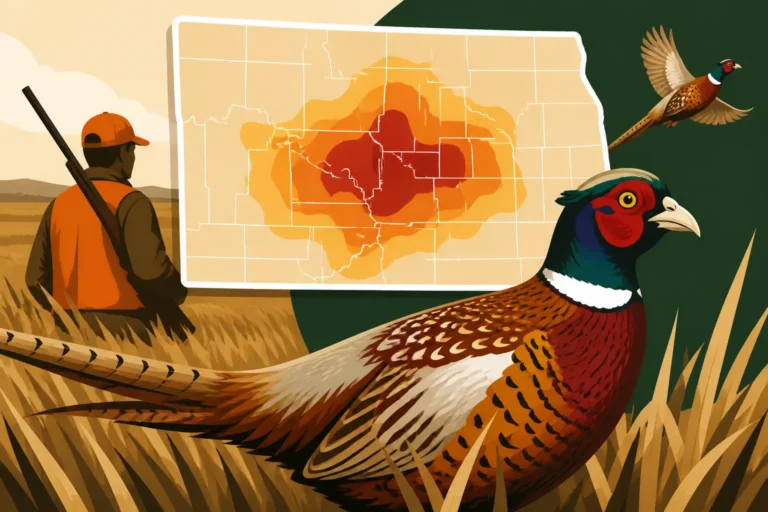
North Dakota pheasant densities in southwestern counties like Bowman and Slope, highlighting key habitats, food sources, and winter survival areas.
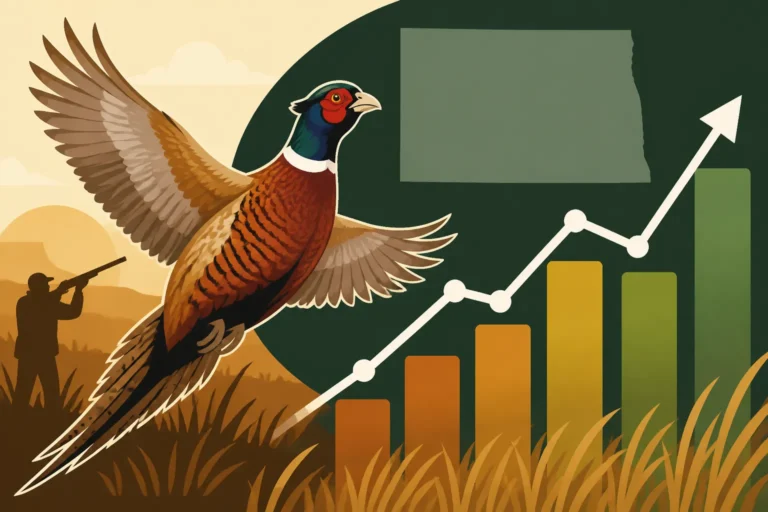
North Dakota pheasant harvest numbers and yearly statistics help hunters plan successful trips, manage expectations, and inform field strategy.
North Dakota pheasant population estimates rely on spring crowing counts and summer brood surveys conducted by wildlife biologists.
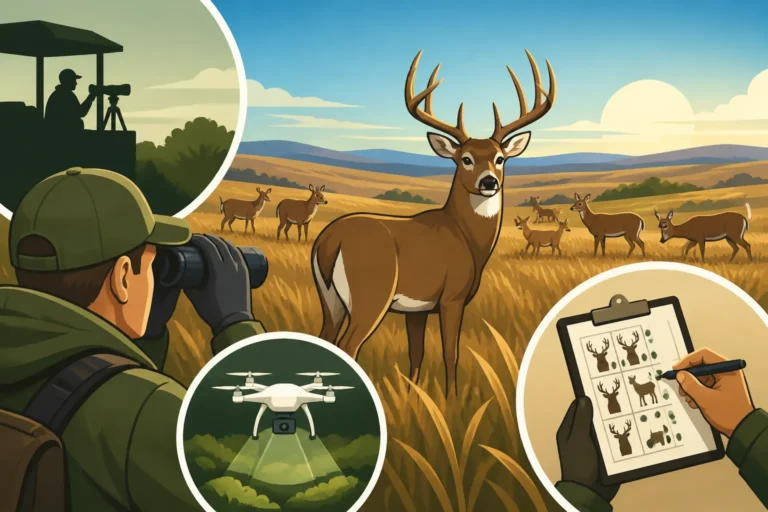
North Dakota Game and Fish aerial surveys and hunter reports estimate wild deer populations using scientific methodologies.
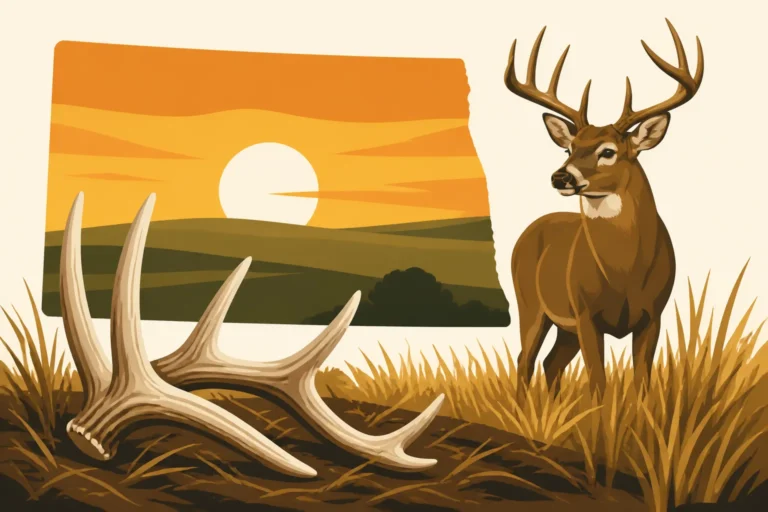
North Dakota whitetail deer shed their antlers annually from late December through February due to dropping testosterone levels.
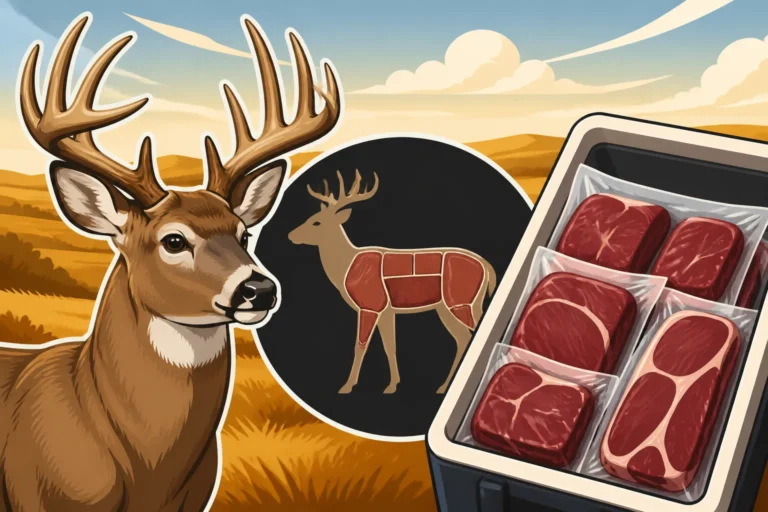
North Dakota buck meat yield depends on live weight, dressed weight reduction, animal age, body condition, and shot placement damage.
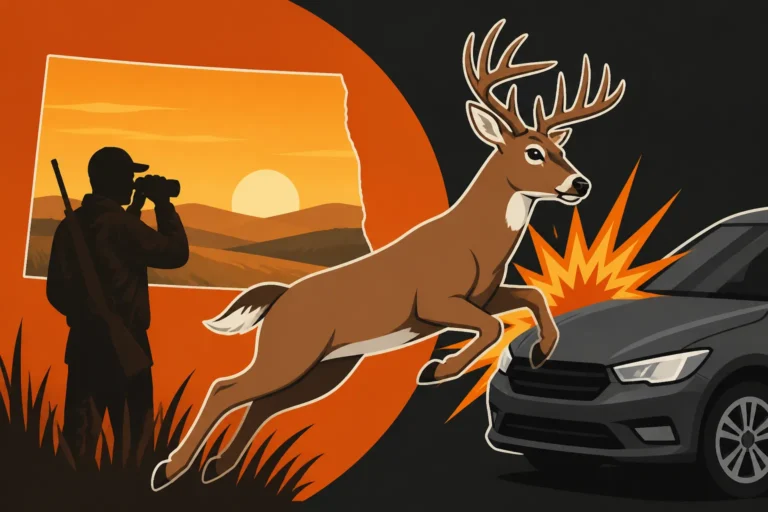
North Dakota deer vehicle collisions cause millions in damages, requiring drivers to understand seasonal risks and animal behavior.
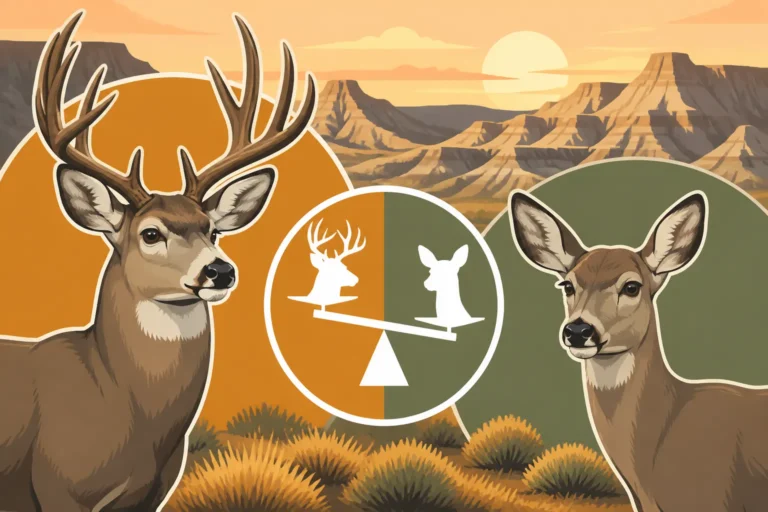
North Dakota Badlands mule deer buck-to-doe ratios of one buck for every three to five does explain herd health and hunting success.
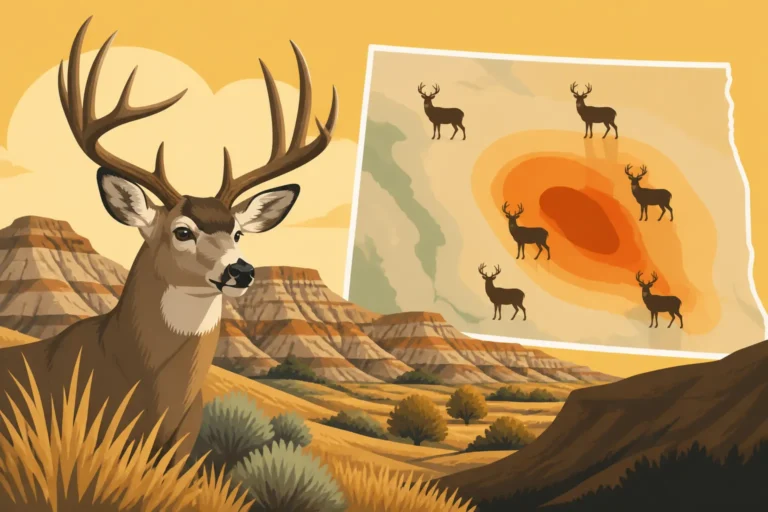
North Dakota mule deer concentration areas, seasonal movements, and habitat preferences in the rugged Badlands ecosystem.
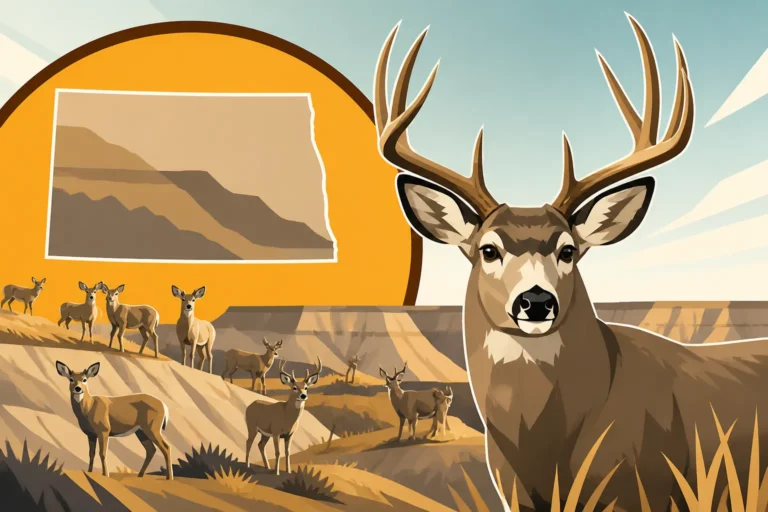
North Dakota Badlands mule deer populations are monitored using aerial surveys and ground observations to assess numbers.