Where Badlands Mule Deer Concentrate
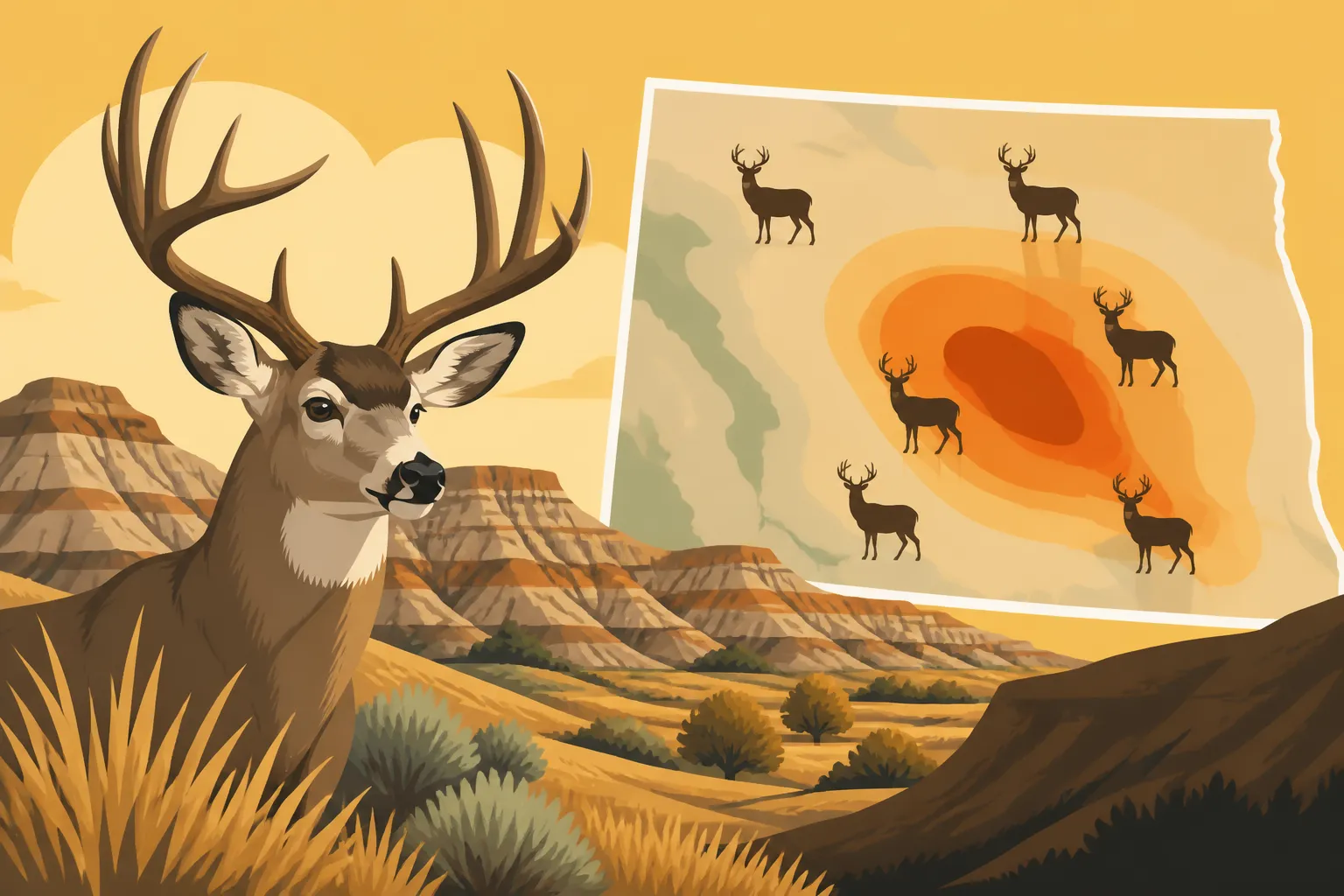
Finding mule deer in North Dakota's vast, rugged Badlands can feel like searching for a needle in a haystack, especially when you're trying to understand their unpredictable movements. It's easy to get overwhelmed by the sheer scale of the landscape and wonder where to even begin looking. This guide is designed to cut through that frustration, helping you pinpoint where these elusive animals tend to concentrate their efforts and how you can use that knowledge to your advantage.
Understanding the Badlands Ecosystem for Mule Deer
The North Dakota Badlands are an incredibly unique and challenging environment, not just for hunters, but for the wildlife that calls it home. For mule deer, this fractured landscape isn't just scenery; it's a dynamic puzzle of food, water, and shelter that dictates their very existence. Understanding how they interact with this harsh, beautiful ecosystem is the first step in figuring out where they're going to be. It's not about randomly walking around; it's about seeing the Badlands through a mule deer's eyes.
Topography and Vegetation Preferences
Mule deer are creatures of contour, and the Badlands provide contours in spades. We're talking about a labyrinth of deep, winding coulees, sharp draws, and plateaus that rise abruptly from the Little Missouri River bottom. These aren't your typical gentle hills; they're eroded, often steep, and punctuated by dramatic scoria formations that offer unique thermal cover and vantage points. Mule deer thrive in this broken country because it provides endless opportunities for escape cover and enables them to utilize elevation changes to their advantage. They might bed high to watch for danger, then drop into a deep draw to feed undetected.
The vegetation here is equally critical. While you might see open, windswept grasslands on the ridgetops, the draws and north-facing slopes often hold a dense mix of juniper, sagebrush, and various deciduous shrubs. Juniper, in particular, is a mule deer magnet. It offers year-round thermal cover, protecting them from scorching summer sun and brutal winter winds, and also provides crucial browse when other forage is scarce. Pockets of aspen, chokecherry, and buffaloberry also offer both food and visual obstruction, making these microclimates prime spots for deer to concentrate. The mosaic of open prairie, brushy draws, and rocky outcroppings creates perfect hideouts.
Water Sources and Their Influence
In an arid environment like the Badlands, water is life, and that holds especially true for mule deer. While they can derive a significant amount of moisture from the plants they eat, readily available water sources act as crucial attractants and focal points for deer activity. You'll find scattered spring-fed seeps, especially in the bottom of deeper coulees, that provide consistent hydration. These often create lush pockets of vegetation that draw deer in, even during dry spells.
Additionally, many ranching operations in the Badlands have established stock ponds or dugouts across the landscape. These artificial water sources, while man-made, become vital oases for all wildlife, including mule deer. They provide reliable water, especially during hot summer months, and can concentrate deer movement in unexpected areas. Knowing the location of these ponds, even small, seemingly insignificant ones, can give you a significant advantage. The Little Missouri River itself, winding its way through the Badlands, acts as a major artery, drawing deer to its banks for water, forage, and thick cover along its wooded corridor.
Seasonal Movements and Habitat Use
Mule deer aren't static; their use of the Badlands landscape shifts dramatically with the seasons, driven by changes in food availability, weather, and breeding cycles. In spring, as new growth emerges, deer spread out, often frequenting the greening slopes and meadows where fresh forbs are abundant. They might still use the draws for cover, but their feeding patterns are more dispersed. As summer progresses and temperatures rise, they'll seek out the cooler, shadier north-facing slopes and the dense juniper breaks, often bedding down for longer periods during the day to conserve energy. Access to water becomes paramount during these hotter months.
Fall sees a major change as deer begin to bulk up for winter, and then the rut kicks in. Bucks become much more mobile, traversing larger areas in search of does, often using ridgetops and the edges of plateaus as travel corridors. This is when you might find them in areas you wouldn't expect. Winter, however, is the ultimate test. As snow blankets the landscape and temperatures plummet, mule deer concentrate in sheltered draws and river bottoms, especially areas with ample juniper and browse. These areas provide both thermal cover and crucial food sources that are still accessible. Understanding these seasonal shifts is vital for knowing Where Badlands Bucks Bed at different times of the year.
Key Concentration Areas within the Badlands
While mule deer are found throughout the Badlands, certain geographical features and habitat types consistently draw them in and hold higher concentrations. These are the places that, as hunters, we really want to focus our scouting efforts on. It's about recognizing those patterns in the landscape that just scream "mule deer."
The Little Missouri River Breaks
The Little Missouri River is truly the lifeblood of the Badlands, carving out the most dramatic and diverse habitat in the region. The breaks along this river are absolutely prime mule deer country. We're talking about hundreds of feet of elevation change from the river bottom to the plateau tops, creating a rugged patchwork of deep, timbered canyons, sheer clay banks, and brush-choked draws. The river bottom itself often holds cottonwood galleries, providing crucial shade and browse, especially during the colder months when deer seek refuge from the exposed uplands.
Mule deer utilize these breaks for everything. They'll bed high on a bench overlooking the river, offering a commanding view of their surroundings, then drop down into the draws to feed on juniper, sagebrush, and various shrubs. These breaks also serve as natural travel corridors, allowing deer to move largely undetected through the landscape. The sheer ruggedness of the terrain makes it a formidable place for humans to traverse, which in turn offers a layer of security for the deer, allowing them to concentrate without as much pressure. It's a challenging hunt, but the rewards in these areas can be significant.
National Grasslands and Wilderness Study Areas
A significant portion of the North Dakota Badlands falls within the Little Missouri National Grassland, offering vast tracts of public hunting access. These areas are vital for mule deer, providing expansive habitat free from permanent human development. Within the National Grasslands, you'll also find Wilderness Study Areas, which are even more remote and offer an incredible back-country experience. These are places where you can truly get away from it all, and the deer often respond by being less wary.
Mule deer in these public lands often utilize the same types of terrain discussed earlier – the draws, coulees, and juniper thickets. However, due to the sheer scale and often lighter hunting pressure in the deepest recesses, they might behave a bit differently, perhaps being more visible during daylight hours. This is where good mapping tools are absolutely invaluable. Using satellite imagery on platforms like GoHunt can help you identify these remote draws, hidden pockets of juniper, and isolated water sources that might hold deer away from typical access points. Spending time pouring over these maps to identify features like Reading Aerial Photos for Badlands Deer can save you countless miles of walking.
Private Land Pockets and Agricultural Edges
While much of the Badlands is public, there are significant parcels of private land interspersed throughout, often including working ranches. These private pockets, particularly those with hayfields, croplands, or even just managed pastures, can be major drawcards for mule deer. Especially as fall turns to winter, or during periods of intense hunting pressure on public ground, deer will often seek out the more reliable forage found on private agricultural lands. A hayfield bordering a deep coulee system, for instance, offers a perfect combination of food and security.
Gaining access to these private lands requires respect and a good relationship with landowners, but it can be incredibly rewarding. Often, mule deer will stage in the timbered draws or juniper breaks on public land during daylight hours, then move out onto private fields to feed under the cover of darkness. Understanding these transition zones and where deer might move back and forth can be key to intercepting them. Even if you don't hunt the private land directly, knowing where it is and how deer use it can inform your strategies on adjacent public parcels.
Scouting Strategies for Locating Mule Deer Hotspots
You can't just show up to the Badlands and expect mule deer to greet you. This vast, complex terrain demands diligent scouting, both from afar and with boots on the ground. Effective scouting is about putting together a puzzle, combining broad landscape understanding with specific, detailed observations. It's an ongoing process that starts long before the season opener.
Topographic Map and Aerial Photo Analysis
Before you even step foot in the Badlands, your most powerful scouting tools are often your computer and a good mapping application. A detailed topographic map reveals elevation changes, drainages, and potential travel corridors. Look for the deepest, most intricate coulee systems, especially those that have north-facing slopes with ample juniper. Identify pinch points, saddles, and benches that might serve as natural funnels or bedding areas. A good mapping tool, like the one offered by GoHunt, can be invaluable for this, allowing you to layer different maps and mark points of interest.
Aerial photos, particularly high-resolution satellite imagery, complement topo maps by showing you the actual vegetation and ground cover. You can spot dense juniper patches, isolated stands of trees, and even subtle game trails if the resolution is good enough. Look for changes in vegetation color that might indicate different plant species, or areas of heavy cover that contrast with open grasslands. Identify potential water sources like stock ponds or wet areas in drainages. By doing this homework, you can narrow down vast areas to a few square miles of high-probability mule deer habitat, saving yourself a tremendous amount of walking time. Understanding How Many Mule Deer Live in the Badlands is good, but knowing where they live is better.
Boots-on-the-Ground Reconnaissance
As valuable as digital scouting is, there's no substitute for getting your boots dirty. Physically walking the terrain allows you to confirm what you saw on maps and discover details that satellite imagery can't convey. Focus on accessing those promising coulees, draws, and ridgetops you identified from above. Look for fresh sign: tracks, scat, rubs on trees or shrubs, and most importantly, bedding areas. Mule deer beds are often scooped-out depressions, typically found on north-facing slopes or in thick cover, providing a clear view downwind.
Pay close attention to subtle features like natural springs, mineral licks, and trails leading to or from water sources. Notice how deer use the terrain for security; where do they likely move when pressured? Where do they cross drainages? This ground-level intelligence helps you understand the nuances of their daily routines. It's often during these long, silent walks that you find that one perfect stand location or identify a major travel route you never would have seen from the air. This type of scouting is crucial for any successful Badlands hunt.
Glassing Techniques for Vast Landscapes
The Badlands are a glasser's paradise, but it requires patience and the right equipment. Forget just glancing around; successful glassing means methodical, slow, and thorough scanning. Invest in quality binoculars (10x is a good all-around choice, but 12x or 15x can be even better in open country) and a spotting scope for long-range identification. Pick a high vantage point that allows you to see into multiple draws, coulees, and across vast stretches of sagebrush flats.
Once you're set up, divide the landscape into grids and systematically scan each section, moving slowly inch by inch. Look for anything that seems out of place: a horizontal line in a vertical world, an ear twitch, a patch of hide. Pay close attention to shaded areas, the edges of juniper thickets, and the bottoms of draws, as these are common bedding areas during daylight hours. Early morning and late evening are prime times for glassing when deer are often most active. Master this skill, and you'll dramatically increase your chances of spotting a mule deer before it spots you, especially when Glassing Badlands Coulees for Elk (the techniques transfer perfectly to deer).
Behavioral Patterns and When to Find Them
Mule deer aren't just random wanderers; they exhibit predictable behavioral patterns dictated by their need for food, safety, and reproduction. Understanding these patterns, and how they relate to the Badlands environment, is crucial for timing your hunt and positioning yourself in the right place at the right time. It's about thinking like a deer.
Bedding Habits and Security Cover
Mule deer are masters of utilizing terrain for security, and their bedding habits are a testament to this. Typically, you'll find them bedded on north-facing slopes, especially in the heat of the day, as these slopes receive less direct sunlight and retain more moisture, leading to thicker vegetation. They prefer areas with dense juniper or other shrubs that offer excellent visual cover, allowing them to disappear into the landscape while still having a good vantage point. A common scenario is a deer bedding just below the crest of a ridge, able to watch downwind and observe the landscape below without being silhouetted against the skyline.
When threatened, a bedded mule deer will often hold tight, relying on its camouflage, before bursting out of cover and utilizing the broken terrain to make a quick escape. They tend to bed down for significant portions of the day, especially older bucks, making mid-day hunts challenging but not impossible if you know their preferred hiding spots. Look for clusters of beds, indicating areas that deer feel secure in. Pay attention to Where Badlands Bucks Bed, as their choices are strategic, aimed at maximizing safety.
Feeding Routines and Forage Selection
Mule deer are primarily browsers, meaning they prefer to eat leaves, twigs, and shoots from woody plants, though they will readily consume forbs (broad-leafed plants) and some grasses, especially when they are green and succulent. In the Badlands, their diet is diverse, including significant amounts of juniper, sagebrush, serviceberry, chokecherry, and buffaloberry. They are crepuscular, meaning most active during dawn and dusk, when they emerge from their bedding areas to feed.
During these prime feeding hours, you'll often find them working their way along the edges of coulees, through draws rich in browse, or sometimes out into more open patches of prairie where specific forbs might be growing. Their movements during feeding are usually deliberate but can cover a surprising amount of ground as they clip preferred plants. Understanding their forage preferences for a given season or area, combined with knowledge of where those plants grow, helps you predict their feeding routes.
The Rut and Its Impact on Concentration
The rut, or breeding season, is a game-changer for mule deer concentration and behavior. Typically peaking in mid-November in North Dakota, the rut sees mule deer bucks become incredibly active, covering vast distances in search of receptive does. This intense period of activity often means bucks that are usually solitary and secretive become much more visible, often concentrating in areas where does are abundant.
During the rut, you might find multiple bucks trailing a single doe or group of does, leading to temporary but significant concentrations of deer in particular areas. Bucks will travel through more open country than usual, their focus on breeding overriding some of their natural caution. Areas with a healthy doe population, regardless of how much "buck cover" they typically offer, can become hotspots during this time. Understanding The North Dakota Rut Peaks is critical for planning a hunt around this exciting time, as it can dramatically increase your chances of encountering a mature buck.
| Habitat Feature | Mule Deer Appeal | Why Deer Concentrate Here | Best Time to Hunt This Feature |
|---|---|---|---|
| Deep Coulees & Draws | Offers thermal and visual cover, abundant browse (juniper, sagebrush). Natural travel corridors. | Protection from elements and predators, reliable food source, concealed movement. | Early morning/late evening (feeding), mid-day (bedding), any season. |
| North-Facing Slopes | Cooler temperatures, holds more moisture, denser vegetation. | Ideal bedding areas for shade in summer, thermal cover in winter. | Mid-day (bedding), when deer seek relief from sun/wind. |
| Juniper Thickets | Dense cover for bedding and concealment, crucial winter browse, thermal protection. | Primary security and food source, especially in harsh weather. | Anytime, especially during winter or hot summer days. |
| Water Sources | Essential for hydration. Often creates lush pockets of vegetation. | Attracts deer daily for water, particularly in dry conditions. | Early morning/late evening (drink/feed), during droughts. |
| River Bottoms | Thick timber (cottonwoods), diverse browse, often sheltered, water access. | Excellent winter range, escape cover, consistent food and water. | Winter (thermal cover/food), anytime (heavy cover). |
| Ridgetops & Plateaus | Travel corridors during the rut, vantage points. | Bucks covering ground during rut, does moving between feeding/bedding. Often good for glassing into coulees. | Rut (travel), early morning/late evening (staging), for Wind and Thermals in Badlands Terrain |
| Agricultural Edges | Reliable food source (hay, crops), especially as natural forage depletes. | Deer seek easy calories, often moving from secure cover to feed. | Late evening/early morning (feeding), especially post-harvest. |
Finding mule deer in the rugged Badlands is definitely a challenge, but it's one of the most rewarding hunts you can experience. By understanding their preferred habitat, focusing on key concentration areas like the Little Missouri River breaks and the vast National Grasslands, and employing effective scouting techniques, you can dramatically improve your odds. Remember, it's about patience, persistence, and learning to read the land through a deer's eyes.
Disclaimer
This article is for general informational purposes only and does not constitute professional advice. Laws, prices and regulations vary by location and change over time. Consult a qualified professional for guidance on your specific situation.