North Dakota Deer Vehicle Collisions
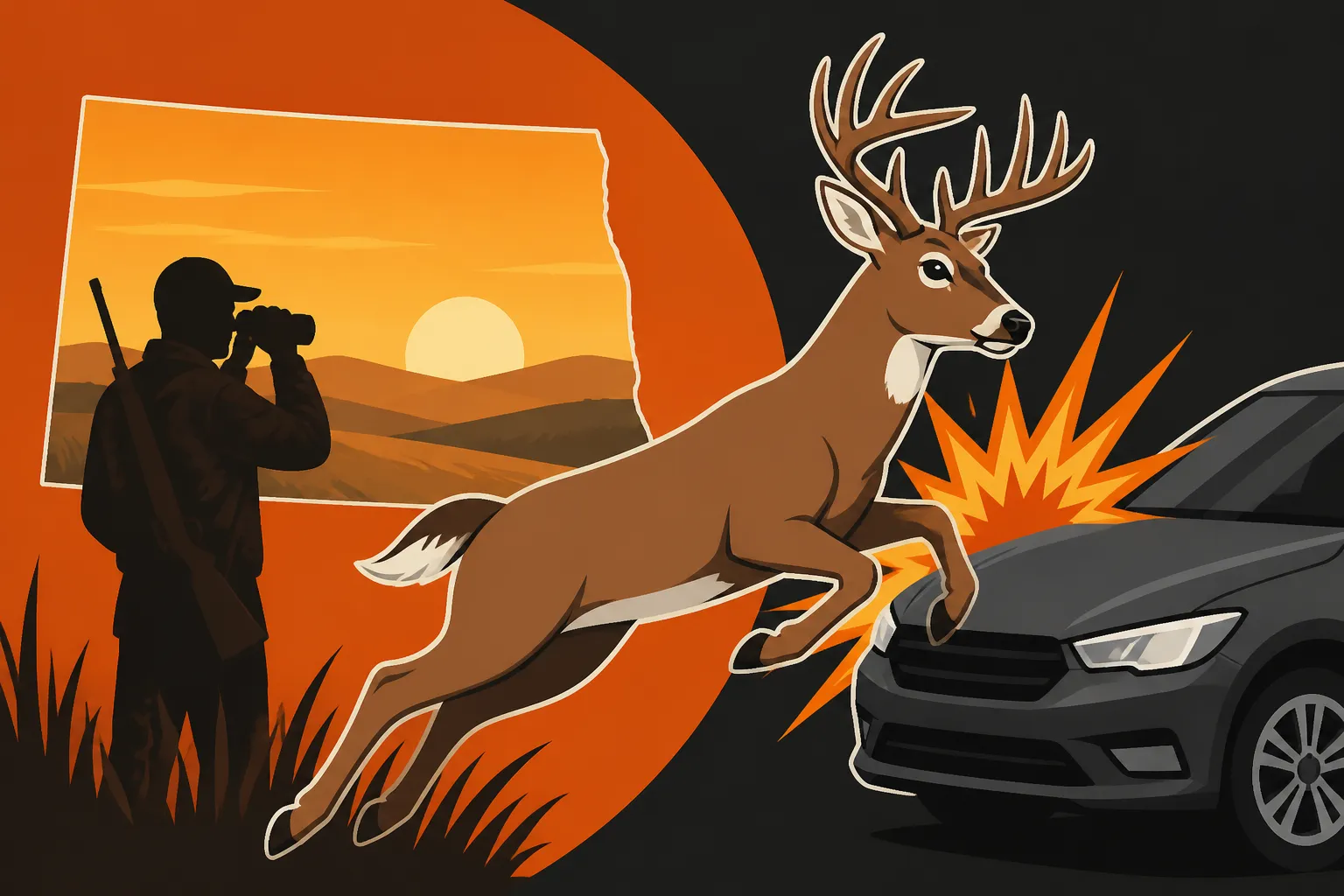
There’s nothing quite like the open roads of North Dakota, stretching out under a vast sky, but for many drivers, those very roads hold a hidden anxiety: the sudden appearance of a deer. Deer vehicle collisions are a real and often devastating concern across our beautiful state, causing millions in damages and, tragically, sometimes leading to serious injuries. This comprehensive guide is here to help you understand why these incidents happen, how you can proactively reduce your risk, and what critical steps to take if you find yourself in such an unfortunate situation.
The Unseen Threat: Why North Dakota's Roads See So Many Deer Collisions
It often feels like they come out of nowhere, doesn't it? One moment you're cruising along, the next, a deer is in your headlights. This isn't just bad luck; it's a complex interaction of wildlife behavior, habitat, and human infrastructure, all amplified by the unique landscape of North Dakota.
Understanding Deer Behavior and Habitat in the Flickertail State
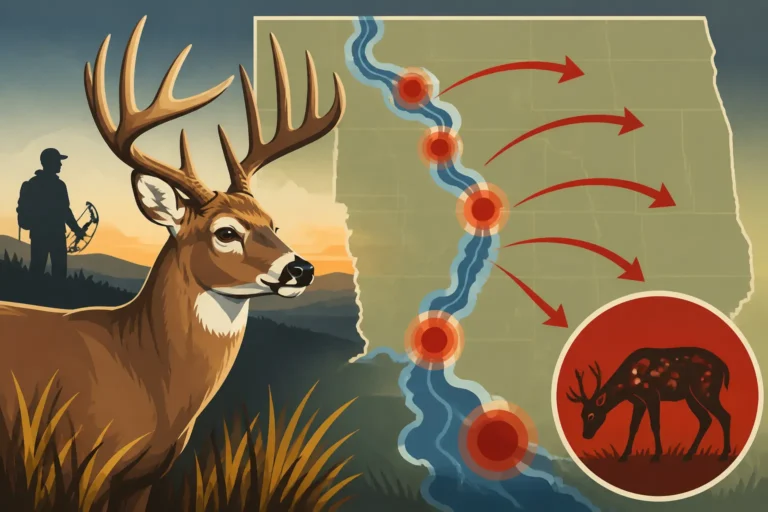
North Dakota is prime deer country, with robust populations thriving across a diverse array of habitats. Our whitetails, especially, are masters of adapting to various landscapes, from the Missouri River bottoms and its tributaries to the scattered shelterbelts and slough edges dotting the prairie. Even the agricultural fields, with their abundant food sources, draw deer closer to roads and human activity. These animals are creatures of habit, often using the same travel corridors for generations, moving between bedding areas, water sources, and feeding grounds. Unfortunately, many of these ancient pathways now intersect directly with our modern roadways.
When you're driving through a river valley, like those along the Missouri, you're traversing a natural funnel where deer movement is concentrated. Similarly, driving along the edge of a vast prairie wetland or past a block of undisturbed timber in the Turtle Mountains means you're bordering areas where deer feel safe and find sustenance. It's in these transition zones, where their natural world meets our paved one, that the risk of collision skyrockets. Understanding the White-Tailed Deer Across North Dakota and their typical haunts is the first step in driving more defensively. While our state's North Dakota Deer Population Estimate can fluctuate, the reality is, there are always plenty of deer out there, and they're always on the move.
Seasonal Risks and Peak Collision Times
Deer don't just wander aimlessly; their movements are dictated by seasons, food availability, and the instinct to breed. Knowing these patterns can significantly help you anticipate where and when you're most likely to encounter them. The fall, particularly from mid-October through November, is hands down the riskiest time of year. This is when the whitetail rut kicks into high gear. Bucks, driven by the urge to breed, are far less cautious, covering more ground and often crossing roads without hesitation as they pursue does. Does, in turn, are also moving more, trying to avoid persistent bucks or simply following their own reproductive instincts.
Beyond the frantic energy of the rut, other seasonal factors come into play. In late spring and early summer, young deer, especially yearlings, are often dispersed from their mothers, venturing into new territories and sometimes crossing roads in unfamiliar areas. Winter can also see increased activity around roadsides where snow plowing may expose vegetation or where hay bales and other stored feeds offer a tempting meal, drawing deer closer to traffic. And regardless of the season, dusk and dawn are universally acknowledged as the most dangerous times, as deer are naturally most active during these low-light periods. Their camouflage blends perfectly with the fading light, making them incredibly difficult to spot until it's too late.
Here's a quick look at peak collision risks:
| Time of Day | Peak Season | Deer Behavior | Visibility Challenges |
|---|---|---|---|
| Dusk (5 PM-9 PM) | Fall (Oct-Nov) | Rutting activity, active foraging, travel to/from bedding areas | Low light, sun glare, deer camouflage blends |
| Dawn (5 AM-9 AM) | Fall (Oct-Nov) | Active foraging, travel to/from bedding areas, deer returning to cover | Low light, fog, sun glare, deer often crossing into shadows |
| Night (9 PM-5 AM) | All Year | Less frequent, but deer can be startled by headlights, less human activity | Darkness, limited visibility, deer "freezing" in headlights |
| Midday (9 AM-5 PM) | All Year | Lowest risk, but deer still move, especially if pressured or disturbed | Better visibility, but sudden appearances still possible |
Understanding When the North Dakota Rut Peaks is particularly crucial for drivers, as this period accounts for a disproportionate number of deer-related incidents. The sheer number of deer in the state, represented by the North Dakota Deer Herd Size, means that encounters are a statistical reality, especially during these high-risk periods.
Navigating the Danger Zones: Proactive Strategies to Avoid Deer
Knowing when and where deer are most active is vital, but what truly makes a difference is how you drive and prepare. It’s easy to say "drive carefully," but what does that really mean when you're facing a sudden, instinct-driven animal?
Defensive Driving Techniques and Awareness
The best defense against a deer collision is constant vigilance and knowing how to react. Start by slowing down, especially in areas known for deer activity or during peak hours like dawn and dusk. The faster you're going, the less time you have to react, and the greater the force of impact. Beyond just reducing speed, actively scan the roadsides, ditches, and even farther into the fields and timber. Deer rarely cross roads individually; if you see one, assume there are more nearby. They might be waiting on the shoulder or trailing just behind the first one you spot.
Using your high beams whenever possible and safe is another critical technique. The increased light helps illuminate the reflective eyes of deer far sooner than you'd spot their bodies. When you see those glowing eyes, dip your lights to low beams if there's oncoming traffic, as the sudden change can sometimes cause a "freeze" reaction in the deer, giving you a precious second or two. You're trying to gain every possible advantage against an unpredictable opponent. Tools like GoHunt can provide insights into game movements, showing you common corridors or features where deer frequently travel, which can inform your awareness even when you’re just driving. Knowing where deer prefer to move, perhaps by observing Reading North Dakota Mud for Fresh Deer Movement or understanding how they use a Hunting a Shelterbelt Edge for Deer, can translate directly into safer driving.
Vehicle Safety Features and Their Limitations
Modern vehicles come equipped with a host of safety features, and while some are truly helpful, it's important to understand their limitations when it comes to wildlife. Features like automatic emergency braking or animal detection systems are becoming more common, but they aren't foolproof. They rely on sensors and cameras that can be obscured by dirt, snow, or fog, and they might not always register a fast-moving, smaller animal like a deer in time. Never rely solely on technology to save you; your attentiveness behind the wheel remains the most powerful safety feature.
As for deer whistles, those small devices you attach to your car's bumper, their effectiveness is widely debated. Many studies have shown them to be largely ineffective at deterring deer. Deer, being wild animals, often don't react predictably to such sounds, or they simply don't hear them over road noise. While they might give some drivers a sense of security, it's a false one if it leads to less vigilant driving. Prioritize proven defensive driving tactics over unverified gadgets.
When the Unthinkable Happens: What to Do After a Deer Collision
No one wants to deal with the aftermath of a collision, but knowing the drill helps you stay calm and handle the situation effectively if it ever occurs. Preparation is key, even for the worst-case scenario.
Immediate Steps for Safety and Reporting
If you hit a deer, your immediate safety and the safety of others on the road are paramount. First, try to safely pull your vehicle over to the side of the road, out of the flow of traffic. Engage your hazard lights. If you can, exit your vehicle cautiously, staying alert for other traffic and checking on any passengers. Do not approach the deer, even if it appears to be injured and suffering. A wounded deer can be incredibly dangerous and unpredictable. Your first call should always be to law enforcement. In North Dakota, you should contact the county sheriff or local police department. They will assess the scene, document the incident, and handle the deer if it's still in the roadway.
Reporting the incident is not just about getting an insurance claim; it's also important for state wildlife management. The North Dakota Game and Fish Department tracks these incidents to better understand deer populations and movement patterns. While there's no mandatory North Dakota Deer Reporting Requirements for collisions outside of an insurance claim or law enforcement report, providing accurate details helps paint a clearer picture of herd health and areas of concern. Remember, leaving the scene of an accident without reporting it can have legal consequences, even if it's "just" an animal.
Insurance Claims and Carcass Management
Once law enforcement has secured the scene, your next step is to document everything for your insurance company. Take plenty of photos: pictures of the deer (if safe to do so), the damage to your vehicle from multiple angles, the road conditions, and any other relevant details. This visual evidence will be crucial when you file your claim. Most deer collisions are covered under the comprehensive portion of your auto insurance policy, not the collision portion, so understand the difference and your deductibles.
Regarding the deer carcass, North Dakota generally allows drivers involved in a collision to keep the deer, but there are specific rules you must follow. You need to obtain a tag from a law enforcement officer or the Game and Fish Department. You cannot just load the deer into your truck and drive off. This tag is crucial for legal possession and ensures proper data collection. Always confirm the current procedure with the responding officer or by calling the North Dakota Game and Fish Department directly. They’ll be able to tell you exactly how to secure the necessary documentation. If you do keep the deer, make sure you know how to handle it properly, especially if it’s cold out, which can impact Field Dressing a Deer in Cold Weather and Butchering a Deer at Camp for consumption.
Beyond the Driver's Seat: Community and Wildlife Management Solutions
Deer vehicle collisions are not just an individual driver's problem; they represent a broader challenge that involves wildlife management, community efforts, and infrastructure planning. It's a testament to our state's rich wildlife, but also a call to action for smarter coexistence.
The Role of Population Management and Hunter Contributions
One of the most effective, albeit often misunderstood, methods of mitigating deer collisions is through responsible deer population management. Hunting seasons play a critical role in maintaining healthy deer herds and keeping their numbers in balance with available habitat. When deer populations become overabundant in certain areas, the likelihood of deer-vehicle incidents naturally increases. By issuing a specific number of deer licenses each year, the North Dakota Game and Fish Department aims to manage herd sizes, thereby reducing the overall risk.
Hunters, through their participation in seasons like North Dakota's Lottery-Based Deer Gun Season or Bowhunting North Dakota's Long Archery Season, contribute significantly to this management strategy. Every deer harvested is a data point that helps wildlife biologists understand population trends, herd health, and distribution. When hunters report their harvest, they're providing vital information that informs future license allocations and management decisions. GoHunt, with its extensive data and mapping features, can even help hunters understand localized deer densities and movement patterns, further enhancing responsible harvest strategies that benefit both the deer herd and public safety. By tracking the How Many Deer Licenses North Dakota Issued in 2026 and analyzing the Reading a North Dakota Harvest Report, wildlife agencies make informed decisions that impact all of us on the road.
Infrastructure and Public Awareness Campaigns
Long-term solutions for reducing deer collisions also involve strategic infrastructure planning. This includes better-designed road signage, especially in high-risk areas, to alert drivers to potential deer crossings. In some parts of the country, and even in specific high-traffic corridors in North Dakota, wildlife fencing along highways or even dedicated wildlife overpasses and underpasses have been implemented. These structures provide safe passage for animals, guiding them over or under busy roads and drastically reducing collisions. While costly, these solutions are incredibly effective where they are implemented.
Public awareness campaigns are another crucial piece of the puzzle. Educating drivers about peak collision times, deer behavior, and defensive driving techniques empowers individuals to make safer choices. This isn't just about avoiding a financial headache; it's about protecting lives. It's a community-wide effort to appreciate our abundant wildlife while striving to keep both humans and animals safe on North Dakota's roads.
Disclaimer
This article is for general informational purposes only and does not constitute professional advice. Laws, prices and regulations vary by location and change over time. Consult a qualified professional for guidance on your specific situation.