Questions to Ask Before Booking an Outfitter
Booking a guided hunt in North Dakota can feel like navigating a maze, especially if you're new to the area or trying a different species. You've heard stories, good and bad, and the last thing you want is to invest your hard-earned money and precious vacation time into an experience that falls short because you didn't ask the right questions upfront. This guide is here to equip you with the essential inquiries, ensuring you find a reputable North Dakota outfitter who can deliver the hunting adventure you're dreaming of.
Understanding What's Included (and What's Not)
One of the biggest frustrations hunters face is realizing, mid-trip, that crucial elements they assumed were part of their "all-inclusive" package are actually extra costs. It's like checking into a hotel and discovering the bed costs extra. Being explicit about inclusions can save you headaches and unexpected expenses later.
Clarifying Hunt Package Inclusions
When an outfitter talks about a "package," it can mean a lot of different things. It’s absolutely vital to get a detailed breakdown of what’s covered. Does the package include all your meals, or just breakfast and dinner? Is lodging a private room, a shared cabin, or a bunkhouse with multiple groups? These details impact your comfort and overall experience significantly. For instance, if you're picturing a cozy cabin to yourself but end up in a shared bunk with unfamiliar faces after a long day chasing pheasants, it can definitely dampen the mood.
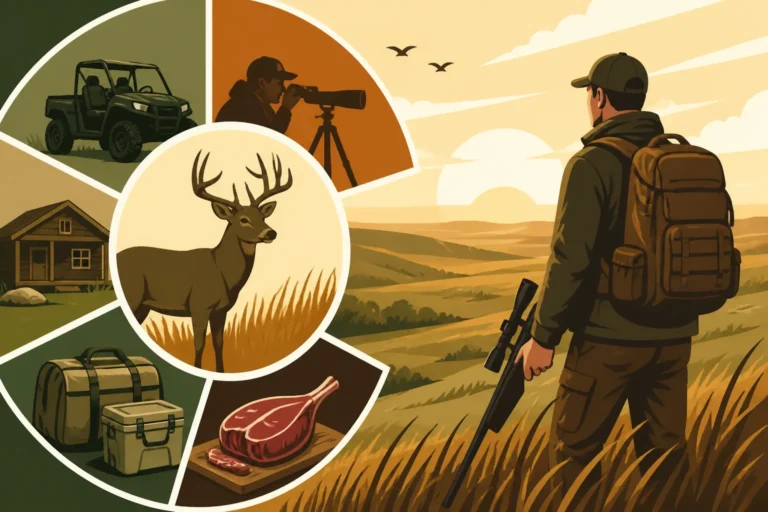
Transportation is another big one. Do they pick you up from a local airport, or is that on you? Once you're at the lodge, how do you get to the hunting grounds each day? Will the guide be driving you in their vehicle, or do you need your own ATV or truck? Even details like field dressing your animal, initial caping for taxidermy, or transport to a local meat processor or taxidermist should be discussed. Many outfits offer varying levels of service, so asking directly, "What does 'all-inclusive' specifically mean for this hunt?" is not just a good idea, it's a necessity. Don't be shy about asking for a written list of exactly what's covered.
Guide-to-Hunter Ratios and Services
The quality of your hunt often hinges on the guide. How many guides will be dedicated to your group, or to you individually? A 1:1 guide-to-hunter ratio offers a very different experience than a 1:4 ratio, especially for species that require a lot of active guidance, like elk. For a physically demanding hunt like Spot-and-Stalk Elk in the Little Missouri Badlands, having a dedicated guide focused solely on your stalk can make all the difference. Conversely, for a pheasant hunt where dogs do a lot of the work, a single guide might handle a larger group just fine.
Beyond the ratio, inquire about the guide's specific role. Will they be actively calling for turkeys, spotting deer, setting decoys for waterfowl, or just pointing you in the right direction? Are they equipped to help with tracking a wounded animal, or do you need to handle that yourself? Understanding these responsibilities ensures your expectations align with what the guide is prepared to provide. It also helps you gauge how much hands-on assistance you’ll get versus how much you're expected to do yourself.
Equipment and Gear Provided or Required
Hunting often involves specialized gear, and it's important to know what you need to bring versus what the outfitter provides. For waterfowl hunts, will the outfitter supply blinds, decoys, and calls, or are you responsible for bringing your own spread? If you're Hunting North Dakota's Prairie Pothole Region for ducks and geese, having the right gear for the specific conditions is paramount. For deer hunts, are pop-up blinds or treestands provided, or do you need to pack your own?
It's also worth asking about contingencies. What if your primary weapon malfunctions, or your waders spring a leak? Does the outfitter have backup equipment available, or are you simply out of luck? Knowing these details can influence your packing list and help you prepare for any eventuality. Don't assume anything; confirm every piece of equipment, from the smallest call to the largest blind, that you are expected to bring or that will be supplied.
Assessing Outfitter Experience and Reputation
A guide’s experience and the outfitter’s reputation are arguably the most crucial factors in ensuring a quality hunt. You want to know you're putting your trust (and money) into capable hands, not someone just starting out or with a history of unhappy clients.
Years in Business and Local Expertise
Longevity often speaks volumes. How long has the outfitter been in business in North Dakota? An outfitter who has operated for many years has likely seen various weather patterns, game population fluctuations, and has established a robust system for providing hunts. They've also had time to build relationships with landowners, which is critical for private land access. For a species like mule deer in rugged terrain, deep local knowledge for Hunting North Dakota's Badlands Mule Deer Country can make the difference between a successful hunt and a frustrating one.
Ask if their operations are focused on a specific region or if they try to cover the entire state. While versatility can be good, an outfitter with concentrated experience in a particular area often has a more intimate understanding of local game movements, habitat, and prime hunting spots. This deep local knowledge is invaluable, especially when trying to pinpoint where bucks will be during specific periods like Hunting the Rut in Early-to-Mid November.
Success Rates and Realistic Expectations
This is a hot topic in the hunting world. Outfitters love to talk about "success rates," but what do those numbers actually mean? It’s crucial to clarify. Is it a "kill rate" (percentage of hunters who harvested an animal), or an "opportunity rate" (percentage of hunters who had a shot opportunity, whether they connected or not)? There's a big difference. For pheasant hunting, for example, What Success Rates Actually Mean for Pheasant might refer to how many hunters limited out versus how many just bagged one bird.
Be realistic about what's achievable. A reputable outfitter will provide honest, data-backed success rates and manage your expectations. If a rate seems too good to be true, it probably is. Ask about the factors that influence success rates – weather, hunter skill, time of year, and even how busy the unit typically is. A transparent outfitter will be upfront about the challenges and rewards of the hunt you're considering.
References and Online Reviews
Never, ever skip this step. Ask the outfitter for references from hunters who have recently used their services for the exact type of hunt you're considering. Ideally, ask for three to five names and contact them. Ask specific questions about their experience: Was the guide knowledgeable? Was the food good? Were there any hidden costs? Did the outfitter deliver on their promises?
Beyond direct references, seek out independent reviews. Websites like BookYourHunt or GoHunt often feature reviews from hunters who have booked trips through their platforms, providing a wider, less-filtered perspective. Look for consistent themes in reviews, both positive and negative. While one bad review might be an anomaly, a pattern of complaints about specific issues (e.g., poor communication, overcrowded hunting areas, or inadequate equipment) should be a major red flag. Conversely, an abundance of glowing, detailed reviews can build confidence.
Navigating Licenses, Regulations, and Contingencies
North Dakota hunting regulations can be complex, especially for nonresidents. Understanding the licensing process, the outfitter’s policies on cancellations, and the legalities of land access are non-negotiable before you sign anything.
License Acquisition and Specific Tag Requirements
The North Dakota Game and Fish Department has specific rules for obtaining licenses and tags, and these can vary significantly by species and residency. For nonresidents, some licenses, like deer gun tags, are often lottery-based and highly sought after. You need to know if the outfitter will assist you with the application process, or if it's entirely your responsibility. For instance, understanding North Dakota Hunting Licenses and What They Cost is the first step, but then comes the actual application.
For certain species, like nonresident waterfowl, North Dakota recently implemented North Dakota's New Nonresident Waterfowl Rule which includes a zone-restricted license and resident-priority days. Does your outfitter fully understand these rules and how they might impact your hunt dates or locations? Clarify what happens if you apply for a lottery tag (like a deer gun tag or an elk tag) and don't draw. Does the outfitter refund your deposit, roll it over to next year, or is it simply lost? These are critical questions, as demonstrated by the common query: What Happens If You Don't Draw Your Deer Tag?
Deposit, Cancellation, and Refund Policies
Life happens, and sometimes even the best-laid plans go awry. Before booking, you must understand the outfitter’s policies regarding deposits, cancellations, and refunds. What percentage of the total fee is required as a deposit, and when is the final balance due? Is the deposit refundable under any circumstances? Most deposits are non-refundable, but some outfitters might offer a partial refund or allow you to transfer your hunt to a different date or another hunter if you give ample notice.
Equally important are the policies if the outfitter has to cancel. What if severe weather prevents safe hunting, or a key guide falls ill? For North Dakota, especially late in the season, weather can be a huge factor. Asking What Happens If Weather Cancels Your Hunt is crucial. Will they rebook you for another date, offer a credit for a future hunt, or provide a refund? Get these policies in writing, as they are your protection in case of unforeseen events. Consider purchasing travel insurance that specifically covers hunting trip cancellations for added peace of mind.
Land Access and Hunting Pressure
Where will you be hunting? Is it on private land with exclusive access, public land like PLOTS (Private Land Open To Sportsmen) areas, National Grasslands, or a mix of both? Each type of land offers a different experience and comes with its own set of considerations regarding hunting pressure and success. If an outfitter claims to hunt private land, ask how much acreage they have access to and if it’s exclusive. Verifying an Outfitter's PLOTS Access Claims is a smart move, as PLOTS land is open to the public and can see significant pressure, especially on weekends.
For public land hunts, inquire about the typical Hunting Pressure on North Dakota Public Land in the areas they frequent. Will you be seeing other hunters regularly, or does the outfitter have strategies to get you into less-pressured spots? Understanding the type of land and expected pressure helps you set realistic expectations for the solitude and quality of your hunting experience.
Post-Hunt Logistics and Expectations
The hunt doesn't end when the animal is down. There's a lot of work to be done afterward, and knowing what support you'll receive for processing your game and handling trophies is a key part of the overall experience.
Game Processing and Transport
After a successful harvest, the next steps are critical for preserving your game meat and trophy. Discuss the outfitter's policy on field dressing, caping, and quartering the animal. Will the guide handle this, or are you expected to participate? For larger game like deer or elk, will they assist in extracting the animal from the field, especially if you're deep in a coulee or thick timber?
Beyond the initial field care, ask about transport. Is taking your game to a local meat processor or taxidermist included in the service? What are the typical costs for processing in the area, and how do you pay for it? Some outfitters have preferred local businesses, while others might simply drop you off. Having a clear plan for your harvest ensures you don't face unexpected challenges or delays when you should be celebrating your success.
Trophy Care and Taxidermy Coordination
If you're hunting for a trophy, proper care of the cape and antlers is paramount from the moment the animal is down. Ask the outfitter about their procedures for caping an animal for taxidermy purposes. Will they perform a full shoulder mount cape, or is it a basic cape meant for a European mount? Do they have a freezer available to store capes until you depart?
Many outfitters have relationships with local taxidermists and can arrange for your trophy to be taken there. If you're planning to take your trophy home, discuss the logistics of packing and shipping. Shipping a Trophy Home From North Dakota can involve specific regulations and costs, so understanding the outfitter's role in this process is important. A good outfitter will ensure your trophy is handled with care and help you navigate the necessary steps to get it home safely.
Disclaimer
This article is for general informational purposes only and does not constitute professional advice. Laws, prices and regulations vary by location and change over time. Consult a qualified professional for guidance on your specific situation.