Booking Direct With a Ranch Versus an Outfitter
Planning a North Dakota hunting adventure can be exhilarating, but figuring out the best way to secure your hunting grounds often brings a unique set of challenges. Many hunters find themselves at a crossroads: do you try to go it alone, knocking on doors and establishing direct relationships with landowners, or do you lean on the expertise and established services of a professional outfitter? Both paths offer distinct advantages and drawbacks, and understanding them fully is key to a successful and enjoyable trip. This guide will walk you through the nuances of booking direct with a ranch versus engaging an outfitter, helping you weigh your options and make an informed decision for your next hunt across North Dakota's diverse landscapes.
The Allure of Booking Direct with a Ranch Landowner
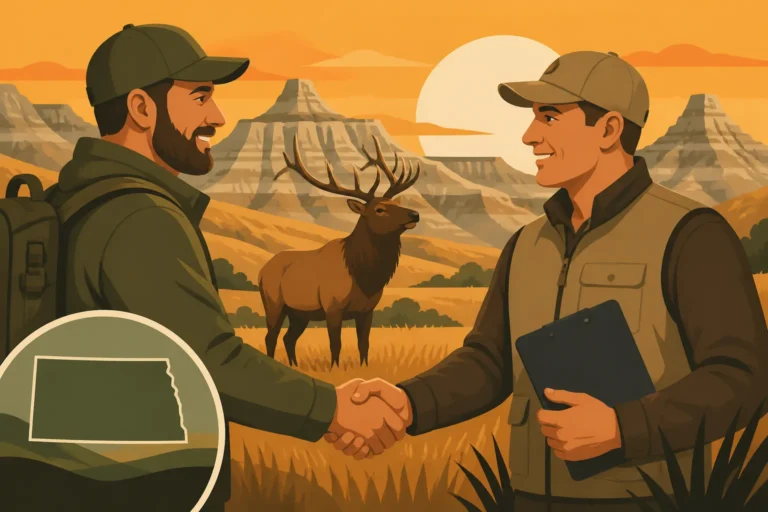
There’s a certain romantic ideal about hunting land you’ve personally secured permission for, a connection that feels deeply rooted in tradition and self-reliance. For many, booking directly with a ranch or farm owner in North Dakota is the epitome of this kind of authentic hunting experience. It often boils down to a personal touch, a handshake agreement, and a shared understanding between hunter and landowner.
What "Booking Direct" Truly Means
When we talk about "booking direct," it means you, the hunter, are independently seeking out private land and negotiating access directly with the individual who owns or manages it. This isn't about paying a formal booking agency or using a service that aggregates private land listings. Instead, it's about making a personal connection. Imagine driving through the rolling hills of western North Dakota, spotting a promising coulee or a shelterbelt edge that looks like prime deer habitat, and then having the initiative to find the landowner and respectfully ask for permission. This approach often requires more legwork on your part, but it can open doors to unique opportunities that aren't advertised anywhere else. It’s a direct agreement, often unwritten, though a simple written note detailing dates and boundaries can prevent misunderstandings. This method cuts out any middleman, and while it might not include any services beyond access, that's precisely what appeals to many.
Finding and Approaching Ranch Owners
So, how do you even begin to find these elusive direct booking opportunities in North Dakota? It certainly isn't as straightforward as searching online for "North Dakota hunting packages." Your best bet often starts with good old-fashioned networking and on-the-ground scouting. One of the most common and effective methods is simply Knocking on Doors in North Dakota Farm Country. This takes courage and a polite, respectful demeanor. Many farmers and ranchers are incredibly busy, especially during planting and harvest seasons, so timing your approach and being brief and clear about your intentions is crucial.
Beyond direct contact, word-of-mouth is powerful in rural North Dakota. Chat with locals at small-town diners, gas stations, or hardware stores. You might be surprised at how willing people are to share information or even make an introduction to a landowner they know. Online hunting forums and local community groups can also be surprisingly useful, though be wary of anyone promising guaranteed access without tangible proof. When you do approach a landowner, be prepared to introduce yourself clearly, explain what you're looking for (e.g., deer hunting for a weekend), and immediately convey your respect for their property, livestock, and land. Offering a small payment or even offering to help with a task around the farm (if you have the skills and time) can sometimes go a long way in securing a "yes."
The Expectations of a Direct Arrangement
Once you've secured permission directly from a North Dakota landowner, it’s vital to understand what each party expects from the arrangement. From the landowner's perspective, they're typically expecting you to be a responsible and respectful guest. This means adhering strictly to any boundaries they set, closing all gates you open, being mindful of livestock, avoiding any damage to crops or infrastructure, and leaving absolutely no trash behind. They might ask you to report back on your success or even just to check in before and after your hunt. They are providing access, which is a huge gesture, and they expect their property to be treated as if it were your own.
On your end, your expectations should be realistic. You're likely getting raw, unmanaged access. This means no pre-scouted blinds, no meals, no tracking services, and potentially no detailed maps beyond a verbal description or a quick sketch. You are entirely self-sufficient. Costs for direct access can vary wildly; sometimes it's free, sometimes it's a handshake agreement for a few hundred dollars, and occasionally, it might involve a trade of services. Always clarify the terms and conditions upfront.
Here’s a quick overview of the pros and cons:
| Feature | Booking Direct with a Ranch (Pros) | Booking Direct with a Ranch (Cons) |
|---|---|---|
| Cost | Potentially lower or negotiable | Unpredictable; can be free or a significant fee |
| Authenticity | High; direct connection, traditional experience | Can feel isolated if no support from landowner |
| Flexibility | High; can negotiate specific dates, areas | Landowner availability can be limited |
| Convenience | Low; requires significant legwork and planning | No services included (lodging, guiding, food) |
| Local Knowledge | Relies on your own scouting and research | Landowner might offer some tips, but no guarantee |
| Guarantees | None beyond agreed-upon access | No guarantee of success or services beyond access |
The Benefits and Structure of Using a Hunting Outfitter
For many hunters, especially those traveling from out of state or those with limited time and resources for extensive planning, a professional outfitter is the preferred route. North Dakota is home to a fantastic array of outfitters specializing in everything from prairie potholes waterfowl to Badlands deer, offering a structured, often all-inclusive experience.
What an Outfitter Provides
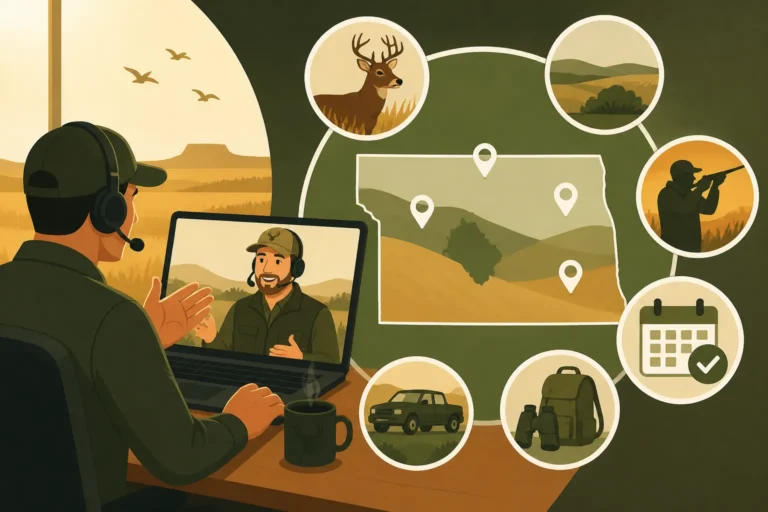
A hunting outfitter, at its core, provides a professional service designed to maximize your chances of success and enjoyment while minimizing your logistical headaches. When you book with an outfitter, you're not just buying access; you're buying expertise, equipment, and often, convenience. For instance, a nonresident coming to North Dakota for a Pheasant Hunting North Dakota's Prairie trip might choose an outfitter for the ease of having lodging, meals, pre-scouted fields, and experienced guides (often with well-trained dogs) all wrapped into a single package. Similarly, for Duck and Goose Hunting North Dakota's Potholes, an outfitter can mean having decoys set, blinds brushed in, and a boat ready to go on prime water, saving you countless hours of preparation.
Outfitters typically have established relationships with multiple landowners, securing access to thousands of acres of prime private hunting ground. This means you don't have to worry about finding land. They've usually spent weeks, if not months, scouting for current game patterns, ensuring you're put in the best possible position for a successful hunt. This level of service is invaluable for busy hunters or those unfamiliar with North Dakota's unique terrain and hunting culture.
Choosing the Right Outfitter
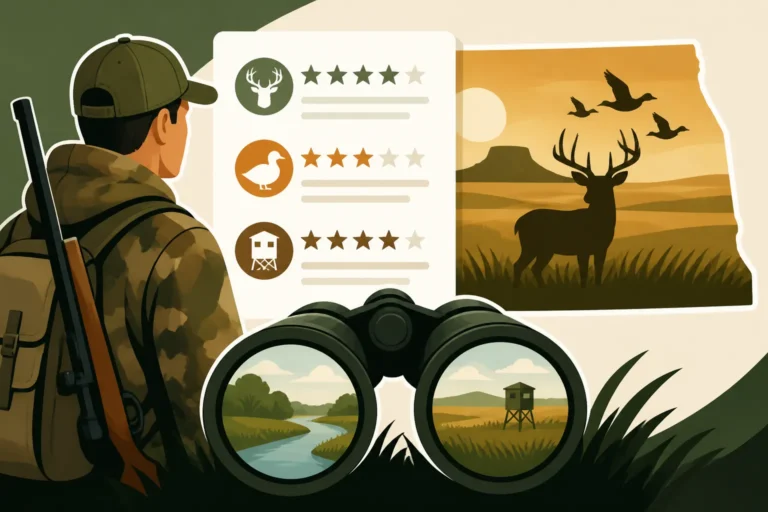
The North Dakota outfitting landscape is vast, so choosing the right one requires due diligence. Start by clearly defining what you want from your hunt: target species, desired level of service (fully guided, semi-guided, drop camp), budget, and preferred dates. Once you have a shortlist, thorough research is key. Look for outfitters that are licensed and insured in North Dakota. Many reputable outfitters will happily provide references from past clients; always follow up on these. Platforms like BookYourHunt or GoHunt can be excellent resources for finding outfitters, reading reviews, and comparing offerings. Don't be shy about asking specific questions about:
- Success rates: Be realistic here; no ethical outfitter can guarantee a kill, but they should be transparent about their historical success.
- Guide-to-hunter ratio: A lower ratio often means more personalized attention.
- Land access: How many acres do they hunt? Is it private, leased, or a mix with public land?
- What's included (and not included): Ensure you understand meals, lodging, transportation during the hunt, bird processing, and trophy care.
- Cancellation and refund policies: Life happens, and you need to know what your options are.
Be wary of any outfitter who makes unrealistic promises, is vague about their operations, cannot provide references, or asks for full payment upfront without a clear contract. Vetting a North Dakota Hunting Outfitter thoroughly can save you a lot of headache and disappointment.
Understanding Outfitter Packages and Costs
Outfitter costs can vary significantly depending on the species, duration, and services included. A basic day hunt for upland birds might be a fraction of the cost of a multi-day, all-inclusive package for elk or deer. For example, the Average Cost of a Guided North Dakota Pheasant Hunt will differ greatly from a remote Elk Hunting North Dakota's Badlands trip.
Common package types include:
- Day Hunts: Typically focused on a single day of hunting, often without lodging or meals.
- Multi-Day All-Inclusive: Covers hunting, guiding, lodging, meals, and sometimes even bird processing or basic trophy prep. These are often the most popular for nonresidents.
- Semi-Guided Hunts: The outfitter provides access, some scouting information, and perhaps transportation to the hunting area, but you largely hunt independently.
- Drop Camps: Primarily for big game in remote areas, where the outfitter provides transportation to a pre-set camp, then leaves you to hunt on your own. This is rare in North Dakota but can be an option for certain species.
Always get a detailed breakdown of costs. Most outfitters require a non-refundable deposit to secure your dates, with the balance due before or upon arrival. Understand these terms fully before committing. For species like deer, elk, or moose, if the hunt is lottery-based, ensure you understand the outfitter's policy if you don't draw a tag. Booking an Outfitter Before You've Drawn a Tag requires careful consideration of these contingencies.
Making the Choice: Direct or Outfitter?
The decision between booking direct with a ranch or utilizing an outfitter isn't about one being inherently "better" than the other. It's about finding the right fit for you and your hunting goals.
Self-Assessment: What Kind of Hunter Are You?
Before you even start looking at options, take an honest look in the mirror and assess your hunting style and needs.
- Experience Level: Are you a seasoned veteran who thrives on deciphering new terrain and finding game on your own, or are you newer to hunting and could benefit from expert guidance? A beginner hunter might find the support system of an outfitter invaluable, while a veteran might relish the challenge of a self-guided, direct-access hunt.
- Budget: Be realistic about what you're willing to spend. Direct access can be cheaper, but it also means investing in all your own gear, food, lodging, and fuel. Outfitters, while a larger upfront cost, consolidate many of these expenses and offer a higher level of service.
- Time Commitment: How much time do you have for planning, scouting, and actual hunting? If you have limited vacation days, an outfitter handles the heavy lifting, letting you maximize your time in the field. If you enjoy the process of preparation as much as the hunt itself, direct access might be more rewarding.
- Desired Experience: Do you dream of a rugged, independent adventure where every success is solely your own, or do you prefer a comfortable lodge, camaraderie, and a higher probability of filling your tag with less stress?
Evaluating Your Target Species and Location
Certain species and geographies in North Dakota naturally lend themselves better to one approach over another.
- Waterfowl and Pheasant: For many North Dakota Waterfowl on the Prairie Pothole Flyway and Ring-Necked Pheasants in North Dakota hunters, particularly nonresidents, outfitters are incredibly popular. They have the equipment (decoys, blinds, boats), the leased land, and the local knowledge to put you on birds. While direct access for small game is possible, coordinating large-scale waterfowl hunts with extensive decoy spreads on private land can be a logistical nightmare without an outfitter. Hunting North Dakota's Nine Resident-Only Waterfowl Days further complicates nonresident self-guided plans.
- Deer: White-Tailed Deer Across North Dakota can be hunted effectively both ways. If you're targeting a specific smaller tract near a river bottom or shelterbelt, direct landowner permission can be excellent. However, if you're looking for a Mule Deer in North Dakota's Badlands hunt in vast, rugged terrain, an outfitter might have access to larger, less-pressured private ranches or the expertise to navigate the expansive public lands like Hunting North Dakota's Little Missouri National Grassland.
- Elk, Moose, and Bighorn Sheep: These are once-in-a-lifetime tags in North Dakota, and they are incredibly hard to draw. If you are fortunate enough to draw one, many hunters choose an outfitter to maximize their precious opportunity, especially for challenging hunts like Elk in North Dakota's Little Missouri Badlands. Given the rarity, the investment in an outfitter often seems worthwhile to ensure the best possible chance at success.
Remember also the role of public land. Programs like The PLOTS Program Explained offer vast amounts of public access, which can be an excellent option for self-guided hunters, potentially reducing the need for private land access. This can make the "direct with a ranch" approach less of a critical necessity and more of a preferred option for specific experiences.
Blending Approaches: The Hybrid Hunt
Sometimes, the best solution is a mix of both. Many hunters choose a hybrid approach, enjoying the benefits of both worlds. For example, you might book a comfortable lodge with an outfitter for a few days of guided pheasant hunting, and then, armed with local knowledge and contacts, spend a few extra days exploring Scouting PLOTS Land Before Season on your own for sharptails or coyotes.
Another common hybrid strategy involves securing private land access directly from a rancher for a portion of your trip, perhaps for a deer stand, and then using the remaining days to explore North Dakota's ample public land opportunities for different species. This gives you flexibility and allows you to tailor your trip precisely to your evolving interests and budget. It truly is about personalizing your adventure, and North Dakota offers plenty of ways to do just that.
Practical Steps for Your North Dakota Hunting Trip
Regardless of whether you choose to book direct with a ranch or go with an outfitter, there are several practical steps and considerations that are non-negotiable for any North Dakota hunting trip.
Licensing and Regulations
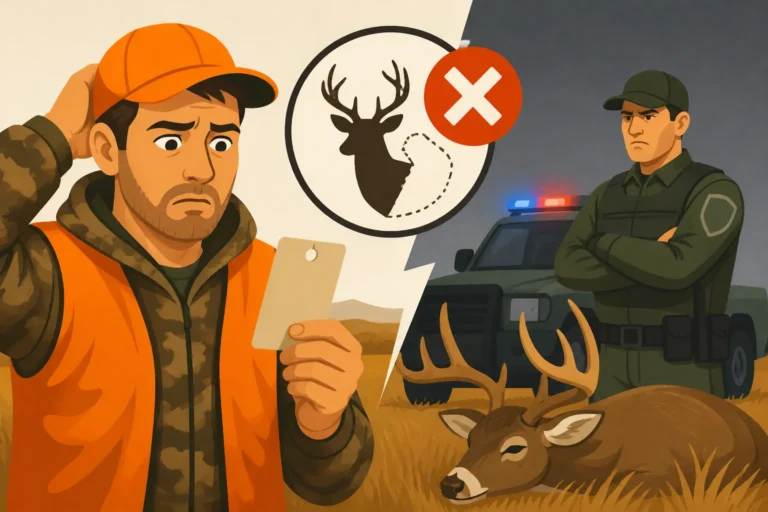
This is step one, and it’s non-negotiable. North Dakota has specific licensing requirements for residents and nonresidents, and these can change. You absolutely must understand North Dakota Hunting Licenses and What They Cost and ensure you have the correct tags for your target species. Nonresidents, in particular, face certain restrictions, such as How Many Days Nonresidents Wait for Public Land Bow Access for deer. For waterfowl, there can be zone restrictions and resident-priority days. Always check the current regulations published by the North Dakota Game and Fish Department well in advance of your trip. Ensure any private land access or outfitter arrangement fully complies with state and federal hunting laws. Ignoring these details can quickly turn an exciting trip into a regrettable experience.
What to Confirm Before You Commit
Before you put down a deposit or shake a landowner's hand on a deal, make sure everything is crystal clear.
- Written Agreements: While a handshake might suffice for some direct landowner agreements, always strive for a simple written agreement, especially if money is exchanged. For outfitters, a detailed contract is essential. This should clearly state dates, services included, total cost, payment schedule, and cancellation policies.
- Specifics of Access: For direct bookings, confirm precise boundaries, designated parking areas, and any off-limits zones. For outfitters, ask about the specific areas you'll be hunting and the typical travel time to those spots.
- References: As mentioned, always ask for and contact references, especially for outfitters. Speak to previous clients about their experience, management of expectations, and overall satisfaction.
- Insurance: Confirm if an outfitter carries liability insurance. For your own peace of mind, especially if traveling a long distance, consider purchasing travel insurance that covers trip cancellation or interruption due to unforeseen circumstances.
Maximizing Your Experience
Preparation is the cornerstone of any successful hunting trip.
- Physical Fitness: North Dakota hunting, particularly for species like deer or upland birds in the Badlands or vast prairies, can be physically demanding. Physical Prep for Badlands Elk Terrain is important even for deer hunters. Ensure you are in good enough shape to walk long distances, climb hills, and potentially drag game.
- Shooting Practice: Practice with your chosen weapon. Whether it's a rifle, shotgun, or bow, familiarity and proficiency build confidence and reduce the chance of missed opportunities or wounded game.
- Scouting (if self-guided): If you're going the direct-to-ranch or public land route, pre-season scouting is invaluable. Use tools like the ND Hunt App or onX to study aerial maps, identify potential cover, food sources, and travel corridors.
- Flexibility and Patience: North Dakota weather can be unpredictable, and game animals don't always cooperate. Be prepared for cold, wind, or snow, and understand that hunting often involves long periods of waiting. Hunting Into a December Cold Snap can be brutal but rewarding.
- Respect the Land and Its People: This cannot be stressed enough. Whether you're dealing with a rancher or an outfitter, treating the land, the animals, and the local community with respect is paramount. This ensures continued access for you and future generations of hunters.
By carefully considering these factors and planning diligently, your North Dakota hunting adventure, whether booked directly with a ranch or through a professional outfitter, is sure to be a memorable one.
Disclaimer
This article is for general informational purposes only and does not constitute professional advice. Laws, prices and regulations vary by location and change over time. Consult a qualified professional for guidance on your specific situation.