What Happens If Weather Cancels Your Hunt
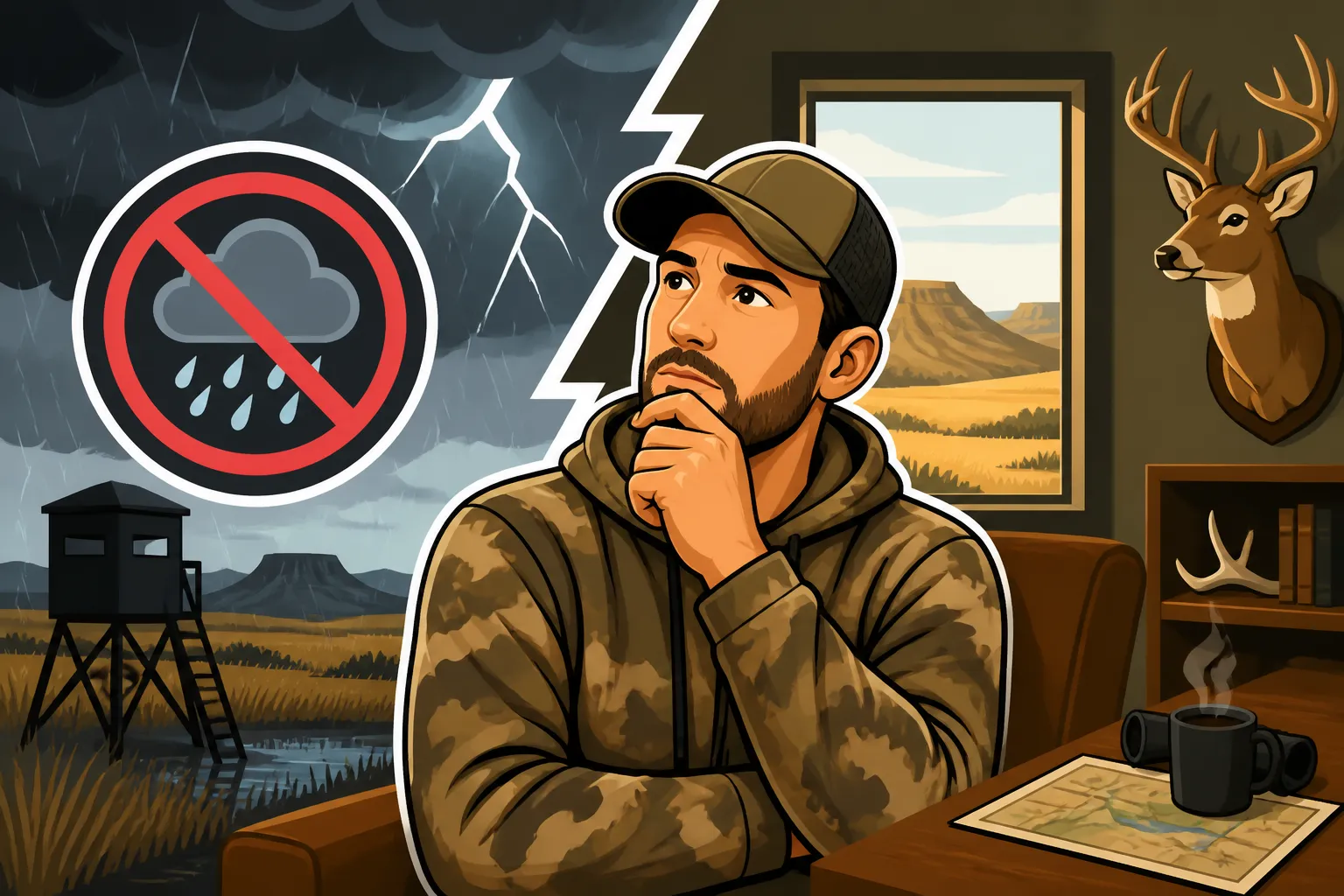
It’s a scenario no hunter wants to face: you’ve spent months planning, paid your deposits, booked your time off, and the forecast shifts to an absolute mess. Whether it’s a blizzard rolling in, a week of relentless rain, or an unexpected deep freeze, unpredictable North Dakota weather can throw a wrench into even the most meticulously planned hunting trip. This guide will walk you through what to expect and how to navigate those tough conversations when the skies decide your hunt isn't happening as planned.
The Unpredictable Force of North Dakota Weather on Your Hunt
North Dakota is known for its dramatic seasons, and while this makes for incredible hunting opportunities, it also means dealing with weather that can change on a dime. Planning a hunt here means accepting a certain level of uncertainty, but it doesn't make it any less frustrating when a storm threatens your long-awaited trip.
From Blizzards to Downpours: Understanding the Prairie's Fury
You've imagined crisp mornings, perhaps a light dusting of snow, or comfortable fall temperatures perfect for being out in the field. But then the forecast darkens. We're talking about everything from paralyzing blizzards that dump feet of snow and bring visibility to zero, to sudden ice storms that make roads treacherous, or relentless, cold rains that soak everything and drop temperatures dangerously low. Extreme cold snaps, where the mercury plunges far below zero for days, can also make it downright unsafe and unproductive to be outside. These aren't just minor inconveniences; they're genuine threats to safety and the feasibility of a hunt. Imagine trying to track a deer or set decoys in conditions where you can barely see your hand in front of your face, or where hypothermia is a real and present danger.
These conditions don't just affect your comfort; they dramatically impact hunting safety and logistics. Travel becomes a nightmare, with roads closing and flight delays becoming common. Visibility plummets, making safe shooting incredibly difficult, not to mention the challenge of simply navigating terrain. For hunters targeting big game, intense weather can force animals to hunker down or alter their movement patterns drastically, making them almost impossible to find. For upland birds, heavy snow can bury food sources, and extreme cold can push them into dense thermal cover, changing their typical behavior. It’s enough to make you throw your hands up in exasperation when all that careful planning seems to vanish with the first snowflake. Understanding these real impacts helps you approach conversations with your outfitter with clear eyes about what constitutes a genuine weather problem, not just a preference. Hunting Into a December Cold Snap often requires a completely different approach than fair-weather hunting, and sometimes, it's simply not possible.
Beyond the immediate safety concerns, severe weather fundamentally alters game behavior. A sudden cold front might send whitetails into the thickest river bottom timber, or heavy snow might push pheasants into the tight confines of shelterbelts, making them inaccessible or simply non-moving. High winds can make glassing impossible in the Badlands for mule deer, and can completely shut down waterfowl movement, leaving decoys lonely in silent fields. When a hunt is impacted by these forces, it's not just that it's harder; sometimes, the very essence of the planned hunt—the specific tactics, the target species' typical patterns—becomes unworkable. This shift from a viable hunt to an unproductive, or even dangerous, outing is the core frustration hunters face.
The emotional and financial toll of a weather-canceled hunt is significant. You’ve invested time, money, and emotional energy into this adventure. From the cost of North Dakota Hunting Licenses and What They Cost to specialized gear, travel expenses, and outfitter fees, it’s a substantial commitment. To have it all derailed by an act of nature feels incredibly unfair, especially when you can’t simply reschedule without additional hassle or cost. This frustration is completely valid, and it’s important to acknowledge it as you navigate the options available.
Roadblocks and Restricted Access: When Travel Becomes Impossible
One of the most immediate and tangible impacts of severe weather is the closure of roads and travel restrictions. North Dakota is crisscrossed by a network of state highways, county roads, and countless gravel and dirt section lines that can quickly become impassable. Local authorities don't hesitate to issue "no travel advised" warnings or even outright road closures when conditions become too dangerous due to whiteouts, ice, or deep snow. This isn't just about inconvenience; it's about public safety. Imagine waking up to find the main highway to your hunting unit is closed indefinitely, or the gravel road to your preferred The PLOTS Program Explained tract is drifted shut with snow, making it impossible for even a four-wheel-drive vehicle to get through.
These closures can leave you stranded, either at home, at an airport, or even at a local motel far from your intended hunting grounds. For hunters relying on accessing more remote areas, such as specific tracts of Public Hunting Land in North Dakota in the Badlands or isolated Waterfowl Production Areas, a single impassable road can effectively cancel the entire expedition. Even if you're determined, risking your vehicle and your safety on officially closed roads is not only foolish but often illegal. It adds another layer of stress and complexity to an already frustrating situation, confirming that your hunt isn't merely "less ideal," but physically unattainable. Navigating Vehicle Rules on North Dakota Public Land becomes secondary when you can't even get there.
For nonresident hunters, the impact on air travel can be devastating. Major airports like Bismarck (BIS) or Fargo (FAR) can shut down completely during severe blizzards or ice storms, leading to widespread flight cancellations and delays. This isn't just a few hours; it can mean days of disruption, completely cutting off your ability to even get to North Dakota, let alone your outfitter's lodge or hunting camp. The cascading effect of missed connections, rebooking nightmares, and the sheer cost of unplanned overnight stays can add significant unforeseen expenses to your trip, all before you've even stepped foot in the field.
Ultimately, these travel restrictions mean your hunt isn't merely "affected" by bad weather; it's often physically cancelled. You simply cannot get there, or your outfitter cannot get to you, or the actual hunting locations are inaccessible. This is a critical distinction when discussing potential outcomes with your outfitter and understanding what your contract stipulates. It moves beyond a matter of discomfort to a definitive inability to execute the hunt as planned.
Navigating the Fine Print: Outfitter Policies and Your Contract
When you're planning an exciting hunting trip, the last thing you want to pore over is the minutiae of cancellation policies. But trust me, understanding your outfitter's contract is absolutely crucial, especially when Mother Nature decides to intervene.
Decoding Your Outfitter's Weather Cancellation Policy
That contract you signed? It's not just a formality; it's the bedrock of your agreement with your outfitter. Many outfitters include specific clauses addressing situations beyond their control, often termed "Acts of God" or "Force Majeure." These clauses essentially state that if unforeseen events like extreme weather, natural disasters, or other uncontrollable circumstances prevent the hunt from happening, the outfitter may not be held liable for a full refund. What this means in practical terms is that while they might feel bad for you, their business also has fixed costs, and your deposit might be used to cover some of those expenses, regardless of whether you actually hunted. This is where getting clarity upfront, as discussed in Questions to Ask a North Dakota Outfitter, becomes so vital.
It’s important to understand the subtle but significant difference between a hunt being "affected" and being "canceled" entirely. A hunt might be "affected" if, say, heavy rains make one specific area inaccessible, but the outfitter can still move you to another productive spot, or if a minor cold snap means shorter hunting days, but you’re still out there. In these scenarios, the hunt generally proceeds, albeit with modifications. However, if roads are officially closed, airports are shut down, or conditions are genuinely unsafe for all participants, then the hunt is "canceled." Your contract should ideally distinguish between these scenarios and outline the outfitter's protocol for each.
The unfortunate reality for many hunters is that outfitter policies, while necessary for their business, often lean towards protecting the outfitter's financial interests, especially concerning non-refundable deposits. These deposits are crucial for outfitters to cover overheads, secure leases, and manage bookings. This doesn't mean they don't care about your experience, but it highlights why it's so important to be proactive in understanding their specific terms. Some outfitters might have very generous policies, while others might be much stricter. There's no universal standard, which is why your due diligence in Vetting a North Dakota Hunting Outfitter needs to include a thorough review of their cancellation and weather clauses.
Ultimately, if your hunt is disrupted by weather, your options will largely be dictated by what's written in that contract. Don't assume anything. If you didn't ask or read the fine print before signing, you might find yourself in a less-than-ideal position. It’s a harsh lesson many learn the hard way.
Exploring Reschedule, Credit, and Refund Options
When a hunt is truly canceled due to weather, outfitters typically offer a few common solutions, with variations depending on their specific policy and your relationship with them. The most common response you'll likely encounter is the offer to reschedule your hunt for a future date. This could mean later in the current season, if availability allows, or more commonly, in the following hunting season. This option allows you to retain your investment and still get the hunting experience you paid for, just at a different time.
The nuances of rescheduling can be important. Will the outfitter honor the same price, or will there be an increase for the following season? What are the available dates, and how much flexibility do you have? Sometimes, rescheduling means you might not get the exact same week or even the same type of hunt, depending on what the outfitter can accommodate. It requires flexibility on your part, both with your personal schedule and potentially with your expectations for the future hunt. Be prepared for these discussions, as availability for prime dates can be limited.
Another frequent option is for the outfitter to issue a credit for the amount you've paid, which can then be used towards any future hunt or service they offer. This can provide a bit more flexibility than a strict reschedule, allowing you to perhaps choose a different species or a different time of year if your original target becomes less appealing or harder to coordinate. However, pay close attention to the terms of the credit: Does it expire? Can it be transferred to another hunter? Is it only valid for specific types of hunts? Understanding these details is critical to ensuring you don't lose the value of your payment.
Full refunds, or even partial refunds, are generally the least common outcome in weather-related cancellations. As mentioned, outfitters operate on slim margins, and deposits often go directly towards securing leases, purchasing equipment, and covering guide salaries, all of which are sunk costs regardless of whether a client shows up. If a refund is offered, it's often a partial amount, subtracting non-recoverable expenses. While this can still be a relief, it highlights the financial risk you undertake when booking a hunt, and why other protective measures, like insurance, become so important.
The Lifeline of Insurance: Protecting Your Investment
In the world of hunting, where so much is invested—time, money, and dreams—it’s easy to overlook the safety net that insurance can provide. But when North Dakota weather decides to wreak havoc on your meticulously planned trip, having the right coverage can be a game-changer.
Travel Insurance Versus Dedicated Hunting Trip Insurance
Many people think their standard travel insurance policy, the kind you might buy for a vacation, will cover everything if a hunting trip goes south. Unfortunately, that's often not the case. General travel insurance typically focuses on flight delays, lost luggage, and medical emergencies abroad. While it might cover your airfare and perhaps a few nights of lodging if a blizzard grounds your flight to Bismarck, it very rarely covers the specific, non-refundable costs associated with a guided hunt itself—things like your outfitter's fees, non-refundable deposits, or the cost of specialized licenses, such as North Dakota Nonresident License Options. These policies simply aren't designed for the unique circumstances of a hunting expedition.
This is where dedicated hunting trip insurance comes into its own. This specialized product is specifically designed to protect your investment in a guided hunt. It aims to cover those significant, non-refundable expenses that standard travel insurance often leaves out: outfitter deposits, guide fees, and even trophy fees in some cases. It's built for the nuances of hunting, recognizing the unique risks involved, including weather-related cancellations, but also covering other unforeseen events like sudden illness, injury, or even lost hunting gear.
When you're looking at hunting trip insurance, you'll want to pay close attention to clauses like "cancel for any reason" (CFAR) if available, though these usually come with higher premiums and specific eligibility requirements. More commonly, you'll want coverage that explicitly addresses weather-related travel interruptions and hunt cancellations due to conditions that make the hunt impossible or unsafe. Some platforms that connect hunters with outfitters, like BookYourHunt, might partner with insurance providers or recommend specific policies, or tools like GoHunt can help you plan and consider these aspects. However, always verify the specifics directly with the insurance provider, as their terms and conditions are paramount.
The upfront cost of a hunting trip insurance policy can feel like just another expense piled onto an already costly trip. But consider the alternative: losing thousands of dollars in non-refundable deposits and fees if a severe blizzard makes your North Dakota hunt impossible. For a multi-day guided pheasant hunt or a coveted big game draw, that upfront cost becomes a small price to pay for peace of mind. It’s an investment in protecting your larger investment, ensuring that even if the weather wins, you don't suffer a total financial loss.
What Insurance Typically Covers (and Doesn't)
Hunting trip insurance is a powerful tool, but like all insurance, it has its limits. It's crucial to understand what it typically covers and, perhaps more importantly, what it often doesn't. Common inclusions will usually cover legitimate travel delays (flights, road closures) that prevent you from reaching your destination, medical emergencies that necessitate canceling your trip, and perhaps even lost or damaged hunting gear. Crucially, it's designed to kick in when unforeseen and unavoidable events, such as severe, officially declared hazardous weather, make your hunt impossible.
However, many policies have specific exclusions. For instance, if you simply decide the weather might be unpleasant (e.g., just cold, not dangerously so) and you choose to cancel, that's generally not covered. The trigger for coverage is usually when travel is officially advised against, roads are closed, flights are grounded, or the outfitter officially cancels the hunt due to safety or logistics. A common scenario where coverage applies is if a major blizzard closes I-94 and prevents you from reaching your deer camp near Bismarck, or if a sustained ice storm shuts down the airport in Fargo. If you can’t get there, or the hunt genuinely cannot proceed, that's usually covered.
This brings us back to the importance of reading your specific policy documents thoroughly. No two insurance policies are identical, and the exact wording regarding "trip cancellation," "trip interruption," and "covered perils" will dictate whether your claim is approved. Pay close attention to definitions of "severe weather" or "natural disaster." Does it require an official government declaration? Is it based on forecasted conditions or actual events? Understanding these nuances before you need to file a claim can save you a lot of headache and heartache.
For example, if you've paid for your North Dakota General Game and Habitat License Cost and your specific deer tag, and then the hunt is officially called off due to a legitimate weather event, a good hunting trip insurance policy should cover the non-refundable portion of those license fees, assuming they are not transferable. But if the weather is simply "bad" but not prohibitive, and you back out, you’re likely on your own. It's a fine line, and understanding where that line is drawn in your policy is paramount.
Proactive Planning and Communication for a Smoother Outcome
Dealing with a canceled hunt is stressful enough; you don't want added frustration because of poor communication or unspoken assumptions. A little proactive planning and clear communication can make all the difference.
Starting the Conversation Early with Your Outfitter
The absolute best time to discuss weather cancellation policies is long before you send a deposit. During your initial inquiries, when you're still deciding on an outfitter, make it a point to explicitly ask about their policy on weather-related cancellations or interruptions. Don't assume anything; what one outfitter offers, another may not. Be direct: "What happens if a blizzard hits and I can't make it?" or "If extreme cold makes the hunt unsafe, what are my options?" These are critical Questions to Ask a North Dakota Outfitter.
Once you've had these discussions, make sure you get the outfitter's policy in writing. This means it should be clearly stated in your contract or in a separate document you both sign. Verbal agreements, no matter how friendly, are incredibly difficult to enforce if a dispute arises. Having everything documented provides clarity and protects both parties. When Booking a Guided North Dakota Pheasant Hunt or Booking a North Dakota Waterfowl Guide, these details are just as important as the cost or the lodging.
Discuss hypothetical scenarios to fully understand the implications. What if you arrive, but the conditions deteriorate rapidly? What if only part of the hunt can be completed? Thinking through these "what ifs" allows both you and the outfitter to be on the same page regarding expectations and potential solutions. This proactive dialogue isn't about being pessimistic; it's about being a prepared and responsible hunter.
This initial, open dialogue builds trust and sets realistic expectations. It signals that you are a serious client who understands the realities of hunting in North Dakota. This foundation can go a long way if unforeseen circumstances do occur, making future conversations much smoother and more collaborative, rather than contentious.
The Art of the Contingency Plan
Beyond just understanding policies, consider what personal contingency plans you can put in place. If you're driving, have alternative routes mapped out, or consider arriving a day early to beat potential weather fronts. If flying, build in extra buffer days around your travel to allow for delays, especially if you're coming from out of state for a crucial hunt. Sometimes, being flexible with your arrival and departure dates can save your entire trip.
If your schedule allows for it, consider booking your hunt during periods known for more stable weather, if such a thing exists in North Dakota. While there are no guarantees, historically, certain weeks might be less prone to extreme weather events than others. Of course, this often means sacrificing prime hunting dates, but it's a trade-off some hunters are willing to make for increased certainty.
Another aspect of a good contingency plan is discussing potential alternative species or hunt types with your outfitter if your primary target becomes unfeasible due to weather. For example, if a severe cold snap pushes waterfowl out of the area or freezes up prime spots, could the outfitter pivot to an upland bird hunt instead? If a big game hunt in a specific location is impossible, are there other options available within their operation, perhaps targeting a different game animal under different conditions? This might mean exploring Booking a Multi-Species North Dakota Trip options from the outset.
This level of flexibility and preparedness can turn a potentially canceled hunt into a modified but still successful adventure. It requires a willingness to adapt, but it also shows your outfitter that you're reasonable and understanding, which can foster a more cooperative approach to finding a solution. Even if it means shifting from decoying ducks to Walking a Pheasant Field at Midday, at least you're still out hunting!
When the Weather Hits: What to Do Next
Despite all your careful planning and due diligence, sometimes the weather still wins. When that happens, knowing what steps to take can minimize stress and help you navigate the situation effectively.
Documenting the Impact and Contacting Your Outfitter
The moment you realize that severe weather is genuinely threatening your hunt, start gathering evidence. This isn't about being suspicious; it's about being prepared, especially if you have trip insurance or need to refer back to your contract. Collect official weather warnings, news reports detailing travel advisories or road closures, and any official communications from airlines about flight cancellations. Screenshots, news articles, and emails are all valid forms of documentation.
Your very next step, and I mean immediately, is to contact your outfitter. Don't delay, hoping things will magically clear up. Be clear, calm, and refer to your understanding of the contract. State the situation and ask what their immediate protocol is. They are likely already aware of the weather, but it’s crucial to establish direct communication as soon as possible. Their response will be dictated by their specific "North Dakota Outfitters and Guides Cancellation and Weather Policies."
If you purchased hunting trip insurance, contact your insurance provider promptly as well. They will have specific requirements for filing a claim, including timelines and necessary documentation. The sooner you initiate this process, the smoother it will be. They might require specific reports or official confirmations that you can start collecting right away.
Throughout this entire process, keep a detailed log of all your communications. Note the date and time of every call, who you spoke to, and a summary of the discussion. Save all emails and text messages. This record can be invaluable if there are any misunderstandings or disputes down the line, providing a clear timeline of events and agreements.
Working Towards a Resolution: Patience and Persistence
It's easy to get frustrated when your hunt is canceled, but try to approach the situation with your outfitter collaboratively. Understand that they are also impacted by the weather; it costs them money, time, and reputation. Yelling or being aggressive won't get you a better outcome. Instead, calmly discuss the options available based on your contract, whether that's rescheduling, a credit, or a refund.
If rescheduling is the primary option, be as flexible as you can with dates. Outfitters have limited slots, especially during prime season, and your willingness to adapt might open up possibilities you hadn't considered. If a credit is offered, ensure you understand all the terms: expiration dates, transferability, and what it can be used for. Ask if the credit applies to future Booking a Guided North Dakota Pheasant Hunt or perhaps a North Dakota Fall Turkey Season Rules hunt.
Should a dispute arise, politely refer back to your written contract and any documented communications you have. This is where your proactive planning and record-keeping truly pay off. Most reputable outfitters want to resolve issues amicably and maintain a good reputation. However, having your ducks in a row ensures you have a strong basis for your position. Patience is key, but so is persistence in advocating for a fair resolution based on your agreement.
It's a tough pill to swallow when a planned hunt gets derailed by weather. But by understanding the realities of North Dakota's unpredictable climate, knowing your outfitter's policies, considering insurance, and communicating effectively, you can navigate these challenges with greater confidence and potentially salvage your investment, even if the hunt itself must be postponed.
| Policy Type | Description | Pros (for hunter) | Cons (for hunter) |
|---|---|---|---|
| Full Reschedule | Hunt moved to a mutually agreeable date, often next season. | No loss of deposit, opportunity to hunt later. | Requires future availability, potential for date conflicts. |
| Future Credit | Deposit/fees converted to credit for any future hunt with the outfitter. | Flexibility to choose another hunt/species. | Credit might expire, tied to one outfitter, no money back. |
| Partial Refund | A portion of the paid fees is returned, minus non-recoverable expenses. | Some money recouped, not a total loss. | Often a small percentage, still significant out-of-pocket costs. |
| No Refund/Credit | Hunter forfeits payment if hunt is canceled due to weather. | (None, only for outfitter) | Total financial loss, very frustrating. |
| "Hunt Affected" | Hunt proceeds but with modifications (e.g., shorter days, different area). | Still get to hunt, though not ideal. | Reduced quality of hunt, may not meet expectations. |
Disclaimer
This article is for general informational purposes only and does not constitute professional advice. Laws, prices and regulations vary by location and change over time. Consult a qualified professional for guidance on your specific situation.