Registering a North Dakota Deer Online
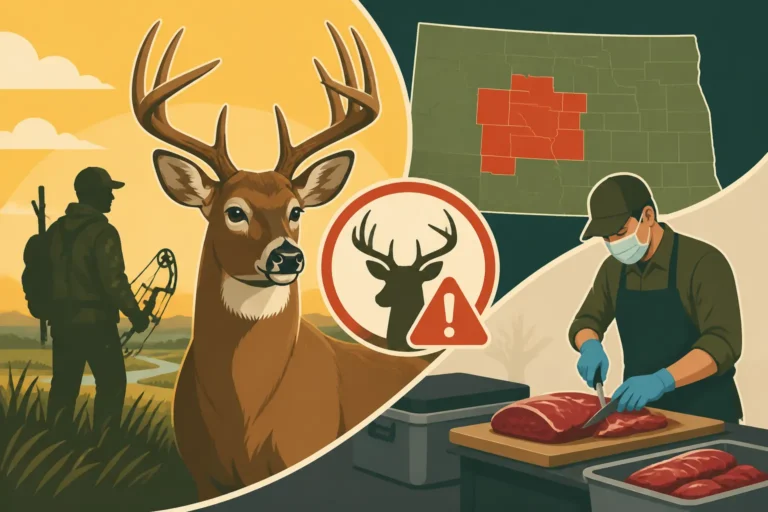
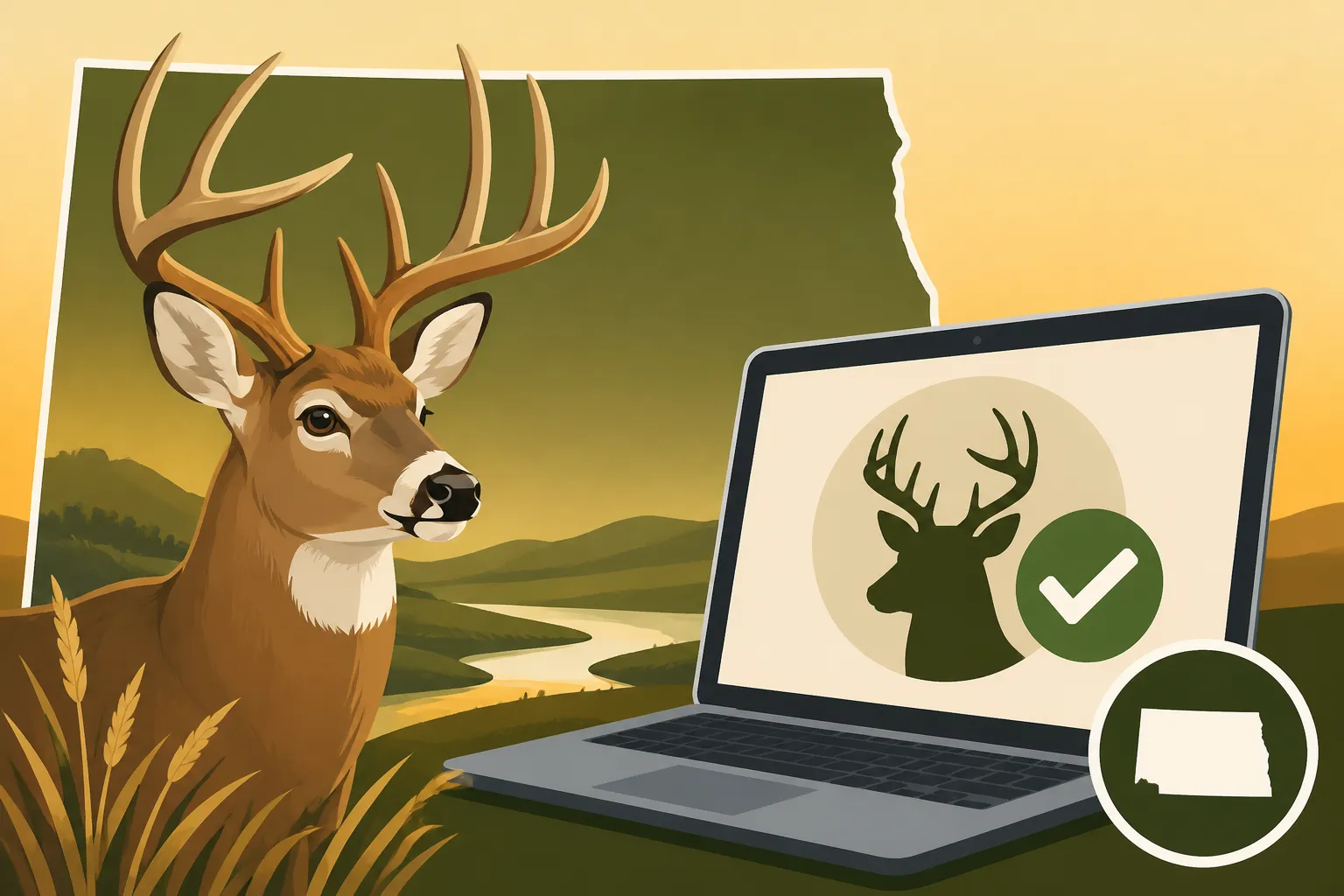
The thrill of a successful deer hunt in North Dakota is something truly special, a culmination of scouting, patience, and skill. But once the excitement of the harvest settles, many hunters find themselves wondering about the next crucial step: how to properly register their deer. In a world increasingly moving online, the traditional physical check station can feel like a relic, leaving you scratching your head about the digital requirements. This guide is here to demystify the process of registering your North Dakota deer online, ensuring you comply with regulations and contribute vital data to the state's conservation efforts.
The Mandate for Registering Your North Dakota Deer
It’s easy to think of deer registration as just another bureaucratic hoop to jump through, especially after the physical exertion and emotional high of a successful hunt. However, the requirement to register your deer, whether through a physical tag or an online portal, is far more than just paperwork. It's a cornerstone of modern wildlife management and conservation in North Dakota.
Why Deer Registration is Crucial for Conservation
Every single deer you register, whether it's a mature buck or a hard-earned doe, provides a piece of the puzzle for wildlife biologists. Imagine trying to manage a massive library without knowing how many books are checked out, or what genres are most popular. That's essentially what wildlife management would be like without harvest data. Your registration helps the North Dakota Game and Fish Department (NDGFD) collect crucial information on harvest rates, allowing them to understand the overall health and size of the deer population.
This data is meticulously analyzed to determine buck-to-doe ratios, the age structure of the herd, and even the geographic distribution of successful hunts. Knowing this helps the NDGFD make informed decisions about future hunting seasons, including setting license quotas and antlerless tag availability. It's how they ensure sustainable hunting opportunities for generations to come. For instance, the data collected from registrations directly influences the allocations for seasons like North Dakota's Lottery-Based Deer Gun Season, ensuring the herd can rebound and thrive. Without accurate reporting, those projections would be mere guesswork, jeopardizing the very future of our hunting heritage.
The Shift to Online and App-Based Systems
For many years, checking in your deer meant driving to a designated check station, waiting in line, and having a game warden physically examine your animal. While there was a certain camaraderie in those moments, the process could be inconvenient, especially for hunters in remote areas or those with limited time. Recognizing these challenges, the NDGFD, like many other state agencies, has largely transitioned to an online and mobile app-based registration system.
This shift has brought immense convenience, allowing hunters to report their harvest from virtually anywhere with cell service or internet access. However, it also introduced a new learning curve. Instead of a face-to-face interaction, you're now navigating websites and data fields. The key takeaway here is the emphasis on timely and accurate submission. The system is designed to be user-friendly, but understanding the steps and preparing your information beforehand is essential. The new digital method streamlines things significantly, letting you get back to Field Dressing a Deer in Cold Weather or preparing your meat for the journey home much faster.
A Step-by-Step Guide to Online Deer Registration in North Dakota
Navigating a new online system can feel daunting, especially when you're tired from a long hunt and eager to get your deer processed. But breaking it down into manageable steps makes the North Dakota deer registration process straightforward.
Before You Even Start: Essential Information to Gather
Before you even open your laptop or tap on the NDGFD app, make sure you have all the necessary information readily available. This isn't just about making the process quicker; it's about ensuring accuracy, which is vital for the NDGFD's data collection. Having everything at your fingertips prevents frustration and potential errors.
First and foremost, you'll need your hunting license number and the specific deer tag number that was affixed to your harvested animal. These are unique identifiers that link the harvest directly to you. Next, be prepared to report the hunting unit where the deer was harvested, along with the exact date and approximate time of the harvest. This precision helps biologists track deer movement and success rates across different regions. You'll also need to clearly identify the species of deer (Whitetail or Mule Deer), as certain units, particularly those in western North Dakota, might have both, and their management strategies differ significantly. For example, understanding Mule Deer in North Dakota's Badlands requires accurate reporting of mule deer harvests.
Beyond species, you'll report the sex of the deer (buck or doe). If it's a buck, you'll usually be asked to count and report the number of antler points on one or both antlers. Lastly, specify the weapon used (archery, rifle, or muzzleloader), as this data informs success rates for different hunting methods, as outlined in guides such as Legal Weapons During North Dakota Gun Season. Knowing the specific county of harvest is also critical for localized data analysis. While not always mandatory, providing GPS coordinates of the harvest site can offer even greater precision for biologists, though it’s understandable if you don't have this exact detail. Remember, attaching your physical tag to the deer immediately upon harvest, as per regulations, is a prerequisite before you begin the online registration.
Navigating the North Dakota Game and Fish Online Portal
Once you have all your information squared away, head over to the official North Dakota Game and Fish Department website. You'll typically find a prominent link or section dedicated to "Report Your Harvest" or "Deer Registration." This is your gateway to completing the process.
Upon clicking, you'll likely be prompted to log in using your NDGFD ID (often your hunting license number or a separate ID established when you purchased your license) and a password. If it's your first time, you might need to create an account or verify your identity. The system is designed to walk you through a series of screens where you'll input the information you gathered earlier. Take your time entering each piece of data, double-checking unit numbers, dates, and antler point counts. The portal is intuitive, often providing dropdown menus or clear prompts to guide you. Once all the harvest data is entered, you'll usually reach a confirmation page that summarizes your submission. It's crucial to save or print this confirmation page for your records. This serves as official proof that you've fulfilled your registration obligation and can be useful if any questions arise later.
Using the NDG&F Mobile App for On-the-Go Reporting
For many hunters, especially those who prefer to stay mobile, the NDGFD's official mobile app is a godsend. It offers a streamlined way to report your harvest directly from your smartphone, often while you're still in the field (assuming you have cell service). The app replicates the functionality of the online portal but is optimized for mobile use.
The primary advantage of the app is its convenience. Imagine you're hunting deep in a Public Hunting Land in North Dakota area; instead of waiting until you get back to camp or home, you can report your harvest almost immediately. Some apps even have features that can function partially offline, allowing you to input data that then syncs once you regain service. However, always verify this specific functionality with the NDGFD guidelines. The data entry process is very similar to the online portal, asking for the same critical information – license, tag, unit, species, etc. What makes the app truly shine is its ability to automatically pull some of your licensing information, potentially saving you a few keystrokes. After submitting, you'll receive a digital confirmation within the app, which is just as valid as a printed one. Keeping such a digital record handy, perhaps alongside your scouting notes in a platform like GoHunt, can be incredibly helpful for future reference or if you need to present proof of registration.
Common Challenges and Troubleshooting for Online Registration
While online deer registration is designed for convenience, like any technology, it can present a few hurdles. Knowing what these common challenges are and how to troubleshoot them can save you a lot of headache after a long day afield.
Dealing with No Cell Service in Remote Hunting Areas
One of the most frequently encountered frustrations for North Dakota hunters is the lack of cell service in remote areas. You've just harvested a deer, you're excited, and you want to get it reported, but your phone shows "No Service." It's a real buzzkill, and it's something many of us have faced. The key here is not to panic but to have a plan.
The NDGFD understands that not every corner of the state has reliable cell coverage. If you find yourself in a dead zone, the immediate priority is to still physically tag your deer, as this is always mandatory before moving the animal. As for reporting, you have a few options:
- Move to Service: Often, simply driving a few miles down the road or reaching a higher elevation can put you back in range.
- Record Manually: If moving isn't an option, meticulously record all the required information (license, tag, unit, date, etc.) on a piece of paper or in your phone's notes app. As soon as you hit an area with service, you can then complete the online or app-based registration.
- NDGFD Guidelines on Delayed Reporting: While prompt reporting is encouraged, the NDGFD does have provisions for delays caused by lack of service. However, you must report your deer by The North Dakota Deer Reporting Deadline, which is typically within 12-24 hours of harvest. It's your responsibility to ensure the report is made within the legal timeframe once service is available. Don't risk a violation by delaying too long.
Avoiding Data Entry Errors and System Glitches
Even with the best intentions, data entry errors can happen. A misplaced digit in a unit number, an accidental selection of the wrong species, or miscounting antler points can skew critical harvest data. These seemingly small mistakes can accumulate and impact the accuracy of the NDGFD's management efforts.
To avoid errors:
- Double-Check Everything: Before you hit "submit," review all the entered information carefully. Imagine you're explaining your hunt to a game warden; would all the details be consistent and accurate? Pay particular attention to the hunting unit, species (is it definitively a whitetail or a mule deer?), and the antler point count if it's a buck.
- Know Your Units: If you're hunting near a unit boundary, be absolutely certain which unit your deer was harvested in. Cross-referencing with a hunting map or a GPS app like GoHunt can confirm your location.
- What If You Make a Mistake? If you realize you've made an error after submitting your report, don't try to submit a second report. Instead, contact the North Dakota Game and Fish Department directly and immediately. Explain the situation, and they will guide you through correcting the erroneous entry. Attempting to fix it yourself by submitting multiple reports can create more confusion.
- System Glitches: While rare, technical issues can occur. If the website or app isn't loading correctly, try clearing your browser's cache, switching browsers, or restarting your device. If the problem persists, wait a bit and try again, or consider using the alternative method (app if you were using the website, or vice-versa).
Proving Your Registration: Confirmation and Record Keeping
Submitting your deer registration online isn't the final step; proving that you've done so is equally important. Many hunters overlook the necessity of saving their confirmation, only to find themselves in a bind later.
Once you've successfully submitted your report, the system will provide a confirmation. This usually includes a confirmation number, a summary of your reported harvest, and a timestamp. This confirmation is your official proof of registration. It's not enough to simply remember you submitted it; you need tangible evidence.
- Save a Digital Copy: Take a screenshot of the confirmation page on your phone or computer. Better yet, if the system allows, download the confirmation as a PDF. Store this file in a easily accessible location, like a dedicated hunting folder on your device or cloud storage.
- Print a Hard Copy: For those who prefer physical records, printing the confirmation page is a smart move. Keep a copy with your hunting license and other important documents.
- Why It Matters: This proof might be requested by a game warden during transport, or by a meat processor to verify legal harvest. Imagine having to transport your deer across state lines; having that confirmation ready can prevent potential delays or legal issues. Additionally, you can often review your past harvest reports by logging into your NDGFD online account, which serves as another form of record-keeping. Some hunters use platforms like GoHunt not just for scouting, but also to log their past harvests and keep track of confirmation numbers, creating a comprehensive digital hunting journal.
Beyond Registration: What Happens Next
Registering your deer online is a critical step, but it’s just one part of the post-harvest responsibilities and the larger cycle of wildlife management. Understanding what happens next, both immediately and long-term, reinforces the importance of your role as a hunter.
Transporting Your Harvested Deer Legally
Once your deer is registered, your focus shifts to its proper handling and transportation. The physical tag you affixed to your deer immediately after harvest remains crucial. This tag, along with your registration confirmation, serves as your legal documentation during transport. Whether you're taking your deer straight to a processing plant, bringing it back to camp, or heading home, ensure the tag is securely attached and visible.
Be aware of specific regulations regarding carcass transport, especially if you harvested your deer in a Chronic Wasting Disease (CWD) management unit. The NDGFD has specific rules about what parts of a deer carcass can be moved out of a CWD unit to prevent the spread of the disease. Hunters are often required to leave the brain and spinal column in the unit of harvest, or take it to a designated CWD sampling station. Staying informed about these rules, as detailed in resources like CWD Testing for North Dakota Hunters, is vital for compliance and responsible disease management. Your confirmation of registration is one piece of the puzzle; proper tagging and adherence to transport rules complete the picture of a legal and ethical harvest.
The Data's Impact on Future Hunting Seasons
Every piece of information you submit during deer registration contributes to a massive database that wildlife biologists at the NDGFD analyze year-round. This data isn't just filed away; it's actively used to shape the future of hunting in North Dakota. Your report, combined with thousands of others, paints a comprehensive picture of the state's deer populations.
Biologists use this harvest data to refine population estimates, track trends in North Dakota Deer Population Estimate, and assess the health and reproductive success of the herds. They can identify areas where deer numbers might be declining or increasing, allowing them to adjust license allocations and unit boundaries accordingly. For instance, if data shows a sustained decline in deer harvest in a particular unit, the department might reduce the number of tags issued for that area in subsequent years, or even consider specific antlerless-only periods to balance the herd. Conversely, robust harvest numbers can support increased opportunities. This direct link between your registration and future seasons underscores why accurate and timely reporting is so vital. It’s part of the adaptive management cycle that ensures sustainable hunting for all of us, directly influencing decisions about North Dakota Deer Harvest Records.
Community Responsibility and Ethical Hunting
At its heart, reporting your deer harvest is more than just a legal obligation; it's a fundamental aspect of community responsibility and ethical hunting. Every hunter plays a part in the larger conservation effort. By diligently registering your deer, you are directly contributing to the scientific data that underpins sound wildlife management. This commitment strengthens the hunting tradition and ensures its future viability.
When you uphold these responsibilities, you demonstrate respect for the wildlife, the land, and the regulations designed to protect them. It's an act of stewardship that goes beyond the moment of harvest, extending to the long-term health of North Dakota's deer herds. This dedication ensures that future generations will also have the opportunity to experience the challenges and rewards of deer hunting in our beautiful state. Learning about these regulations is part of a broader hunter education, which starts with requirements like North Dakota Hunter Education Requirements and continues throughout your hunting career.
Disclaimer
Please note that hunting regulations, license requirements, and reporting procedures can change. While this guide aims to provide accurate and up-to-date information, it is always the hunter's responsibility to consult the most current North Dakota Game and Fish Department (NDGFD) official regulations before heading afield. Always verify information directly with the NDGFD website or official publications.