What Nonresidents Can Do During the First Nine Days
You’ve packed your bags, driven for hours, and finally arrived in North Dakota, brimming with anticipation for your hunting adventure. But then you hit a snag: you hear whispers of a "nine-day rule" for nonresidents, and suddenly, you're left wondering what you can actually do during those initial days. This guide is here to untangle that confusion, explain the specific restrictions, and lay out all the viable hunting and scouting opportunities available to nonresidents right from the start of the season.
Understanding North Dakota's Nonresident Waterfowl Restriction
It's a common point of frustration for many nonresident hunters, and understandably so. You've spent money on licenses, made travel plans, and you're ready to hit the fields, only to discover that for the first nine days of the waterfowl season, your options are a bit different. This isn't some arbitrary bureaucratic hurdle; it's a measure designed by the North Dakota Game and Fish Department to give resident hunters priority access to public lands during the initial, often most productive, period of the waterfowl season.
The restriction specifically prohibits nonresidents from hunting waterfowl on any state-owned or state-managed lands for the first nine days of the duck and goose season. This includes some of the prime hunting spots that many nonresidents target, such as State Wildlife Management Areas (WMAs) and certain tracts of School Trust Lands. It's a critical detail that can derail a hunt if you're not fully aware of it, so understanding the exact dates the waterfowl season opens and counting out those nine days is paramount for planning your trip. For many, this means arriving a little later or adjusting expectations for where they’ll be able to set up their decoy spreads.
The intent behind this rule is to balance hunting opportunities between residents, who pay taxes and live in the state year-round, and the significant influx of nonresident hunters who contribute greatly to the state's hunting economy but often arrive for peak periods. While it can feel like a setback, knowing this ahead of time allows you to plan strategically, ensuring your trip is still productive and enjoyable. Don't let it catch you off guard at the last minute; knowledge is power when it comes to navigating these specific regulations.
Navigating Public Land Access for Nonresident Waterfowl Hunters
So, if state-owned and state-managed lands are off-limits for waterfowl to nonresidents during those first nine days, what does that leave for public land options? This is where the landscape becomes a little more nuanced, and where good research truly pays off. The key distinction is between state lands and federal lands.
Federal lands, such as Waterfowl Production Areas (WPAs) managed by the U.S. Fish and Wildlife Service, or specific tracts within the Little Missouri National Grassland, are generally open to nonresident waterfowl hunting during these initial nine days. This is a crucial point many hunters miss, and it can save a trip from being completely sidelined. However, simply knowing they're open isn't enough; you need to understand the nuances of hunting these areas. WPAs, while often excellent for ducks and geese, typically have restrictions on motor vehicles and permanent blinds, requiring hunters to be self-sufficient and often to walk considerable distances to access prime spots. Familiarizing yourself with how North Dakota Waterfowl Production Areas are Managed is a great first step.
The challenge with federal lands during this period often comes down to pressure. With state-managed lands restricted, more nonresident hunters tend to concentrate on available federal lands. This means you might be competing for space, and scouting becomes even more vital. Using mapping tools like GoHunt or the North Dakota Game and Fish Department's own mapping resources can help you identify these federal tracts and assess their accessibility. It's not just about finding the land; it's about finding unpressured land, which often means being willing to hike further or hunt less conventional spots. Remember, early season waterfowl can be particular, and disturbance can send them packing quickly.
Another factor to consider is North Dakota's Zone-Restricted Waterfowl License. Nonresidents must purchase this license, which outlines specific zones where they can hunt waterfowl. It's critical to understand these zones in conjunction with the nine-day public land restriction. Some zones might have more federal land options, while others might be predominantly state-managed, thus impacting your early season choices. Always cross-reference your chosen hunting area with both the public land restriction and your zone-restricted license parameters to ensure you’re hunting legally.
Private Land Opportunities for Nonresident Waterfowl
While public land can be tricky during the initial nine-day restriction, private land offers a fantastic alternative for nonresident waterfowl hunters. This is often where some of the best early-season action can be found, provided you do your homework and secure permission. Nonresidents are allowed to hunt waterfowl on private land with landowner permission during the first nine days of the season. This opens up a world of possibilities, from vast stubble fields to secluded sloughs.
The process of gaining private land permission in North Dakota often involves old-fashioned door-knocking, and it’s a skill that takes patience and a respectful approach. Many farmers and ranchers are open to allowing hunting, especially if approached properly and well in advance. Showing up with a good attitude, offering to help with small chores, or even bringing a small token of appreciation can go a long way. It's not just about asking for access; it's about building a relationship. Some landowners might even prefer hunters during this time to help deter birds from feeding heavily on specific crops.
When seeking private land access, consider focusing on areas with abundant agricultural fields (especially corn, wheat, or barley stubble) and natural water sources like prairie potholes. These are prime feeding and loafing areas for ducks and geese during the early season. Using aerial maps, available through resources like GoHunt or county plat books, can help you identify these key areas and the landowners associated with them before you even knock on a door. Don't forget to ask about specific entry points, any areas the landowner wants you to avoid, and where to park. Always get clear, explicit permission, and ideally, have it in writing, even if it's just a text message or quick email exchange, to avoid any misunderstandings.
Another aspect of hunting private land during this period is safety and courtesy. Always inform the landowner of your plans, including when you'll be there and where you'll be hunting. Be mindful of livestock, fences, and farm equipment. Leave no trace, and if anything changes, let them know. A good experience for a landowner means potential future access for you, and for other hunters who follow your footsteps. It’s also worth considering if the landowner has specific preferences for your decoy spreads for Prairie Pothole Mallards or if they want you to avoid certain fields.
Other Hunting Options for Nonresidents During the Early Season
Even with the waterfowl restrictions on certain public lands, the early season in North Dakota offers a variety of other hunting pursuits for nonresidents. It’s not just about ducks and geese; you can pivot to other game animals or utilize your time for scouting.
Upland Birds: One of the most popular alternatives for nonresidents during the early waterfowl restriction is upland bird hunting. North Dakota's pheasant season typically opens a bit later than waterfowl, often falling outside the first nine days of waterfowl season, but sometimes overlapping with later parts of that initial period. However, sharptail grouse and Hungarian partridge seasons often open earlier, making them a fantastic option. Nonresidents can hunt these species on both private land with permission and on most public lands, including the extensive PLOTS (Private Land Open To Sportsmen) areas.
PLOTS lands are a cornerstone of North Dakota's public access, providing millions of acres of privately owned or leased land open to hunting. Unlike state-managed waterfowl areas, PLOTS are generally open to nonresident upland hunting right from the season opener. This means you could be Walking North Dakota PLOTS Land for Pheasant or hunting Hungarian Partridge Field Edges while waiting for the full public waterfowl access to open up. Remember to download the latest PLOTS guide or use the NDGFD's interactive map to locate these areas, as they can change annually.
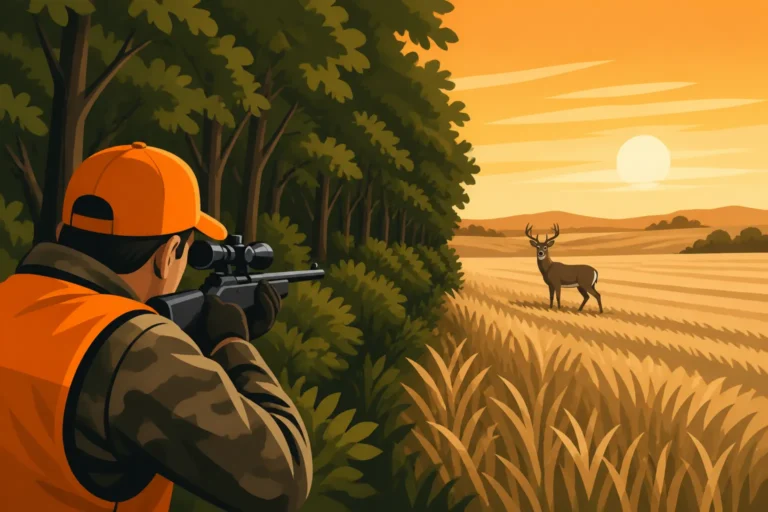
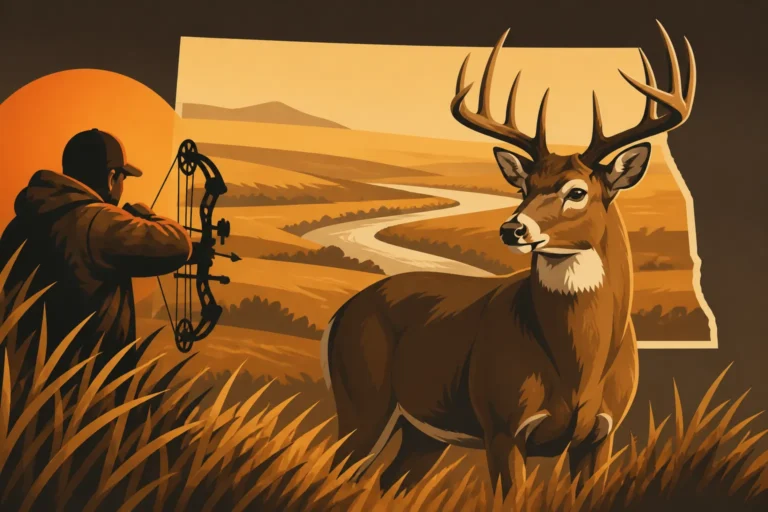
Deer Archery: The North Dakota archery season for deer typically opens much earlier in the fall, usually in late August or early September, long before any waterfowl restrictions would apply. Nonresidents are allowed to hunt deer with a bow on both private and public land during this season, provided they have the appropriate tag. While it might not be your primary target, if you also have an archery tag, it presents a unique opportunity to be in the woods or badlands during the early fall, potentially even before the peak of Bowhunting North Dakota's Long Archery Season. This can be an excellent way to combine hunts and make the most of your travel.
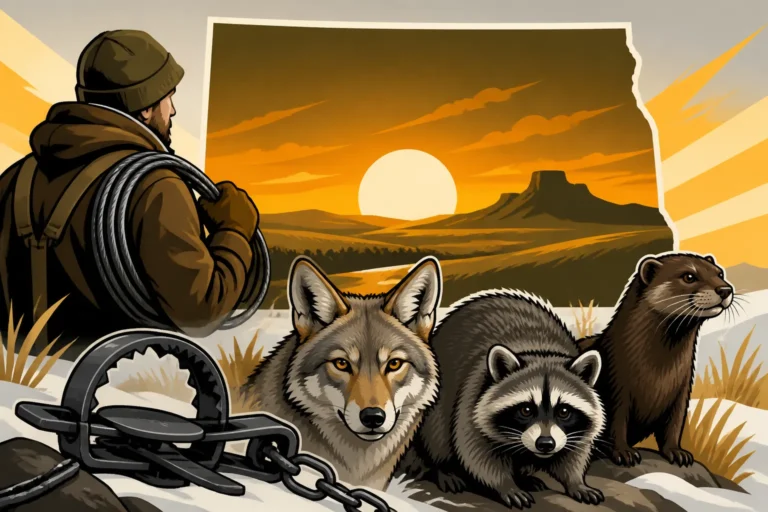
Predator Hunting and Scouting: Another often-overlooked activity for nonresidents during this initial period is predator hunting, primarily for coyotes and foxes. These seasons are open year-round, and with general game and habitat license, you can pursue them. This can be a high-action way to spend time outdoors while scouting for other game. Additionally, if you're waiting out the nine-day waterfowl restriction, this is an prime time to scout. You can use your GoHunt app or other tools to study terrain, identify potential waterfowl flyways, locate upland bird cover, or even scout for deer sign. Knowing where Badlands Bucks Bed or understanding optimal entry routes through Standing Sunflowers can be invaluable when the time comes for your main hunt. Scouting allows you to be on the ground, learning the landscape, and gaining a critical advantage for when the full range of opportunities opens up. It also helps you get a feel for hunting pressure on North Dakota Public Land.
| Hunting Activity | Nonresident Public Land Access (First 9 Days Waterfowl Season) | Nonresident Private Land Access (First 9 Days Waterfowl Season) | Typical Season Dates Overlap | License Required |
|---|---|---|---|---|
| Waterfowl | RESTRICTED (State WMAs, State Lands) | ALLOWED (with permission) | Early Fall (Sep/Oct) | Zone-Restricted Waterfowl, Federal Duck Stamp, HIP |
| Pheasant | ALLOWED (PLOTS, Federal Lands) | ALLOWED (with permission) | Mid-Fall (Oct/Nov) | Small Game, General Game & Habitat |
| Sharptail Grouse | ALLOWED (PLOTS, Federal Lands) | ALLOWED (with permission) | Early Fall (Sep/Oct) | Small Game, General Game & Habitat |
| Hungarian Partridge | ALLOWED (PLOTS, Federal Lands) | ALLOWED (with permission) | Early Fall (Sep/Oct) | Small Game, General Game & Habitat |
| Archery Deer | ALLOWED (State, Federal, PLOTS) | ALLOWED (with permission) | Late Summer/Early Fall | Archery Deer Tag, General Game & Habitat |
| Coyote/Fox (Predator) | ALLOWED (State, Federal, PLOTS) | ALLOWED (with permission) | Year-round | General Game & Habitat (or small game) |
| Scouting | ALLOWED | ALLOWED (respecting private property) | Year-round | None (unless carrying weapon) |
This table provides a quick overview, but always double-check the current North Dakota Game and Fish Department regulations for precise dates and specifics.
Disclaimer
Hunting regulations can change frequently. While this guide provides a comprehensive overview of nonresident hunting opportunities during the initial nine days of North Dakota's waterfowl season, it is crucial to consult the most current North Dakota Game and Fish Department (NDGFD) hunting proclamation and regulations prior to your hunt. Always confirm season dates, license requirements, and specific public land restrictions. The information provided here is for general guidance only and should not be considered legal advice.