North Dakota Area Closures in Season
There's nothing quite as frustrating as meticulously planning a North Dakota hunting trip, scouting out that perfect patch of public land, only to arrive and find it unexpectedly closed. Whether it's a last-minute emergency, a seasonal regulation you missed, or a subtle change to a private land access program, hitting a closed gate can derail your entire season. This guide is here to cut through that confusion, helping you understand the common reasons for hunting area closures in North Dakota and, more importantly, how to stay ahead of them so you can hunt with confidence.
Understanding Seasonal and Emergency Closures
North Dakota is a land of wide-open spaces and dynamic weather, and sometimes, those dynamics mean that hunting areas can be temporarily off-limits. These closures aren't always set in stone at the beginning of the season; they can pop up due to a variety of factors. Knowing the difference between a planned seasonal closure and an unexpected emergency closure is your first step to being a well-informed hunter.
Anticipated Seasonal Restrictions
Many areas have predictable closure periods that are baked into the annual hunting regulations. These aren't surprises, but if you don't read the regulations thoroughly or check updated maps, they can certainly feel like one. For example, some wildlife management areas might restrict access during certain times of the year to protect nesting birds or migrating waterfowl outside of their specific hunting seasons. You might find a section of a WMA designated as a non-hunting refuge until later in the fall.
Another common seasonal restriction is tied to specific game seasons. During the gun deer season, for instance, certain public lands might have different rules for archery hunters, or particular units might be closed to all but those drawn for a specific tag. It’s crucial to cross-reference your target species and weapon choice with the specific dates and locations outlined by the North Dakota Game and Fish Department (NDGFD). Overlapping seasons can sometimes lead to temporary adjustments in access for safety or game management. You'll often find these details buried in the fine print of the annual proclamation or within specific unit descriptions.
Unforeseen Emergency and Safety Closures
While seasonal closures are usually predictable, emergency closures can hit without much warning. These often arise from circumstances that pose an immediate risk to public safety or wildlife. Think about severe fire danger during a dry fall, where widespread burn bans could close off vast tracts of national grasslands or even smaller WMA units. These aren't just about preventing new fires; they're also about keeping hunters out of areas where active fire suppression might be underway.
Another scenario could be severe weather events like blizzards or extreme flooding that make roads impassable or create unsafe hunting conditions. While the NDGFD doesn't typically close an entire region for bad weather, local law enforcement or land managers might restrict access to specific areas until conditions improve. Beyond natural disasters, sometimes human activity leads to emergency closures. Military operations on adjacent lands, search and rescue missions, or even major public events can necessitate temporary closures of nearby hunting areas. Always keep an eye on local news, NDGFD alerts, and county sheriff advisories, as these types of closures often spread through official channels quickly.
Key Reasons Hunting Areas Become Restricted
Hunting area closures aren't just random acts of bureaucracy; they're rooted in sound ecological, safety, and management principles. Understanding the "why" behind these restrictions can help you anticipate them and even inform your planning, making you a more effective and responsible hunter.
Wildlife Management and Habitat Protection
A primary driver for many closures is the protection and management of North Dakota's diverse wildlife populations and their habitats. Sometimes, this means closing areas to allow sensitive species to breed, fledge, or migrate without disturbance. For example, a wetland area might be closed to public entry during peak nesting season for certain duck species, even if it's otherwise open for hunting in the fall. These efforts are vital for ensuring healthy populations for future hunting seasons.
In other cases, habitat restoration projects might require temporary closures. Imagine a prescribed burn being conducted on a section of the Sheyenne National Grassland Hunting to improve prairie health and reduce invasive species. For safety, that area would be closed to all public access until the burn is complete and the area is deemed safe. Similarly, areas where fragile ecosystems are particularly vulnerable to human impact might have periodic closures to allow for regeneration or to prevent degradation. These long-term management goals often dictate short-term access restrictions, all with the aim of sustaining North Dakota's outdoor heritage.
Public Safety Concerns
Safety is paramount, and many closures are enacted to protect hunters and the general public. During high fire danger, areas prone to wildfire are often restricted or completely closed to prevent accidental ignitions. This is particularly true in the Badlands or other dry prairie regions, where a single spark can devastate vast landscapes. Why Baiting Is Banned on National Grasslands for deer is also partially a management decision, but safety around potentially concentrated game is also a factor.
Another safety concern arises when areas are used for multiple purposes. A specific WMA might have a shooting range that is only open during certain hours, or a portion of it might be temporarily closed for a youth hunting event or a conservation education program. The NDGFD also coordinates with military installations to ensure that hunting seasons don't conflict with training exercises that could pose a danger. Always respect signs indicating closures due to ongoing operations or safety zones. Ignoring these warnings isn't just illegal; it puts lives at risk.
Landowner and Program-Specific Rules
North Dakota has a fantastic amount of public and private land accessible for hunting, but each category comes with its own set of rules, and these can lead to closures or specific access limitations. The PLOTS Program Explained is a prime example of voluntary private land access that comes with specific conditions. Landowners enroll their land, but they can dictate certain parameters, like allowing only foot traffic or prohibiting hunting during certain times. While the PLOTS program is designed to open land, a landowner might withdraw their land, leading to a de-facto closure of that specific tract.
| Closure Type | Reason | Hunter Action | Example |
|---|---|---|---|
| Seasonal | Predictable game management, habitat protection | Check annual proclamations, WMA rules, specific season dates well in advance. | WMA closed to public entry during waterfowl nesting season; Archery restrictions during gun season. |
| Emergency | Unforeseen events, immediate safety risk | Monitor NDGFD alerts, local news, weather forecasts, county advisories. | Severe fire danger closes national grasslands; Flooding makes roads impassable to a WMA. |
| Program-Specific | Voluntary agreements, private landowner terms | Consult PLOTS guide, landowner agreements, and posted signs for specific tract rules. | A PLOTS tract might limit access to foot traffic only; A landowner withdraws their PLOTS land. |
| Safety Zones | Overlapping uses, human activity | Heed all posted signs, be aware of nearby infrastructure or special events. | Temporary closure near an active military training area; A portion of a WMA closed for a youth hunt. |
Remember, North Dakota's hunting opportunities often rely on the goodwill of private landowners. Misunderstanding or ignoring their specific terms can jeopardize future access, not just for you but for other hunters as well. Always double-check any special conditions for a PLOTS tract or any private land you've gained permission to hunt.
Essential Tools and Resources for Staying Informed
The good news is that staying informed about North Dakota hunting area closures has never been easier, thanks to a combination of official channels and modern technology. Don't leave your hunt to chance; make these resources part of your planning routine.
Official North Dakota Game and Fish Resources
The North Dakota Game and Fish Department is your absolute go-to for the most accurate and up-to-date information regarding hunting regulations and closures. Their website is a treasure trove of information, including the annual hunting proclamations that detail season dates, bag limits, and general rules for different species like White-Tailed Deer Across North Dakota or Ring-Necked Pheasants in North Dakota. These documents often include specific references to areas with unique restrictions or seasonal closures.
Beyond the broad proclamations, the NDGFD also publishes specific maps and guides for areas like their Wildlife Management Areas (WMAs) and the Private Land Open To Sportsmen (PLOTS) program. The PLOTS Guide Booklet Release Date is something many hunters eagerly await each year, as it's updated with new tracts and any changes to existing ones. They also have an interactive map on their website and a mobile app that allows you to check land boundaries and PLOTS access right from your phone, even if you’re Using the PLOTS App Without Cell Service in the field. Signing up for their email alerts or following their social media channels can also provide real-time updates on emergency closures or significant regulatory changes.
Digital Mapping and GPS Applications
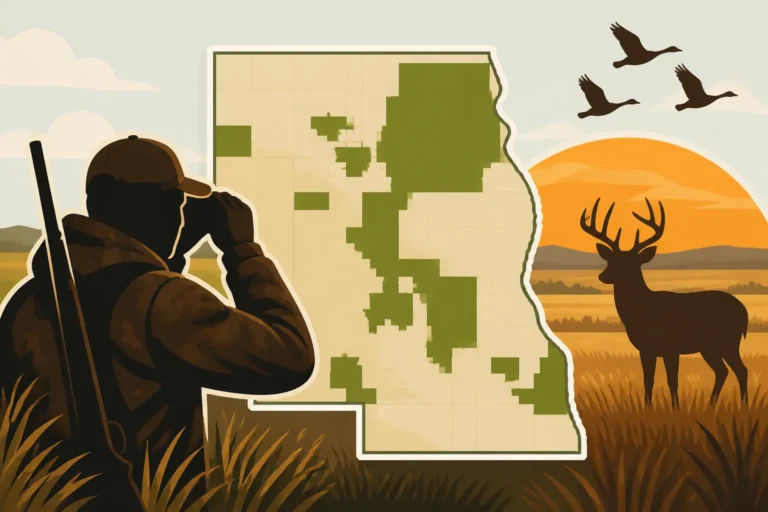
In today's hunting world, digital mapping applications like onX Hunt and GoHunt are indispensable tools for navigating public and private lands and for staying abreast of potential closures. These apps overlay property ownership, land type (public, private, tribal), and even specific management designations (like WMAs or National Grasslands) onto satellite imagery and topographic maps. They can show you not just where a boundary is, but also if that public land has specific rules, or if a PLOTS tract has been removed from the program.
Many of these apps also include layers that denote specific closures or restrictions when provided by the state. While they're not always instantaneous with emergency updates, they are incredibly reliable for pre-planning and understanding the general status of an area. Before heading out, always ensure your app's maps are downloaded for offline use and that you've checked for any recent updates. This way, even if you lose cell service deep in the Hunting North Dakota's Badlands, you still have access to critical land data. Using these tools to verify your location against known boundaries is not just good practice; it's essential for avoiding accidental trespass or hunting in a restricted zone.
Navigating Specific Closed Area Types
Not all "closed" areas are created equal. Some are permanently off-limits to hunting, others are only closed to certain activities, and still others might be accessible but with very specific limitations. Understanding these nuances is critical for effective planning and ethical hunting.
Permanently Restricted Areas and Refuges
Certain areas in North Dakota are simply not open to hunting, regardless of the season or your license. National Parks, like Theodore Roosevelt National Park in the Badlands, are typically off-limits to hunting. While you can hunt near them, crossing into their boundaries with a firearm is a serious offense. Similarly, some state parks might have very limited, lottery-based hunting opportunities, or none at all, depending on their specific mandates. Always check Which North Dakota State Parks Allow Hunting before assuming access.
Wildlife refuges, while sometimes offering hunting opportunities, often have large portions designated as non-hunting sanctuaries or closed to entry during critical times. These areas are vital for providing undisturbed breeding, nesting, and resting grounds for various species, especially migratory birds. Always check the specific refuge's regulations, as they can differ significantly from statewide rules and even from one refuge to another. Misinterpreting signs or boundaries here can lead to heavy fines and the loss of hunting privileges.
Wildlife Management Areas with Specific Rules
North Dakota's Wildlife Management Areas (WMAs) are fantastic resources, providing public hunting and recreation opportunities across the state. However, they often come with their own set of rules and, yes, potential closures. While WMAs are generally managed for hunting, some might have specific areas designated as "no entry" or "no hunting" zones to protect sensitive habitats or provide wildlife sanctuaries. These are typically well-signed, but it's your responsibility to be aware.
Beyond outright closures, WMAs can have restrictions on vehicle access, overnight camping, or even the types of blinds you can use. For instance, some might prohibit permanent stands or even certain types of ground blinds that could damage vegetation. It's not uncommon for a WMA to close internal roads during wet conditions to prevent damage, forcing hunters to walk further. Before heading to a new WMA, always consult the NDGFD website for its specific rules and any current advisories. For those Hunting a Waterfowl Production Area for Deer, remember that these lands, while open, have a primary focus on waterfowl habitat and may have different considerations than a typical WMA.
Public Land Open To Sportsmen (PLOTS) Considerations
The PLOTS program is a phenomenal initiative that opens up hundreds of thousands of acres of private land for public hunting. However, because it's based on voluntary agreements with private landowners, there are unique considerations regarding closures. Landowners can choose to withdraw their land from the program at any time, or they might not renew their contract. This means a tract that was open last year might be closed this year. This is why getting the updated Using the PLOTS Guide Booklet or checking the digital map is so important before each season.
Furthermore, PLOTS tracts can come with specific restrictions imposed by the landowner, such as "foot traffic only" or prohibitions on motorized vehicles. While these aren't full closures, they certainly limit your access and how you can hunt. It's critical to respect these rules, as they are part of the agreement that provides public access. Ignoring them jeopardizes the entire program. Always look for the distinct yellow PLOTS signs, and read any additional information posted on them. If a sign is missing, or the land looks different, double-check your onX Hunt app or your physical map. When Hunting a North Dakota Prairie Pothole Slough Edge on PLOTS, knowing the specific rules for that tract is key to a smooth hunt.
Planning Your Hunt Around Potential Closures
Dealing with potential hunting area closures requires proactive planning and a flexible mindset. A little foresight can save you a lot of headache and ensure your precious hunting days are spent in the field, not frustrated by a closed gate.
Pre-Season Scouting and Contingency Plans
The best defense against unexpected closures is thorough pre-season scouting, both digitally and, if possible, physically. Before the season opens, dedicate time to poring over maps, especially using tools like GoHunt or onX Hunt to analyze different public land options, including WMAs, National Grasslands, and PLOTS tracts. Identify not just your primary hunting spots but also several backup locations. What if your favorite WMA unit is closed due to a late-season prescribed burn? Having a "Plan B" (and C, and D) for alternative hunting grounds will save you valuable time during the season.
When scouting physically, pay attention to access roads, parking areas, and any permanent signs that might indicate seasonal closures or restrictions. Look for signs of recent habitat work or potential fire hazards. If you're relying on a PLOTS tract, drive by it a few weeks before the season to ensure the signs are still up and that the land hasn't been recently withdrawn. Understanding Hunting Pressure on North Dakota Public Land might also influence your contingency plans, as popular areas might be more prone to specific closures or overcrowding.
Staying Updated During the Season
Your research shouldn't stop once the season begins. Active monitoring of official sources throughout your hunting period is essential. The NDGFD website is your primary resource for real-time updates on closures, advisories, and regulation changes. Many hunters sign up for text or email alerts from the department to receive immediate notifications. Local county sheriff's offices and fire departments also often issue alerts regarding fire bans or road closures that could impact hunting access.
For longer trips, particularly if you're traveling a significant distance to hunt North Dakota Waterfowl on the Prairie Pothole Flyway, it’s a good idea to check conditions and potential closures for your specific destination daily. A quick check of your onX Hunt app before you leave camp each morning can confirm public land boundaries and alert you to any updates, especially if you're in an area with spotty cell service and relying on downloaded maps. This continuous vigilance ensures you're always operating with the most current information, letting you adapt quickly to any changes and maximize your time afield.
Respecting Closures and Adapting Your Hunt
Encountering a closure, whether expected or unexpected, can be disappointing. However, it's absolutely crucial to respect all posted signs and official notices. Ignoring closures isn't just illegal; it can lead to dangerous situations, harm wildlife, damage habitat, and erode the trust between hunters, landowners, and land managers. If an area is closed, it's closed for a reason.
Instead of getting discouraged, view it as an opportunity to explore new areas or try different hunting tactics. Maybe that closed WMA pushes you to discover a lesser-known PLOTS tract, or a fire ban forces you to focus on river bottom hunting for deer instead of dry prairie draws. Reading a Missouri River Bottom for Deer requires different skills than hunting the open prairie. Having backup spots and being willing to adapt your plans demonstrates good sportsmanship and resourcefulness. Remember, the goal is to enjoy the hunt safely and ethically, and sometimes that means rolling with the punches that nature and management throw your way.
Disclaimer
This article is for general informational purposes only and does not constitute professional advice. Laws, prices and regulations vary by location and change over time. Consult a qualified professional for guidance on your specific situation.