North Dakota Deer Camps and Hunting Clubs
For many hunters, the solitude of the North Dakota prairie is part of the allure, but for others, the joy of the hunt is amplified by shared experiences, camaraderie, and the rich traditions found in deer camps and hunting clubs. If you've ever felt the desire to connect with like-minded individuals, pool resources, or simply have a consistent, welcoming base camp for your hunting adventures, this guide will walk you through everything you need to know about navigating the world of North Dakota deer camps and hunting clubs.
The Enduring Appeal of Deer Camps in North Dakota
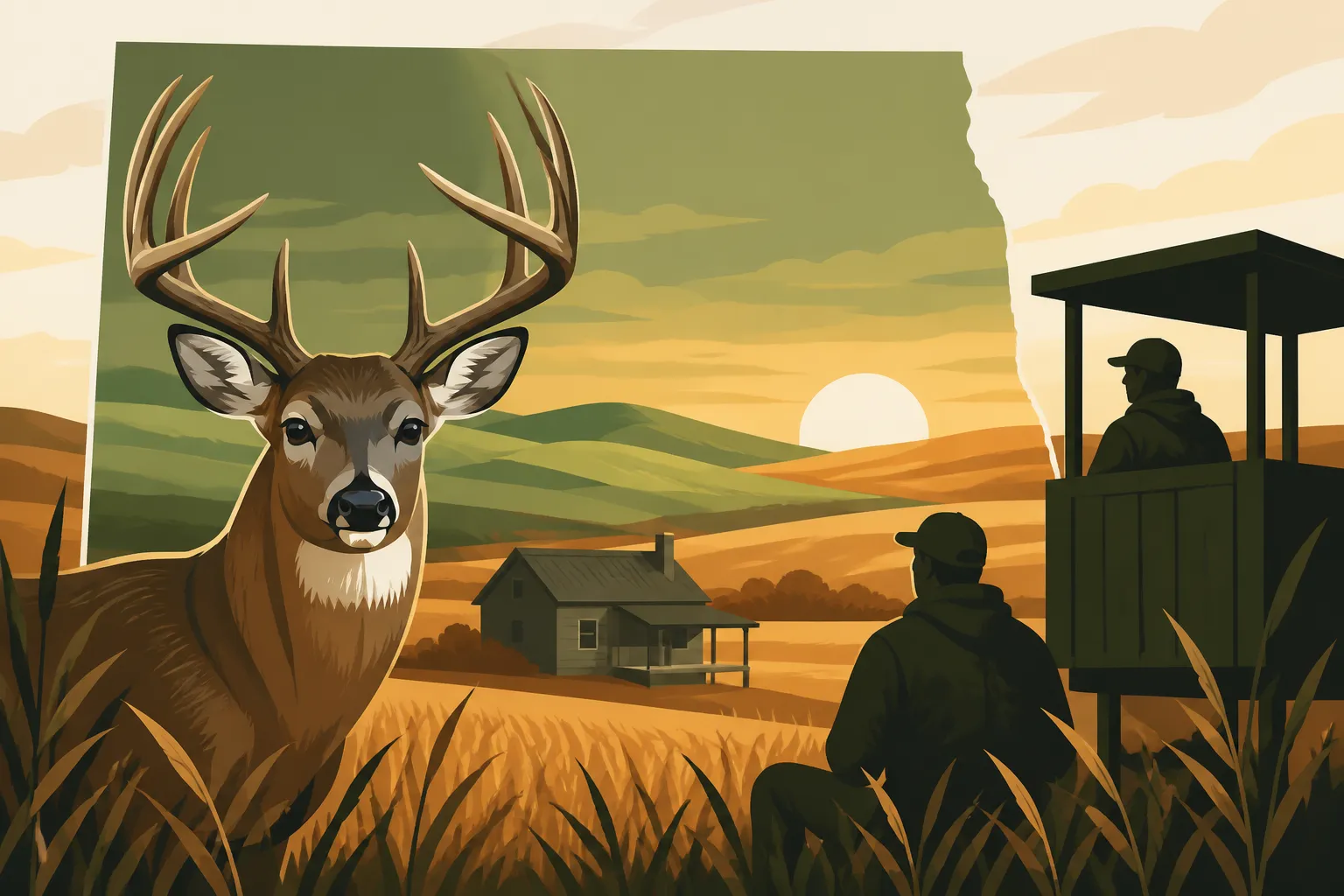
There's something uniquely special about a deer camp in North Dakota. It's more than just a place to hang your hat after a long day stalking whitetails or mule deer; it's a focal point for stories, shared meals, and the deepening of friendships that often last a lifetime. For many, the camp itself becomes as much a part of the hunting experience as the chase itself.
More Than Just a Place to Sleep: The Social Fabric
A deer camp, whether it's a rustic cabin, a collection of wall tents, or a few RVs parked together, fosters an incredible sense of community. Imagine waking up before dawn, the smell of coffee and bacon filling the cold morning air, as everyone discusses their plans for the day, sharing intel from yesterday's hunts. These are the moments that truly define the deer camp experience. After the hunt, the stories flow freely, sometimes embellished a little, around a crackling fire or over a hearty meal. This shared social fabric turns individuals into a cohesive hunting family, celebrating successes together and commiserating over missed opportunities.
This camaraderie extends beyond just storytelling. When you're blood trailing a deer in fresh prairie snow after dark, knowing you have a few buddies back at camp ready to lend a hand is invaluable. The collective effort of tracking, field dressing, and even butchering a deer at camp becomes a team activity. It truly lightens the load and builds bonds that can withstand even the coldest December cold snap. These shared endeavors are what make deer camp traditions so powerful.
Furthermore, a deer camp often becomes a yearly pilgrimage, a fixed point in the calendar that families and friends look forward to. It's a place where everyone can momentarily step away from the daily grind and immerse themselves in the rhythm of the outdoors. The shared commitment to the hunt, the respect for the land, and the simple act of being together in nature creates a powerful, almost spiritual connection that rejuvenates the soul and reinforces why we love hunting so much.
Passing Down Traditions and Knowledge
Deer camps are invaluable melting pots of hunting knowledge and traditions. Younger, less experienced hunters can learn directly from veterans, soaking up wisdom that can't be found in books or online forums. This might involve understanding how to read North Dakota mud for fresh deer movement, deciphering scrape lines along a section line trail, or mastering the art of a quiet still-hunt through Missouri River bottomland. These practical skills are often best taught through hands-on experience, with mentors sharing techniques and explaining the nuances of deer behavior.
Beyond the technical skills, traditions are born and upheld in these camps. It could be a specific opening morning breakfast, a ritual for field dressing the first deer of the season, or a unique game processing method passed down through generations. These traditions create a sense of continuity and belonging, connecting hunters to the past and future of their shared passion. The stories of past hunts, the legends of "the one that got away," and the collective memories of years gone by contribute to a rich tapestry of camp lore that is lovingly preserved and shared.
For many, camp is also where ethical hunting practices and respect for wildlife are instilled. Discussions about responsible harvesting, conservation efforts, and the importance of following regulations become natural parts of the conversation. It's where the next generation learns that hunting is not just about taking an animal, but about stewardship, appreciation for the resource, and upholding a respectful bond with the land and its creatures. North Dakota Hunter Education Requirements certainly cover the legal bases, but camp life fills in the moral compass.
Logistical Advantages for Group Hunts
Organizing a group hunt, especially for multiple days in North Dakota, can be a logistical headache without a central hub. Deer camps and hunting clubs inherently solve many of these challenges. Having a designated spot to store gear, process game, cook meals, and get a good night's rest dramatically simplifies the entire operation. Instead of everyone fending for themselves, resources like communal cooking equipment, shared coolers, and even larger vehicles for dragging a deer out of a coulee can be pooled and managed efficiently.
Consider the benefits during early-to-mid November when hunting the rut. Instead of commuting long distances daily, or setting up a new temporary camp every night, a fixed deer camp allows hunters to maximize their time in the field. It also provides a warm, dry place to regroup, strategize, and clean up after an exhausting day. This is particularly crucial during late-season hunts where hunting into a December cold snap demands proper shelter and the ability to dry out wet gear.
Furthermore, a well-established camp can simplify game management. Many camps have dedicated areas for hanging deer or preparing meat, making the process cleaner and more efficient. The ability to coordinate multiple hunters across different areas, using radios or mapping apps like onX Hunt, becomes much easier when everyone knows they'll be returning to the same base camp. This central point of operation makes large group hunts, like deer drives with three or four hunters, far more feasible and enjoyable for everyone involved.
Understanding North Dakota Hunting Clubs
While deer camps are often informal gatherings of friends and family, hunting clubs typically involve a more formalized structure, often with bylaws, membership dues, and shared responsibilities. These clubs can range from small, exclusive groups that lease prime private land to larger organizations focused on habitat improvement or public land access strategies. They offer a unique pathway to consistent hunting opportunities and a supportive community.
Different Models of Hunting Clubs
North Dakota hunting clubs come in various forms, each with its own advantages and operational models. Some clubs lease private land, providing members with exclusive access to specific hunting grounds. These can be particularly appealing for deer hunters seeking to avoid public land pressure or for pheasant hunters looking for prime habitat without the worry of overcrowding. Such clubs often invest in habitat improvements like food plots or shelterbelts, which can enhance the hunting experience and increase game populations.
Other clubs might focus on shared resources and knowledge, acting more as a cooperative for members who primarily hunt Public Hunting Land in North Dakota or use programs like The PLOTS Program Explained. These clubs might organize scouting trips, share information on game movement, or collectively invest in equipment like decoys for waterfowl hunting. The emphasis here is less on exclusive land access and more on community, shared expertise, and collaborative hunting strategies. This approach can significantly reduce individual costs and provide access to a broader range of hunting experiences.
Then there are clubs that combine elements of both, perhaps leasing a few key parcels while also organizing hunts on public lands or through special permits. Some clubs even focus on specific game species, such as a "Prairie Pothole Duck Club" or a "Badlands Mule Deer Alliance." Each model caters to different preferences and financial commitments, offering a diverse landscape of options for hunters looking to join a structured group. The key is to find a club whose philosophy and hunting style align with your own.
The Membership Investment and What It Entails
Joining a hunting club usually involves a financial commitment beyond just your annual hunting licenses. Membership dues can vary widely depending on the club's model, the quality and exclusivity of the land, and the amenities provided. For clubs that lease extensive private property, annual dues might include a share of the lease cost, property taxes, insurance, and maintenance expenses for things like cabins or access roads. These costs can represent a significant investment but often provide unparalleled access and quality hunting experiences that would be difficult or impossible to achieve individually.
Beyond the financial aspect, members are often expected to contribute time and effort to the club's operations. This could mean participating in workdays to maintain food plots, repair blinds, or clean up the property. It's a shared responsibility that ensures the club's success and the quality of the hunting grounds. For example, maintaining a green field planted for deer or working a fencerow for late-season deer and geese often requires collective effort. These workdays are not just chores; they're another opportunity for camaraderie, learning, and reinforcing the shared investment in the club.
Before joining, it's crucial to understand what the membership investment entails, both financially and in terms of time. Ask about initiation fees, annual dues, special assessments, and expected work commitments. A transparent club will provide a clear breakdown of these costs and expectations. While the investment can be substantial, the benefits often far outweigh the drawbacks, offering consistent access, shared resources, and a strong community of fellow hunters.
Balancing Rules and Regulations with Freedom
Hunting clubs, by their very nature, operate under a set of rules and regulations designed to ensure fair access, safety, and responsible management of the hunting grounds. These rules are usually outlined in club bylaws and can cover everything from guest policies and hunting hours to harvest limits and specific stand locations. While some hunters might initially balk at the idea of structured rules, they are essential for maintaining harmony within the group and preserving the quality of the hunting experience for everyone.
For instance, a club might have specific rules about minimum antler points for bucks to ensure a healthy buck age structure. Or, they might implement a sign-up system for popular hunting blinds to prevent conflicts. These rules, while limiting individual "freedom" in some respects, ultimately protect the resource and prevent disputes that could otherwise sour the club experience. Imagine the frustration if multiple members showed up to hunt the same prime shelterbelt corner at dusk without any system in place.
It's about finding a balance. A well-run club will have rules that are clearly communicated, fair, and contribute to the overall enjoyment and success of its members. However, if the rules feel overly restrictive or are inconsistently enforced, it can lead to friction and dissatisfaction. Prospective members should carefully review a club's bylaws and talk to current members to gauge the club's culture and how effectively rules are balanced with individual hunting preferences. Ultimately, the rules are there to foster a collaborative and respectful hunting environment, ensuring everyone has a positive experience.
| Feature | Deer Camp (Informal) | Hunting Club (Formal) |
|---|---|---|
| Structure | Loose, often family/friends | Formal bylaws, membership agreements |
| Land Access | Public land, personal private land, landowner permission | Leased private land (exclusive), shared public access |
| Cost | Shared trip expenses (food, fuel, shared lodging) | Annual dues, initiation fees, lease shares |
| Commitment | Ad-hoc, informal contributions | Required workdays, maintenance, rule adherence |
| Longevity | Seasonal, or multi-generational family tradition | Ongoing, year-round management and membership |
| Decision Making | Group consensus, informal leader | Board, committees, formal voting processes |
| Amenities | Basic, shared gear, temporary shelters | Established cabins, blinds, food plots, facilities |
Setting Up Your Own Deer Camp
If the idea of a deer camp appeals to your spirit of independence and community, setting up your own can be an incredibly rewarding endeavor. It requires careful planning, a bit of elbow grease, and a group of like-minded individuals. The beauty of creating your own camp is the ability to tailor it precisely to your group's needs and traditions, fostering an environment that feels truly your own.
Choosing the Right Location for Your Camp
The success of your deer camp hinges significantly on its location. First and foremost, it needs to be close enough to your primary hunting grounds to be practical. This could mean positioning your camp strategically near large tracts of Public Hunting Land in North Dakota or on a piece of private property where you've secured Getting Private Land Permission in North Dakota. Consider travel time to and from your hunting spots each day. A camp that requires a long drive before and after the hunt can quickly become tiresome.
Beyond proximity to game, evaluate the practicalities of the camp site itself. You'll need relatively flat ground for tents or RVs, good drainage, and ideally some natural shelter from the elements. North Dakota weather can be unpredictable, so a spot that offers protection from wind, especially during a December cold snap, is a huge bonus. Access to fresh water is another critical factor, whether it's via well, hauled-in containers, or a nearby potable source. Road access for vehicles, especially if you're hauling in larger trailers or retrieving game, is also vital.
Before settling on a location, ensure you have the legal right to establish a camp there. If it's private land, get explicit permission from the landowner. If it's public land, research the specific regulations for camping and temporary structures. For example, camping rules on North Dakota National Grasslands might differ from those on Wildlife Management Areas. Utilizing tools like onX Hunt can be incredibly helpful here, allowing you to easily identify property lines, public land boundaries, and potential access points while scouting prospective camp locations.
Essential Gear and Infrastructure for a Comfortable Camp
Once you've secured your location, outfitting your camp with the right gear and infrastructure will make all the difference between a miserable trip and a memorable one. Start with shelter: durable tents, pop-up campers, or RVs are common. For longer stays, especially in colder weather, a canvas wall tent with a wood stove can provide a surprisingly cozy and warm retreat. Ensure sleeping arrangements are comfortable; quality sleeping bags rated for cold temperatures are a must.
Beyond shelter, think about the basics: cooking facilities, water storage, and sanitation. A reliable propane stove or grill, along with a good cooler or refrigerator, will keep everyone fed and happy. Access to potable water is non-negotiable, so plan for large water containers or a filtration system if a natural source is available. For sanitation, consider a portable toilet system or designate an appropriate latrine area away from water sources and camp. Don't forget lighting – lanterns, headlamps, and perhaps some string lights for ambience are essential.
Finally, consider the tools and communal items that will enhance the camp experience. A large communal table, comfortable chairs, a fire pit, and ample space for gear storage are often overlooked but greatly appreciated. For game processing, set up a dedicated area with a sturdy table, sharp knives, and plenty of cleaning supplies. Remember, the goal is to create a functional and comfortable space where hunters can relax, recharge, and prepare for the next day's hunt.
Establishing Camp Etiquette and Responsibilities
For a deer camp to thrive, everyone needs to be on the same page regarding expectations and responsibilities. Clear camp etiquette and a division of labor prevent misunderstandings and ensure a smooth, enjoyable experience for all. This might involve setting guidelines for quiet hours, especially for early risers, or rules for communal cooking and cleanup duties. Who's on coffee duty? Who cleans the dishes after dinner? These seemingly small details can make a big difference in camp harmony.
Consider rotating responsibilities for meal prep, cleanup, and firewood gathering. A simple schedule can ensure that no one person feels burdened and everyone contributes. For example, one day a pair might be responsible for breakfast and dinner, the next day another pair takes over. This shared workload builds teamwork and allows everyone to fully enjoy their time in the field without worrying about all the camp chores falling on one person.
Beyond chores, establishing clear communication protocols is essential, especially regarding hunting plans. Everyone should know where others are hunting to ensure safety and avoid overlapping efforts. Discuss safety rules rigorously, especially concerning firearms. A responsible camp will prioritize safety above all else, ensuring that everyone understands and adheres to safe firearm handling practices. Ultimately, a successful camp is built on mutual respect, clear communication, and a shared commitment to both the hunt and the camaraderie. This collective approach forms the heart of North Dakota Deer Camp Traditions.
Finding and Joining an Existing Hunting Club
If the thought of setting up your own camp from scratch feels daunting, or you're simply looking for established access and community, joining an existing hunting club might be the perfect fit. North Dakota has a variety of clubs, and finding the right one requires some research and a willingness to engage.
Researching Local Clubs and Opportunities
The first step in joining a hunting club is to identify clubs in the regions where you want to hunt. Start by asking around your local hunting community, visiting sporting goods stores, or attending local conservation organization meetings. Online forums and social media groups dedicated to North Dakota hunting can also be excellent resources for finding active clubs. Word-of-mouth recommendations are invaluable, as they often provide insights into a club's culture and reputation.
When researching, look beyond just land access. Consider the club's philosophy, its primary game species focus, and the general vibe of its members. Are they focused strictly on big bucks, or do they also enjoy upland bird hunting or waterfowl? Do they emphasize conservation and habitat work? Understanding these aspects will help you determine if the club aligns with your personal hunting interests and values. Tools like GoHunt can provide some insights into drawing odds and unit specific information, which might indirectly inform what types of clubs exist in certain areas.
Don't be afraid to reach out to club representatives. Many clubs are actively looking for new members who share their passion and are willing to contribute. Prepare a list of questions about membership costs, expectations, rules, and what a typical season looks like. A good club will be transparent and welcoming to prospective members, understanding that finding the right fit is important for both sides.
The Application and Vetting Process
Joining a hunting club is rarely as simple as just paying dues. Most established clubs have an application and vetting process designed to ensure new members are a good fit and share the club's values. This process can range from a casual interview over coffee to a more formal application, background check, and even a probationary period. Clubs want to protect their investment in land and community, so they'll want to get to know you.
During the application process, be honest about your hunting experience, your availability to contribute to workdays, and your expectations. Clubs often seek members who are not only passionate hunters but also responsible, respectful, and willing to participate in the club's activities beyond just hunting. They'll want to know you're not just there to take, but to give back to the shared experience. Be prepared to provide references from other hunters or community members who can vouch for your character and hunting ethics.
Some clubs might require a trial period where you join as an associate member for a season, allowing both you and the club to assess the fit before committing to full membership. This is a great opportunity to experience the club firsthand, participate in workdays, and get to know the other members. Treat this period seriously; it's your chance to show you're a valuable addition to the team.
What to Expect as a New Club Member
Once accepted, expect an initial learning curve as you integrate into the club's routines and culture. Every club has its own unspoken rules and traditions, in addition to the written bylaws. Pay attention, ask questions, and be respectful of the established ways of doing things. You'll likely be introduced to key members and given an orientation to the property, including boundaries, designated hunting areas, and any off-limits zones. Finding North Dakota Property Lines is crucial here, and digital tools can help with that.
As a new member, your willingness to contribute and participate will be highly valued. Volunteer for workdays, help with camp chores, and offer assistance to fellow members. Being a proactive and positive member will help you quickly build rapport and earn the respect of the existing members. Remember, you're joining a community, and active participation is key to a rewarding experience.
Finally, be patient. Building deep relationships within a club takes time. While you might immediately find hunting buddies, the true sense of belonging often develops over several seasons. Embrace the opportunity to learn from more experienced members, share your own knowledge, and contribute to the club's success. The rewards of a strong hunting club, from consistent hunting access to lifelong friendships, are well worth the initial investment of time and effort.
The Pros and Cons of Deer Camps and Hunting Clubs
Deciding whether a deer camp or hunting club is right for you involves weighing the benefits against the potential drawbacks. Both offer unique advantages, but also come with their own set of challenges. Understanding these can help you make an informed decision that aligns with your hunting style and personal preferences.
Benefits of Community and Shared Resources
The most significant benefit of both deer camps and hunting clubs is the sense of community. Hunting can often be a solitary pursuit, but sharing the experience with others adds a dimension of joy, camaraderie, and mutual support that is truly special. Imagine the satisfaction of celebrating a successful harvest with friends or having a sympathetic ear after a tough day in the woods. This shared journey fosters deep friendships and creates lasting memories that extend far beyond the hunting season itself.
Beyond emotional support, these communal arrangements offer significant practical advantages through shared resources. Instead of each hunter buying expensive gear like ATVs, large coolers, or game processing equipment, these items can be pooled and shared, reducing individual costs. Club leases, while an investment, often provide access to higher quality private land that would be financially out of reach for an individual hunter. This allows members to focus on Hunting a Shelterbelt Edge for Deer or Hunting Standing Corn for Late-Season Geese without constantly worrying about finding new ground.
Furthermore, the collective knowledge and experience within a camp or club can drastically improve your hunting success. Veterans can offer advice on everything from reading aerial photos for Badlands deer to the best entry routes through standing sunflowers. This collective wisdom acts as a continuous learning environment, helping both new and seasoned hunters refine their skills and deepen their understanding of wildlife and habitat. This collective experience is a huge boon compared to solitary learning.
Potential Drawbacks and Conflicts
While community is a major draw, it can also be a source of friction. Personality clashes, differing hunting styles, or disagreements over rules and etiquette can create tension within a camp or club. One hunter's idea of respectful camp behavior might differ wildly from another's, leading to resentment. For example, some might prefer quiet solitude in the evenings, while others enjoy loud storytelling around a fire. These minor differences can fester if not addressed openly and respectfully.
Financial disagreements are another common pitfall, especially in clubs where members share lease costs or maintenance expenses. Disputes over contributions, how funds are spent, or the fairness of dues can quickly unravel a club's harmony. It's crucial for clubs to have transparent financial management and clear processes for addressing monetary concerns to avoid these issues. Similarly, the burden of maintenance and workdays can lead to conflicts if some members feel they are contributing more than others.
Moreover, if a club's rules are too restrictive or if there's a perceived imbalance in hunting opportunities among members, it can lead to frustration. Hunters join clubs for access and freedom to hunt, and if those feel curtailed, dissatisfaction can grow. For self-organized deer camps, a lack of clear leadership or established responsibilities can result in disorganization and a less enjoyable experience for everyone involved. Addressing potential conflicts proactively, with open communication and fair processes, is key to mitigating these drawbacks.
Weighing the Costs Against the Value
Ultimately, deciding whether to join a deer camp or hunting club comes down to a personal assessment of cost versus value. The "cost" isn't just financial; it includes your time, your willingness to compromise, and your investment in the community. For some, the expense and potential for conflict might seem too high, preferring the complete independence of hunting solo or sticking to public lands without formal group commitments. In this case, simply using tools like onX Hunt to navigate The PLOTS Program Explained might be sufficient.
However, for many, the value derived from a strong hunting community, consistent access to quality hunting grounds, and the shared experiences far outweighs the costs. The friendships forged, the knowledge gained, and the traditions upheld become priceless. Think about the joy of North Dakota Deer Camp Traditions, or the efficiency of having multiple people for a Deer Drives With Three or Four Hunters. These benefits are substantial.
Consider what you prioritize in your hunting life. If you thrive on camaraderie, shared learning, and consistent access, a camp or club could be a fantastic investment. If you prefer absolute solitude, minimal social commitments, and managing every aspect of your hunt yourself, then a more independent approach might be better. There's no right or wrong answer, only what's right for you and your unique hunting journey in North Dakota.
Leveraging Technology for Camp and Club Management
In today's connected world, technology offers powerful tools that can streamline the management of deer camps and hunting clubs, enhancing communication, improving scouting efforts, and simplifying administrative tasks. From basic messaging apps to specialized hunting software, integrating technology can make your group hunts more efficient and enjoyable.
Digital Tools for Communication and Coordination
Gone are the days of endless phone calls and scattered text messages trying to coordinate a group hunt. Modern digital communication tools can revolutionize how deer camps and hunting clubs stay connected. Group messaging apps, like WhatsApp or dedicated hunting apps with chat features, allow for instant communication regarding hunt plans, sightings, and even emergency situations. Imagine being able to quickly update everyone on Wind and Thermals in Badlands Terrain or coordinate entry routes through standing sunflowers with a few taps on your phone.
Beyond simple chat, shared calendars and task management apps can help organize workdays, allocate camp duties, and keep track of important deadlines. This is especially useful for hunting clubs with ongoing habitat projects or a busy schedule of social events. Members can easily see who's responsible for what, and when tasks need to be completed, ensuring that all responsibilities are handled efficiently. This transparency helps prevent conflicts and ensures everyone is pulling their weight.
For more formal clubs, a dedicated online portal or forum can serve as a central hub for sharing documents, posting club announcements, and facilitating discussions on various topics. This allows for a more organized repository of information, from club bylaws to maps of leased property, ensuring all members have access to the same critical details. These tools reduce administrative burden and keep everyone informed and engaged, even when they're not physically at camp.
Mapping and Scouting with Modern Applications
Modern mapping applications have become indispensable tools for hunters, and they are particularly powerful when used collaboratively within a deer camp or hunting club. Apps like onX Hunt allow members to share waypoints, mark game sightings, identify property boundaries, and pinpoint stand locations. This shared intelligence can greatly enhance scouting efforts, especially in unfamiliar territory like the Hunting North Dakota's Badlands Mule Deer Country or vast public lands.
Imagine a scenario where multiple club members are scouting different areas of a leased property. With a shared onX Hunt map, each member can drop pins for fresh deer sign, bedding areas, water sources, or potential ambush points. This collective data creates a comprehensive picture of game movement and habitat use, allowing the entire group to strategize more effectively. It saves time, reduces redundant scouting, and leverages the eyes and boots of every member. This is a game-changer for understanding where badlands bucks bed or how deer use a coulee rim at last light.
Furthermore, these apps can help with navigation, ensuring hunters stay within property lines and designated hunting zones. The ability to track your movements in real-time and see your exact location relative to boundaries provides immense peace of mind. For clubs managing large tracts of land or those regularly hunting diverse areas, collaborative mapping is a powerful asset that enhances safety, efficiency, and overall hunting success. This is a fantastic tool for finding access points and understanding land ownership, even for scouting PLOTS land with the ND Hunt App.
Streamlining Club Operations with Software
For larger, more established hunting clubs, specialized software or even custom-built solutions can streamline various operational aspects. This might include membership management systems that handle applications, dues collection, and member directories. Automated invoicing and payment reminders can reduce the administrative workload for club treasurers, allowing them to focus on more strategic financial planning. Such systems can also track membership history, contributions, and even preference points within the club's internal draw systems for specific stands or areas.
Some advanced platforms offer features for reservation systems, allowing members to book specific hunting blinds, cabins, or equipment on a first-come, first-served basis, or through an internal lottery system. This prevents conflicts and ensures fair access to prime spots, like a particular shelterbelt edge or a strategically located ground blind on PLOTS land. These systems can also manage guest policies, tracking who is on the property at any given time for safety and accountability.
While implementing such software might seem like a significant undertaking, the long-term benefits in terms of efficiency, transparency, and member satisfaction can be substantial. It frees up valuable volunteer time, reduces potential for human error, and provides a professional framework for managing a complex organization. For clubs looking to grow and provide the best possible experience for their members, embracing these technological solutions is a smart move.
Disclaimer
This article is for general informational purposes only and does not constitute professional advice. Laws, prices and regulations vary by location and change over time. Consult a qualified professional for guidance on your specific situation.