Finding Access Near Bismarck
It’s a familiar frustration for many hunters, especially those new to North Dakota or looking to explore new areas: you’re in a bustling city like Bismarck, surrounded by what feels like endless open country, but actually figuring out where you can legally and effectively hunt feels like trying to solve a puzzle without all the pieces. This guide is here to help you crack that code, offering practical strategies and insights for finding accessible hunting land in and around North Dakota's capital city.
Understanding the Hunting Landscape Around Bismarck
Bismarck, nestled along the mighty Missouri River, offers a unique blend of hunting environments within a relatively short drive. It’s not just wide-open prairie everywhere you look, though there's certainly plenty of that. Understanding these distinct zones is your first step to unlocking access and tailoring your hunting approach. The landscape around Bismarck dictates not only what game you'll find, but also the best methods for hunting and, critically, where you're most likely to gain permission or find public ground.
The Missouri River Corridor's Influence
The Missouri River isn't just a geographical feature; it's a major wildlife artery, creating a vibrant ecosystem distinct from the surrounding prairie. Within the river breaks, coulees, and extensive riparian timber, you'll find prime habitat for whitetail deer. This dense cover offers excellent thermal protection and abundant food sources, especially as winter approaches. The river itself, along with its associated backwaters and oxbow lakes, is a magnet for waterfowl, especially during migration. This means lands adjacent to the river, whether public or private, are often highly sought after by hunters. The terrain here can be surprisingly rugged, with steep bluffs and deep draws leading down to the water. Understanding these features, particularly how deer use the river bottoms for travel and bedding, is crucial. Hunting Missouri River Bluff Country is a good read for deeper insights into this specific terrain.
Prairie and Farmland Dynamics
Beyond the immediate river corridor, the landscape transitions into a mix of rolling native prairie, grasslands, and extensive agricultural fields. To the west, you'll find more unbroken prairie, sometimes broken by shallow draws and scattered brush. This is classic sharptail grouse country, and you might even bump into a pheasant or two. East of Bismarck, the land tends to be flatter and more intensively farmed, with large tracts of corn, soybeans, and wheat. This agricultural mosaic provides critical food sources for deer, pheasants, and geese. The edges of these fields, especially where they meet shelterbelts or small pockets of cover, can be incredibly productive. Hunters often find themselves navigating a checkerboard of private land, making landowner relations paramount. Even small patches of unharvested crops or CRP (Conservation Reserve Program) ground can hold significant numbers of birds.
Leveraging North Dakota's Public Land Programs
While private land dominates much of North Dakota, the state offers several excellent public access programs and land designations that provide crucial hunting opportunities near Bismarck. Knowing how to identify, access, and hunt these areas effectively is key to a successful experience, especially if you don't have private land connections.
PLOTS (Private Land Open To Sportsmen)
The PLOTS program is a true gem for public access in North Dakota. These are private lands where landowners have voluntarily opened their property to public hunting and fishing, typically for a fee paid by the state. Near Bismarck, you'll find numerous PLOTS tracts, ranging from small patches of grassland to expansive crop fields and river bottom timber. The beauty of PLOTS is that it democratizes hunting access, allowing anyone with a valid license to walk right on. However, it also means these areas can see significant pressure, especially early in the season or on weekends.
To effectively use PLOTS, you absolutely need to consult the North Dakota Game and Fish Department's PLOTS Guide (available online or in print) or, even better, use their mobile app. The app, in particular, is invaluable as it uses GPS to show your exact location relative to PLOTS boundaries, preventing accidental trespassing. Scouting PLOTS Land With the ND Hunt App can help you get started with this. Always pay attention to the specific rules posted on PLOTS signs – some might have restrictions on motorized vehicles, baiting, or specific hunting types. Remember, these are private lands generously offered, so respecting the land and posted regulations is non-negotiable.
Wildlife Management Areas (WMAs) and State School Lands
North Dakota also maintains a network of Wildlife Management Areas (WMAs) which are specifically managed for wildlife habitat and public recreation, including hunting. These areas are typically larger and offer more consistent habitat than some scattered PLOTS tracts. Near Bismarck, you'll find WMAs that range from prairie grasslands to wooded river bottoms, each managed with specific wildlife objectives in mind. These can be fantastic spots for various game, from pheasants and sharptails to deer and waterfowl.
State School Lands are another important component of public access. These are parcels of land held in trust by the state, with revenues from their use supporting public education. While often intermingled with private land, State School Lands are generally open to public hunting unless otherwise posted. The critical part here is identifying them. This is where tools like onX Hunt become indispensable. An onX Hunt subscription allows you to overlay land ownership data on your maps, clearly showing State School Lands, PLOTS, and other public parcels. Without such a tool, navigating State School Lands can be tricky due to their often fragmented nature and lack of specific signage. Always double-check boundaries and regulations, as some school lands may have unique rules or be leased for grazing, which can impact hunting opportunities.
Corps of Engineers (USACE) Lands
Along the Missouri River and its impoundments like Lake Sakakawea and Lake Oahe, the U.S. Army Corps of Engineers (USACE) manages significant tracts of land that are open to public use, including hunting. These lands often feature diverse habitats, from mature cottonwood forests to open grasslands and shoreline areas. For waterfowl hunters, the USACE lands can be excellent for decoying ducks and geese along the river or jump-shooting smaller sloughs. For deer hunters, the timbered draws and river breaks offer great cover, especially during the colder months.
Access to USACE lands can vary, with some areas easily reachable via established roads and others requiring more effort to get into. It's crucial to consult USACE maps or local signage, as some areas may have specific rules regarding vehicle use, camping, or even firearms. The sheer scale of these lands means you can often find solitude, even on busy weekends, if you're willing to walk a bit further from common access points. Be mindful of fluctuating water levels, which can change access points and game patterns, especially for waterfowl. Many of these areas are also popular for camping and fishing, so always be aware of other users and practice safe hunting.
| Public Land Type | Typical Habitat | Common Game Species | General Access Rules | Key Tool for Identification |
|---|---|---|---|---|
| PLOTS | Mixed grassland, crop residue, shelterbelts, river bottom | Pheasant, Sharptail, Deer, Waterfowl | Walk-in public access for hunting/fishing. Respect posted rules. | NDGFD PLOTS App/Guide |
| WMAs | Varied: prairie, forest, wetlands | Deer, Pheasant, Waterfowl, Sharptail | General public hunting allowed. Check specific WMA rules. | NDGFD Website, GPS maps |
| State School Lands | Varied: prairie, farmland, timber | Deer, Upland birds, Waterfowl | Generally open to public hunting unless posted. Verify boundaries. | onX Hunt, plat maps |
| USACE Lands | River bottoms, bluffs, grasslands, shoreline | Deer, Waterfowl, Upland birds | Generally open to public hunting. Check local USACE office for specific area rules. | USACE Maps, onX Hunt |
Navigating Private Land Permission
Despite the various public land options, a significant portion of hunting success in North Dakota, especially for deer and pheasants, often hinges on gaining permission to hunt private land. This can seem daunting, but with the right approach and a respectful attitude, it's very achievable, even near a population center like Bismarck.
The Art of Knocking on Doors
Asking for permission is fundamentally about building relationships and demonstrating respect. It's not about making a quick transaction; it's about asking for a privilege. The best time to start knocking on doors isn't the week before the season opens, but rather months in advance, well before hunting pressure peaks. This shows foresight and genuine interest. Approach landowners during non-peak farm times, like mid-morning or late afternoon, avoiding meal times or busy planting/harvesting periods.
When you do approach a landowner, be polite, well-groomed, and concise. Introduce yourself, explain why you're interested in their land (e.g., "I saw some great pheasant cover along your shelterbelt"), and be specific about what you want to hunt. Have a copy of your license and hunter education card ready to show. Offer references if you have them. Be prepared for a "no," and accept it graciously. A "no" today doesn't mean a "no" forever. Sometimes, a landowner just wants to see that you're a responsible individual before they'll consider allowing you on their property. Knocking on Doors in North Dakota Farm Country offers more in-depth advice on this often-underestimated skill.
Building Landowner Relationships
Getting permission once is great, but cultivating a long-term relationship is invaluable. If a landowner grants you access, go above and beyond to be a good guest. Leave gates as you found them (or better). Report any suspicious activity you notice. Offer to help with chores if appropriate – even something as simple as picking up trash can go a long way. After your hunt, always circle back to thank the landowner, perhaps offering some game meat (if they're amenable) or a small gift. Share stories and photos from your hunt.
The key is communication. If you plan to hunt, let them know beforehand. If you see something concerning, tell them. Treat their land as if it were your own, with care and respect. This builds trust, which is the foundation of continued access. In areas around Bismarck, where land is often actively farmed or ranched, landowners appreciate hunters who understand and respect their operations. A good relationship can lead to access for years to come, and sometimes, even to tips on where the game has been.
Leveraging Modern Technology for Access and Scouting
In today's hunting world, relying solely on paper maps or driving around aimlessly is inefficient. Modern technology offers powerful tools that can dramatically improve your ability to find and secure hunting access, especially in an area like Bismarck where public and private lands are often intermingled.
Mapping Apps: onX Hunt and GoHunt
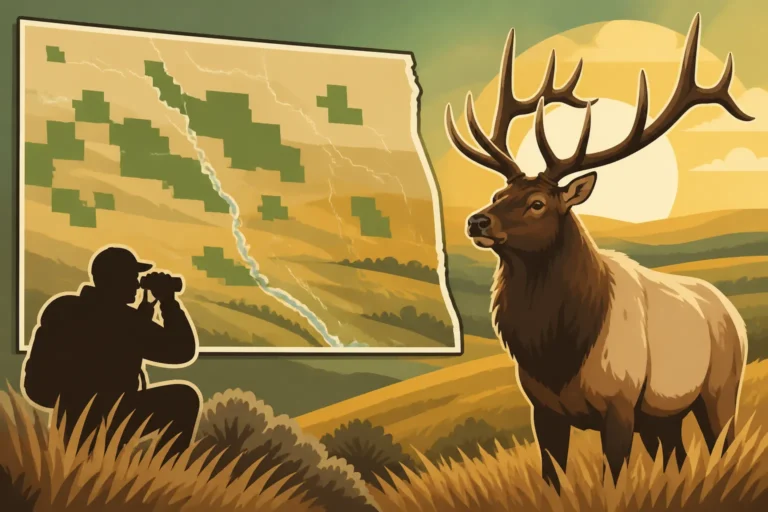
Apps like onX Hunt have revolutionized how hunters locate and navigate public and private land. With an onX Hunt subscription, you can see detailed aerial imagery overlaid with property boundaries, landowner names, public land designations (including PLOTS, WMAs, State School Lands, and USACE), and even topographic features. This is critical for finding those often-unmarked slivers of public land or identifying precisely which landowner to approach for permission. You can drop waypoints, mark boundaries, and track your movements, all without cell service once maps are downloaded. onX Layers for North Dakota Land Status details how to best utilize these powerful features.
While GoHunt is often associated with Western big game lotteries and points systems, its mapping features can also be incredibly useful for scouting and understanding general land characteristics, even in North Dakota. It might not have the hyper-local landowner data of onX Hunt, but its satellite imagery, topographic maps, and ability to layer different data sets can help you identify potential habitat features, pinch points, and travel corridors from your couch. Using both, or at least onX Hunt, allows you to research and plan your hunt with unprecedented precision, reducing wasted time and increasing your confidence when you hit the field.
Aerial Imagery and Digital Scouting
Before you even step foot out of your truck, you can do a tremendous amount of scouting from home using aerial imagery tools. Beyond onX Hunt or GoHunt, free satellite mapping services can give you a bird's-eye view of the landscape around Bismarck. Look for key features:
- Shelterbelts and Tree Rows: These provide critical cover and travel lanes for deer and pheasants, especially in open farmland. Finding Sign Along a Shelterbelt
- Drainage Ditches and Coulees: Even small depressions can hold pheasants or serve as deer movement corridors.
- Crop Fields: Identify unharvested fields, specific crop types (corn, sunflowers), and field edges that border cover. Hunting Standing Corn for Late-Season Geese or Hunting a Standing Corn Field for Deer are useful reads.
- Water Sources: Potholes, sloughs, and dugouts are crucial for waterfowl and often attract other game.
- Transition Zones: Areas where different habitat types meet (e.g., prairie meeting timber, or crop fields meeting CRP) are often highly productive.
Digital scouting helps you identify potential hotspots, understand travel patterns, and formulate a game plan before you drive to the location. It also allows you to pinpoint specific access points for public lands or private parcels, making your approach to landowners much more informed.
Strategic Considerations for Hunting Different Game Species Near Bismarck
The type of game you're after near Bismarck will significantly influence your access strategy and where you focus your efforts. Different animals prefer different habitats, and understanding these preferences will guide you to the most productive areas, whether on public or private ground.
Deer Hunting: Whitetails and Mule Deer
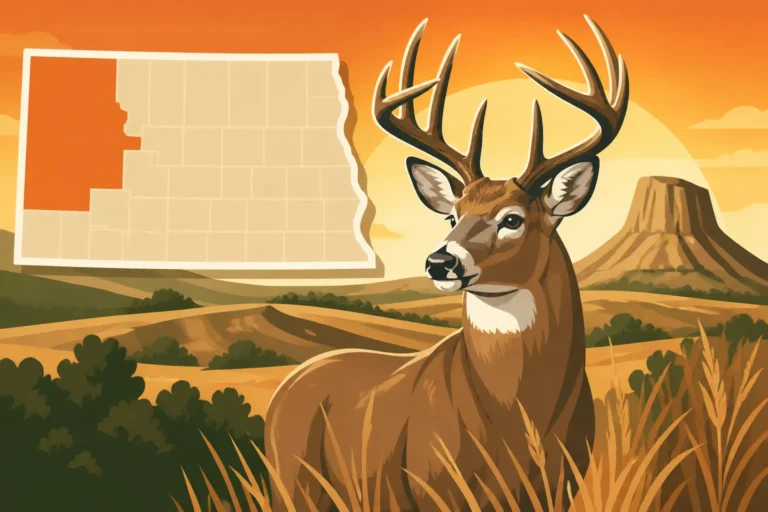
Near Bismarck, the primary deer species is the white-tailed deer. They thrive in the river bottom timber of the Missouri and its tributaries, in shelterbelts, and in pockets of heavy cover adjacent to agricultural fields. For whitetails, focusing your efforts on PLOTS ground that includes wooded draws, riparian areas, or standing crops will be your best bet for public access. If you're seeking private land permission, target landowners with these types of habitat. You can find detailed information on White-Tailed Deer Across North Dakota.
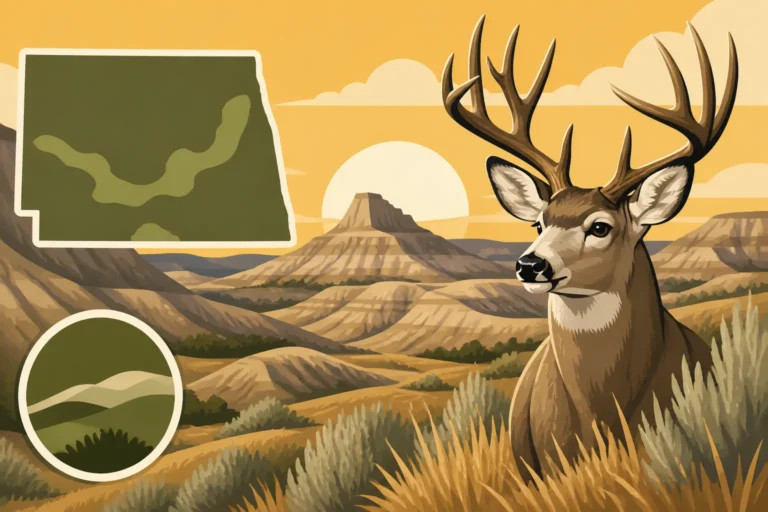
While less common, some mule deer can be found in the rugged prairie draws and badlands-like terrain west of Bismarck. However, finding consistent mule deer hunting close to the city, especially on public land, can be challenging. For either species, understanding their feeding and bedding patterns relative to the available cover and food sources is paramount. Look for pinch points, travel corridors between bedding and feeding areas, and areas with fresh sign.
Upland Bird Hunting: Pheasants, Sharptails, and Huns
North Dakota is renowned for its upland bird hunting, and the areas around Bismarck offer excellent opportunities.
- Pheasants: These colorful birds prefer dense cover in proximity to food sources. Think CRP fields, cattail sloughs, shelterbelts, and unharvested crop edges. PLOTS is an excellent resource for pheasant hunting, with many tracts specifically managed with pheasant habitat in mind. Pheasant Hunting North Dakota's Prairie provides a comprehensive look at this. When seeking private land permission, target farms with good winter cover and food plots.
- Sharptail Grouse: Sharptails are true prairie birds, preferring native grasslands, especially those with some rolling terrain or brushy draws. You'll find good sharptail hunting on expansive prairie PLOTS, some WMAs, and State School Lands, particularly to the west and north of Bismarck. These birds can be harder to locate than pheasants, often requiring more walking and glassing.
- Hungarian Partridge (Huns): Huns are often found in agricultural areas, particularly along field edges, fencelines, and small pockets of brush. They frequently overlap with pheasant habitat but can also be found in more open, rolling farmland. Both PLOTS and private land permission can yield good Hun hunting near Bismarck. These covey birds can be fast and challenging targets!
For all upland birds, scouting for cover and food before the season, or even during your hunt, is key. Hunting with a good dog can also significantly increase your success and enjoyment.
Waterfowl Hunting: Ducks and Geese
Bismarck's location in the heart of the Prairie Pothole Region and along the Missouri River makes it a prime spot for waterfowl hunting.
- Ducks: Local ducks breed in the numerous prairie potholes and sloughs, while migrating ducks funnel down the Missouri River. WMAs and PLOTS with significant wetland features are excellent public options for ducks. You can also find opportunities on USACE lands along the Missouri River. Jump-shooting smaller potholes or setting up decoys on larger wetlands can be highly productive. Duck and Goose Hunting North Dakota's Potholes is a great resource.
- Geese: Both Canada geese and various species of snow geese utilize the large agricultural fields around Bismarck for feeding and the Missouri River for roosting. Hunting geese often involves securing permission to hunt cut grain fields from landowners, or setting up on public lands (WMAs, USACE) where geese fly between roosting and feeding areas. Layout blind hunting in stubble fields is a popular and effective method. Pay close attention to migration patterns and scouting flight paths.
Waterfowl hunting often requires more gear and specialized scouting than upland or deer hunting. Being mobile and adaptable to changing bird patterns is essential for success. Always remember to check waterfowl regulations, bag limits, and specific zone rules, as they can vary.
Disclaimer
This article is for general informational purposes only and does not constitute professional advice. Laws, prices and regulations vary by location and change over time. Consult a qualified professional for guidance on your specific situation.