Hunting a Waterfowl Production Area for Upland Birds
It’s easy to get caught up thinking that Waterfowl Production Areas, or WPAs as we hunters know them, are only for ducks and geese. The name itself practically screams "waterfowl," and if you're like many of us, you might have driven past countless acres of prime-looking upland cover on a WPA, never even considering stepping foot on it for pheasants, grouse, or Huns. This guide is here to tell you that you’ve been missing out on some incredible opportunities and will walk you through how to successfully hunt these often-overlooked public lands for a fantastic upland bird experience.
Understanding Waterfowl Production Areas Beyond the Water's Edge
Waterfowl Production Areas are a cornerstone of North Dakota's public hunting landscape, primarily managed by the U.S. Fish and Wildlife Service. Their core mission, as the name suggests, is to provide critical breeding, resting, and feeding habitat for migratory waterfowl. However, the true beauty for the upland bird hunter lies in the diverse ecosystems that naturally accompany these wetlands.
The Core Mission of WPAs and Their Upland Value
When the U.S. Fish and Wildlife Service establishes a WPA, they're looking at the broader picture of the prairie pothole region. This isn't just about a pond; it's about the entire complex of wetlands and the surrounding upland habitat that supports a healthy waterfowl population. Ducks and geese need more than just water; they need secure nesting cover in dense grasses, places for their broods to feed on insects, and areas to loaf and escape predators. This is where the magic happens for upland birds.
It's entirely understandable to see "Waterfowl Production Area" on a sign and immediately think "ducks" or "geese." Many hunters, myself included at one point, make that assumption and overlook what lies beyond the cattail fringe. But the truth is, the conservation efforts designed to benefit waterfowl create a rich mosaic of habitats that are equally vital for pheasants, sharptail grouse, and Hungarian partridge. These birds thrive in the same dense, undisturbed grasslands, brushy draws, and cattail sloughs that waterfowl call home. They offer vital escape cover, nesting sites, and wintering areas that are increasingly hard to find on private lands. So, next time you pass a WPA, remember that the "waterfowl" in its name is only part of its story.
Habitat Diversity: More Than Just Water for Upland Birds
The habitat found within a typical North Dakota WPA is incredibly diverse, offering much more than just open water. While there will certainly be potholes, marshes, and sloughs, these wetlands are almost always surrounded by extensive upland cover. This often includes large blocks of native prairie grass, which is crucial nesting and brood-rearing habitat for both pheasants and sharptails. You'll find thick stands of Conservation Reserve Program (CRP) grass, which provides excellent thermal cover and protection from predators.
Beyond the grasslands, many WPAs feature cattail fringes that ring the wetlands, offering impenetrable cover, especially in late season when snow hits. Scattered brushy draws, shelterbelts, and pockets of small trees might also be present, providing additional loafing and escape cover. For a pheasant, these areas are perfect for roosting at night, dusting themselves in the dry soil during the day, and escaping the keen eyes of hawks or coyotes. Sharptail grouse will use the higher, drier prairie stretches for leks and dust baths, while Hungarian partridge often stick to the edges of cultivated fields adjacent to the WPA or the dense, low-growing cover provided by native grasses and forbs. The interspersion of these cover types is what makes WPAs so attractive to a variety of upland birds.
Scouting and Strategy for Upland Success on WPAs
Hunting WPAs for upland birds requires a specific mindset and a good understanding of the habitat. It's not just about walking in a straight line; it's about reading the landscape and adapting your tactics to the unique cover and bird behavior you'll encounter.
Reading the Landscape for Upland Bird Sign
Before you even step out of your truck, take some time to really look at the WPA, either in person or by using a good mapping tool. Identify areas where dense upland cover meets a water source, or where a brush line runs into a grass field. These "edges" are often bird magnets. Look for changes in elevation, even subtle ones, as birds will use these for thermal cover or to gain a vantage point. Pay close attention to the wind, as birds will often sit with the wind at their backs to detect predators.
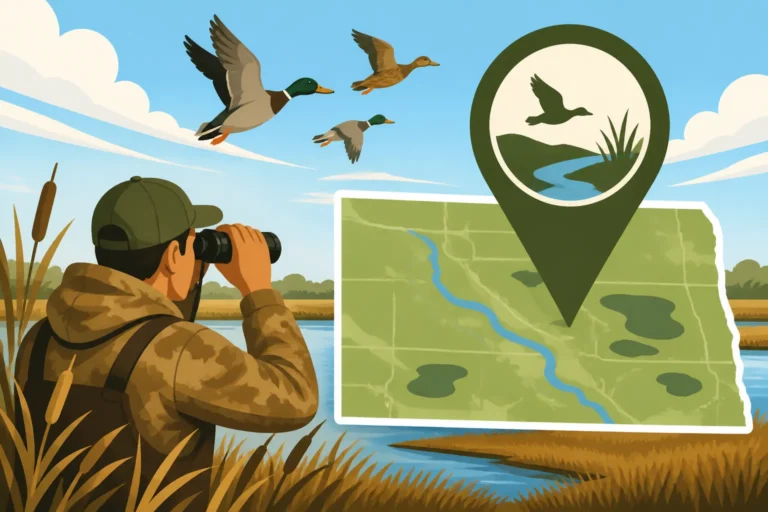
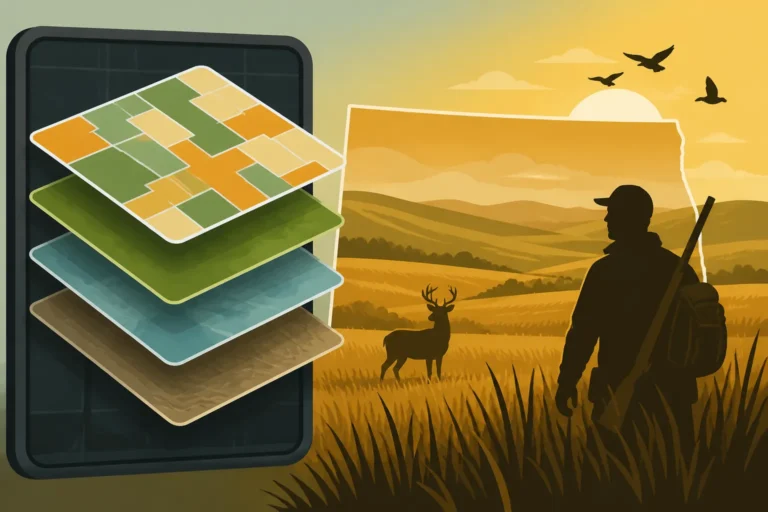
Digital mapping apps have revolutionized this kind of scouting. Tools like onX Hunt or GoHunt allow you to see detailed aerial imagery, topo maps, and land ownership boundaries right on your phone. You can identify those crucial cattail edges, dense grass fields, and brushy pockets before you ever set foot on the ground. Look for darker green areas on satellite imagery, indicating heavier cover. Zoom in to identify potential escape routes or natural funnels that birds might use. Once on the ground, keep an eye out for visual cues like dusting bowls—shallow depressions in dry soil where birds have taken dust baths—or droppings, especially in areas where birds might roost or loaf. Even shed feathers can tell you what species are in the area. Checking the mud around water sources for tracks can also give you a strong indication of recent bird activity. You can also leverage these tools to understand How North Dakota Waterfowl Production Areas Are Managed for specific hunting considerations.
Tactics for Flushing Birds in WPA Cover
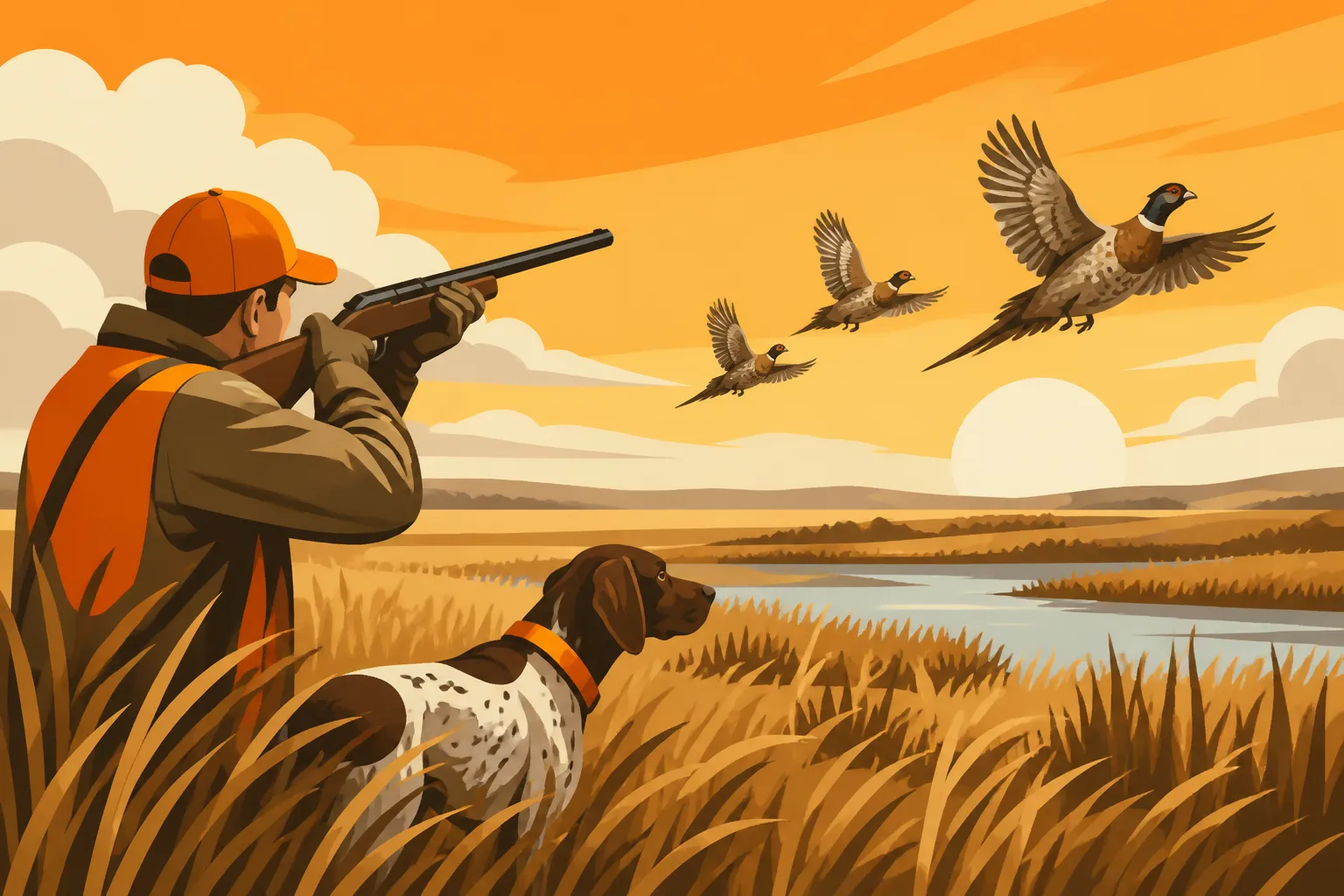
Once you've identified promising areas, it's time to put your boots on the ground. Given the dense nature of WPA cover, a slow, methodical approach is often best. Don't be afraid to zig-zag or quarter through a field, covering as much ground as possible. Pheasants, especially, are notorious for holding tight in thick cover, often waiting until you're practically on top of them before flushing. This is where a good dog becomes almost indispensable. Whether you have a hard-charging flusher like a Springer Spaniel or a methodical pointer like a German Shorthair, a dog's nose can find birds that you'd walk right past.
If you're hunting without a dog, consider walking with a partner or two, spreading out to cover more ground and push birds towards each other. Always be aware of your safe shooting lanes. When working cattails, especially in late season, remember that birds will often run along the edge of the water before flushing. Try to push them towards an open field or a natural barrier where they might be forced to take flight. Pay attention to the wind; if possible, walk into the wind, as it helps your dog scent birds and can make for safer shooting as birds flush into the breeze. For more on strategic walking, check out Walking a Pheasant Field at Midday.
Seasonal Considerations for WPA Upland Hunting
The best time to hunt WPAs for upland birds can vary significantly throughout the season.
-
Early Season (September/October): In the early weeks, birds are often more spread out. Pheasants and Huns might be found closer to agricultural fields that butt up against the WPA, feeding on waste grain. Sharptails will still be on drier, higher ground. The cover is typically still green and very thick, making birds hold extremely tight. A good dog is invaluable here. Birds might also be found closer to water sources, feeding on insects.
-
Mid-Season (November): As hunting pressure increases and crops are harvested, birds will start to concentrate in heavier cover. The dense grasses and cattail sloughs of WPAs become prime sanctuaries. This is often a great time for hunting pheasants. Weather also plays a role; a light snow can make tracking easier and push birds into more obvious thermal cover.
-
Late Season (December/January): This is when WPAs truly shine for upland birds, particularly pheasants. With colder temperatures and often significant snow cover, birds will seek out the thickest thermal cover available, and the cattail marshes and brushy pockets of WPAs offer exactly that. Birds will often concentrate in these areas, making for excellent hunting if you're willing to brave the cold. Hunting after a fresh snowfall can be incredibly productive, as birds will be forced into specific areas. For specific strategies during this period, you might find Late-Season Pheasant Tactics in Deep Snow helpful.
Essential Gear and Etiquette for WPA Upland Hunts
Preparing for a WPA upland hunt involves not just knowing the birds, but also having the right equipment and understanding the unwritten rules of public land use. These areas can be rugged, and sharing them respectfully is key.
Packing the Right Gear for Diverse WPA Terrain
The terrain in North Dakota WPAs can be unforgiving, so your gear needs to be up to the task.
- Footwear: Waterproof boots are non-negotiable. You're going to encounter dew-soaked grass, muddy edges, and potentially standing water, even if you're not targeting waterfowl. Consider gaiters to keep burrs and moisture out of your boots and off your pants.
- Clothing: Dress in layers to adapt to changing prairie weather. Briar-resistant pants are a blessing when pushing through thick cattails or thorny brush. Most importantly, ensure you have enough blaze orange. North Dakota generally requires 400 square inches of blaze orange to be worn above the waist during the firearm deer season, even if you're hunting small game. This is crucial for safety, especially on public land that might see varied activity.
- Navigation: While WPAs are generally well-marked, having a reliable GPS or a phone with a robust mapping app like onX Hunt or GoHunt is vital. These apps will show you WPA boundaries, public access points, and private land inholdings, preventing accidental trespassing. Cell service can be spotty in remote areas, so download offline maps before you head out. Understanding how to use the Scouting PLOTS Land With the ND Hunt App can also be useful for public land navigation.
- Safety & Comfort: Always carry water, even on cool days, as you'll be doing a lot of walking. A basic first-aid kit, a whistle, and a fully charged phone are also essentials. If hunting with a dog, ensure they have plenty of water and are wearing protective gear if needed for thorns or burrs.
Respecting WPAs and Fellow Hunters
Hunting on public land comes with a responsibility to both the resource and other users. WPAs are federally managed, and while they allow hunting, they have specific regulations you must adhere to.
- Regulations: Always check the latest North Dakota hunting proclamation for specific WPA rules. Generally, ATVs are restricted to established trails or roads, and littering is strictly prohibited. Respect refuge boundaries, which are often adjacent to WPAs and closed to hunting.
- Sharing the Space: WPAs are multi-use areas. You might encounter hikers, bird watchers, or, most commonly, waterfowl hunters. Be courteous and communicate. If you see waterfowl hunters setting up decoys, give them a wide berth. If another upland hunter is working a field, move to a different area to avoid Hunting Pressure on North Dakota Public Land. A simple wave or friendly conversation can go a long way in fostering a positive experience for everyone.
- Conservation: Pack out everything you pack in, including spent shotgun shells. Leave no trace. These lands are a privilege to use, and responsible behavior ensures they remain open for future generations.
Here's a quick comparison of upland bird hunting on different types of North Dakota public land, highlighting the unique aspects of WPAs:
| Feature | Waterfowl Production Areas (WPAs) | PLOTS Land | Wildlife Management Areas (WMAs) |
|---|---|---|---|
| Primary Purpose | Waterfowl production and habitat. | Public hunting access on private land via landowner agreement. | Habitat for various wildlife, hunting permitted. |
| Upland Bird Potential | High, especially for pheasants, sharptails, Huns in dense cover. | Variable, depends on enrolled landowner's habitat and crops. | High, but can be pressured; often managed for specific game types. |
| Cover Types | Diverse: native prairie, CRP, cattail sloughs, brushy draws, wetlands. | Varies widely: grasslands, crop stubble, shelterbelts, wetlands. | Managed: often specific types like dense grass, timber, food plots. |
| Hunting Pressure | Can be high, especially on easily accessible units; often overlooked for upland. | Varies by tract, can be high on well-known parcels. | Often high, especially near population centers. |
| Access Rules | Federally managed; generally walk-in, specific rules for vehicles. | Walk-in only; clearly marked boundaries. | State managed; specific rules for vehicles, blinds, etc. |
| Best For | Late-season pheasants, hunting dense, undisturbed cover, good dog work. | Diverse early-season opportunities, scouting is key. | Concentrated habitat; often good for specific species like deer or specific bird populations. |
Common Challenges and Overcoming Them
Hunting WPAs for upland birds, while rewarding, isn't without its unique set of challenges. Knowing what to expect and having strategies to overcome these hurdles can make all the difference between a frustrating day and a successful hunt.
Dealing with Heavy Pressure and Educated Birds
One of the realities of hunting public land, even WPAs, is the presence of other hunters. Easily accessible WPAs, especially those with good bird numbers, can experience significant hunting pressure. This pressure can quickly educate birds, making them much warier and harder to flush. You might find pheasants running far ahead of you, flushing wild out of range, or simply disappearing into seemingly impenetrable cover.
To overcome this, you'll need to employ some smart tactics. First, walk further. Many hunters stick close to the roads or parking areas. By putting in the extra mileage and venturing deeper into the WPA, you're more likely to find less-pressured birds that haven't been pushed around as much. This is where those detailed onX Hunt or GoHunt maps come in handy, allowing you to scout for those deeper pockets of cover. Second, hunt during off-peak times. Weekdays, especially mid-week, will almost always see less pressure than weekends. Hunting after a major weather event, like a snowstorm or heavy rain, can also thin out the crowds, as many hunters choose to stay home. Lastly, vary your approach. Don't always walk the same routes. Change your speed, incorporate pauses, and zig-zag through cover. Sometimes, a slow, deliberate pace is best to make birds hold, while other times a quicker pace might surprise a running bird. Hunting Pressure on North Dakota Public Land is a real factor, and adapting is key.
Navigating Dense Cover and Water Obstacles
The very nature of WPAs – their dense, diverse habitat, and presence of wetlands – presents navigation challenges. You'll inevitably encounter thick cattail marshes, sloughs, and brush so dense it feels like walking through a brick wall. These areas are fantastic for birds but can be grueling for hunters.
When facing dense cover, a few strategies can help. First, use the terrain to your advantage. Look for subtle changes in cover density or elevation that might create a natural funnel or an easier path. Instead of trying to bash through the thickest part, try working its edges, where birds might move or flush. Second, safety around water is paramount. You're hunting around prairie potholes, which means standing water is a given. Know your limits and your dog's limits. Don't attempt to cross deep or treacherous water, especially in cold weather. If you have a dog, ensure they are trained for water retrieves and are protected from the cold if they frequently get wet. If you're working a cattail slough, remember birds will often run along the water's edge before flushing, so try to position yourself to cut off their escape. Understanding Hunting a North Dakota Prairie Pothole Slough Edge tactics can significantly improve your chances. Always have a plan for safe crossing or working around these natural obstacles. The reward of flushing a cackling rooster from a hidden cattail patch makes the effort worth it!
WPAs are truly unsung heroes for North Dakota upland bird hunting. By understanding their purpose, recognizing the diverse habitats they offer, and employing smart scouting and hunting strategies, you can unlock some truly memorable experiences on public land. Don't let the "waterfowl" in their name fool you—these vibrant ecosystems are teeming with pheasants, sharptails, and Huns, just waiting for a hunter willing to put in the effort. Embrace the challenge, respect the land, and discover the hidden upland treasures of North Dakota's Waterfowl Production Areas.
Disclaimer
This article is for general informational purposes only and does not constitute professional advice. Laws, prices and regulations vary by location and change over time. Consult a qualified professional for guidance on your specific situation.