Retrieving Game From Private Land in North Dakota
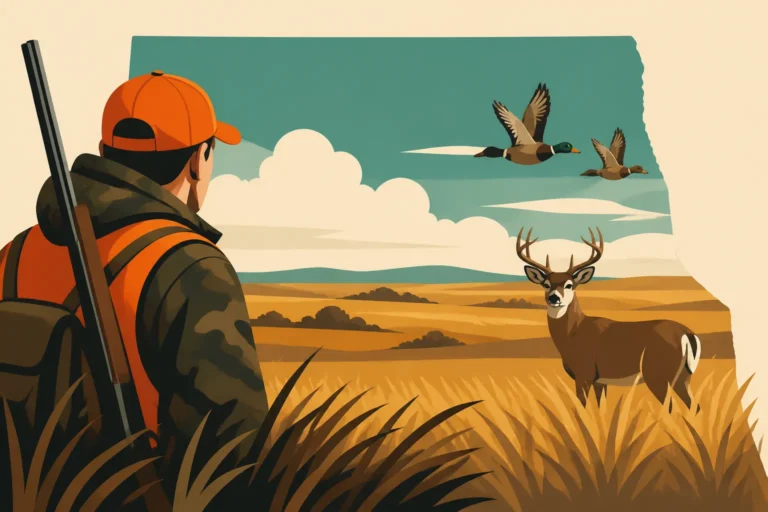
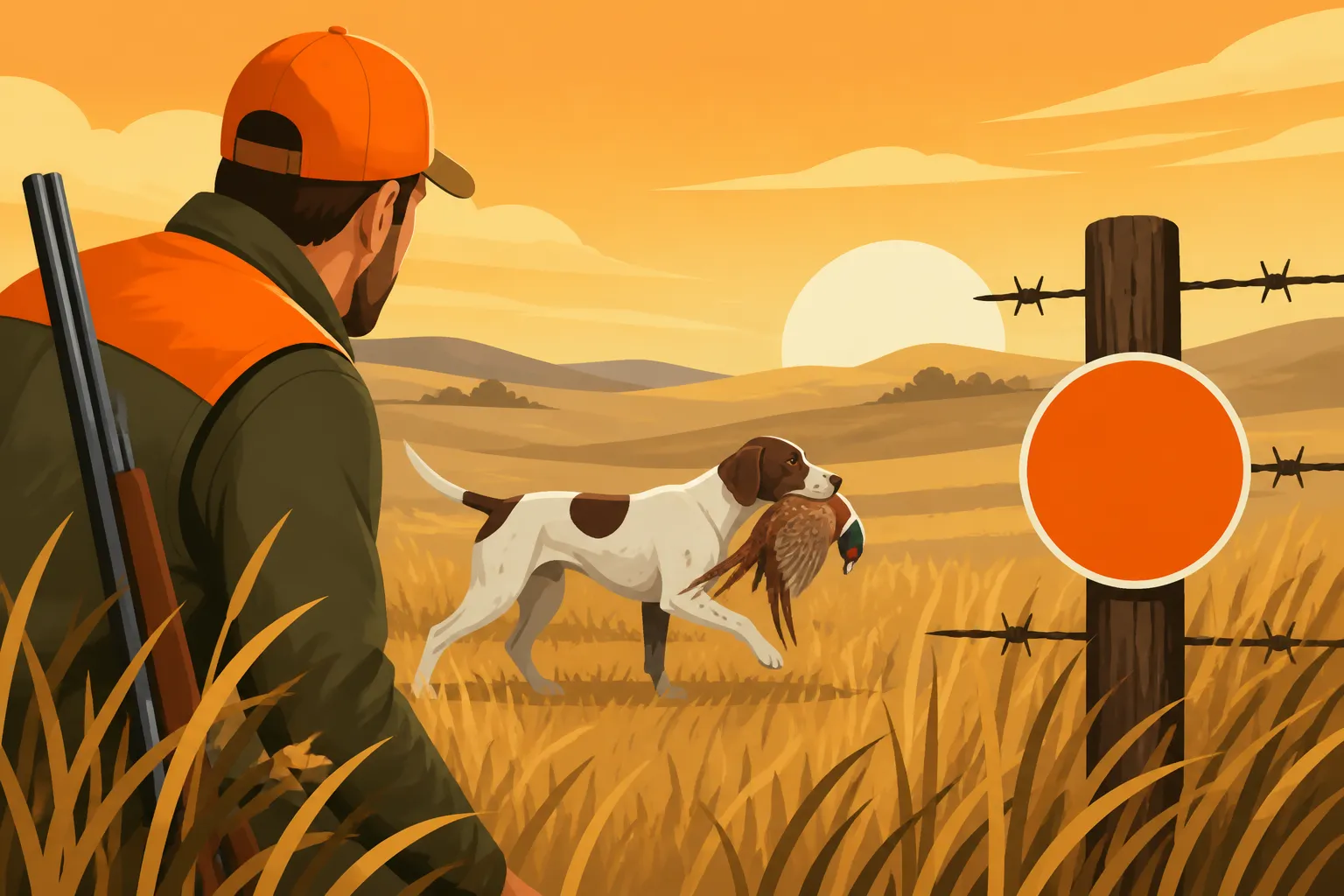
We’ve all been there, or at least imagined the gut-wrenching scenario: you make a perfect shot on a beautiful North Dakota whitetail or a massive rooster pheasant, but the animal crosses a fence line and drops on private land. The immediate rush of excitement gives way to a cold dread. What do you do now? This guide will walk you through the proper, ethical, and legal steps to take when you need to retrieve game from private land in North Dakota, easing your worries and helping you navigate a tricky situation.
Understanding North Dakota's Trespass Laws for Game Retrieval
This is where the rubber meets the road, and unfortunately, it's also where a lot of misunderstandings happen. North Dakota's trespass laws are pretty clear-cut, and they apply whether you're actively hunting or just trying to recover a downed animal. The fundamental rule is this: you absolutely need permission to be on private land. There are no exceptions for game retrieval, no "implied consent" just because your deer ran onto their field. This can feel incredibly frustrating, especially when you're looking at a valuable animal potentially spoiling, but respecting private property is paramount.
North Dakota's Strict "No Trespassing" Philosophy
In many states, laws differentiate between "posted" land and unposted land, sometimes allowing retrieval without prior permission on unposted tracts. Not so in North Dakota. Here, all private land is effectively considered "posted" unless you have explicit permission from the landowner or tenant. This means that even if there isn't a single "No Trespassing" sign in sight, you cannot legally step foot on that land without a green light from the owner. This is often a shock to hunters from other regions, but it's a critical piece of information. Ignorance of the law is not a defense, and a landowner has every right to call law enforcement if they find you on their property without permission, even if you’re just trying to get your bird or deer. Understanding North Dakota Trespass and Permission Law is your first step to staying out of trouble.
The intent behind this is to protect landowner rights and prevent unauthorized access that can lead to anything from property damage to simple disturbance. For hunters, this means a downed animal on the other side of the fence presents a significant ethical and legal hurdle. It's not a matter of simply hopping the fence and dragging it out; it's a careful negotiation of rights and respect.
Consequences of Unauthorized Entry
Stepping onto private land without permission, even for retrieval, carries real consequences. At the very least, you could face a hefty fine. In more severe cases, or if you cause any damage, you could be looking at more serious legal charges, the loss of your hunting privileges, and even confiscation of your weapon or vehicle. Beyond the legal ramifications, you risk damaging the relationship between hunters and landowners in general. One bad encounter can make an entire community of landowners less likely to grant permission to anyone. Imagine showing up to ask for permission later, only to be met with a terse "no" because another hunter failed to respect their property. This is why it's so important to do things the right way.
It's also worth noting that law enforcement will almost always side with the landowner in these situations. They are there to enforce property rights, and without explicit permission, you are in violation. It's a tough pill to swallow when you're focused on recovering your game, but it's the reality of hunting in North Dakota. Always prioritize legal compliance and ethical conduct over the perceived value of the animal.
Best Practices for Requesting Permission
Now that we understand the legal landscape, let's talk about how to navigate it properly. The goal is to secure permission ethically and effectively. This often involves a mix of preparedness, courtesy, and understanding the landowner's perspective.
Proactive Planning and Scouting
The absolute best defense against this situation is a good offense: proactive planning. Before you even head out, take the time to scout your hunting area thoroughly. Use tools like onX Hunt or GoHunt to clearly delineate public and private land boundaries. These apps can be lifesavers, showing you landowner names and property lines right on your phone. If you identify private parcels adjacent to your hunting spot, make an effort to contact those landowners before you ever step foot in the field.
A simple phone call or a knock on the door, well in advance of opening day, can save you a world of headache. Explain where you plan to hunt, what you're targeting, and specifically ask if they would be open to allowing retrieval of a downed animal should it cross onto their property. Many landowners are reasonable and will grant conditional permission, as long as you ask respectfully and abide by their terms. This pre-season outreach can be the difference between a successful retrieval and a lost animal. You'd be surprised how much easier it is to get a "yes" when you're not in a panic, asking at the last minute. This also shows respect for their property and their time. Learning about Knocking on Doors in North Dakota Farm Country can really hone your approach.
Respectful Approach When Game Is Downed
If you find yourself in the unenviable position of having game down on private land without prior permission, your approach is everything. First and foremost, resist the urge to jump the fence. Mark where the animal went down or where you last saw it from the legal property you are on. Then, immediately retreat and contact the landowner.
Here's a breakdown of what a respectful approach looks like:
- Locate the Landowner/Tenant: If you used onX Hunt or a similar mapping tool during your scouting, you likely have the landowner's name. Use local county plat maps, online resources, or even ask a neighboring farmer for contact information. Sometimes, asking at a nearby farm or ranch can help you get directed to the right person.
- Be Polite and Humble: When you make contact, introduce yourself, explain your situation calmly and honestly, and be genuinely apologetic for the inconvenience. Avoid any sense of entitlement. Frame your request as a favor, not a demand. "Excuse me, sir/ma'am, I'm John Doe, and I was hunting on the public land just over there. I shot a deer, and it looks like it ran onto your property. I'd be incredibly grateful if you might consider allowing me to retrieve it. I promise to be quick, respectful, and cause no disturbance."
- Offer Details: Be prepared to point out exactly where the animal is, if you know, or the general area it went into. Offer to walk with them to show them.
- Agree to Their Terms: The landowner might have specific rules: only certain access points, no vehicles, go immediately and come straight back, or even that they want to come with you. Whatever their terms, agree to them graciously. If they say no, accept it gracefully. Pushing or arguing will only make things worse.
- Leave Your Weapon Behind: When approaching the landowner, especially if you're not actively hunting but only seeking retrieval permission, it's a good idea to leave your firearm or bow secured in your vehicle. This can help ease any concerns they might have about someone walking around their property armed. Your sole purpose at that moment is respectful communication and retrieval, not hunting.
A quick table can summarize the difference between good and bad approaches:
| Aspect of Approach | Recommended (Good) | Avoid (Bad) |
|---|---|---|
| Timing | Proactive (pre-season) or immediate (post-shot) | Days later, after the animal has spoiled |
| Manner | Calm, respectful, apologetic, humble | Demanding, entitled, frustrated, aggressive |
| Preparation | Know property lines, have landowner info (onX Hunt) | Ignorant of boundaries, no contact info |
| Transparency | Be honest about the situation | Obscure details, hide intent |
| Weapon | Secured in vehicle when asking for permission | Carrying weapon to the landowner's door |
| Acceptance | Graciously accept "no" and their terms | Argue, complain, or try to negotiate |
Always remember that you are a guest on their land, even if it’s just for a few minutes. Your actions reflect on all hunters.
What to Do if Permission is Denied or Unobtainable
This is the hard part, the scenario every hunter dreads. What if the landowner says no? Or what if you can't even get in touch with them? It's a heartbreaking situation, but it's crucial to understand your limited options and maintain your integrity.
Accepting a "No" with Grace
If a landowner explicitly denies you permission to retrieve your game, you must respect their decision. No matter how frustrating it is, no matter how much that trophy meant to you, you cannot trespass. The animal is effectively lost to you. It's a tough lesson in hunting ethics and property rights, but it's the law. Walking away is hard, but it prevents legal trouble, protects your hunting reputation, and upholds the positive image of hunters in general.
This is where the emotional aspect of hunting collides with the legal one. It's easy to feel anger or resentment, but those feelings won't change the situation. Instead, channel that energy into learning from the experience. Perhaps you need to adjust your hunting strategy next time to avoid shooting animals near property lines you haven't cleared beforehand. Maybe you need to dedicate more time to pre-season landowner outreach. This outcome underscores why Hunting Pressure on North Dakota Public Land often leads hunters to seek alternative access or permission.
Unobtainable Permission and NDGFD
Sometimes, you can't reach the landowner at all. Maybe there's no visible residence, the phone number is disconnected, or they simply don't answer. In these instances, your options are extremely limited. Unlike some states, North Dakota does not have a "Good Samaritan" law or a provision for game wardens to enter private land for retrieval without landowner permission. The North Dakota Game and Fish Department (NDGFD) generally cannot compel a landowner to grant access, nor can they retrieve the animal for you against the landowner's wishes.
You can, however, contact the NDGFD to report the situation. They may be able to assist in attempting to contact the landowner on your behalf, especially if the animal is large and close to a public road, which could create a hazard. However, their primary role is still to mediate and ensure laws are followed, not to force access. Do not view calling the game warden as a workaround to get permission; it is merely a way to report a situation and see if they can help facilitate communication, not to force entry. They will not trespass on private land any more than you can.
The Inevitable: Losing Your Game
The unfortunate reality is that if you cannot obtain permission, you will lose your game. This is a bitter pill for any hunter to swallow, especially when you've invested time, effort, and an ethical shot. However, sacrificing that animal is far better than risking a trespass charge, fines, losing your hunting privileges, or worse. The integrity of your hunt and your reputation as a responsible sportsman are worth far more than any single animal. This also highlights the importance of making ethical shots that aim to drop an animal as close to your stand or as far from private land as possible. Every shot counts, not just for the animal, but for your access and legal standing. Remember, North Dakota Deer Reporting Requirements still apply if you've tagged the animal, even if you can't retrieve it, so be sure to understand those regulations if you found yourself in that unfortunate scenario.
Legal and Ethical Considerations Beyond Retrieval
The complexities don't end with permission (or lack thereof). There are broader implications for how you handle yourself and your harvest in North Dakota.
Tagging and Reporting Requirements
If you have legally harvested an animal in North Dakota and it runs onto private land, the tagging and reporting requirements still apply. Typically, you are required to tag your animal immediately upon recovery. If you are denied access and cannot retrieve it, you face a dilemma. While you might not physically possess the animal, a legal harvest still technically occurred. It's critical to understand the nuances of Registering a North Dakota Deer Online or through other official channels. If you had a tag for the animal you shot, and it dies, that tag is considered filled. You cannot simply use that tag again, even if you couldn't retrieve the animal. This is another reason to contact the NDGFD if you are in this situation, as they can provide guidance on how to properly handle the tag and reporting without possessing the animal.
Handling Spoiled Game
In cases where game cannot be retrieved promptly, it will spoil. This is a tragic outcome for any hunter who values the meat. If, by some grace, you eventually obtain permission days later, assess the animal's condition carefully. Don't consume spoiled meat. While it's a loss, it's safer to leave it than risk foodborne illness. Sometimes, landowners might grant access specifically to remove a spoiled carcass, even if they initially denied retrieval for consumption. Again, respectful communication is key.
Preventing Future Issues
The best way to avoid this whole mess is to prevent it. Here are some actionable steps you can take:
- Boundary Awareness: Always know where property lines are. Use mapping apps like onX Hunt religiously. Pay attention to fences, signs, and land features that indicate changes in ownership. This goes beyond just knowing Finding North Dakota Property Lines. It's about constant awareness in the field.
- Target Selection: Be mindful of where an animal is likely to run after the shot. If a large buck is right on a private land fence line, consider waiting for a better opportunity that keeps the animal on ground you have permission to access.
- Shot Placement: Practice, practice, practice. The better your shot placement, the quicker the animal will go down, reducing the distance it travels and the likelihood of it crossing onto private property.
- Landowner Relationships: Cultivate good relationships with landowners in areas you hunt. Even if you don't hunt their specific parcel, being a good neighbor, offering help, or simply stopping to chat can open doors for future permission or retrieval requests. Being known as a respectful, responsible hunter pays dividends. This is especially true when hunting close to communities, where understanding Hunting Small Private Tracts in North Dakota becomes even more critical.
Retrieving game from private land in North Dakota is a delicate matter requiring adherence to strict property laws and ethical considerations. While it's disheartening to potentially lose an animal, maintaining integrity and respect for landowners is paramount. By understanding the law, planning proactively, and approaching any retrieval situation with courtesy and humility, you can navigate these challenges effectively and uphold the reputation of responsible hunters in North Dakota.
Disclaimer
This article is for general informational purposes only and does not constitute professional advice. Laws, prices and regulations vary by location and change over time. Consult a qualified professional for guidance on your specific situation.