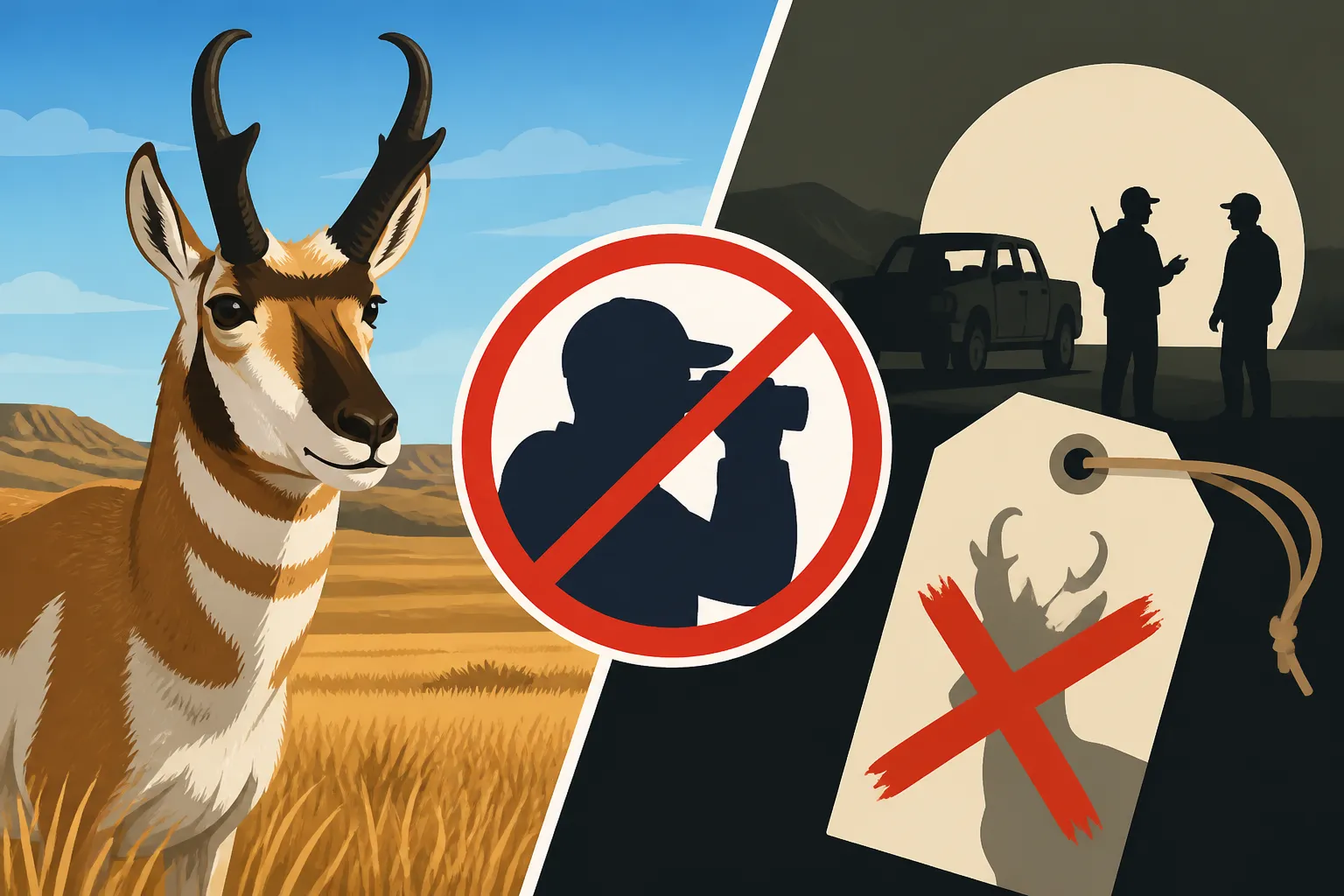
Why You Can’t Book a Guided Pronghorn Hunt Without a Tag
The desire to chase pronghorn across the wide-open prairie of North Dakota is a dream for many hunters, conjuring images of fast-paced stalks and impressive horn growth. However, a common frustration, especially for those new to hunting in our great state, is realizing you simply cannot book a guided pronghorn hunt without first securing that coveted tag. It’s not just an outfitter's preference; it's deeply rooted in our state's wildlife management philosophy and legal requirements. This guide will unpack why that tag is so essential, the unique challenges it presents, and how you can navigate the path to a successful (and legal) North Dakota pronghorn adventure.
The Exclusive Nature of North Dakota's Pronghorn Tags
North Dakota holds its pronghorn population in high regard, managing it carefully to ensure a sustainable future. This leads to a highly controlled and exclusive tag system, which often comes as a surprise to hunters accustomed to over-the-counter options for other species.
The Resident-Only Reality: Why Non-Residents Are Out of Luck
Let's get this out of the way right upfront, because it's a hard truth for many hopeful hunters from beyond our borders: North Dakota's pronghorn tags are resident-only. If you're not a resident of North Dakota, you simply cannot apply for, nor draw, a pronghorn tag here. This policy is in place to ensure that the limited opportunities for these unique big game animals are reserved for the state's own citizens, a common practice for highly sought-after and limited draw species across the West. It's a way for the state to manage resident demand and provide opportunities to those who contribute to the state's conservation efforts year-round. This is also why species like elk and moose are typically resident-only here. You can learn more about this specific policy in our piece Why Elk, Moose and Pronghorn Stay Resident-Only.
This means that for non-residents, the question of booking a guided pronghorn hunt in North Dakota is, unfortunately, moot. You cannot get the foundational requirement – the tag – which makes any further planning for a guided hunt impossible in our state. It's a crucial distinction that often catches non-residents off guard when they first start researching a North Dakota pronghorn trip.
The Resident Lottery: A Once-in-a-Lifetime Opportunity
For North Dakota residents, the path to a pronghorn tag is through a highly competitive lottery system. Unlike deer or even turkey tags, a pronghorn tag is considered a "once-in-a-lifetime" opportunity for most hunters, given the extremely limited number of licenses issued each year. This isn't a tag you can expect to draw annually or even every few years. The North Dakota Game and Fish Department carefully monitors the North Dakota Pronghorn Herd Size and allocates tags based on population estimates and management goals, which means the number can fluctuate year to year.
The lottery application process is rigorous, and drawing a tag is truly a stroke of luck, even for residents with accumulated preference points, if such a system were in place for pronghorn. This once-in-a-lifetime designation underscores the rarity and value of each tag, making it clear why outfitters cannot simply bypass the system. It's not just a matter of paying a fee; it's a matter of winning a very exclusive draw. Our article on North Dakota's Once-in-a-Lifetime Big Game Licenses delves deeper into what this designation means for species like pronghorn.
The Strict Legal Framework for Guided Hunts
Beyond the scarcity of tags, the legal requirements for guiding services in North Dakota are very clear. Outfitters operate under strict rules designed to protect both the wildlife resource and the integrity of the hunting experience.
Outfitters' Legal Obligation: No Tag, No Hunt
Any legitimate, licensed North Dakota hunting outfitter has a legal and ethical obligation to ensure that every client they guide possesses all necessary and valid licenses and tags for the species being hunted. This isn't just good practice; it's the law. An outfitter who guides a hunter without a proper tag risks severe penalties, including hefty fines, loss of their outfitter's license, and even legal prosecution. These consequences are a powerful deterrent, ensuring that outfitters diligently verify documentation.
Imagine an outfitter investing countless hours scouting, preparing equipment, and coordinating staff, only to find out a client never actually drew a tag. This is not only a logistical nightmare but a potential legal disaster. Therefore, you will find that every reputable outfitter will make it unequivocally clear: proof of a valid pronghorn tag is a non-negotiable prerequisite for booking their services. They are partners in conservation, and part of that role is upholding the state's wildlife regulations.
Why Pre-Booking Without a Tag is a Non-Starter
From a practical standpoint, the "no tag, no hunt" rule means that booking a guided pronghorn hunt in advance of drawing a tag is simply not an option in North Dakota. Outfitters cannot ethically or legally accept payment or make firm commitments for a hunt that might not happen. This policy serves as a safeguard, protecting both the hunter from losing money on a hunt they can't take part in, and the outfitter from having their limited time and resources tied up by speculative bookings.
When you contact a guide, their first question, especially for a draw-only species like pronghorn, will be about your tag status. You’ll need to provide proof of your valid license before any formal booking can occur. This is standard operating procedure for any species managed through a lottery. It ensures transparency and compliance, and it means that the hunter who ultimately secures a guide is a hunter who has successfully navigated the lottery system and is legally able to pursue a pronghorn.
The Practical & Financial Considerations for Outfitters
The lottery system, coupled with the legal requirements, significantly impacts how outfitters operate and manage their businesses, particularly for a highly restricted species like pronghorn.
Resource Allocation and Risk for Guides
Outfitters run complex operations that require significant upfront investment in time and resources. They must scout prime hunting areas, maintain equipment, hire experienced guides, arrange lodging, and manage logistics long before the season begins. For a species as limited as pronghorn, every potential client represents a specific allocation of these finite resources. If an outfitter were to book clients who hadn't yet drawn a tag, they would be gambling with their business.
Consider the scenario: an outfitter books five hunters for pronghorn, dedicating scouting efforts, reserving guide time, and declining other potential bookings. If only two of those five hunters actually draw tags, the outfitter is left with three empty slots, lost revenue, and wasted resources. This financial risk is simply too great for most businesses to bear. Therefore, they must prioritize confirmed clients who have already secured their legal right to hunt. This sensible business practice protects their livelihood and ensures they can continue to provide quality guided experiences for those who do draw tags.
The "Draw First, Then Book" Philosophy
This phrase perfectly encapsulates the reality of hunting limited-draw species in North Dakota, especially for pronghorn. It's a philosophy born out of necessity and fairness. The system ensures that those who have successfully navigated the challenging lottery process are the ones who can then proceed to secure a guided experience. This prevents situations where individuals with deep pockets could potentially monopolize guide services before tags are even distributed, thus creating a more equitable playing field among hunters.
For hunters, this means your focus initially must be entirely on the application process and securing that tag. Once you have it in hand, then, and only then, can you realistically begin to explore outfitter options. Resources like BookYourHunt and GoHunt are excellent platforms for researching and comparing outfitters, but remember, they will also require proof of your tag before any booking is finalized for a species like pronghorn. This structured approach helps manage expectations and streamline the process for everyone involved, from the hunter to the outfitter and the wildlife management authorities.
Navigating the North Dakota Pronghorn Landscape
Even if you're a resident with a tag, understanding the animal and its habitat is crucial. And if you're a non-resident, or a resident who didn't draw, it's important to know your options.
Understanding Pronghorn Behavior and Habitat (for those with a tag)
For those fortunate enough to draw a North Dakota pronghorn tag, the real work of planning your hunt begins. North Dakota's pronghorn are primarily found in the western part of the state, roaming the expansive shortgrass prairies and badlands. These animals are renowned for their incredible eyesight, often referred to as "prairie ghosts" for their ability to spot danger from vast distances. Their speed is legendary, making them one of the fastest land animals in North America. Understanding these attributes is key to a successful hunt.
Hunting pronghorn in North Dakota often involves a combination of extensive glassing and strategic stalking. You'll spend hours behind optics, systematically Spotting Pronghorn From a Section Road or from elevated positions, looking for groups of antelope. Once spotted, the challenge shifts to Stalking Pronghorn on Open Grassland, utilizing whatever terrain features are available – a subtle rise, a small coulee, or even just the undulations of the prairie – to close the distance undetected. The flat, open landscape means cover can be sparse, making careful movement and patience paramount. Our article on North Dakota Pronghorn Population Trends can give you more insight into where these animals thrive.
What to Do if You Don't Draw (or Can't Apply)
If you're a non-resident, as we've established, North Dakota pronghorn hunting isn't an option for you. While disappointing, it's important to recognize that many other states have robust pronghorn populations and different licensing structures that do allow for non-resident hunting opportunities. If pronghorn is a priority, exploring those options might be your best bet.
For North Dakota residents who applied but didn't draw a tag, the primary course of action is patience and persistence. Re-applying in future years is the only way to eventually secure a tag. In the meantime, North Dakota offers a wealth of other fantastic hunting opportunities. You might consider pursuing deer, pheasants, or waterfowl. Exploring North Dakota Hunting Licenses and What They Cost for other species can open up many exciting avenues for your fall hunting adventures while you wait for that elusive pronghorn draw. Don't let one missed opportunity overshadow the incredible diversity of hunting available right here in the state.
Preparing for a Successful (Future) Pronghorn Hunt
Once you have that tag in your pocket, whether it took one year or twenty, the actual preparation for the hunt becomes incredibly exciting.
Pre-Hunt Preparation and Physical Fitness
Drawing a pronghorn tag is often the culmination of years of waiting, so you want to make the most of it. Physical fitness is a critical component of a successful pronghorn hunt. While the terrain might appear flat, covering miles on foot, often in warm weather and over uneven ground, can be demanding. Building up your stamina, especially for walking, is highly recommended. Our guidance on Physical Prep for Badlands Elk Terrain offers excellent principles that apply broadly to spot-and-stalk hunting in open country, regardless of species.
Beyond physical conditioning, equip yourself with quality optics – good binoculars and a spotting scope are indispensable for finding and evaluating pronghorn at a distance. Practicing with your rifle at varying ranges, especially out to 300 yards or more, is also crucial, as shot opportunities on the open prairie can often be at longer distances. Ensuring your gear is dialed in and you're personally ready will maximize your chances when that hard-earned opportunity finally presents itself.
Choosing the Right Outfitter After Your Draw
Once you've secured your North Dakota pronghorn tag, the fun of planning your guided hunt can truly begin. Now is the time to leverage resources like BookYourHunt and GoHunt, or simply search for "North Dakota pronghorn outfitters" to find potential guides. These platforms can help you compare services, locations, and pricing, but remember, your tag is the golden ticket.
When narrowing down your choices, don't shy away from asking pointed questions. Our guide on Questions to Ask a North Dakota Outfitter provides an excellent checklist. Inquire about their success rates (and what those numbers truly mean), the specific areas they hunt, their typical hunt style, and what's included in their package. It's also vital to ensure your chosen outfitter is properly licensed and insured in North Dakota. Always ask for references from previous clients and follow up on them. Vetting a North Dakota Hunting Outfitter is a critical step to ensure you're booking with a reputable and effective guide who will make your once-in-a-lifetime hunt truly memorable.
The following table outlines key differences in booking guided hunts for various North Dakota species, highlighting why pronghorn stand apart.
| Species | Tag Acquisition Method | Non-Resident Eligibility | Ability to Book Guide Without Tag | Typical Hunt Type | Outfitter Booking Timeline (Relative to Tag) |
|---|---|---|---|---|---|
| Pronghorn | Resident-only Lottery | No | No (Strictly Forbidden) | Spot & Stalk | After Tag is Drawn (Immediate) |
| White-tailed Deer | Lottery (Residents & Non-Residents) | Yes | No (Draw first) | Stand, Still, Drive | After Tag is Drawn (Advance) |
| Pheasant | Over-the-counter (General Small Game) | Yes | Yes (Guide can assist with license) | Upland Walk, Dogs | Anytime (Often well in advance) |
| Waterfowl | Over-the-counter (General Small Game) | Yes | Yes (Guide can assist with license) | Decoy, Layout Blind, Pass | Anytime (Often well in advance) |
| Elk/Moose | Resident-only Lottery (Once-in-a-Lifetime) | No | No (Strictly Forbidden) | Spot & Stalk, Calling | After Tag is Drawn (Immediate) |
Disclaimer
This article is for general informational purposes only and does not constitute professional advice. Laws, prices and regulations vary by location and change over time. Consult a qualified professional for guidance on your specific situation.